

 プレビュー
プレビュー
 シェアする
シェアする シェアする
シェアする
 詳細を見る
詳細を見る

 ダウンロード
 似ている作品
 X線調査
X線調査 スライドショー
 統計情報
統計情報Jigsaw puzzle:The Bonfire of the Vanities Movie Poster 500 Piece Puzzle


 詳細を見る
詳細を見る
オンラインプレビューをはるかに凌ぐ、高解像度で鮮明なデジタル画像をご購入いただけます。
各ファイルは、社内の専門家が高度なツールと熟練した手作業によるレタッチを用いて、細心の注意を払って準備されています。すべての画像において、卓越した鮮明度、正確な色彩再現性、そして繊細なディテールを保証いたします。
最終ファイルは、プロフェッショナルな編集・印刷環境ですぐにご利用いただけるよう最適化された状態で、72時間以内にメールにてお届けいたします。これは、一流のデザインスタジオ、出版社、ギャラリーから信頼されているものと同等の品質です。
デジタルアート
個人での鑑賞、印刷、クリエイティブなプロジェクト用に、高解像度ファイルをダウンロードできます。 ( プリント版に切り替え 手描きの絵画を購入)
デジタル画像のご注文に付随する特典
高品質なデジタル画像配信を、確かな品質で。
ArtsDot.com を選ぶことは、単に画像を手に入れることではありません。それは、プロの手によって精密に仕上げられ、満足保証が付いた高品質なデジタルアートワークを受け取ることを意味します。ご注文いただいた際に自動的に付随する内容は、以下の通りです:

メールですぐにお届け
ご注文から72時間以内に、高解像度のデジタル画像ファイルがメールでお手元に届きます。すぐにそのままご利用いただけます。

AI技術で最適化されたデジタルファイル
お客様の作品は、高度なAIツールと専門家による手作業の編集を組み合わせてプロフェッショナルに最適化されており、細部のディテール、鮮明さ、そして正確な色再現性を最大限に引き出しています。

一生涯無料の再送サービス
ファイルを誤って削除したり、紛失してしまったりしましたか?ご安心ください。いつでも無料で再送いたします。

輸入手数料は一切かかりません
関税や手数料、配送料を気にすることなく、お気に入りのアートワークをすぐにお楽しみいただけます。デジタルダウンロードは常に免税です。

色彩再現の保証
プロ仕様のツールとカラーマネジメント技術を用いることで、デジタル画像が元の色を最大限に忠実に再現することを保証いたします。

100日間満足保証
ご購入いただいたデジタル画像にご満足いただけない場合は、100日以内であれば、理由を問わず修正または100%の返金対応をさせていただきます。

100% 返金保証
ご満足いただけない場合は、デジタルファイルを受け取ってから100日以内であれば、理由を問わず全額返金いたします。

まとめ買い割引
3枚購入で10%OFF - 5枚購入で15%OFF - 10枚以上購入で20%OFF。クリエイティブなプロジェクト、ギャラリー、エージェンシーに最適です。
A Fragmented Cinematic Memory
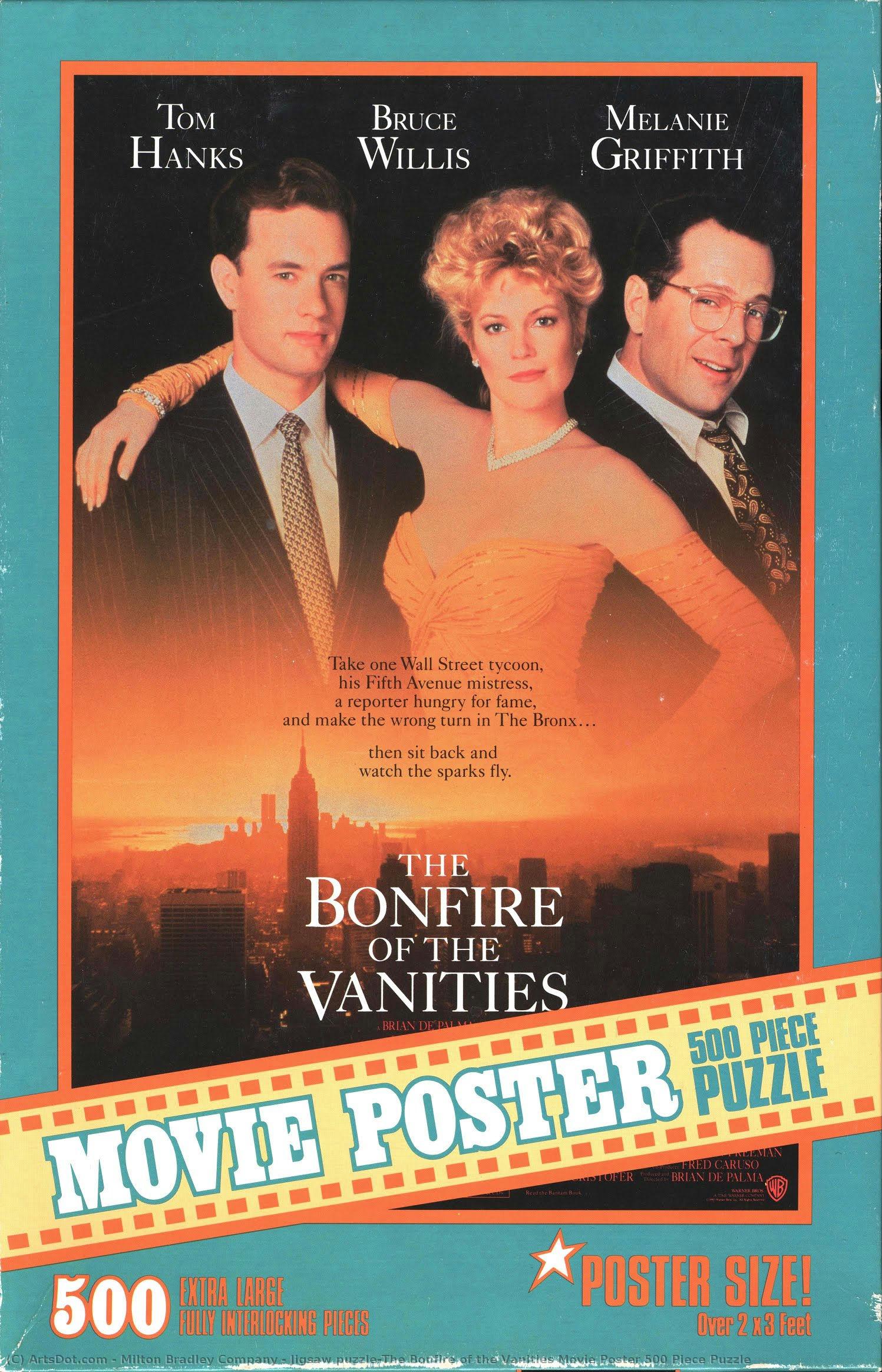
In the intersection of mass media and tactile nostalgia lies a curious artifact of late twentieth-century pop culture: The Bonfire of the Vanities Movie Poster 500 Piece Puzzle. This piece, produced by the legendary Milton Bradley Company in 1991, serves as more than a mere pastime; it is a reconstructed window into the cinematic landscape of the early nineties. The artwork captures the essence of the film's promotional imagery, presenting a trio of central figures whose poised, dramatic arrangement evokes the high-stakes tension and social stratification central to the narrative. Through the medium of a jigsaw puzzle, the image undergoes a metamorphosis, where the continuous flow of the original movie poster is intentionally fractured into five hundred distinct fragments, inviting the viewer to participate in the very act of reconstruction.
The visual composition relies heavily on the interplay between character and atmosphere. On one side, a solitary male figure stands in stark contrast to the duo of women positioned on the opposite flank, creating a balanced yet emotionally charged tension within the frame. The presence of subtle details, such as the sharp line of a tie cutting through the center of the scene, adds a layer of sartorial sophistication that mirrors the themes of vanity and status inherent in the source material. While the original medium was designed for the silver screen, this iteration utilizes the aesthetic of lithographic precision to maintain the clarity of expression and the dramatic lighting that defines the era's poster art.
The Art of the Assembly
To engage with this piece is to experience a unique form of meditative artistry. The technique of the jigsaw puzzle introduces a structural complexity that traditional paintings lack; here, the "brushstrokes" are replaced by the interlocking edges of cardboard. As one assembles the pieces, the larger narrative begins to emerge from chaos, much like the unfolding drama of a film. This process creates a profound emotional connection between the collector and the work, as each piece placed is a step toward reclaiming a lost image. For the interior designer or the art enthusiast, this piece offers a conversation starter that bridges the gap between fine art appreciation and the nostalgic joy of tactile play.
Beyond its surface appeal, the work carries the historical weight of the Milton Bradley Company’s legacy. Born from a tradition of lithography and portraiture, the company brought a level of visual storytelling to board games and puzzles that elevated them from simple toys to cultural artifacts. Owning a reproduction of this puzzle is an homage to that era of craftsmanship—a time when even mass-produced entertainment sought to capture the grandeur of human emotion and the intricate beauty of a well-composed scene. It remains a captivating choice for those looking to infuse their spaces with a sense of retro-sophistication and a deep, layered appreciation for the history of visual media.
関連作品




作家の略歴
The Unexpected Canvas: Milton Bradley Company and the Rise of Board Game Art
It’s a curious entry in the annals of art history – a company synonymous not with oils or marble, but with *board games*. Yet, to dismiss the Milton Bradley Company as merely a manufacturer is to overlook its profound impact on American visual culture. Founded in 1860 by Milton Bradley himself, initially as a lithographer producing portraits and greeting cards, the company’s trajectory shifted dramatically towards entertainment, ultimately establishing it as a pioneer in the art of game design and illustration. This wasn't simply about creating diversions; it was about crafting worlds, evoking emotions, and telling stories through increasingly sophisticated visual means. Bradley, a former lithographer, understood the power of imagery long before the advent of mass marketing. His early success stemmed from accurately reproducing portraits, but his entrepreneurial spirit quickly recognized a broader potential for printed art – one that engaged audiences directly rather than passively observing.From Portraits to Pastimes: The Evolution of an Aesthetic
The transition from portraiture to board games wasn’t immediate. Bradley initially experimented with “The Checkered Game of Life,” inspired by a similar British game, but it was his own innovations that truly propelled the company forward. He recognized the need for visually appealing and engaging designs to capture the public's imagination. Early games featured relatively simple illustrations, often employing Victorian-era aesthetics – detailed landscapes, idealized figures, and ornate borders. However, as the company grew, so too did its artistic ambitions. The late 19th and early 20th centuries saw a blossoming of illustration styles, and Milton Bradley actively sought out talented artists to bring their games to life. Artists like George Bertie DeWitt became integral to the company’s success, imbuing titles such as “Game of Life” with a sense of narrative charm and aspirational imagery. The focus shifted from mere gameplay to creating an *experience*, where the artwork played a crucial role in shaping player expectations and emotional investment.Influences and Innovations: A Reflection of American Society
The art within Milton Bradley games wasn’t created in a vacuum. It was deeply reflective of the evolving social landscape of America. The late 19th century saw a rise in middle-class leisure activities, and board games catered directly to this burgeoning market. Themes of homeownership, career advancement, and family values were frequently depicted, mirroring the aspirations of the American public. The artwork often romanticized these ideals – idyllic suburban scenes, successful professionals, and happy families enjoying domestic bliss. Furthermore, the company embraced new printing technologies, allowing for more vibrant colors, detailed illustrations, and increasingly complex game boards. This technical innovation directly influenced the artistic possibilities, enabling artists to create richer, more immersive worlds within their designs. The influence of popular illustration styles – from the realism of Norman Rockwell to the Art Deco movement – can be seen in various games produced throughout the company’s history.Major Achievements and Lasting Legacy
While many games achieved popularity, “The Game of Life” remains Milton Bradley's most enduring legacy. Its iconic game board, constantly updated over the decades to reflect changing societal norms, has become a cultural touchstone. The artwork itself has undergone numerous transformations, yet it consistently embodies the American dream – the pursuit of happiness, financial security, and family fulfillment. Beyond “The Game of Life,” titles like "Clue" (originally known as "Cluedo") demonstrated the company’s ability to create compelling narratives through visual design, establishing a genre of mystery board games that continues to thrive today. Milton Bradley Company didn't just sell games; they sold aspirations and fantasies. The impact extends beyond entertainment. The company fostered a generation of illustrators and designers, contributing significantly to the development of American graphic art. Their work shaped not only how people played but also how they perceived their own lives and possibilities.Historical Significance: More Than Just Child’s Play
The historical significance of Milton Bradley Company lies in its democratization of art. While fine art remained largely inaccessible to the masses, board game illustrations brought visually engaging imagery into homes across America. These games provided a shared cultural experience, fostering family bonding and social interaction.- They reflected societal values and aspirations.
- They showcased the talents of numerous artists.
- They pioneered innovative printing techniques.

プロフィール概要
- Artistic Movement Or Style: Board Game Design
- Date Of Death: Living
- Full Name: Milton Bradley Company
- Notable Artworks:
- The Checkered Game of Life
- Game of Authors
- Uncle Sam's Tour Around the World