 プレビュー
プレビュー
 シェアする
シェアする シェアする
シェアする
 詳細を見る
詳細を見る

 ダウンロード
 似ている作品
 X線調査
X線調査 スライドショー
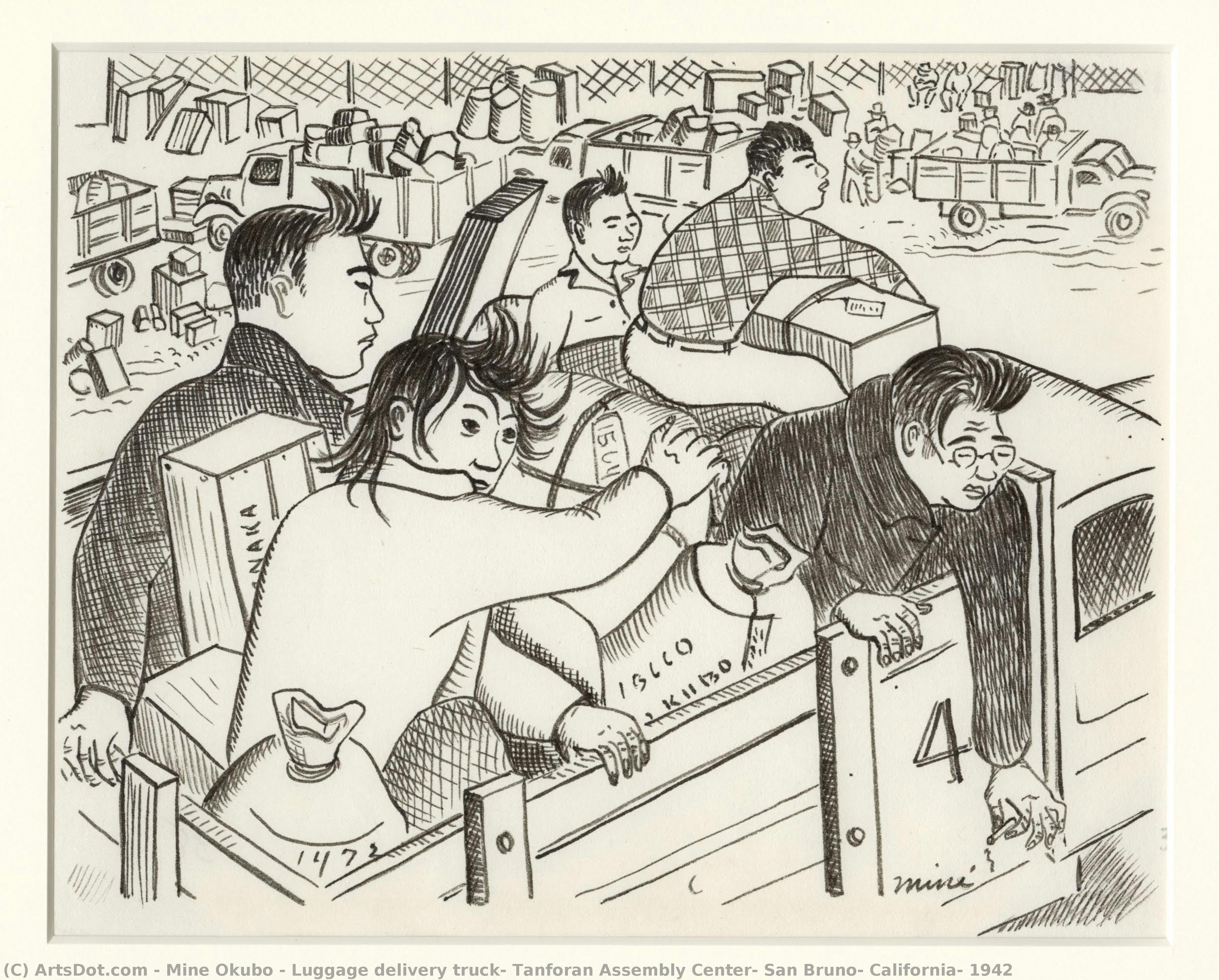
Luggage delivery truck, Tanforan Assembly Center, San Bruno, California, 1942


 詳細を見る
詳細を見る
ジークレー/アートプリント
迅速な制作と多彩な仕上げオプションを備えた、ミュージアムクオリティのジークレーまたはキャンバスプリント。 ( 手描きの絵画を購入 画像を購入)




P118B $10

P118H $10

P118W $10

P438Z $10

P508JH $12

P508YH $12

P805H $10

P805Z $10

P919BZ $10

P919G $10

P919XJ $10

P959ZH $10

P968JZ $12

W106C $8

W218G $10

W218JH $8

W218Y $10

W307PJ $10

W316G $10

W316PJ $8

W316Y $10

W398PJ $8

W4111J $10

W500HY $15

W500JH $15

W692G $12

W849H $8

W940BG $15

W953PJ $8




作品のオリジナル比率に合わせた、当店の規定サイズからお選びください。

特定のフレームやスペースに合わせて、ご自身でサイズを指定することも可能です。選択されたサイズが元の画像の比率と一致しない場合、作品をトリミングするか、鏡面反射または単色での塗りつぶしによって画像を拡張いたします。制作を開始する前に、ご確認用のデジタルモックアップをお送りいたします。
画面上のプレビューには、実際のトリミングや拡張は反映されませんのでご注意ください。最終的な構図を正確に確認できるのは、モックアップのみとなります。
カスタムサイズも承っておりますが、元の比率を維持するためには、あらかじめ用意されたリストからサイズを選択することをお勧めいたします。


 ガラスオプションは、110cm未満のサイズでのみご利用いただけます。

Luggage delivery truck, Tanforan Assembly Center, San Bruno, California, 1942
ジークレー/アートプリント
複製画のサイズ
-


合計金額
$ 62
A Frozen Moment of Resilience: Miné Okubo’s “Luggage Delivery Truck”
Miné Okubo's "Luggage Delivery Truck, Tanforan Assembly Center, San Bruno, California, 1942" isn’t merely a depiction of a scene; it’s a meticulously rendered fragment of lived experience – a poignant snapshot pulled from the harrowing reality of Japanese American incarceration during World War II. Created in 1944, this deceptively simple drawing, executed with ink on paper and mat board, transcends its humble materials to become a powerful testament to endurance and observation. It’s a work that demands quiet contemplation, inviting us to step into the frame and witness the subtle anxieties and quiet dignity of those caught within the machinery of government-imposed exile.
- Subject Matter: The artwork centers on a bustling assembly center – Tanforan, one of the primary relocation camps established in California. The scene unfolds around a truck bed laden with luggage, suggesting the hurried and often chaotic process of preparing for departure.
- Key Figures: At the heart of the composition are Miné Okubo herself, rendered as a young woman with her forelock flipped back – a deliberate gesture of defiance and self-possession – and her brother, Toku. Their presence amidst the luggage speaks volumes about family bonds forged in adversity. The other men visible within the truck bed further emphasize the collective experience of those displaced.
The Language of Observation: Style and Technique
Okubo’s style is remarkably restrained, yet profoundly effective. She employs a realistic approach, capturing the details of the setting – the worn truck, the stacked luggage, the wind-blown hair – with an almost photographic precision. However, she avoids sentimentality, opting instead for a direct and unadorned portrayal. The use of black ink on paper creates a stark contrast, emphasizing the gravity of the subject matter. The slightly loose lines and subtle shading contribute to a sense of immediacy, as if we are witnessing this moment unfold before our eyes. It’s a technique honed during her time in Europe, reflecting influences from European realism while firmly rooted in her American experience.
Note: The artwork's composition is carefully balanced, drawing the eye across the scene and creating a sense of movement. The diagonal lines of the truck bed and the wind-swept hair contribute to this dynamism.Historical Context: Tanforan and the World on Edge
To fully appreciate “Luggage Delivery Truck,” it’s crucial to understand its historical context. In 1942, amidst rising anti-Japanese sentiment fueled by wartime anxieties, over 120,000 Japanese Americans were forcibly removed from their homes and incarcerated in camps across the West Coast. Tanforan Assembly Center, located near San Bruno, California, was one of these facilities. Life within the camps was fraught with uncertainty, hardship, and a constant struggle for dignity. Okubo’s artwork serves as a vital record of this period, offering a rare glimpse into the daily lives of those who endured it.
Research Note:** The accompanying links to external resources – including JANM's database entry and Google Arts & Culture – provide further context on Miné Okubo’s life, her work, and the broader history of Japanese American incarceration.Symbolism and Emotional Resonance
Beyond its documentary value, “Luggage Delivery Truck” is rich in symbolism. The luggage itself represents not just possessions but also memories, hopes, and dreams – all surrendered as they were forced to abandon their homes. The wind-blown hair of Miné Okubo embodies resilience and a refusal to be defeated. Her gaze, directed towards the viewer, suggests a quiet strength and an unwavering commitment to bearing witness. The scene evokes a complex blend of emotions: anxiety, uncertainty, but also a profound sense of community and shared experience. It’s a work that speaks to the enduring human spirit in the face of adversity, reminding us of the importance of remembering and honoring those who have been marginalized.
関連作品
アーティストの略歴
不屈の精神に刻まれた生涯:大久保ミネの芸術
1912年、カリフォルニア州リバーサイドに生まれた大久保ミネは、その生涯がアメリカ史の極めて重要かつ痛ましい一章と分かちがたく結びついた芸術家でした。彼女の物語は、単なる芸術的才能の記録ではありません。それは、深い勇気、揺るぎない観察眼、そして「目撃者」としての芸術が持つ力の物語なのです。書道家として腕の立つ母と学者であった父という、創造性を重んじる家庭環境の中で育った彼女は、正規の美術教育へと歩みを進めました。カリフォルエニア大学バークレー校で学び、1938年にはさらなる地平を求めてヨーロッパへと渡りました。しかし、この研鑽の時間は第二次世界大戦という暗い影によって突如として断ち切られることとなります。世界的な緊張が沸点に達する中、彼女はアメリカへの帰国を余儀なくされました。その帰郷が、さらなる芸術的探求ではなく、強制収容という、彼女の人生と芸術の両方を決定づける過酷な経験へと繋がるとは、当時の彼女には知る由もありませんでした。目撃者として:障壁の内側に刻まれた芸術
真珠湾攻撃は、他の数えきれないほどの日系アメリカ人たちと同様に、大久保の人生の軌道を決定的に変えてしまいました。1942年、彼女と弟のベンジーは住み慣れた家を追われ、不当にもタンフォラン集合所に収容されました。そこは競馬場を転用した一時的な施設であり、後にユタ州のより恒久的なトパーズ強制収容所へと移送されるまでの待機場所でした。埃と絶望が渦巻く、あの有刺鉄線に囲まれた閉鎖的な空間こそが、大久慢にとって最も重要な芸術的営みが始まる場所となったのです。周囲の現実を記録せずにはいられない、抗いがたい衝動に突き動かされるようにして、彼女は収容所生活の驚くべき視覚的記録を残し始めました。ペンとインク、水彩、そしてチャコールを用いて丹念に描かれた、2,000点を超えるドローイングやスケッチです。それらは決して壮大な歴史画でも、理想化された肖像画でもありませんでした。混雑した居住区、官僚的な手続き、不安と諦念が刻まれた顔、そして深い苦難の中に灯る静かな尊厳――日常のありのままの姿を写し取った、生々しく誠実な描写でした。物干しロープに吊るされた洗濯物、埃の中で遊ぶ子供たち、食堂で配られる食事といった些細なディテールさえも、彼女の手にかかると、市民権の侵害と不屈の精神を訴えかける力強いメッセージへと昇華されました。大久保の芸術は、単なる個人的な反応に留まらず、沈黙や抹消を拒絶する、一種の抵抗の行為であったのです。Citizen 13660:非人間化と希望の証
1944年にトパーズから解放された後、大久保は自らの経験を芸術と文学の画期的な融合へと注ぎ込みました。それが、後に名作となるCitizen 13660です。1946年に出版されたこの本は、198点のドローイングと、胸を打つテキストで構成されています。そのタイトル自体が深い象徴性を帯びています。収容システムの中で彼女に割り当てられた番号――それは、彼女や多くの人々が耐え忍んだ非人間的なプロセスの残酷な記憶を呼び起こすものです。Citizen 13660は、単なる苦難の年代記ではありませんでした。逆境に直面した人間の精神を、繊細かつ多角的に描き出した作品なのです。彼女は屈辱や不当な扱いから目を逸らすことはありませんでしたが、同時にコミュニティの絆やユーモア、そして静かな強さの瞬間をも捉えました。その描線は、率直さと感情の深み、そして光と影の見事な使い分けによって特徴づけられます。本書は、多くの人々が無視しようとしたアメリカ史の暗い一章を、逃げ隠れすることなく提示し、日系アメリカ人の強制収容体験を記録する極めて重要な著作となりました。受け継がれる遺産:社会への眼差しとしての芸術
戦後、大久保はニューヨークへと移り住み、雑誌や書籍のフリーランス・イラストレーターとして活動し、壁画プロジェクトにも携わるなど、芸術家としてのキャリアを継続しました。戦時中の作品を定義づけた「社会正義」や「人間の尊厳」というテーマを完全に手放すことはありませんでしたが、そのスタイルは時代とともに進化していきました。彼女は様々な媒体や技法を模索しましたが、リアリズムと誠実な観察眼への献身は常に揺るぎないものでした。大久保の芸術的影響は多岐にわたります。社会問題や日常生活を冷徹なまでの正確さで描くことを重視したソーシャル・リアリズム運動や、人間の苦悩を力強く描き出したケーテ・コルヴィッツといった芸術家からインスピレーションを得ていました。その生涯を通じて、彼女は全米芸術基金(NEA)からの助成金を含む数多くの賞や評価を受け、アメリカの芸術と文化に対する多大な貢献が認められました。2001年にこの世を去った大久保ミネが遺したレガシーは、今なお私たちの心に響き続けています。彼女の作品は、市民権の脆弱さ、偏見や差別に対する警戒の重要性、そして目撃し、不義に立ち向かい、希望を呼び起こす芸術の永続的な力を、力強く私たちに思い起こさせてくれるのです。彼女のドローイングは単なる歴史的資料ではありません。それはインクと水彩で刻まれた、深く人間的な物語であり、過去の過ちを記憶し、そこから学び、二度と繰り返さないことを私たちに強く求めているのです。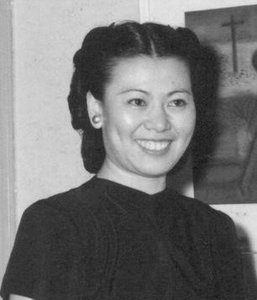
大久保 ミネ
1912 - 2001 , アメリカ合衆国
基本情報
- Artistic Movement Or Style: 社会写実主義
- Artists Or Movements Influenced By This Artist: ['公民権運動']
- Artists Who Influenced This Artist: ['ケーテ・コルヴィッツ']
- Date Of Birth: 1912年6月27日
- Date Of Death: 2001年2月10日
- Full Name: 大久保 ミネ
- Nationality: アメリカ
- Notable Artworks:
- Citizen 13660
- Interior of Mine and Toku
- Working at the Topaz Times
- Place Of Birth: アメリカ合衆国、リバーサイド
関連記事
Serenity on Canvas: A Guide to the Timeless Beauty of Japanese Landscape Painting
Discover the serene beauty of Japanese landscape painting. From Hokusai's iconic woodblock prints to meditative sumi-e ink washes, explore a visual journey through the 'floating world' and learn how to bring this timeless Zen aesthetic into your modern home decor.

葛飾北斎:25の傑作が語る浮世絵の世界 - ArtsDot
葛飾北斎の25選:『神奈川沖浪裏』や『富嶽三十六景』など、浮世絵の世界を深く探求。木版画の技法と日本美術の美をArtsDotで。高品質なアートプリントで空間に感動を。コレクションはこちら。
Floating World: The Captivating Art and Legacy of Japanese Ukiyo-e
Explore the profound beauty of Japanese Ukiyo-e. Discover the history, masters like Hokusai, and the enduring legacy of the 'Floating World' through an expert art-historical lens.
Léonard Foujita: A Poetic Synthesis of Japanese Sensibility & European Modernism
Discover the captivating world of Léonard Foujita, a master bridging Japanese aesthetics & European Modernism. Explore his signature style, diverse works, and enduring legacy – essential reading for discerning art collectors.
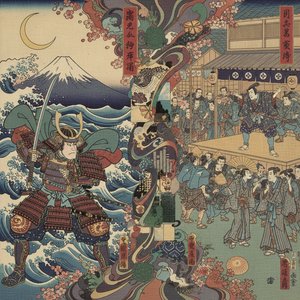
Utagawa Kuniyoshi: A Master of Japanese Ukiyo-e – Narrative Innovation & the Fusion of Tradition with Popular Culture
Explore the captivating world of Utagawa Kuniyoshi, a master of Japanese ukiyo-e woodblock prints. Discover his innovative warrior scenes, vibrant landscapes & lasting legacy in 19th-century art history.