 プレビュー
プレビュー
 プリントを購入
 シェアする
シェアする シェアする
シェアする
 詳細を見る
詳細を見る

 ダウンロード
 似ている作品
 X線調査
X線調査 スライドショー
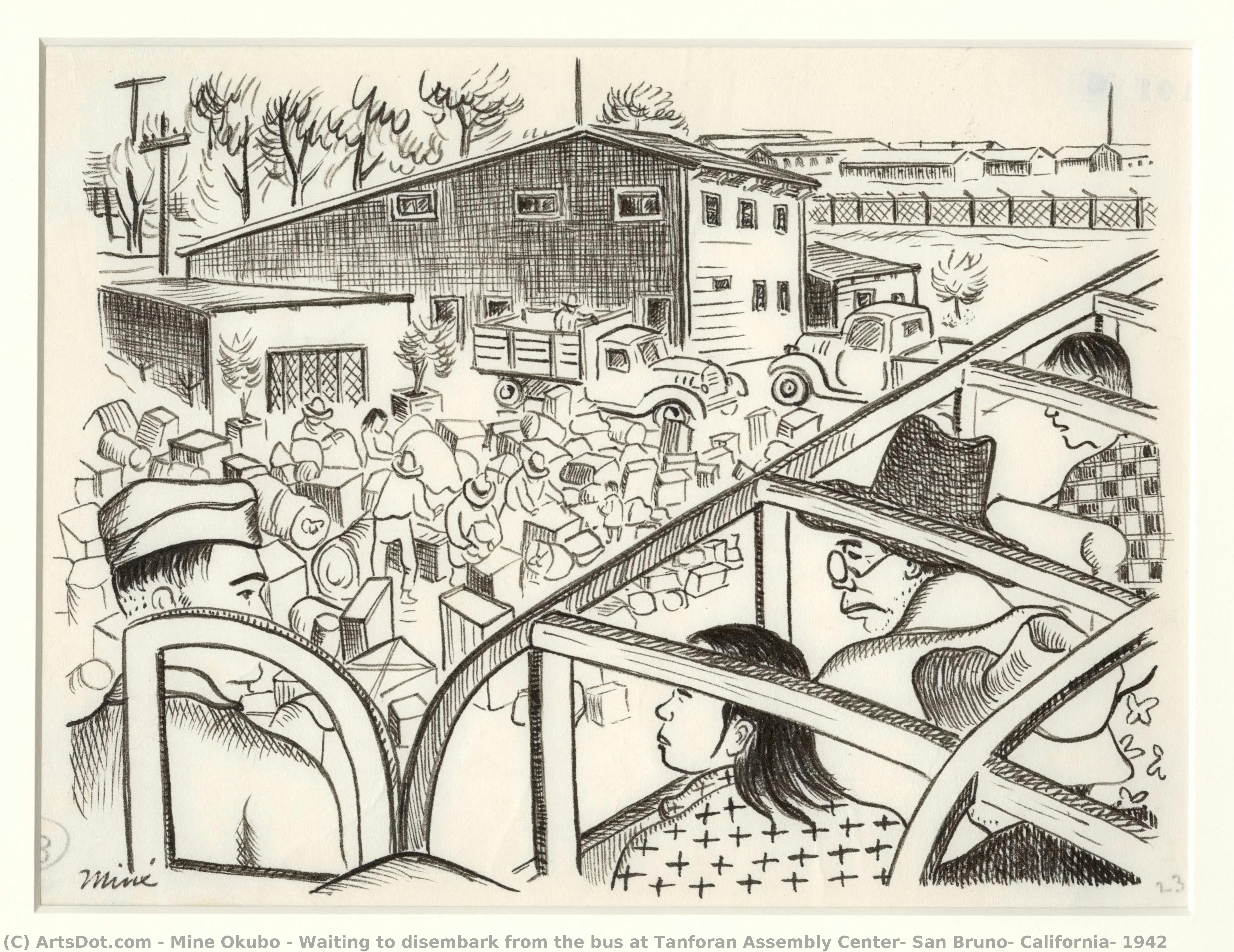
Waiting to disembark from the bus at Tanforan Assembly Center, San Bruno, California, 1942


 詳細を見る
詳細を見る




P118B $10

P118H $10

P118W $10

P438Z $10

P508JH $12

P508YH $12

P805H $10

P805Z $10

P919BZ $10

P919G $10

P919XJ $10

P959ZH $10

P968JZ $12

W106C $8

W218G $10

W218JH $8

W218Y $10

W307PJ $10

W316G $10

W316PJ $8

W316Y $10

W398PJ $8

W4111J $10

W500HY $15

W500JH $15

W692G $12

W849H $8

W940BG $15

W953PJ $8




作品のオリジナル比率に合わせた、当店の規定サイズからお選びください。

特定のフレームやスペースに合わせて、ご希望のサイズをご入力いただけます。選択されたサイズが元の画像の比率と異なる場合、アートワークをトリミングするか、手描きで要素を追加して絵画を拡張いたします。デジタルモックアップ を制作し、制作開始前にご確認(承認)をいただきます。
画面上のプレビューは、実際のトリミングや拡張を正確に反映しているものではありません。最終的な構図は、モックアップによってのみ正確にご確認いただけます。
カスタムサイズもご利用いただけますが、元の比率を維持するためには、あらかじめ用意されたリストからサイズを選択することをお勧めいたします。
ご注文後、ArtsDot.com チームより詳細な指示をお送りするとともに、仕上がりイメージ(モックアップ)をご提供いたします。


 ガラスオプションは、110cm未満のサイズでのみご利用いただけます。

Waiting to disembark from the bus at Tanforan Assembly Center, San Bruno, California, 1942
複製技法
複製画のサイズ
-


合計金額
$ 263
A Moment Frozen in Time: Miné Okubo’s “Waiting to Disembark from the Bus at Tanforan Assembly Center, San Bruno, California, 1942”
Miné Okubo's stark and profoundly moving illustration, "Waiting to Disembark from the Bus at Tanforan Assembly Center, San Bruno, California, 1942," isn’t merely a depiction of a wartime scene; it’s a visceral testament to resilience, displacement, and the quiet dignity of those caught in the machinery of American history. Created during her forced incarceration at the Tanforan and Topaz camps – experiences that irrevocably shaped her life and artistic vision – this piece transcends its documentary roots to become a universal symbol of uncertainty and the yearning for home. The image captures a pivotal, yet often overlooked, moment: the anxious anticipation of a group of Japanese Americans awaiting transport after months of confinement within the assembly center’s vast, echoing halls.
The illustration's power lies in its masterful use of monochrome – a deliberate choice that amplifies the scene’s emotional weight. Okubo employs a meticulous technique of hatching and cross-hatching, building up layers of tone to create an astonishingly rich texture. The shadows are deep and pervasive, suggesting not only the physical darkness of the assembly center but also the psychological gloom experienced by those held within. The figures themselves are rendered with a remarkable sensitivity; their faces etched with worry, exhaustion, and a palpable sense of vulnerability. Notice how she subtly captures the nuances of expression – the furrowed brows, averted gazes, and hesitant postures—transforming a simple scene into a powerful portrait of collective anxiety.
The Crucible of Camp Life: Context and Historical Significance
To fully appreciate “Waiting to Disembark,” one must understand the harrowing context in which it was created. Following the attack on Pearl Harbor in December 1941, fueled by wartime hysteria and deeply ingrained anti-Japanese sentiment, over 120,000 Japanese Americans – including citizens of the United States – were forcibly removed from their homes and incarcerated in assembly centers like Tanforan and later Topaz. These camps, often hastily constructed and woefully inadequate, became symbols of injustice and a profound betrayal of American ideals. Okubo’s work serves as a crucial historical record, offering an intimate glimpse into the daily realities of this dark chapter – a reality that has been frequently glossed over in official narratives.
The Tanforan Assembly Center itself was a repurposed racetrack, transformed into a temporary holding facility. The image's background subtly reveals this transformation—the vast expanse of the track and the imposing building hint at the scale of the operation and the sheer number of people confined within its walls. It’s important to remember that Okubo wasn’t simply sketching; she was meticulously documenting, creating a visual archive of her experience and those around her – an act of quiet resistance against the dehumanizing conditions imposed upon them.
Symbolism and Emotional Resonance
Beyond its historical significance, “Waiting to Disembark” is rich in symbolic resonance. The bus itself represents not just transportation but also a journey—a forced journey away from home, towards an uncertain future. The figures huddled together, clutching suitcases and belongings, embody the shared experience of displacement and loss. Their gazes are directed outwards, towards the unknown, reflecting both hope and apprehension. The muted palette reinforces this sense of melancholy, while the careful rendering of details—the worn luggage, the anxious expressions—grounds the scene in a tangible reality.
The composition is deliberately restrained, focusing on the immediate human drama unfolding before the viewer. There’s no grand narrative or heroic gesture; instead, Okubo presents a quiet tableau of everyday life under extraordinary circumstances. This simplicity amplifies the emotional impact, allowing the viewer to connect with the subjects on a deeply personal level.
A Legacy of Witness: Miné Okubo and Her Enduring Art
Miné Okubo’s “Waiting to Disembark from the Bus at Tanforan Assembly Center, San Bruno, California, 1942” is more than just an illustration; it's a powerful act of remembrance. Her subsequent book, *Citizen 13660*, which included this drawing and many others, became one of the first graphic memoirs documenting the Japanese American experience during World War II – a groundbreaking work that continues to resonate today. Okubo’s art serves as a vital reminder of the injustices of the past and a testament to the enduring power of human resilience. Reproductions of this poignant image offer not only an aesthetic pleasure but also a profound opportunity for reflection on themes of identity, displacement, and the importance of bearing witness.
関連作品
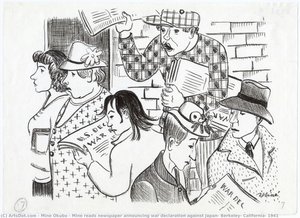
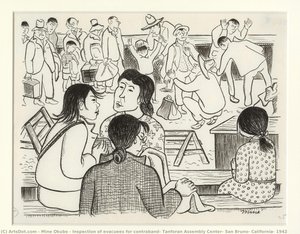
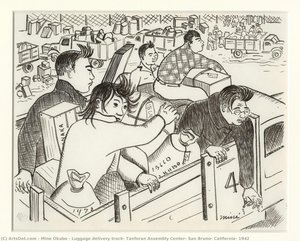
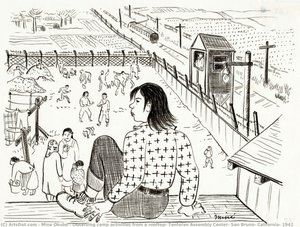
アーティストの略歴
不屈の精神に刻まれた生涯:大久保ミネの芸術
1912年、カリフォルニア州リバーサイドに生まれた大久保ミネは、その生涯がアメリカ史の極めて重要かつ痛ましい一章と分かちがたく結びついた芸術家でした。彼女の物語は、単なる芸術的才能の記録ではありません。それは、深い勇気、揺るぎない観察眼、そして「目撃者」としての芸術が持つ力の物語なのです。書道家として腕の立つ母と学者であった父という、創造性を重んじる家庭環境の中で育った彼女は、正規の美術教育へと歩みを進めました。カリフォルエニア大学バークレー校で学び、1938年にはさらなる地平を求めてヨーロッパへと渡りました。しかし、この研鑽の時間は第二次世界大戦という暗い影によって突如として断ち切られることとなります。世界的な緊張が沸点に達する中、彼女はアメリカへの帰国を余儀なくされました。その帰郷が、さらなる芸術的探求ではなく、強制収容という、彼女の人生と芸術の両方を決定づける過酷な経験へと繋がるとは、当時の彼女には知る由もありませんでした。目撃者として:障壁の内側に刻まれた芸術
真珠湾攻撃は、他の数えきれないほどの日系アメリカ人たちと同様に、大久保の人生の軌道を決定的に変えてしまいました。1942年、彼女と弟のベンジーは住み慣れた家を追われ、不当にもタンフォラン集合所に収容されました。そこは競馬場を転用した一時的な施設であり、後にユタ州のより恒久的なトパーズ強制収容所へと移送されるまでの待機場所でした。埃と絶望が渦巻く、あの有刺鉄線に囲まれた閉鎖的な空間こそが、大久慢にとって最も重要な芸術的営みが始まる場所となったのです。周囲の現実を記録せずにはいられない、抗いがたい衝動に突き動かされるようにして、彼女は収容所生活の驚くべき視覚的記録を残し始めました。ペンとインク、水彩、そしてチャコールを用いて丹念に描かれた、2,000点を超えるドローイングやスケッチです。それらは決して壮大な歴史画でも、理想化された肖像画でもありませんでした。混雑した居住区、官僚的な手続き、不安と諦念が刻まれた顔、そして深い苦難の中に灯る静かな尊厳――日常のありのままの姿を写し取った、生々しく誠実な描写でした。物干しロープに吊るされた洗濯物、埃の中で遊ぶ子供たち、食堂で配られる食事といった些細なディテールさえも、彼女の手にかかると、市民権の侵害と不屈の精神を訴えかける力強いメッセージへと昇華されました。大久保の芸術は、単なる個人的な反応に留まらず、沈黙や抹消を拒絶する、一種の抵抗の行為であったのです。Citizen 13660:非人間化と希望の証
1944年にトパーズから解放された後、大久保は自らの経験を芸術と文学の画期的な融合へと注ぎ込みました。それが、後に名作となるCitizen 13660です。1946年に出版されたこの本は、198点のドローイングと、胸を打つテキストで構成されています。そのタイトル自体が深い象徴性を帯びています。収容システムの中で彼女に割り当てられた番号――それは、彼女や多くの人々が耐え忍んだ非人間的なプロセスの残酷な記憶を呼び起こすものです。Citizen 13660は、単なる苦難の年代記ではありませんでした。逆境に直面した人間の精神を、繊細かつ多角的に描き出した作品なのです。彼女は屈辱や不当な扱いから目を逸らすことはありませんでしたが、同時にコミュニティの絆やユーモア、そして静かな強さの瞬間をも捉えました。その描線は、率直さと感情の深み、そして光と影の見事な使い分けによって特徴づけられます。本書は、多くの人々が無視しようとしたアメリカ史の暗い一章を、逃げ隠れすることなく提示し、日系アメリカ人の強制収容体験を記録する極めて重要な著作となりました。受け継がれる遺産:社会への眼差しとしての芸術
戦後、大久保はニューヨークへと移り住み、雑誌や書籍のフリーランス・イラストレーターとして活動し、壁画プロジェクトにも携わるなど、芸術家としてのキャリアを継続しました。戦時中の作品を定義づけた「社会正義」や「人間の尊厳」というテーマを完全に手放すことはありませんでしたが、そのスタイルは時代とともに進化していきました。彼女は様々な媒体や技法を模索しましたが、リアリズムと誠実な観察眼への献身は常に揺るぎないものでした。大久保の芸術的影響は多岐にわたります。社会問題や日常生活を冷徹なまでの正確さで描くことを重視したソーシャル・リアリズム運動や、人間の苦悩を力強く描き出したケーテ・コルヴィッツといった芸術家からインスピレーションを得ていました。その生涯を通じて、彼女は全米芸術基金(NEA)からの助成金を含む数多くの賞や評価を受け、アメリカの芸術と文化に対する多大な貢献が認められました。2001年にこの世を去った大久保ミネが遺したレガシーは、今なお私たちの心に響き続けています。彼女の作品は、市民権の脆弱さ、偏見や差別に対する警戒の重要性、そして目撃し、不義に立ち向かい、希望を呼び起こす芸術の永続的な力を、力強く私たちに思い起こさせてくれるのです。彼女のドローイングは単なる歴史的資料ではありません。それはインクと水彩で刻まれた、深く人間的な物語であり、過去の過ちを記憶し、そこから学び、二度と繰り返さないことを私たちに強く求めているのです。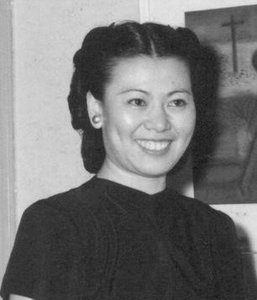
大久保 ミネ
1912 - 2001 , アメリカ合衆国
基本情報
- Artistic Movement Or Style: 社会写実主義
- Artists Or Movements Influenced By This Artist: ['公民権運動']
- Artists Who Influenced This Artist: ['ケーテ・コルヴィッツ']
- Date Of Birth: 1912年6月27日
- Date Of Death: 2001年2月10日
- Full Name: 大久保 ミネ
- Nationality: アメリカ
- Notable Artworks:
- Citizen 13660
- Interior of Mine and Toku
- Working at the Topaz Times
- Place Of Birth: アメリカ合衆国、リバーサイド
関連記事

Serenity on Canvas: A Guide to the Timeless Beauty of Japanese Landscape Painting
Discover the serene beauty of Japanese landscape painting. From Hokusai's iconic woodblock prints to meditative sumi-e ink washes, explore a visual journey through the 'floating world' and learn how to bring this timeless Zen aesthetic into your modern home decor.

葛飾北斎:25の傑作が語る浮世絵の世界 - ArtsDot
葛飾北斎の25選:『神奈川沖浪裏』や『富嶽三十六景』など、浮世絵の世界を深く探求。木版画の技法と日本美術の美をArtsDotで。高品質なアートプリントで空間に感動を。コレクションはこちら。

Floating World: The Captivating Art and Legacy of Japanese Ukiyo-e
Explore the profound beauty of Japanese Ukiyo-e. Discover the history, masters like Hokusai, and the enduring legacy of the 'Floating World' through an expert art-historical lens.
Léonard Foujita: A Poetic Synthesis of Japanese Sensibility & European Modernism
Discover the captivating world of Léonard Foujita, a master bridging Japanese aesthetics & European Modernism. Explore his signature style, diverse works, and enduring legacy – essential reading for discerning art collectors.
Utagawa Kuniyoshi: A Master of Japanese Ukiyo-e – Narrative Innovation & the Fusion of Tradition with Popular Culture
Explore the captivating world of Utagawa Kuniyoshi, a master of Japanese ukiyo-e woodblock prints. Discover his innovative warrior scenes, vibrant landscapes & lasting legacy in 19th-century art history.