

 プレビュー
プレビュー
 シェアする
シェアする シェアする
シェアする
 詳細を見る
詳細を見る

 ダウンロード
 似ている作品
 X線調査
X線調査 スライドショー
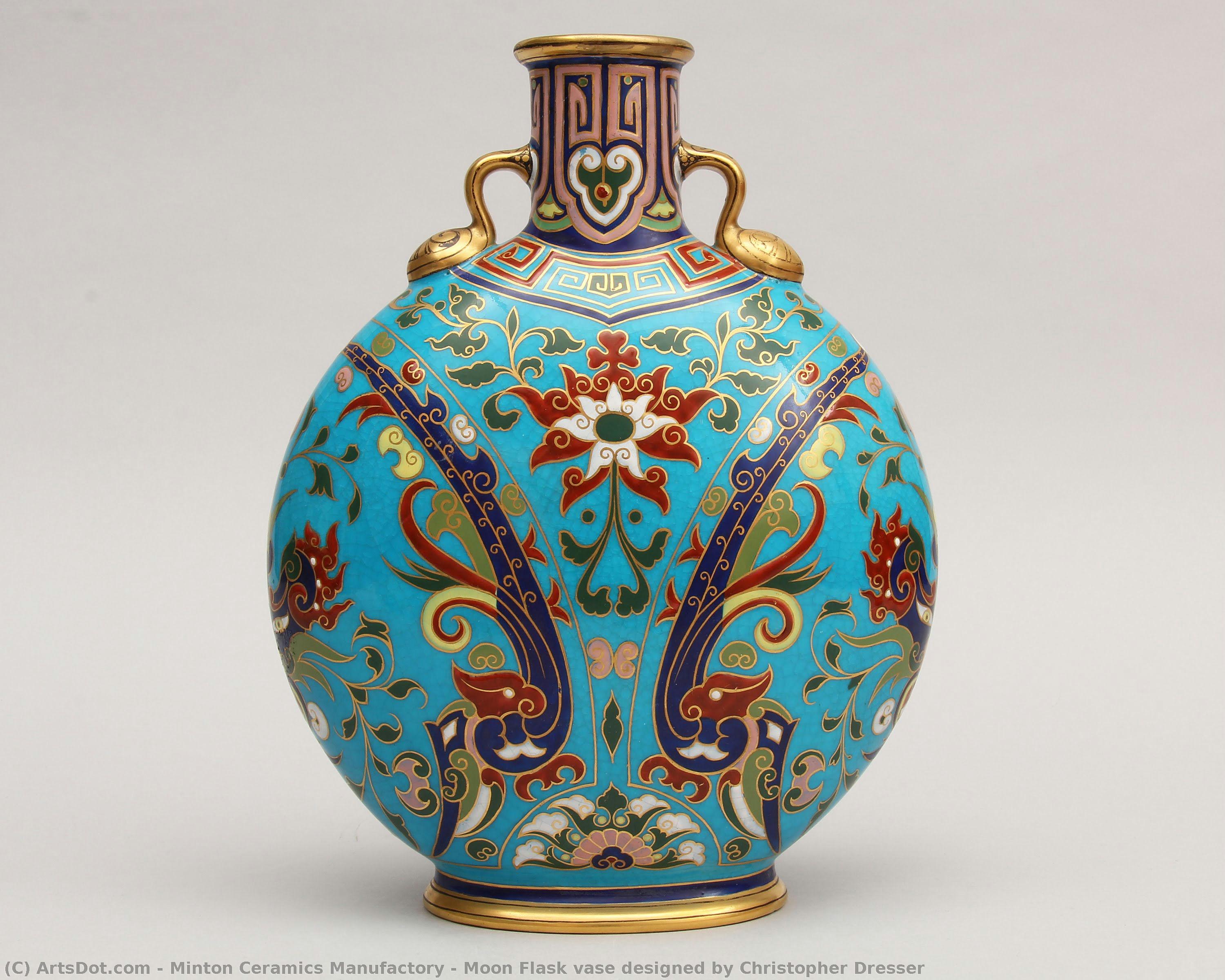
Moon Flask vase designed by Christopher Dresser
 1880
1880 26.0 x 21.0 cm
 Gardiner Museum of Ceramic Art
 詳細を見る
詳細を見る
ジークレー/アートプリント
迅速な制作と多彩な仕上げオプションを備えた、ミュージアムクオリティのジークレーまたはキャンバスプリント。 ( 手描きの絵画を購入 画像を購入)




































作品のオリジナル比率に合わせた、当店の規定サイズからお選びください。

特定のフレームやスペースに合わせて、ご自身でサイズを指定することも可能です。選択されたサイズが元の画像の比率と一致しない場合、作品をトリミングするか、鏡面反射または単色での塗りつぶしによって画像を拡張いたします。制作を開始する前に、ご確認用のデジタルモックアップをお送りいたします。
画面上のプレビューには、実際のトリミングや拡張は反映されませんのでご注意ください。最終的な構図を正確に確認できるのは、モックアップのみとなります。
カスタムサイズも承っておりますが、元の比率を維持するためには、あらかじめ用意されたリストからサイズを選択することをお勧めいたします。


 ガラスオプションは、110cm未満のサイズでのみご利用いただけます。

Moon Flask vase designed by Christopher Dresser
ジークレー/アートプリント
複製画のサイズ
-


合計金額
$ 62
関連作品









アーティストの略歴
A Legacy of Victorian Elegance: The Minton Ceramics Manufactory
The story of Minton Ceramics Manufactory is not merely the history of a pottery company, but a sweeping narrative of British industrial triumph and artistic refinement. Established in 1793 within the heart of Stoke-on-Trent, England, by the visionary Thomas Minton and Joseph Poulson, the manufactory emerged during a transformative era when the world was beginning to crave the sophisticated comforts of domestic elegance. From its humble beginnings focused on durable stoneware, Minton ascended with remarkable speed to become Europe’s preeminent ceramic factory, acting as a cultural beacon that dictated the aesthetic tastes of royalty, aristocracy, and the burgeoning middle class alike.
The true magic of Minton lay in its ability to marry the rugged strength of industrial innovation with the delicate grace of fine art. As the 19th century progressed, the factory became a crucible for creative experimentation. The mid-Victorian period, in particular, saw an explosion of artistry fueled by advancements in kiln technology and a profound fascination with classical antiquity. Designers such as William Marshall Fry breathed life into clay, drawing inspiration from Roman imperial grandeur to craft breathtaking vases and tableware. These pieces, often adorned with intricate garlands of laurel and evocative mythological figures, served as much more than functional objects; they were sculptural masterpieces that brought the splendor of the ancient world into the Victorian dining room.
Mastery of Form and Technical Innovation
What truly set Minton apart from its contemporaries was an unyielding commitment to technical pioneering. The manufactory did not merely follow trends; it defined them through the mastery of diverse and complex ceramic styles. Their repertoire was a testament to the versatility of clay, ranging from the vibrant, lustrous surfaces of majolica (glazed enamelware) to the tactile, sculptural depth of palissy ware. The company also achieved renown for its Della Robbia ware, a delicate slip-decorated terracotta that captured the soft, ethereal beauty of Renaissance aesthetics.
This spirit of innovation ensured that Minton remained at the vanguard of the decorative arts movement. As artistic sensibilities shifted away from the heavy ornamentation of the Victorian era toward the fluid, organic lines of Art Nouveau and the structured elegance of the Secessionist movements, Minton adapted with seamless grace. By collaborating with avant-garde designers like Christopher Dresser, the manufactory bridged the gap between traditional craftsmanship and modern industrial design, ensuring that their name remained synonymous with prestige across generations.
Historical Significance and Enduring Influence
The historical significance of Minton Ceramics Manufactory extends far beyond the borders of the United Kingdom. It represents a pivotal chapter in the history of the decorative arts, where the boundaries between utilitarian craft and high art were perpetually blurred. The factory's ability to produce everything from exquisite bone china to monumental architectural ceramics left an indelible mark on the global landscape of design.
Today, the legacy of Minton is preserved through the countless treasures found in museums and private collections worldwide. Their work remains a profound symbol of an era defined by:
- Artistic Ambition: The relentless pursuit of beauty through complex glazing and sculptural techniques.
- Industrial Excellence: The successful integration of mass production with high-level artistry.
- Cultural Impact: The shaping of international domestic aesthetics through the dissemination of neoclassical and modern styles.
minton ceramics manufactory
United Kingdom
基本情報
- Artistic Movement Or Style: Victorian Era Ceramics
- Artists Or Movements Influenced By This Artist: ['Arts and Crafts Movement']
- Artists Who Influenced This Artist: ['Wedgwood']
- Date Of Birth: Stoke-on-Trent, United Kingdom ()
- Date Of Death: Living
- Full Name: Thomas Minton & Joseph Poulson
- Nationality: British
- Notable Artworks:
- Sugar bowl,
- Westmoreland Dinner Service
- Place Of Birth: Stoke-on-Trent

