

 プレビュー
プレビュー
 シェアする
シェアする シェアする
シェアする
 詳細を見る
詳細を見る

 ダウンロード
 似ている作品
 X線調査
X線調査 スライドショー
 Stats
StatsDress\n\nDress


 詳細を見る
詳細を見る
手描き油彩複製画
当社のアーティストが、お客様のご希望のサイズと額縁に合わせて、キャンバスに手描きで制作する油彩画です。 ( Switch to Print Switch to Digital Image)




P118B $10

P118H $10

P118W $10

P438Z $10

P508JH $12

P508YH $12

P805H $10

P805Z $10

P919BZ $10

P919G $10

P919XJ $10

P959ZH $10

P968JZ $12

W106C $8

W218G $10

W218JH $8

W218Y $10

W307PJ $10

W316G $10

W316PJ $8

W316Y $10

W398PJ $8

W4111J $10

W500HY $15

W500JH $15

W692G $12

W849H $8

W940BG $15

W953PJ $8




作品のオリジナル比率に合わせた、当店の規定サイズからお選びください。

特定のフレームやスペースに合わせて、ご希望のサイズをご入力いただけます。選択されたサイズが元の画像の比率と異なる場合、アートワークをトリミングするか、手描きで要素を追加して絵画を拡張いたします。デジタルモックアップ を制作し、制作開始前にご確認(承認)をいただきます。
画面上のプレビューは、実際のトリミングや拡張を正確に反映しているものではありません。最終的な構図は、モックアップによってのみ正確にご確認いただけます。
カスタムサイズもご利用いただけますが、元の比率を維持するためには、あらかじめ用意されたリストからサイズを選択することをお勧めいたします。
ご注文後、ArtsDot.com チームより詳細な指示をお送りするとともに、仕上がりイメージ(モックアップ)をご提供いたします。


 ガラスオプションは、110cm未満のサイズでのみご利用いただけます。

Dress\n\nDress
複製技法
複製画のサイズ
-


合計金額
$ 263
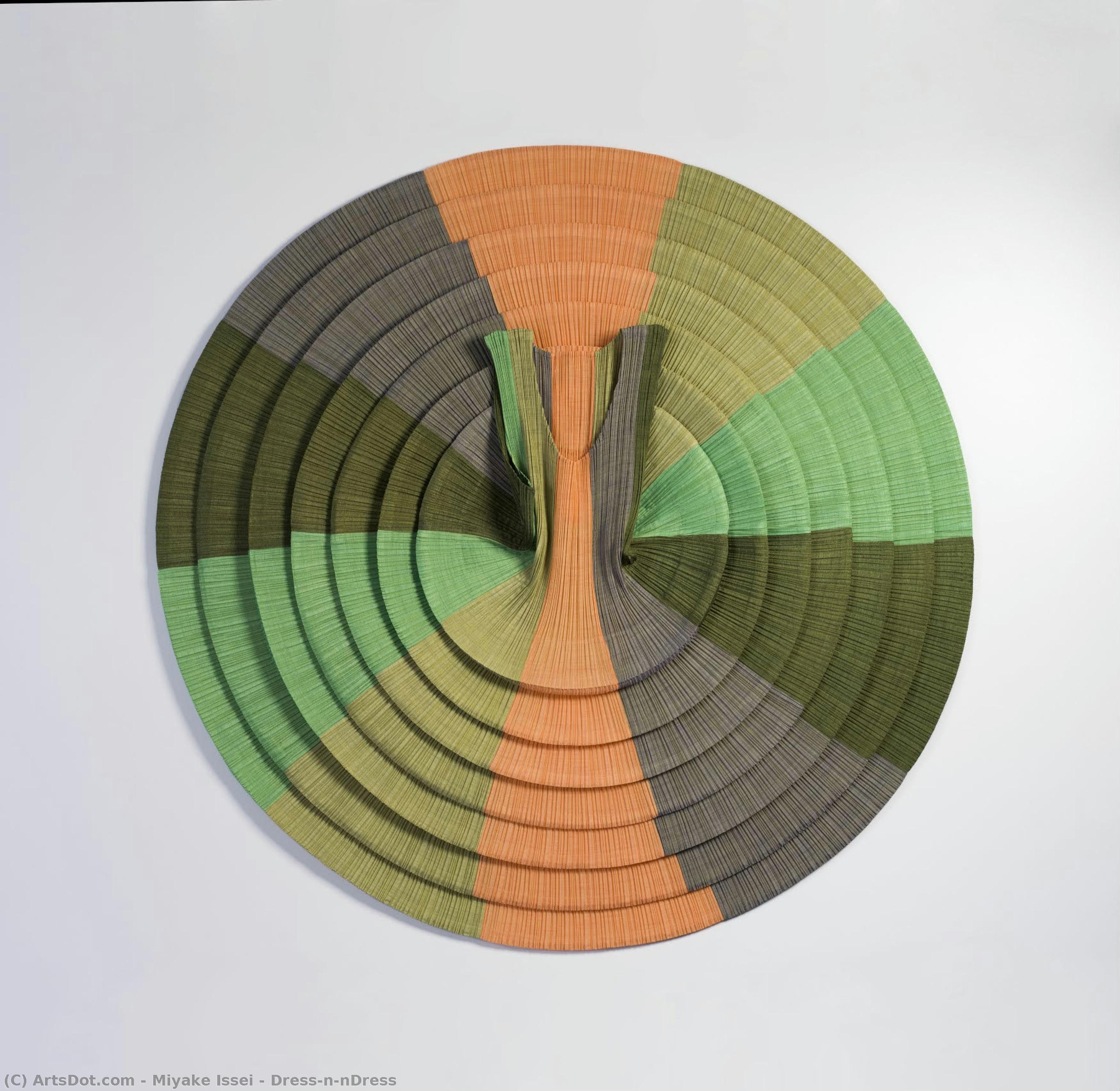
A Tapestry of Texture and Color: Exploring Issey Miyake’s “Dress”
Issey Miyake's "Dress," created in 1995, transcends mere visual representation; it embodies a profound dialogue between form, function, and artistic innovation. This striking woven basket isn’t simply an object of decorative interest—it’s a testament to Miyake’s pioneering approach to textile design and his unwavering fascination with the interplay of geometry and organic patterns. The artwork immediately captivates with its bold palette – vibrant oranges juxtaposed against serene greens, punctuated by splashes of yellow and blue – colors that resonate deeply within Japanese aesthetics and evoke feelings of tranquility and natural harmony.Technique and Material Innovation
Miyake’s genius lies in his masterful manipulation of pleated fabric technology. The basket's intricate weave isn’t achieved through conventional methods; instead, it utilizes a revolutionary folding technique developed by Miyake himself. This method involves meticulously creasing sheets of fabric to create folds that resemble petals or ripples—a deliberate reference to the natural world and mirroring the undulating forms found in landscapes like Hiroshima, Miyake’s birthplace. The resulting structure is remarkably stable yet incredibly flexible, demonstrating an astonishing fusion of engineering precision and artistic sensibility. It's a technique that elevates the basket beyond its utilitarian purpose, transforming it into a sculptural element imbued with dynamic visual energy.Historical Context: Minimalism and Japanese Influence
“Dress” emerged during a period marked by significant shifts in Western design sensibilities—the rise of minimalism and postmodernism—yet Miyake steadfastly championed his own distinctive vision rooted in Japanese traditions. He drew inspiration from origami, the art of paper folding, which emphasizes simplicity, precision, and transformation. This influence is palpable in the basket’s folded form, reflecting a broader cultural preoccupation with capturing beauty within constrained spaces and celebrating understated elegance. The piece speaks to a desire for objects that are both aesthetically pleasing and intellectually stimulating—a core principle of Miyake's design philosophy.Symbolism: Layers of Meaning
The basket’s layered construction carries symbolic weight. Each interwoven strand represents interconnectedness, mirroring the cyclical patterns observed in nature and reflecting Miyake’s belief in the importance of harmony between humans and their environment. The central tunnel-like hole serves as a visual metaphor for exploration and discovery—a subtle invitation to contemplate the beauty hidden within apparent simplicity. Furthermore, the inclusion of smaller baskets nestled within the larger one symbolizes growth and nurturing – an echo of Japanese cultural values centered on care and preservation.Emotional Impact: Tranquility and Organic Beauty
Ultimately, “Dress” evokes a profound sense of calm and contemplation. Its organic textures and harmonious colors soothe the eye and stimulate the imagination. It’s more than just a decorative item; it's an embodiment of Miyake’s artistic ethos—a celebration of natural forms, innovative technique, and enduring beauty. Reproductions of this artwork offer collectors and interior designers alike the opportunity to bring a piece of Japanese artistry into their homes, fostering a connection with nature and inspiring appreciation for understated elegance.関連作品
アーティストの略歴
世界を魅了した革新の詩、三宅一生
日本が誇る偉大なファッションデザイナー、三宅一生は、1938年4月22日、広島に生を受けました。テクノロジーと独創的な感性を融合させた彼の衣服は、単なる装いを超え、ファッション界に地殻変動をもたらすほどの衝撃を与えました。若き日の軌跡とキャリアの幕開け
三宅のデザイナーとしての情熱は、幼少期から芽生えていました。学業を終えた後、彼は東京へと渡り、日本人デザイナーであるギ・ラローシュのもとで研鑽を積みます。そして1960年、彼はパリへと舞台を移しました。そこで出会ったピエール・カルダンやクリスチャン・ディオールといった巨匠たちの作品は、彼のデザイン哲学に計り知れない影響を刻み込むこととなったのです。デザイン哲学と独自の美学
三宅のデザインを語る上で欠かせないのは、その究極のシンプルさと心地よさ、そして最先端技術の革新的な活用です。ブランドの象徴とも言えるプリーツ加工を施した衣服は、彼の代名りと呼ぶにふさわしいものです。大胆な色彩とパターンが織りなす彼の作品には、日本文化や伝統への深い敬愛が込められています。しかし、三宅のファッションの本質は、単に美しい服を創ることだけではありません。それは、人間の身体と衣服の間に存在する、ダイナミックな関係性を探求する旅でもあったのです。語り継がれる名作とコレクション
彼の足跡を示す傑作は数多く存在します。複雑なプリーツと折り重なる襞(ひだ)が織りなす「ドレス・ドレス」コレクションは、オーストラリア・シドニーのパワーハウス美術館でもその美しさを目にすることができます。また、アメリカ・ヒューストンのHCCファッションアーカイブに収蔵されている「ブラウンとブラックのストライプ柄ポリエステル・スカート・アンサンブル」も、彼の卓越した技術を物語る重要な作品です。栄誉と称賛
ファッション界への多大な貢献に対し、三宅は数々の権威ある賞に輝きました。1996年にはネイマン・マーカス賞を、1997年にはCFDA賞を受賞しています。彼の作品はニューヨークのメトロポリタン美術館をはじめ、世界各地の展覧会で高く評価されてきました。日本ファッション界への遺産
三宅一生が日本のファッションに与えた影響は、言葉では言い尽くせません。彼は次世代のデザイナーたちに対し、新たなテクノロジーを駆使し、革新的なアプローチでデザインに挑む勇気を与えました。さらに、サステナビリティと環境への責任に対する彼の真摯な姿勢は、現代のファッション産業における重要な指針となっています。- 三宅一生のデザインは、そのシンプルさと快適さ、そして革新的なテクノロジーの融合によって特徴づけられます。
- 彼のファッションへのアプローチは、単なる美の追求に留まらず、身体と衣服の関係性を深く探求するものでした。
- 日本のファッション界における三宅の影響力は極めて大きく、新たな技術と独創的な手法を模索するデザイナーたちのインスピレーションの源であり続けています。
三宅一生は2022年8月5日にこの世を去りましたが、そのレガシーは今もなお、世界中のクリエイターに光を与え続けています。彼の作品は、スウェーデン・ヨーテボリのレースカ美術館や、日本の京都国立博物館(京都コスチューム・インスティテュート)など、世界各地の美術館で大切に保管されています。三宅の作品に関するさらなる詳細は、ArtsDot.comをご覧ください。

三宅 一生
1938 - 2022 , 日本
関連記事
Geometric Design in Art: A Historical Survey & Contemporary Appeal for Collectors
Explore the enduring legacy of geometric abstraction! Discover key artists, historical movements & investment insights for discerning art collectors. Expert guidance from ArtsDot.
Beyond Form & Color: Geometric Abstraction's Evolution in 20th/21st Century Art
Explore the evolution of geometric abstraction from Cubism to contemporary art. Discover key artists like Malevich & Mondrian, investment insights, and expert collecting advice at ArtsDot.

幾何学的抽象絵画を定義した傑作10選|アート、アーティスト、インテリア装飾
モンドリアン、マレーヴィチ…幾何学的抽象絵画を代表する傑作10選。各作品の背景や色彩構成、アーティストの情熱に迫ります。美術館品質の複製画はArtsDot.comで。オンラインでアートコレクションをご覧ください。
Woven Wonders: A Beginner's Guide to Elevating Your New Home with Timeless Textile Art
Discover how to transform your new home with the warmth of textile art. Our expert guide for newlyweds explores handwoven tapestries, tactile fibers, and timeless ways to curate a soulful, sophisticated interior through beautiful woven wonders.
The Enduring Appeal of Geometric Patterns in Art: A Historical & Contemporary Exploration
Explore the captivating history of geometric abstraction in art, from ancient roots to contemporary masters. Expert insights for collectors & enthusiasts. Discover key artists, movements & investment potential.