

 プレビュー
プレビュー
 プリントを購入
 シェアする
シェアする シェアする
シェアする
 詳細を見る
詳細を見る

 ダウンロード
 似ている作品
 X線調査
X線調査 スライドショー
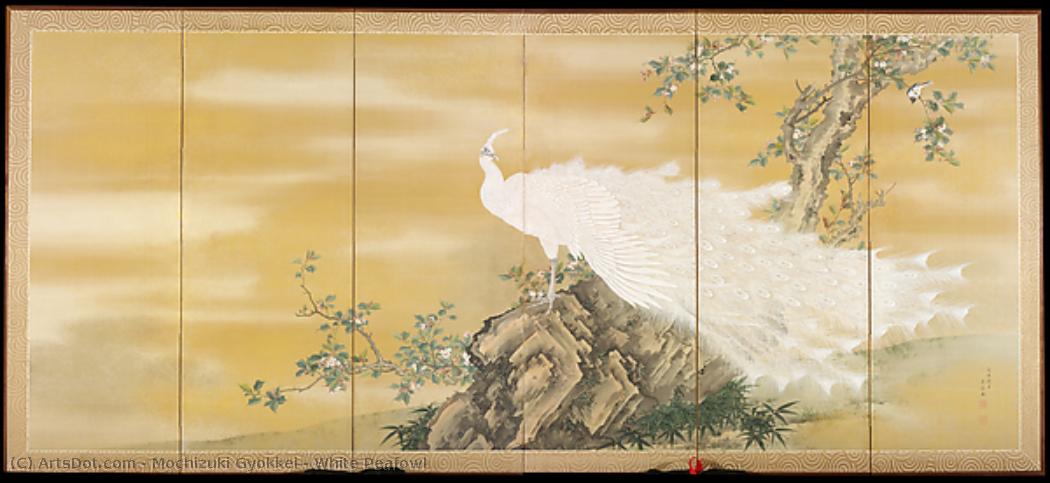
White Peafowl
 1908
1908 151.0 x 358.0 cm
 詳細を見る
詳細を見る




































作品のオリジナル比率に合わせた、当店の規定サイズからお選びください。

特定のフレームやスペースに合わせて、ご希望のサイズをご入力いただけます。選択されたサイズが元の画像の比率と異なる場合、アートワークをトリミングするか、手描きで要素を追加して絵画を拡張いたします。デジタルモックアップ を制作し、制作開始前にご確認(承認)をいただきます。
画面上のプレビューは、実際のトリミングや拡張を正確に反映しているものではありません。最終的な構図は、モックアップによってのみ正確にご確認いただけます。
カスタムサイズもご利用いただけますが、元の比率を維持するためには、あらかじめ用意されたリストからサイズを選択することをお勧めいたします。
ご注文後、ArtsDot.com チームより詳細な指示をお送りするとともに、仕上がりイメージ(モックアップ)をご提供いたします。


 ガラスオプションは、110cm未満のサイズでのみご利用いただけます。

White Peafowl
複製技法
複製画のサイズ
-


合計金額
$ 263
関連作品
アーティストの略歴
Mochizuki Gyokkei (1874–1938): A Master of Rinpa and Nihonga Harmony
Mochizuki Gyokkei was a Japanese artist born in Kyoto in 1874 and died in 1938. He stood as a pivotal figure within the Rinpa school, alongside his father Mochizuki Gyokusen (望月玉泉), marking the fourth generation of their esteemed family studio. This lineage traced its roots back to Gyokusen’s great-grandfather, Mochizuki Gyokusen (1692–1755), who established a unique artistic tradition that skillfully blended elements of Chinese painting—specifically the Kishi school—with innovative approaches gleaned from Western techniques. His formative years were steeped in rigorous training within this family style, honing his mastery of brushwork and establishing him as a descendant of a celebrated artistic lineage.- Early Life & Training: Gyokkei’s upbringing fostered an appreciation for art from childhood, shaping his lifelong dedication to mastering traditional Japanese painting methods.
- Influence of Rinpa School: He embraced the Rinpa school's core tenets—bold colors and gold leaf—creating intricate designs that celebrated beauty and conveying profound symbolic meanings.
- Engagement with Nihonga Style: Recognizing the evolving artistic landscape, Gyokkei skillfully integrated Western influences into his Nihonga practice, mirroring a broader movement aimed at harmonizing tradition and innovation.
Artistic Style & Technique
Gyokkei’s paintings were characterized by exceptional detail and luminous color palettes—a hallmark of Rinpa aesthetics. He skillfully employed mineral pigments alongside gold leaf, achieving textures that captivated the eye and conveying a sense of ethereal grandeur. Recurring motifs included birds and flowers, meticulously arranged in patterns reflecting Japanese artistic conventions and imbued with symbolic resonance. His approach mirrored the Bunjinga movement’s emphasis on individual expression and personal interpretation, prioritizing emotional depth over mere technical proficiency. Gyokkei's meticulous brushwork and masterful use of color solidified his reputation as a virtuoso within the Rinpa tradition.Notable Works & Recurring Themes
Among Gyokkei’s celebrated creations is “White Peafowl,” a stunning depiction capturing the bird’s majestic plumage against a backdrop of shimmering gold leaf—a technique emblematic of Rinpa's opulent visual language. This artwork exemplifies his ability to distill complex symbolism into visually arresting compositions, reflecting themes of nobility and transformation central to Japanese artistic thought. Furthermore, his “Kashima Arts” folding screens showcase his masterful command of perspective and spatial arrangement, presenting pine trees as symbols of longevity and resilience—a motif deeply rooted in East Asian iconography.Legacy & Recognition
Gyokkei’s influence extended beyond his immediate contemporaries, inspiring subsequent generations of artists who continued to honor his artistic heritage. His work resides prominently within museums such as the Forest Lawn Museum in Glendale, California, ensuring that his contributions to Japanese art endure for posterity. He served as a teacher and mentor, nurturing talent and fostering a vibrant artistic community dedicated to preserving the traditions of Rinpa and Nihonga—solidifying his place as one of Japan’s most revered painters.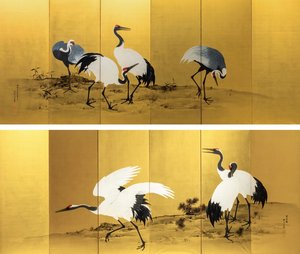
Mochizuki Gyokkei
1853 - 1928 , Japan
基本情報
- Artistic Movement Or Style: Rinpa & Nihonga
- Artists Or Movements Influenced By This Artist: ['Shen Nanping']
- Artists Who Influenced This Artist: ['']
- Date Of Birth: Kyoto, Japan (1853)
- Date Of Death: 1928
- Full Name: mochizuki gyokkei
- Nationality: Japanese
- Notable Artworks: ['White Peafowl']
- Place Of Birth: Kyoto

