

 プレビュー
プレビュー
 プリントを購入
 シェアする
シェアする シェアする
シェアする
 詳細を見る
詳細を見る

 ダウンロード
 似ている作品
 X線調査
X線調査 スライドショー
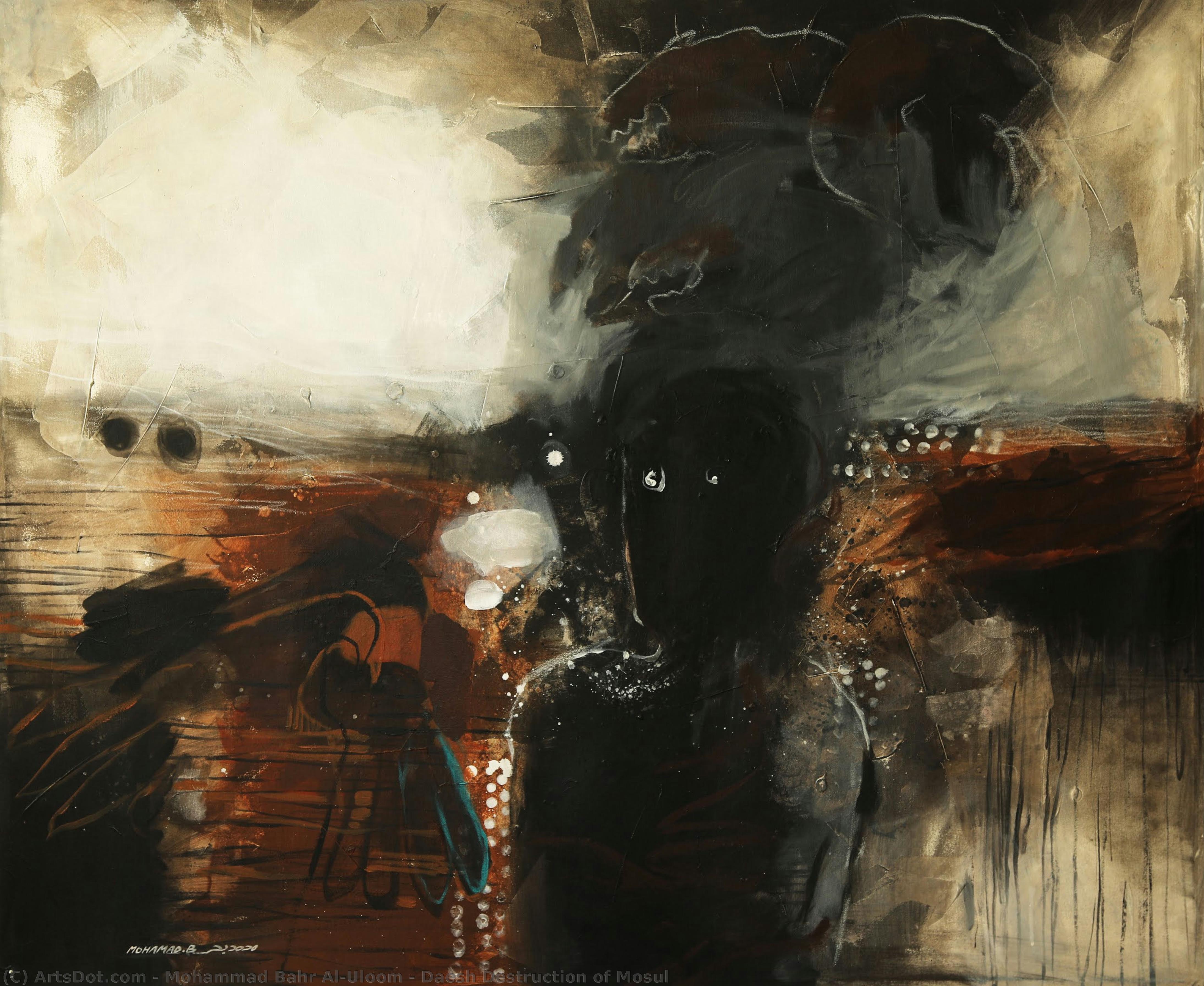
Daesh Destruction of Mosul


 詳細を見る
詳細を見る
オンラインプレビューをはるかに凌ぐ、高解像度で鮮明なデジタル画像をご購入いただけます。
各ファイルは、社内の専門家が高度なツールと熟練した手作業によるレタッチを用いて、細心の注意を払って準備されています。すべての画像において、卓越した鮮明度、正確な色彩再現性、そして繊細なディテールを保証いたします。
最終ファイルは、プロフェッショナルな編集・印刷環境ですぐにご利用いただけるよう最適化された状態で、72時間以内にメールにてお届けいたします。これは、一流のデザインスタジオ、出版社、ギャラリーから信頼されているものと同等の品質です。
デジタル画像のご注文に付随する特典
高品質なデジタル画像配信を、確かな品質で。
ArtsDot.com を選ぶことは、単に画像を手に入れることではありません。それは、プロの手によって精密に仕上げられ、満足保証が付いた高品質なデジタルアートワークを受け取ることを意味します。ご注文いただいた際に自動的に付随する内容は、以下の通りです:

メールですぐにお届け
ご注文から72時間以内に、高解像度のデジタル画像ファイルがメールでお手元に届きます。すぐにそのままご利用いただけます。

AI技術で最適化されたデジタルファイル
お客様の作品は、高度なAIツールと専門家による手作業の編集を組み合わせてプロフェッショナルに最適化されており、細部のディテール、鮮明さ、そして正確な色再現性を最大限に引き出しています。

一生涯無料の再送サービス
ファイルを誤って削除したり、紛失してしまったりしましたか?ご安心ください。いつでも無料で再送いたします。

輸入手数料は一切かかりません
関税や手数料、配送料を気にすることなく、お気に入りのアートワークをすぐにお楽しみいただけます。デジタルダウンロードは常に免税です。

色彩再現の保証
プロ仕様のツールとカラーマネジメント技術を用いることで、デジタル画像が元の色を最大限に忠実に再現することを保証いたします。

60日間満足保証
ご購入いただいたデジタル画像にご満足いただけない場合は、60日以内であれば、修正または100%の返金(理由を問う必要はありません)をさせていただきます。

100% 返金保証
ご満足いただけない場合は、デジタルファイルを受け取ってから60日以内であれば、理由を問わず全額返金いたします。

まとめ買い割引
3枚購入で10%OFF - 5枚購入で15%OFF - 10枚以上購入で20%OFF。クリエイティブなプロジェクト、ギャラリー、エージェンシーに最適です。
関連作品




作家の略歴
A Life Forged in Faith and Conflict: The Art of Muhammad Bahr al-Ulloom
Ayatollah Sayyid Muhammad Bahr al-Uloom, born in the sacred city of Najaf, Iraq, in 1927, was a figure whose life transcended the boundaries of religious scholarship to become deeply interwoven with the tumultuous political landscape of his nation. His journey from a respected cleric steeped in tradition to a pivotal leader navigating post-Saddam Iraq is a testament to resilience and unwavering commitment. Born into a family with deep roots in Iraqi society since 1921, he received a rigorous education within the esteemed Najaf seminary, absorbing not only religious doctrine but also a profound sense of social responsibility. This foundation would prove crucial as he later confronted decades of oppression under Saddam Hussein’s regime. By 1992, recognizing the dangers within Iraq, al-Uloom relocated to London, becoming a vocal opponent of the dictatorship and a central figure in the Iraqi Shi'a community abroad. He established the AhlulBayt Centre in South London, providing a space for religious practice and political discourse amongst exiles yearning for a free homeland. His years in exile were not merely passive opposition; he actively participated in efforts to build a unified front against Saddam Hussein, notably becoming one of three men appointed to a presidential council by the Iraqi National Congress in 1992 during a gathering within the southern air exclusion zone.From Seminary to Statesman: A Role in Rebuilding Iraq
The fall of Saddam Hussein in 2003 marked a turning point in al-Uloom’s life. He returned to Iraq, appointed as a member of the interim governing council established by the United States-led coalition. This appointment was not without its complexities; he entered a fragile and deeply divided nation grappling with the aftermath of war and the challenges of establishing a new political order. As the first president of the nine-member rotating presidency in July 2003, al-Uloom sought to consolidate legitimacy amidst widespread insecurity. He understood that true governance required not only political structures but also a sense of national unity—a daunting task given the sectarian tensions simmering beneath the surface. His commitment to inclusivity was evident in his efforts to rotate leadership among different ethnic and religious groups within the council, aiming for broad representation. However, the escalating violence and perceived inability of the council to maintain law and order led him to voluntarily suspend his participation in August 2003, a decision born from deep concern for the future of Iraq. He later returned, serving as president again in March 2004, continuing to advocate for stability and legal frameworks despite the ongoing turmoil.The Art as Witness: Depicting Conflict and Faith
While primarily known as a political figure, Muhammad Bahr al-Uloom’s artistic endeavors offer a poignant window into his soul and his profound connection to the suffering of his people. His paintings are not merely aesthetic creations; they are powerful visual testimonies to the ravages of conflict and the enduring strength of faith. The artwork “Daesh Destruction of Mosul” stands as a particularly striking example, capturing the brutal reality of ISIS’s reign of terror and the deliberate destruction of cultural heritage. The imagery is stark and emotionally charged, conveying a sense of loss and outrage. It's not simply a depiction of ruins; it’s an elegy for a shattered civilization and a warning against extremism. His style often blends traditional Islamic artistic motifs with modern techniques, creating a unique visual language that resonates deeply with both religious audiences and those seeking to understand the complexities of the Middle East.Influences and Artistic Development
Al-Uloom’s artistic development was undoubtedly shaped by his upbringing in Najaf, a city steeped in centuries of Islamic art and scholarship. The intricate calligraphy, vibrant colors, and symbolic imagery found in traditional Persian miniatures and Ottoman manuscripts likely served as early influences. However, his work also reflects the turbulent realities of 20th and 21st-century Iraq, incorporating elements of social realism and expressionism to convey the emotional weight of political events. His paintings often feature scenes of religious devotion juxtaposed with images of war and destruction, highlighting the enduring power of faith in the face of adversity. He wasn’t formally trained as an artist; his work emerged from a deep-seated need to bear witness to the suffering around him and to express his hopes for a more just and peaceful future. The influence of his political activism is also palpable—his art can be seen as a form of resistance, challenging oppressive regimes and advocating for human rights.Legacy: A Bridge Between Tradition and Modernity
Ayatollah Sayyid Muhammad Bahr al-Uloom passed away in 2015, leaving behind a complex legacy as both a religious leader and a political figure. His brief but impactful tenure on the Iraqi Governing Council demonstrated his commitment to inclusivity and national sovereignty during a critical period of transition. His artistic work, though perhaps less widely known than his political achievements, offers a powerful testament to his humanity and his unwavering belief in the importance of faith, justice, and peace. He exemplified the integration of traditional Shi'a clerical influence into modern Iraqi politics, bridging religious authority with efforts to stabilize the country through inclusive representation. His son, Ibrahim Mohammad Bahr al-Uloom, continued this legacy by serving as Iraq’s Oil Minister on multiple occasions, while another son, Muhammad-Husayn, represented Iraq as Ambassador to the United Nations. Ultimately, Muhammad Bahr al-Uloom's life serves as a reminder that true leadership requires not only political acumen but also compassion, courage, and a deep understanding of the human condition—qualities vividly expressed in his art and indelibly etched into the history of Iraq.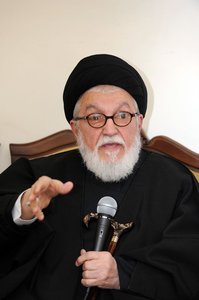
mohammad bahr al-uloom
1927 - 2015

