

 プレビュー
プレビュー
 シェアする
シェアする シェアする
シェアする
 詳細を見る
詳細を見る

 ダウンロード
 似ている作品
 X線調査
X線調査 スライドショー
 Stats
StatsUntitled


 詳細を見る
詳細を見る
手描き油彩複製画
当社のアーティストが、お客様のご希望のサイズと額縁に合わせて、キャンバスに手描きで制作する油彩画です。 ( Switch to Print Switch to Digital Image)




































作品のオリジナル比率に合わせた、当店の規定サイズからお選びください。

特定のフレームやスペースに合わせて、ご希望のサイズをご入力いただけます。選択されたサイズが元の画像の比率と異なる場合、アートワークをトリミングするか、手描きで要素を追加して絵画を拡張いたします。デジタルモックアップ を制作し、制作開始前にご確認(承認)をいただきます。
画面上のプレビューは、実際のトリミングや拡張を正確に反映しているものではありません。最終的な構図は、モックアップによってのみ正確にご確認いただけます。
カスタムサイズもご利用いただけますが、元の比率を維持するためには、あらかじめ用意されたリストからサイズを選択することをお勧めいたします。
ご注文後、ArtsDot.com チームより詳細な指示をお送りするとともに、仕上がりイメージ(モックアップ)をご提供いたします。


 ガラスオプションは、110cm未満のサイズでのみご利用いただけます。

Untitled
複製技法
複製画のサイズ
-


合計金額
$ 263
A Vision of Fragmented Identity
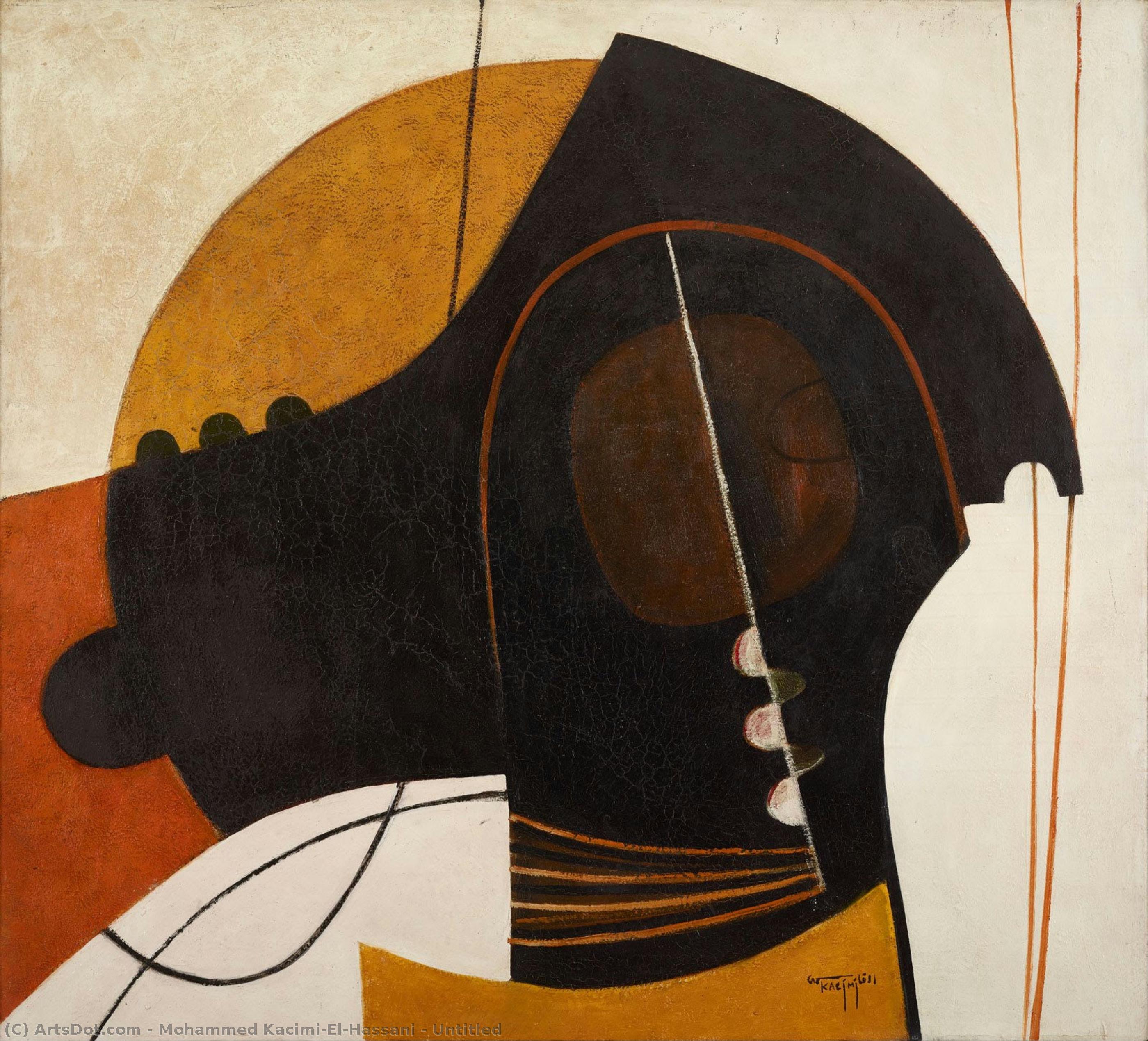
In the mesmerizing expanse of Mohammed Kacimi-el-Hassani’s Untitled, the viewer is immediately plunged into a vibrant, psychological landscape where the boundaries between self and other begin to dissolve. Set against a luminous, sun-drenched yellow background that radiates with an almost feverish energy, the composition centers on a primary face that appears caught in a state of metamorphosis. This central figure is not a static portrait but a fluid, distorted entity, suggesting the instability of memory and the fractured nature of modern existence. The artist utilizes abstraction to peel back the layers of the human psyche, inviting us to look beyond the surface of the skin and into the swirling currents of thought and emotion that define our very being.
The painting’s brilliance lies in its rhythmic complexity, achieved through a masterful interplay of geometric and organic forms. Scattered across the canvas are several circular motifs that act as celestial or ocular anchors, drawing the eye through the composition like orbits around a central sun. These circles provide a structural counterpoint to the more chaotic, distorted features of the faces, creating a visual tension that is both unsettling and deeply captivating. As one explores the periphery, two smaller, secondary faces emerge—ghostly presences on the left and right that suggest a multiplicity of consciousness. This technique of layering faces creates a sense of depth that is not merely spatial but temporal, as if we are witnessing different versions of a single soul existing simultaneously across time.
The Poetics of Exile and Presence
To understand the profound emotional weight of this piece, one must consider the biographical echoes of Kacimi-el-Hassani’s own journey. Born in Algeria and later finding a new life in Paris, his work is deeply informed by the themes of exile, displacement, and the search for identity within a fractured world. In Untitled, this struggle is rendered through a technique that blends the bold, expressive strokes of contemporary abstraction with a contemplative, almost spiritual sensitivity. The vibrant yellow palette does not merely serve as a backdrop; it acts as a medium of light and heat, perhaps symbolizing the searing intensity of memory or the blinding clarity found in moments of profound realization.
For the discerning collector or interior designer, this artwork offers much more than mere decoration; it serves as a profound focal point for any sophisticated space. The painting’s ability to command attention through its bold color and enigmatic subject matter makes it an ideal centerpiece for a gallery-style living room or a curated study. It possesses a rare quality of being both intellectually stimulating and aesthetically harmonious, capable of sparking conversation and deep reflection. Owning a reproduction of such a significant work allows one to bring the complex, beautiful dialogue between Algerian heritage and French modernism into their own environment, fostering an atmosphere of cultural depth and artistic intrigue.
関連作品
アーティストの略歴
Mohamed Kacimi-el-Hassani: A Voice of Exile and Identity
Born in El Hamel, Algeria, in 1955, Mohamed Kacimi-el-Hassani’s artistic journey is inextricably linked to his personal experiences – a blend of familial tradition as a theologian, military service, and ultimately, the profound displacement of exile. His early life within a deeply religious household instilled a sensitivity to human emotion and a contemplative approach to observation, qualities that would later profoundly shape his distinctive visual language. This formative period laid the groundwork for an exploration of complex themes: the weight of history, the struggle for identity in a fractured world, and the enduring impact of violence – subjects he tackles with unflinching honesty and remarkable poetic power.
Kacimi’s relocation to Paris in 1982 marked a pivotal shift. This move wasn't merely geographical; it represented a deliberate severance from his Algerian roots, an experience that became the central thread woven throughout much of his work. The city itself – its vibrant energy, its layers of history, and its diverse population – served as both a catalyst for artistic growth and a constant reminder of his own outsider status. This duality—the Algerian within the Parisian—is palpable in his paintings, creating a tension between familiarity and estrangement that resonates deeply with viewers.
A Unique Artistic Synthesis
Kacimi’s artistic style is immediately recognizable for its potent synthesis of influences. Rooted firmly in Algerian tradition, particularly the rich visual vocabulary of Berber art and the expressive dynamism of traditional Islamic calligraphy, his work simultaneously embraces a distinctly French sensibility. This fusion manifests itself through a bold use of color – often saturated hues that evoke both the harshness of the desert landscape and the luminosity of Parisian light – and assertive brushstrokes that convey a sense of restless energy. His compositions are frequently crowded with figures, creating an almost claustrophobic atmosphere that mirrors the psychological intensity of his subjects.
He masterfully employs texture, layering paint to build up surfaces that seem both solid and ephemeral. Faces, often rendered in profile and partially obscured, become symbols of anonymity and vulnerability – a recurring motif reflecting the experience of exile and displacement. Kacimi’s technique isn't about precise representation; rather, it’s a visceral expression of feeling, prioritizing emotional impact over photographic accuracy.
Themes of Exile, Violence, and Identity
The core of Kacimi’s artistic output revolves around the exploration of profound human experiences. The theme of exile is not merely biographical but existential – representing a severance from one's past, a loss of belonging, and a struggle to forge a new identity in an unfamiliar environment. His paintings frequently depict solitary figures, often rendered in shadow or muted tones, conveying a sense of isolation and longing. Violence, both personal and societal, is another recurring element, not depicted graphically but rather through the underlying tension and psychological scars it leaves behind.
However, Kacimi’s work isn't solely defined by darkness and despair. There’s an undercurrent of resilience, a quiet dignity in his subjects that suggests a capacity for hope and renewal. He consistently grapples with questions of identity – what does it mean to be Algerian in the diaspora? How do we reconcile our past with our present? And how do we find meaning in a world marked by conflict and uncertainty?
Notable Works and Recognition
Kacimi’s literary debut, *Le Mouchoir* (The Handkerchief), published in 1987, established him as a significant voice in contemporary Algerian literature. This novel, exploring themes of betrayal and loss, quickly garnered critical acclaim and cemented his reputation as a writer unafraid to confront difficult subjects. Since then, he has continued to produce a diverse body of work encompassing novels, plays, poems, and essays.
His paintings have been exhibited widely, including at the Museo Reading Museum - Town Hall in Reading, United Kingdom, and featured in exhibitions such as “Kacimi – Mucem” at the Musée d’art contemporain de Montréal (MAC) in 2018. The work "L" (1996), a dynamic Expressionist piece depicting a crowded scene, exemplifies his signature style—a potent blend of color, texture, and emotional intensity. His influence extends beyond Algeria and France, reaching audiences across the globe who are drawn to the raw honesty and profound humanity of his art.
Legacy and Continuing Relevance
Mohamed Kacimi-el-Hassani’s work remains remarkably relevant in the 21st century. His exploration of themes such as exile, identity, and violence continues to resonate with contemporary audiences grappling with similar challenges. He is a powerful reminder of the enduring impact of historical trauma and the importance of confronting difficult truths about ourselves and our world. His art serves not only as a reflection of his own experiences but also as a universal testament to the human condition.
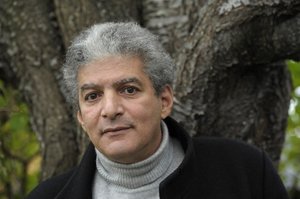
mohammed kacimi-el-hassani
1955 - , Algeria
基本情報
- Artistic Movement Or Style: Blend Algerian/French
- Date Of Birth: 1955
- Full Name: Mohamed Kacimi-el-Hassani
- Nationality: Algerian
- Notable Artworks:
- Le Mouchoir
- L
- Place Of Birth: El Hamel, Algeria
関連記事

Kandinsky's Masterpieces: 25 Paintings That Define Abstract Art | ArtsDot
Journey through Wassily Kandinsky's 25 most iconic abstract paintings. Explore his revolutionary use of color, form & spiritual expressionism. Find museum-quality Kandinsky reproductions and elevate your home decor with ArtsDot.com. Discover all masterpieces on ArtsDot.com!

幾何学的抽象絵画を定義した傑作10選|アート、アーティスト、インテリア装飾
モンドリアン、マレーヴィチ…幾何学的抽象絵画を代表する傑作10選。各作品の背景や色彩構成、アーティストの情熱に迫ります。美術館品質の複製画はArtsDot.comで。オンラインでアートコレクションをご覧ください。
Beyond Form & Color: Geometric Abstraction's Enduring Legacy in Art History
Explore the captivating world of geometric abstraction! Discover its origins, key artists like Malevich & Mondrian, and why this movement remains highly valued by art collectors today. Expert insights at ArtsDot.
Beyond Form & Color: Geometric Abstraction's Evolution in 20th/21st Century Art
Explore the evolution of geometric abstraction from Cubism to contemporary art. Discover key artists like Malevich & Mondrian, investment insights, and expert collecting advice at ArtsDot.
Beyond Form: Exploring the Philosophical Foundations of Geometric Abstraction
Explore the philosophical roots & artistic evolution of geometric abstraction with ArtsDot. Discover Mondrian, Malevich, De Stijl & more. Expert insights for collectors and art enthusiasts.