

 プレビュー
プレビュー
 シェアする
シェアする シェアする
シェアする
 詳細を見る
詳細を見る

 ダウンロード
 似ている作品
 X線調査
X線調査 スライドショー
 Stats
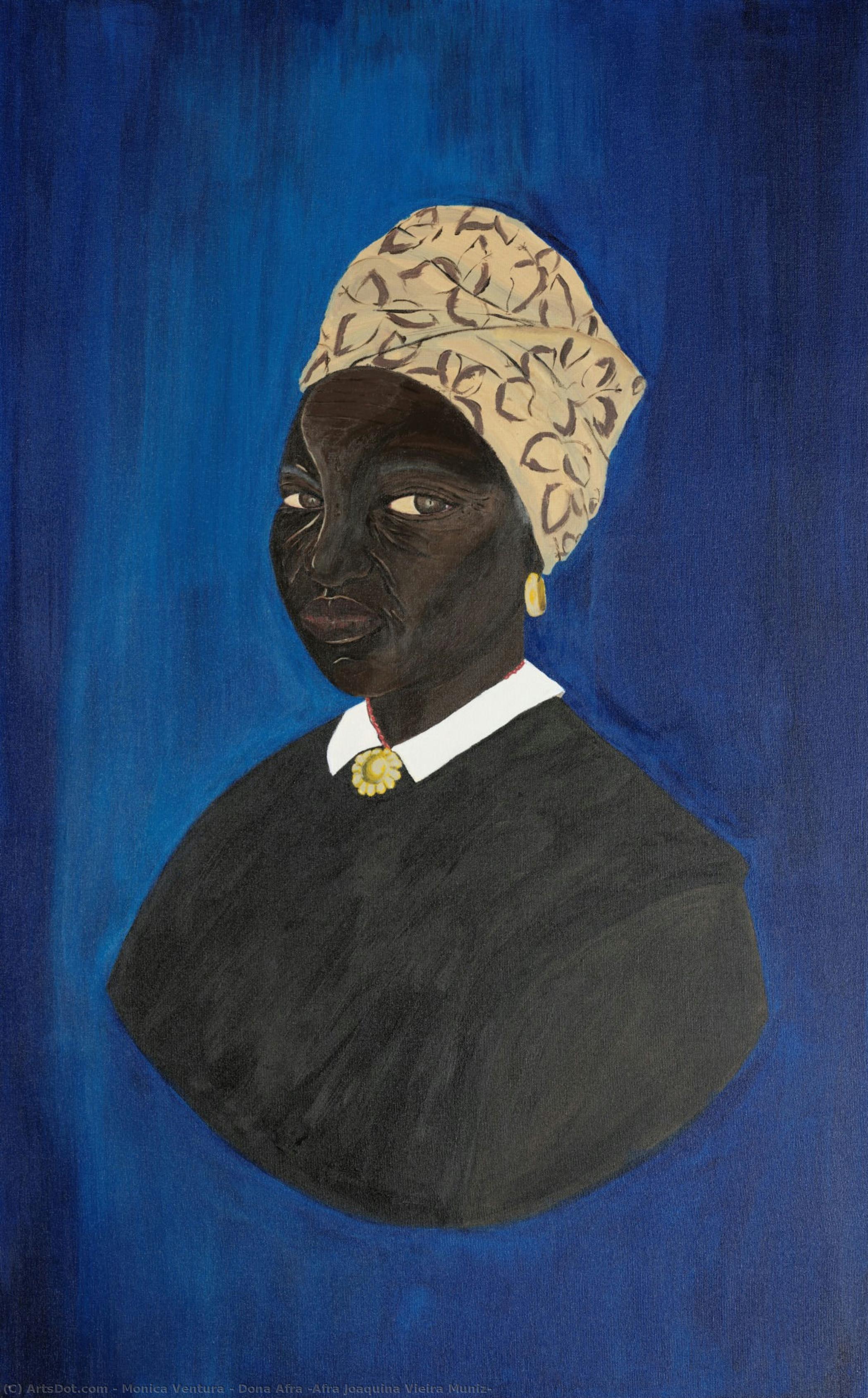
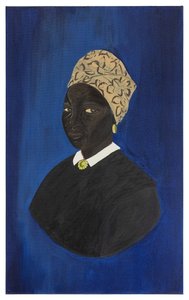
StatsDona Afra (Afra Joaquina Vieira Muniz)
 Acrylic On Canvas
- WallArt
- Contemporary Realism
 2020
2020- Contemporary
 5.0 x 2.0 cm
 Pinacoteca do Estado de São Paulo
 詳細を見る
詳細を見る
オンラインプレビューをはるかに凌ぐ、高解像度で鮮明なデジタル画像をご購入いただけます。
各ファイルは、社内の専門家が高度なツールと熟練した手作業によるレタッチを用いて、細心の注意を払って準備されています。すべての画像において、卓越した鮮明度、正確な色彩再現性、そして繊細なディテールを保証いたします。
最終ファイルは、プロフェッショナルな編集・印刷環境ですぐにご利用いただけるよう最適化された状態で、72時間以内にメールにてお届けいたします。これは、一流のデザインスタジオ、出版社、ギャラリーから信頼されているものと同等の品質です。
デジタルアート
個人での鑑賞、印刷、クリエイティブなプロジェクト用に、高解像度ファイルをダウンロードできます。 ( Switch to Print 手描きの絵画を購入)
デジタル画像のご注文に付随する特典
高品質なデジタル画像配信を、確かな品質で。
ArtsDot.com を選ぶことは、単に画像を手に入れることではありません。それは、プロの手によって精密に仕上げられ、満足保証が付いた高品質なデジタルアートワークを受け取ることを意味します。ご注文いただいた際に自動的に付随する内容は、以下の通りです:

メールですぐにお届け
ご注文から72時間以内に、高解像度のデジタル画像ファイルがメールでお手元に届きます。すぐにそのままご利用いただけます。

AI技術で最適化されたデジタルファイル
お客様の作品は、高度なAIツールと専門家による手作業の編集を組み合わせてプロフェッショナルに最適化されており、細部のディテール、鮮明さ、そして正確な色再現性を最大限に引き出しています。

一生涯無料の再送サービス
ファイルを誤って削除したり、紛失してしまったりしましたか?ご安心ください。いつでも無料で再送いたします。

輸入手数料は一切かかりません
関税や手数料、配送料を気にすることなく、お気に入りのアートワークをすぐにお楽しみいただけます。デジタルダウンロードは常に免税です。

色彩再現の保証
プロ仕様のツールとカラーマネジメント技術を用いることで、デジタル画像が元の色を最大限に忠実に再現することを保証いたします。

100日間満足保証
ご購入いただいたデジタル画像にご満足いただけない場合は、100日以内であれば、理由を問わず修正または100%の返金対応をさせていただきます。

100% 返金保証
ご満足いただけない場合は、デジタルファイルを受け取ってから100日以内であれば、理由を問わず全額返金いたします。

まとめ買い割引
3枚購入で10%OFF - 5枚購入で15%OFF - 10枚以上購入で20%OFF。クリエイティブなプロジェクト、ギャラリー、エージェンシーに最適です。
A Glimpse into History: The Soul of Dona Afra
In the intimate dimensions of a mere five by two centimeters, Monica Ventura achieves a monumental feat of storytelling through her poignant work, "Dona Afra (Afra Joaquina Vieira Muniz)." This miniature masterpiece serves as a profound window into the complex social fabric of 19th-century Brazil. The subject, Afra Joaquina, was a woman whose life was defined by both the struggle for autonomy and the intricate legacies of manumission. Through a direct, piercing gaze that meets the viewer with unwavering strength, Ventura captures not just a portrait, but the very essence of a woman navigating the shadows of a post-slavery era. The painting invites us to contemplate the heavy weight of history, where the lines between freedom and servitude were often blurred by legal battles and familial legacies.
The technique employed by Ventura utilizes the vibrant yet controlled medium of acrylic on canvas to create a striking sense of presence. Despite its diminutive scale, the work possesses an incredible depth of character. The artist uses light and shadow to define the contours of Afra’s face, emphasizing the dignity inherent in her expression. Her dark skin is rendered with a richness that speaks to the vitality of her spirit, while the traditional head wrap adds a layer of cultural identity and ancestral connection. This meticulous application of paint allows the viewer to feel the texture of the fabric and the warmth of the subject's humanity, making the small canvas feel as expansive as the history it represents.
For collectors and lovers of fine art, this piece offers more than mere decoration; it offers a conversation. The symbolism within the portrait—the direct eye contact, the traditional attire, and the stark simplicity of the composition—all point toward a reclamation of identity. In an era of modern interior design where meaningful, narrative-driven art is highly sought after, "Dona Afra" stands as a powerful choice for those looking to infuse their spaces with historical gravity and emotional resonance. It is a work that demands attention, reminding us that even the smallest fragments of art can carry the profound echoes of an entire civilization's struggle and triumph.
関連作品







作家の略歴
The Echoes of '85: A Portrait of a Rising Star
Born in 1985, an artist whose name remains largely unheralded outside specialized circles, nevertheless embodies the spirit and stylistic shifts of a pivotal decade. While not formally categorized within established movements – there’s no readily available “Other Names” to define him – his work resonates with a potent blend of Neo-expressionism's raw emotion and a subtle undercurrent of 1980s urban grit, reflecting a generation grappling with rapid change and burgeoning artistic experimentation. His journey began amidst the sonic landscape of '85, a year saturated with iconic music releases like Mitch Allan’s “1985 (SR-71 song),” a track that captured the era's anxieties and aspirations – a thematic echo found in his own visual explorations.
Early influences are difficult to pinpoint with absolute certainty, though whispers suggest a deep appreciation for the gritty realism of early 80s New York art, alongside a fascination with the burgeoning digital art scene. The influence of Charles Saatchi’s gallery opening in 1985, which ignited intense interest in Neo-expressionism, is undeniable; his work shares a similar willingness to embrace subjective experience and emotional intensity, foregoing traditional representational techniques for a more immediate, visceral impact. The dispute surrounding Constantin Brâncuși's “The Muse,” resolved with the Guggenheim Museum paying $2 million – a record at the time – speaks volumes about the era’s appetite for bold acquisitions and its willingness to champion challenging artistic voices.
A Decade of Transformation: 1985 in Art
1985 was a year of significant shifts within the art world. The rise of Neo-expressionism, fueled by exhibitions like Germano Celant’s “Arte Povekira,” challenged established norms and ushered in an era of subjective expression and emotional intensity. The events surrounding Andrew Crispo and the Solomon R. Guggenheim Museum's acquisition of Brâncuși’s sculpture underscored a growing interest in both historical significance and contemporary relevance within the art market. The year also witnessed pivotal awards, including Guy Warren’s *Flugelman with Wingman* winning the Archibald Prize, highlighting the emergence of new talent and pushing artistic boundaries.
Beyond these headline events, 1985 saw a diverse range of works emerging – from Mai Dantsig's evocative “And the Saved World Remembers” to Christo and Jeanne Claude’s monumental "The Pont Neuf Wrapped" in Paris. These projects, along with Odd Nerdrum’s explorations of melancholic beauty, demonstrated a willingness to experiment with scale, material, and conceptual approaches. The inclusion of works by artists like Yankee Champion and Robby Denny further illustrates the breadth of artistic activity during this period, reflecting a vibrant and dynamic creative landscape.
The Language of Form: Style and Technique
While difficult to define within rigid categories, the artist’s style is characterized by a layered approach. He frequently employs bold brushstrokes and saturated colors, reminiscent of Neo-expressionism, yet tempered with a subtle restraint that prevents his work from becoming overly sentimental or histrionic. There's an evident interest in texture – often achieved through impasto techniques – creating a tactile quality that invites the viewer to engage physically with the artwork. His compositions are rarely static; instead, they possess a dynamic energy, suggesting movement and emotional flux.
His use of color is particularly noteworthy. He doesn’t shy away from intense hues, but he masterfully balances them with subtle gradations and tonal shifts, creating depth and complexity within his paintings. The influence of artists like David Bowie – known for his theatricality and exploration of identity – can be detected in the artist's willingness to embrace ambiguity and challenge conventional notions of representation. The echoes of 1985 are not merely stylistic; they’re embedded within the very fabric of his artistic process, informing his approach to subject matter and composition.
Legacy and Significance
Though often operating outside the mainstream spotlight, this artist's work represents a crucial bridge between traditional painting techniques and contemporary sensibilities. His exploration of emotional intensity, coupled with a willingness to experiment with form and color, aligns him with the broader artistic currents of the 1980s – a decade marked by both upheaval and innovation. His continued practice speaks to an enduring commitment to pushing boundaries and exploring the complexities of human experience. As an artist born in 1985, he carries within him the spirit of that era—a potent blend of nostalgia, ambition, and artistic restlessness.
monica ventura
1985 - , Brazil
プロフィール概要
- Artistic Movement Or Style: Neo-expressionism
- Date Of Birth: 1985
- Date Of Death: Living
- Place Of Birth: WahooArt