

 シェアする
シェアする シェアする
シェアする
 詳細を見る
詳細を見る

 ダウンロード
 似ている作品
 スライドショー
 統計情報
統計情報Untitled


 詳細を見る
詳細を見る
手描き油彩複製画
当社のアーティストが、お客様のご希望のサイズと額縁に合わせて、キャンバスに手描きで制作する油彩画です。 ( プリント版に切り替え デジタル画像販売へ切り替え)




































作品のオリジナル比率に合わせた、当店の規定サイズからお選びください。

特定のフレームやスペースに合わせて、ご希望のサイズをご入力いただけます。選択されたサイズが元の画像の比率と異なる場合、アートワークをトリミングするか、手描きで要素を追加して絵画を拡張いたします。デジタルモックアップ を制作し、制作開始前にご確認(承認)をいただきます。
画面上のプレビューは、実際のトリミングや拡張を正確に反映しているものではありません。最終的な構図は、モックアップによってのみ正確にご確認いただけます。
カスタムサイズもご利用いただけますが、元の比率を維持するためには、あらかじめ用意されたリストからサイズを選択することをお勧めいたします。
ご注文後、ArtsDot.com チームより詳細な指示をお送りするとともに、仕上がりイメージ(モックアップ)をご提供いたします。


 ガラスオプションは、110cm未満のサイズでのみご利用いただけます。

Untitled
複製技法
複製画のサイズ
-


合計金額
$ 263
A Labyrinth of Perception: Exploring Space with Monika Elisabeth de Vries Gohlke
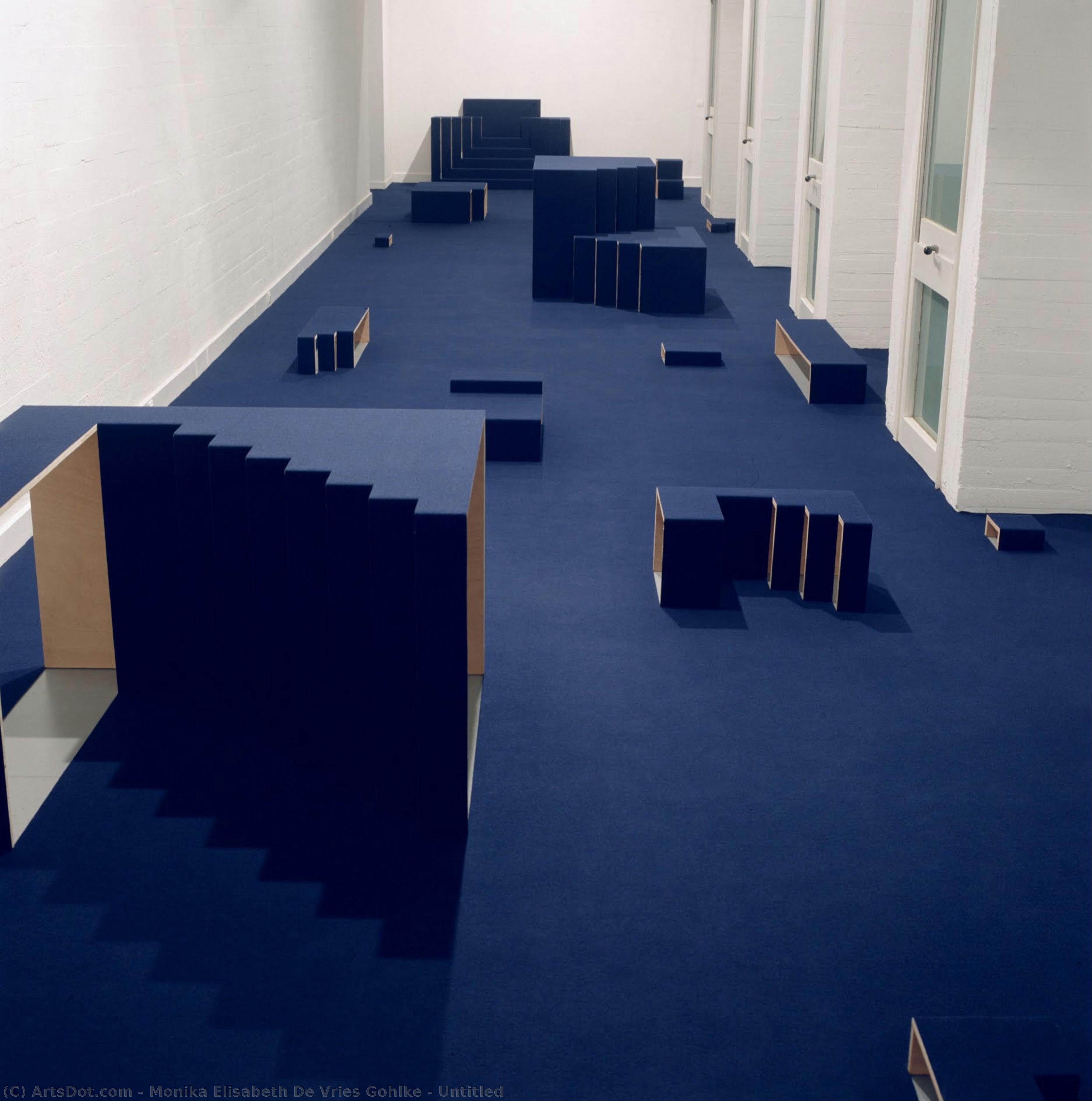
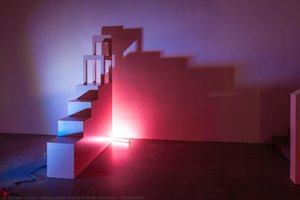
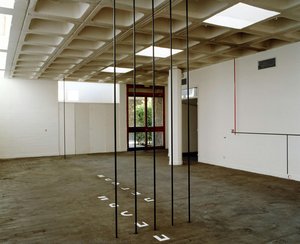
Monika Elisabeth de Vries Gohlke’s Untitled (2003) is not merely an installation; it's a carefully orchestrated invitation to question the very nature of space and perception. Within the stark confines of a white-walled gallery, the artwork presents a mesmerizing complexity – a dense arrangement of stacked and staggered wooden boxes in shades of dark blue and light brown that immediately evoke a sense of disorientation. This deliberate manipulation of form, achieved through meticulous construction and placement, speaks to a core concern within contemporary conceptual art: how we construct our understanding of reality.
- Geometric Deconstruction: The artwork’s foundation lies in the masterful deployment of geometric forms – cubes, rectangles, and stairs – arranged in a manner that subtly disrupts traditional Euclidean perspective. This non-Euclidean arrangement isn't simply chaotic; it’s a calculated provocation, designed to challenge our ingrained assumptions about spatial relationships.
- Materiality as Narrative: The choice of materials—primarily plywood for the boxes and a dark blue carpet—adds another layer of meaning. The rough texture of the wood contrasts with the smooth surface of the carpet, creating a tactile experience that further enhances the sense of unease and invites closer examination.
The Staircase: Ascent or Entrapment?
Dominating one side of the composition is a steep staircase constructed from matching boxes. This element immediately draws the eye upwards, yet its placement within the labyrinthine arrangement introduces an unsettling ambiguity. Is it a symbol of ascent – a journey towards enlightenment or progress? Or does it represent something more sinister: entrapment, an endless loop, a descent into confusion?
The artist’s subtle use of symbolism invites multiple interpretations, reflecting the artwork's core theme of questioning established norms and challenging our preconceived notions. The soft, diffused lighting further amplifies this effect, casting long shadows that deepen the sense of mystery and disorientation.
Contextualizing the Disorientation
Created in 2003, Untitled reflects a broader artistic trend towards conceptual art, which emerged as a reaction against representational painting and the dominance of purely intellectual approaches to art. Influenced by artists like Francesco Clemente (whose work similarly explored mythology and subconscious imagery), de Vries Gohlke’s installation aligns with the *Transavanguardia* movement's emphasis on raw emotion and personal experience. The flattened perspective, combined with the fragmented arrangement of the boxes, contributes to a feeling of unease and disorientation – a deliberate strategy that forces the viewer to actively engage with the artwork rather than passively observe it.
Emotional Resonance and Artistic Value
Untitled is more than just an aesthetically pleasing object; it’s a powerful statement about the subjective nature of perception. Its evocative atmosphere, combined with its technical precision, makes it a compelling piece for collectors and interior designers seeking to inject a sense of intrigue and intellectual stimulation into their spaces. The artwork's exploration of spatial ambiguity and symbolic representation ensures that it will continue to provoke thought and inspire contemplation for years to come.
関連作品


アーティストの略歴
Francesco Clemente: A Weaver of Dreams and Myth
Francesco Clemente, born in Naples in 1952, is an Italian artist whose work has long captivated audiences with its evocative blend of ancient symbolism, personal mythology, and a distinctly contemporary sensibility. His journey through art began not within the confines of formal architecture training – as initially documented – but through immersion in the vibrant artistic circles of Rome during the late 1960s and early 70s. This period proved formative, exposing him to the groundbreaking figures of the *Transavanguardia* movement, a rejection of conceptual art and a return to figurative painting rooted in memory and experience. Influenced profoundly by artists like Cy Twombly, Luigi Ontani, and Alighiero Boetti, Clemente quickly established himself as a key voice within this influential group, characterized by its raw emotion and exploration of the subconscious. Early works demonstrated a fascination with the dreamlike quality of recollections from his childhood in Naples – images rendered through drawing, collage, and eventually fresco. These early pieces weren’t simply depictions; they were attempts to capture the essence of memory, imbued with a sense of mystery and timelessness. Clemente's connection to Afghanistan in 1974, undertaken alongside Alighiero Boetti, further shaped his artistic perspective, introducing him to new cultural landscapes and fueling a deeper engagement with spirituality and mythology. This experience became a recurring theme throughout his career, informing the rich symbolism that permeates much of his work. His exploration of traditional art forms like mosaic and fresco reflects a deliberate dialogue with Italy’s artistic heritage, while simultaneously pushing these techniques into contemporary contexts.The Ballpoint Pen: A Singular Language
A pivotal moment in Clemente's artistic evolution arrived in the 1970s when he began to experiment extensively with the humble ballpoint pen. Initially conceived as a means of creating subtle, monochromatic works, this medium quickly evolved into a complex and deeply personal language. Over decades, he honed his technique, mastering the nuances of line, texture, and tone achievable through this seemingly simple tool. The repetitive nature of the process – thousands of pens meticulously used – became almost meditative, allowing him to delve into profound states of reflection and introspection. This dedication resulted in monumental works, such as the 50-foot drawing at the San Jose Museum of Art in 2007, a testament to his singular commitment. The reductive palette and non-referential nature of these pieces invite viewers to engage with their own associations and emotions, creating a deeply intimate experience.Global Influences and Artistic Recognition
Clemente’s artistic practice is characterized by its global reach, reflecting both his personal travels and the diverse influences that have shaped his vision. He spent considerable time in India, immersing himself in Buddhist philosophy and Hindu mythology – themes frequently explored through symbolic imagery and layered narratives within his paintings. This engagement with Eastern spirituality has profoundly impacted his work, adding a layer of contemplative depth to his already evocative style. His art has been exhibited extensively worldwide, including major institutions such as The Metropolitan Museum of Art, the Brooklyn Museum, and the National Museum of Modern and Contemporary Art Korea. These exhibitions have solidified his position as one of Italy’s most important contemporary artists, earning him critical acclaim and a devoted following.A Legacy of Symbolism and Introspection
Francesco Clemente's work transcends simple representation; it is an invitation to explore the depths of human experience – memory, spirituality, mythology, and the subconscious. His distinctive style, characterized by its dreamlike quality, intricate symbolism, and masterful use of the ballpoint pen, has established him as a unique voice in contemporary art. His ongoing exploration of personal narratives and universal themes ensures that his work will continue to resonate with audiences for generations to come, serving as a powerful reminder of the enduring power of art to illuminate the complexities of the human condition. His legacy lies not just in the finished artworks themselves, but in the profound questions they raise about identity, belief, and the nature of reality.
monika elisabeth de vries gohlke
1952 - , Germany
基本情報
- Artistic Movement Or Style: Transavanguardia
- Artists Or Movements Influenced By This Artist: ['Arte Povera']
- Artists Who Influenced This Artist:
- Cy Twombly
- Alighiero Boetti
- Date Of Birth: March 23, 1952
- Full Name: Francesco Clemente
- Nationality: Italian
- Notable Artworks: [None]
- Place Of Birth: Naples, Italy
関連記事

Kandinsky's Masterpieces: 25 Paintings That Define Abstract Art | ArtsDot
Journey through Wassily Kandinsky's 25 most iconic abstract paintings. Explore his revolutionary use of color, form & spiritual expressionism. Find museum-quality Kandinsky reproductions and elevate your home decor with ArtsDot.com. Discover all masterpieces on ArtsDot.com!

幾何学的抽象絵画を定義した傑作10選|アート、アーティスト、インテリア装飾
モンドリアン、マレーヴィチ…幾何学的抽象絵画を代表する傑作10選。各作品の背景や色彩構成、アーティストの情熱に迫ります。美術館品質の複製画はArtsDot.comで。オンラインでアートコレクションをご覧ください。
Beyond Form & Color: Geometric Abstraction's Enduring Legacy in Art History
Explore the captivating world of geometric abstraction! Discover its origins, key artists like Malevich & Mondrian, and why this movement remains highly valued by art collectors today. Expert insights at ArtsDot.
Slate Blue Masterpieces: 10 Iconic Paintings & Timeless Home Decor Ideas
Immerse yourself in the captivating world of slate blue! Explore 10 iconic paintings by Monet, Van Gogh & Renoir. Discover their stories, techniques & find museum-quality art reproductions for your home at .
Beyond Form & Color: Geometric Abstraction's Evolution in 20th/21st Century Art
Explore the evolution of geometric abstraction from Cubism to contemporary art. Discover key artists like Malevich & Mondrian, investment insights, and expert collecting advice at ArtsDot.