

 プレビュー
プレビュー
 シェアする
シェアする シェアする
シェアする
 詳細を見る
詳細を見る

 ダウンロード
 似ている作品
 X線調査
X線調査 スライドショー
 統計情報
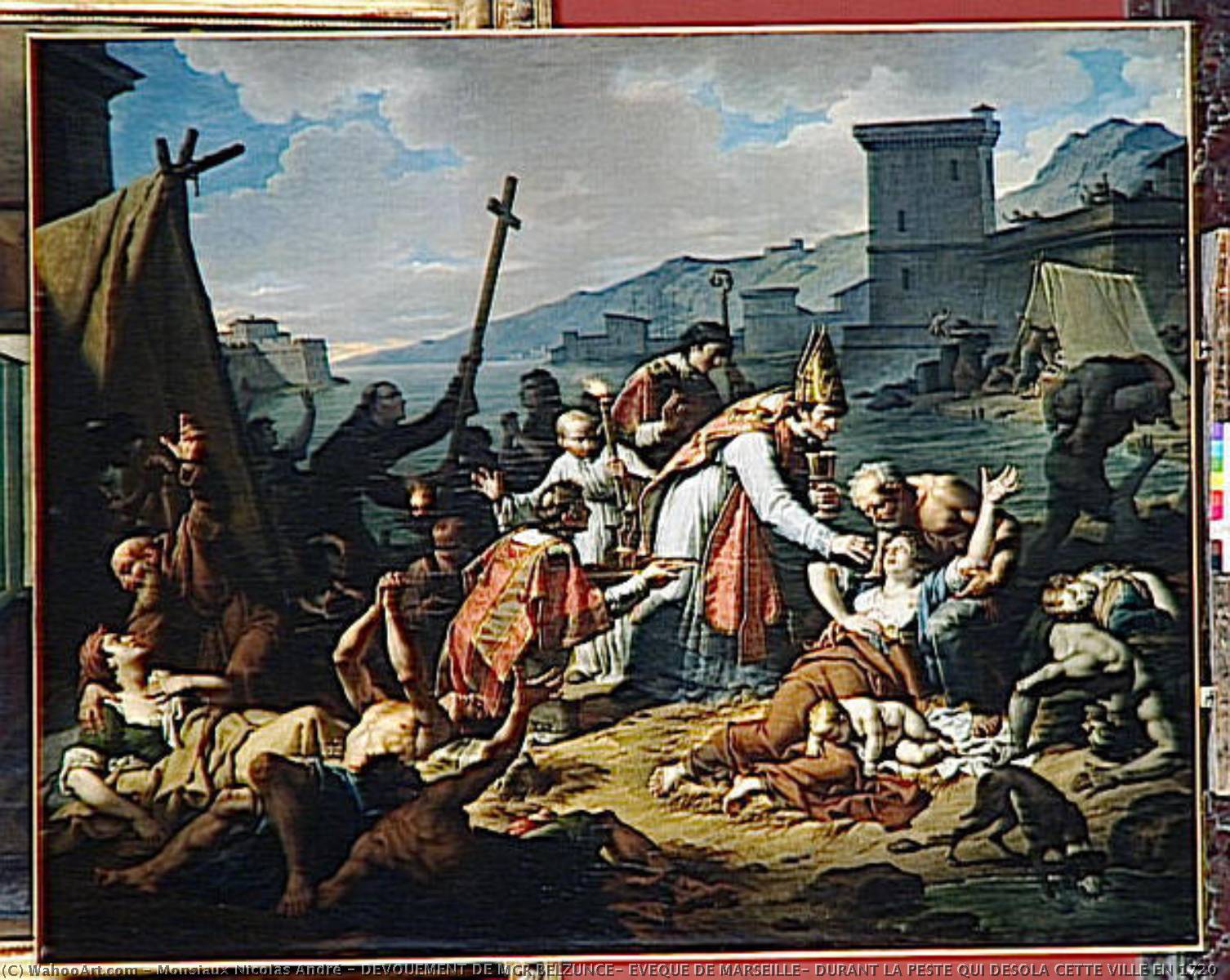
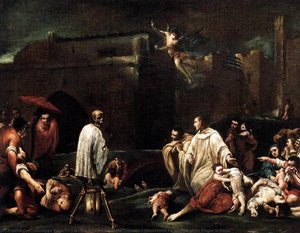
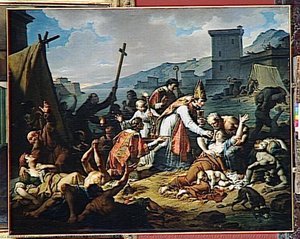
統計情報DEVOUEMENT DE MGR BELZUNCE, EVEQUE DE MARSEILLE, DURANT LA PESTE QUI DESOLA CETTE VILLE EN 1720


 詳細を見る
詳細を見る
オンラインプレビューをはるかに凌ぐ、高解像度で鮮明なデジタル画像をご購入いただけます。
各ファイルは、社内の専門家が高度なツールと熟練した手作業によるレタッチを用いて、細心の注意を払って準備されています。すべての画像において、卓越した鮮明度、正確な色彩再現性、そして繊細なディテールを保証いたします。
最終ファイルは、プロフェッショナルな編集・印刷環境ですぐにご利用いただけるよう最適化された状態で、72時間以内にメールにてお届けいたします。これは、一流のデザインスタジオ、出版社、ギャラリーから信頼されているものと同等の品質です。
デジタルアート
個人での鑑賞、印刷、クリエイティブなプロジェクト用に、高解像度ファイルをダウンロードできます。 ( プリント版に切り替え 手描きの絵画を購入)
デジタル画像のご注文に付随する特典
高品質なデジタル画像配信を、確かな品質で。
ArtsDot.com を選ぶことは、単に画像を手に入れることではありません。それは、プロの手によって精密に仕上げられ、満足保証が付いた高品質なデジタルアートワークを受け取ることを意味します。ご注文いただいた際に自動的に付随する内容は、以下の通りです:

メールですぐにお届け
ご注文から72時間以内に、高解像度のデジタル画像ファイルがメールでお手元に届きます。すぐにそのままご利用いただけます。

AI技術で最適化されたデジタルファイル
お客様の作品は、高度なAIツールと専門家による手作業の編集を組み合わせてプロフェッショナルに最適化されており、細部のディテール、鮮明さ、そして正確な色再現性を最大限に引き出しています。

一生涯無料の再送サービス
ファイルを誤って削除したり、紛失してしまったりしましたか?ご安心ください。いつでも無料で再送いたします。

輸入手数料は一切かかりません
関税や手数料、配送料を気にすることなく、お気に入りのアートワークをすぐにお楽しみいただけます。デジタルダウンロードは常に免税です。

色彩再現の保証
プロ仕様のツールとカラーマネジメント技術を用いることで、デジタル画像が元の色を最大限に忠実に再現することを保証いたします。

100日間満足保証
ご購入いただいたデジタル画像にご満足いただけない場合は、100日以内であれば、理由を問わず修正または100%の返金対応をさせていただきます。

100% 返金保証
ご満足いただけない場合は、デジタルファイルを受け取ってから100日以内であれば、理由を問わず全額返金いたします。

まとめ買い割引
3枚購入で10%OFF - 5枚購入で15%OFF - 10枚以上購入で20%OFF。クリエイティブなプロジェクト、ギャラリー、エージェンシーに最適です。
関連作品
作家の略歴
Early Life and Academic Foundations
Nicolas André Monsiaux, born in Paris around 1754, emerged during a period of significant artistic transition in France. While precise details surrounding his early life remain somewhat elusive, it is known that he initially studied under the guidance of Peyron at the Academy school. This foundational training proved crucial, though Peyron’s own unsuccessful challenge for leadership within the burgeoning neoclassical movement perhaps instilled in Monsiaux a degree of independent spirit. A pivotal moment arrived with the patronage of the Marquis de Corberon, whose financial support enabled Monsiaux to undertake the formative journey to Rome in 1776. Four years spent at the Academy in Rome were instrumental in shaping his artistic sensibilities, placing him amongst contemporaries like David and Valenciennes—artists who would themselves become defining figures of their era. This period was characterized by a rigorous study of classical antiquity, a pursuit that would permeate Monsiaux’s subsequent work.The Rise of a Historical Painter
Upon returning to Paris in 1780, Monsiaux faced initial obstacles in exhibiting his art due to the restrictive nature of the Royal Academy at the time. Undeterred, he actively participated in the Salons de la Correspondence, showcasing landscapes and works demonstrating a keen sensitivity to light and atmosphere. His formal acceptance into the Academy followed in 1787 with “Alexander Breaking in Bucephalus,” and full membership was achieved two years later with “The Death of Agis.” However, Monsiaux distinguished himself not merely as a painter but also as a skilled draftsman, presenting finished drawings of historical subjects at the Salons—a testament to his technical prowess. This period reveals an artist actively seeking recognition and establishing a reputation for both skill and intellectual engagement.Navigating Revolution and Defining a Style
The French Revolution dramatically altered the artistic landscape, opening up exhibition opportunities previously unavailable. Monsiaux responded with remarkable versatility, embracing modern historical subjects alongside portraits and genre scenes. His 1791 submission, including “Ulysses Returning to his Palace after Slaying the Lovers of Penelope, Ordering the Women to Remove their Bodies,” signaled a willingness to engage with narratives beyond traditional mythology. He was among the first artists of David’s generation to explore contemporary themes, and his 1802 painting, “Molière reading Tartufe at the house of Ninon de Lenclos,” is considered foundational to what Vivant-Denon termed the *Style Troubadour*—a genre characterized by its romanticized depictions of literary and historical figures. This marked a significant turning point in his career, solidifying his position as an innovator.Themes, Technique, and Lasting Legacy
Monsiaux’s art is defined by a distinctive blend of neoclassical rigor and a growing interest in dramatic narrative. His compositions often feature carefully arranged groups of figures, imbued with psychological depth and emotional resonance. While influenced by the Poussiniste tradition—emphasizing clarity, order, and intellectual content—he also demonstrated a sensitivity to color and texture. He frequently depicted scenes from classical history, mythology, and increasingly, pivotal moments in French history and philosophy. His works often served as visual embodiments of moral or political ideals, reflecting the turbulent times in which he lived. Monsiaux’s influence extended beyond his immediate circle; his ability to seamlessly integrate historical accuracy with compelling storytelling paved the way for subsequent generations of history painters. He died in Paris in 1837, leaving behind a body of work that continues to captivate and inspire.Major Achievements and Historical Significance
- “Devouement de Mgr Belzunce” (1720): A powerful depiction of plague relief in Marseille, showcasing Monsiaux’s ability to convey dramatic emotion.
- “La Consulta de la République Cisalpine” (1802): A significant work illustrating a key moment in Napoleonic history and demonstrating his mastery of large-scale composition.
- “Zeuxis Choosing His Models” (1797): A testament to his classical training and skill in depicting mythological subjects.
- Pioneering the *Style Troubadour*: Monsiaux’s exploration of modern historical themes established a new genre that profoundly influenced French painting.
- A Bridge Between Neoclassicism and Romanticism: His work represents a fascinating transition between artistic styles, blending intellectual rigor with emotional intensity.
プロフィール概要
- Artistic Movement Or Style: Neoclassical
- Date Of Death: Living
- Full Name: Nicolas André Monsiaux
- Nationality: French
- Notable Artworks:
- Devouement de Mgr Belzunce
- La Consulta de la République
- Aspasie s'entretenant avec...
- Zeuxis Choosing His Models