

 プレビュー
プレビュー
 プリントを購入
 シェアする
シェアする シェアする
シェアする
 詳細を見る
詳細を見る

 ダウンロード
 似ている作品
 X線調査
X線調査 スライドショー
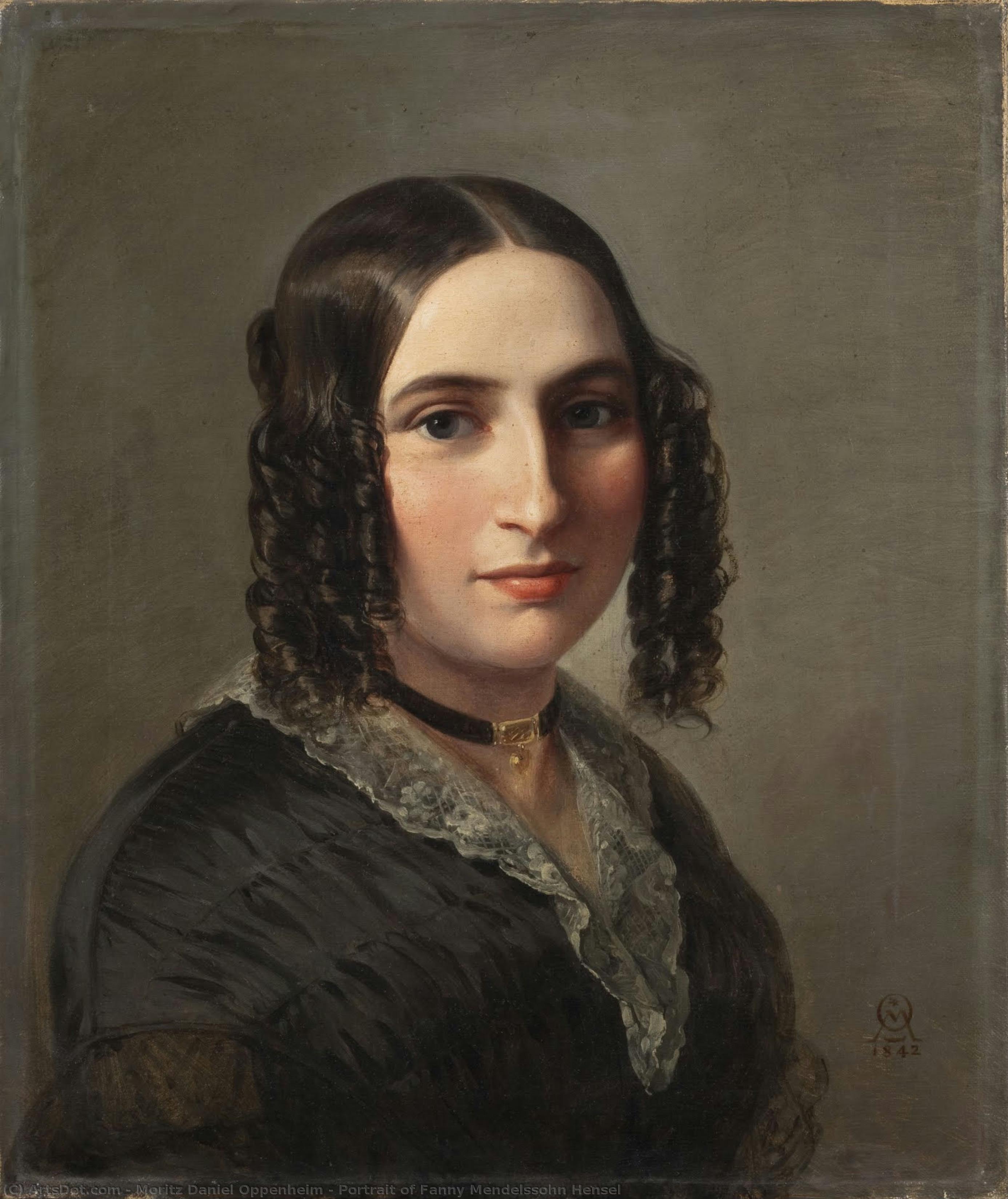
Portrait of Fanny Mendelssohn Hensel
 Oil On Canvas
- WallArt
- Romantic Painting
 1842
1842 43.0 x 36.0 cm
 The Jewish Museum
 詳細を見る
詳細を見る




P118B $10

P118H $10

P118W $10

P438Z $10

P508JH $12

P508YH $12

P805H $10

P805Z $10

P919BZ $10

P919G $10

P919XJ $10

P959ZH $10

P968JZ $12

W106C $8

W218G $10

W218JH $8

W218Y $10

W307PJ $10

W316G $10

W316PJ $8

W316Y $10

W398PJ $8

W4111J $10

W500HY $15

W500JH $15

W692G $12

W849H $8

W940BG $15

W953PJ $8




作品のオリジナル比率に合わせた、当店の規定サイズからお選びください。

特定のフレームやスペースに合わせて、ご希望のサイズをご入力いただけます。選択されたサイズが元の画像の比率と異なる場合、アートワークをトリミングするか、手描きで要素を追加して絵画を拡張いたします。デジタルモックアップ を制作し、制作開始前にご確認(承認)をいただきます。
画面上のプレビューは、実際のトリミングや拡張を正確に反映しているものではありません。最終的な構図は、モックアップによってのみ正確にご確認いただけます。
カスタムサイズもご利用いただけますが、元の比率を維持するためには、あらかじめ用意されたリストからサイズを選択することをお勧めいたします。
ご注文後、ArtsDot.com チームより詳細な指示をお送りするとともに、仕上がりイメージ(モックアップ)をご提供いたします。


 ガラスオプションは、110cm未満のサイズでのみご利用いただけます。

Portrait of Fanny Mendelssohn Hensel
複製技法
複製画のサイズ
-


合計金額
$ 263
A Window Into Victorian Jewish Life: Exploring Moritz Daniel Oppenheim’s Portrait of Fanny Mendelssohn Hensel
Moritz Daniel Oppenheim's "Portrait of Fanny Mendelssohn Hensel," completed in 1842, stands as a remarkable testament to the burgeoning artistic representation of Jewish culture during the Romantic era. More than just a likeness of a celebrated musician—Fanny Hensel (1805–1847)—was a pivotal figure in musical history, sister to Felix Mendelssohn-Bartholdy and granddaughter of Moses Mendelssohn, representing a crucial intersection between intellectual enlightenment and familial devotion. This painting transcends mere visual beauty; it’s imbued with symbolic significance reflecting the aspirations and realities of Jewish society striving for acceptance within Victorian Germany.The Artist's Vision: Oppenheim and His Roman Influences
Moritz Daniel Oppenheim (1800-1882) emerged as a singular voice in German art, recognized primarily for his dedication to documenting Jewish life—a mission driven by an unwavering belief in the power of visual art to communicate cultural identity. Trained initially under Conrad Westermayr in Hanau, Oppenheim absorbed foundational principles of Romantic painting, prioritizing emotional expression and dramatic lighting – techniques heavily influenced by his time spent in Rome during the early 1820s. The Roman landscape served as a catalyst for artistic innovation, fostering a stylistic preference for idealized forms and nuanced tonal gradations that are evident throughout his oeuvre. His collaboration with Wilhelm Hensel, Fanny’s husband—a fellow artist—further solidified Oppenheim's commitment to portraying domestic scenes with sensitivity and accuracy.A Detailed Examination of Technique and Composition
The painting itself is executed in oil on panel, employing a meticulous layering process characteristic of the period. Oppenheim skillfully utilized chiaroscuro – dramatic contrasts between light and dark – to sculpt Fanny’s figure and create an atmosphere of contemplative serenity. The muted palette—dominated by earthy browns and creams—reflects the understated elegance favored by Victorian artists and underscores the solemn dignity conveyed by Hensel's pose. Notice the careful attention to detail: the pearl necklace symbolizes purity and virtue, mirroring Fanny’s moral character; her gaze directs towards the viewer, establishing a connection that invites introspection – a subtle gesture of engagement with the audience beyond mere visual observation.Symbolism Within Domestic Harmony
Beyond its technical prowess, “Portrait of Fanny Mendelssohn Hensel” resonates deeply with symbolic meaning rooted in Jewish tradition and Victorian ideals. The domestic setting—a richly furnished room bathed in soft light—represents the sanctity of family life and underscores Fanny’s role as a devoted wife and mother. Oppenheim's depiction captures not only Fanny’s physical appearance but also her inner spirit – embodying the values of piety, intellect, and artistic accomplishment. This image speaks to the broader narrative of Jewish assimilation into European culture while simultaneously celebrating the enduring importance of familial bonds and personal integrity.Legacy and Display at The Jewish Museum
Currently housed at The Jewish Museum in New York, this painting continues to inspire admiration for its masterful execution and profound humanist message. Its presence within the museum’s collection serves as a poignant reminder of Oppenheim's pioneering role in elevating Jewish artistic representation—a contribution that cemented his place as one of Germany’s foremost portrait painters and ensured that Fanny Hensel’s legacy would endure through generations of art historians and collectors alike.関連作品



関連記事
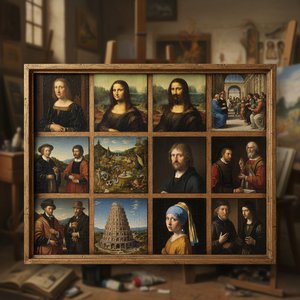
Oil on Panel Masters: 10 Paintings That Revolutionized Art |
Journey through 10 legendary 'Oil on Panel' masterpieces by Van Eyck, Bosch & Bruegel. Explore the stories behind these iconic Renaissance & Baroque paintings and find museum-quality art reproductions to elevate your home decor. Discover all masterpieces on !
Oil on Panel: A Historical Survey of Technique, Support & Aesthetic Evolution
Explore the rich history of oil on panel painting! Discover Renaissance techniques, support structures & aesthetic evolution. Expert insights for art collectors and enthusiasts.
Oil on Panel: A Historical Survey of Technique, Support, and Aesthetic Impact
Explore the rich history of oil on panel painting! Discover Renaissance techniques, support construction, & the enduring legacy of this masterful art form. Expert insights for collectors and enthusiasts.

The Enduring Legacy of Oil on Canvas: Technique, History & Aesthetic Impact
Explore the rich history & techniques of oil painting – from Renaissance masters to Impressionism. Discover pigments, layering methods, and why this timeless medium endures. Expert insights for artists & art enthusiasts.
Oil on Board: A Historical Survey of Technique, Aesthetic Qualities & Enduring Appeal
Explore the rich history of oil on board painting! Discover techniques, aesthetic qualities & enduring appeal from early masters to modern practice. Expert insights for collectors and art enthusiasts.

