

 プレビュー
プレビュー
 シェアする
シェアする シェアする
シェアする
 詳細を見る
詳細を見る

 ダウンロード
 似ている作品
 X線調査
X線調査 スライドショー
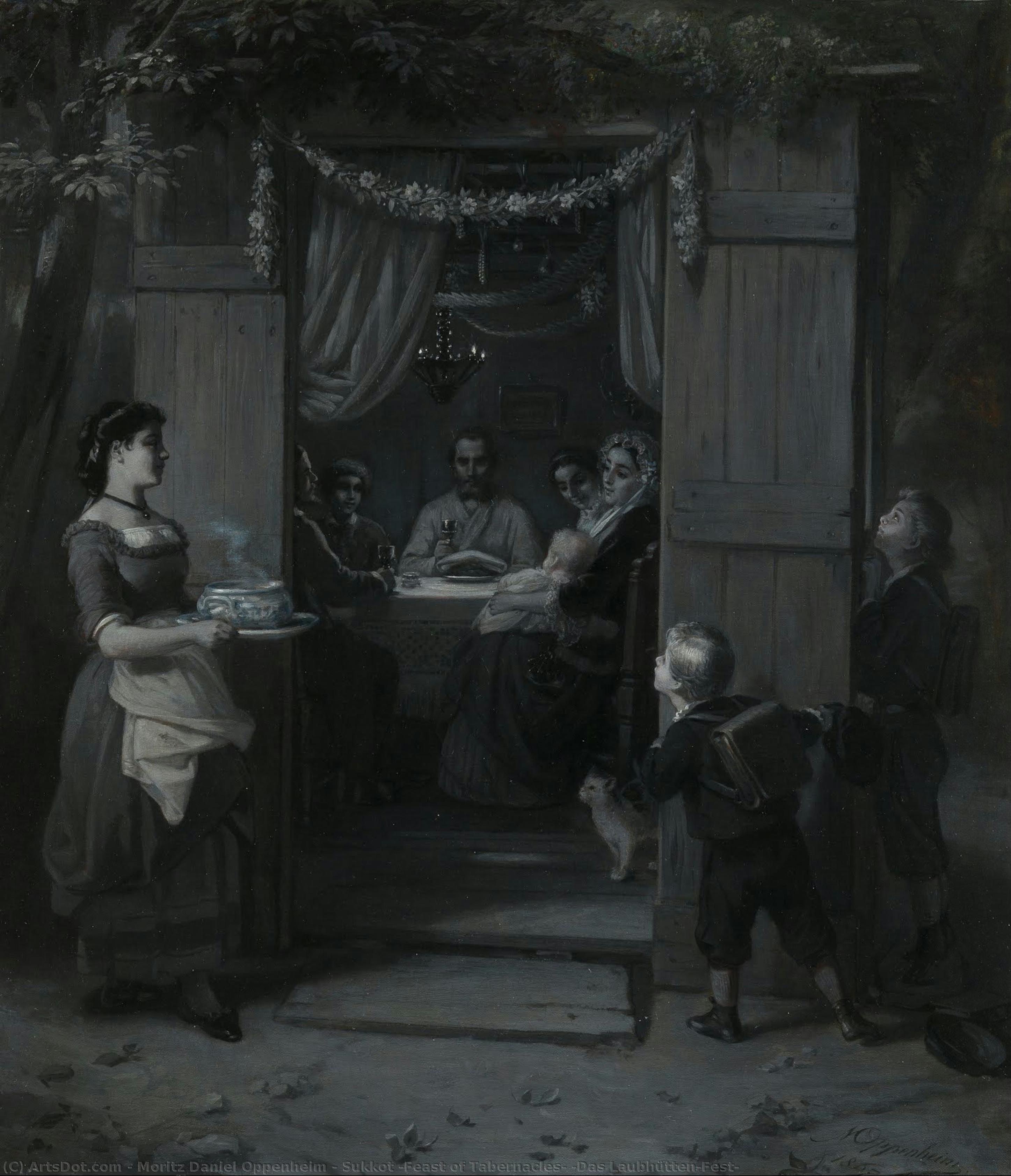
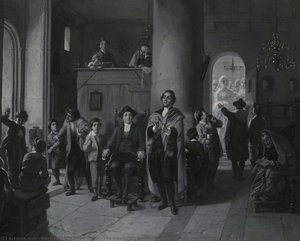
Sukkot (Feast of Tabernacles) (Das Laubhütten-Fest)
 Oil On Canvas
- WallArt
- German Romanticism
 1867
1867 559.0 x 646.0 cm
 The Jewish Museum
 詳細を見る
詳細を見る
ジークレー/アートプリント
迅速な制作と多彩な仕上げオプションを備えた、ミュージアムクオリティのジークレーまたはキャンバスプリント。 ( 手描きの絵画を購入 画像を購入)




P118B $10

P118H $10

P118W $10

P438Z $10

P508JH $12

P508YH $12

P805H $10

P805Z $10

P919BZ $10

P919G $10

P919XJ $10

P959ZH $10

P968JZ $12

W106C $8

W218G $10

W218JH $8

W218Y $10

W307PJ $10

W316G $10

W316PJ $8

W316Y $10

W398PJ $8

W4111J $10

W500HY $15

W500JH $15

W692G $12

W849H $8

W940BG $15

W953PJ $8




作品のオリジナル比率に合わせた、当店の規定サイズからお選びください。

特定のフレームやスペースに合わせて、ご自身でサイズを指定することも可能です。選択されたサイズが元の画像の比率と一致しない場合、作品をトリミングするか、鏡面反射または単色での塗りつぶしによって画像を拡張いたします。制作を開始する前に、ご確認用のデジタルモックアップをお送りいたします。
画面上のプレビューには、実際のトリミングや拡張は反映されませんのでご注意ください。最終的な構図を正確に確認できるのは、モックアップのみとなります。
カスタムサイズも承っておりますが、元の比率を維持するためには、あらかじめ用意されたリストからサイズを選択することをお勧めいたします。


 ガラスオプションは、110cm未満のサイズでのみご利用いただけます。

Sukkot (Feast of Tabernacles) (Das Laubhütten-Fest)
ジークレー/アートプリント
複製画のサイズ
-


合計金額
$ 62
作品詳細説明
A Window into Tradition: Moritz Daniel Oppenheim’s “Sukkot”
Moritz Daniel Oppenheim's "Sukkot (Feast of Tabernacles) (Das Laubhütten-Fest)," painted in 1867, is more than just a depiction of a family gathering; it’s a poignant window into the heart of 19th-century Jewish life and a testament to an artist's commitment to portraying his heritage with remarkable sensitivity. Born in Hanau, Germany, Oppenheim navigated a world where many of his fellow Jews were choosing assimilation, yet he resolutely remained true to his roots, documenting the rituals and customs that defined his community’s identity. This painting, now housed within The Jewish Museum's collection, stands as a powerful example of this dedication – a quiet celebration brimming with familial warmth and spiritual significance.
The scene unfolds within a rustic sukkah, a temporary dwelling constructed for the Feast of Sukkot, commemorating the Israelites’ wandering in the desert. Oppenheim masterfully captures the essence of this tradition through meticulous detail: the rough-hewn wooden walls, draped with fabric and adorned with autumnal fruits and foliage – symbols of abundance and gratitude. The composition is anchored by a central table laden with food and drink, a focal point for communal sharing and blessing. Beyond the immediate domestic setting, the painting subtly hints at the broader historical context, reminding viewers of the ancient roots of this celebration.
A Study in Grayscale and Texture
Oppenheim’s choice to render the scene entirely in grayscale—a deliberate stylistic decision—amplifies the painting's emotional impact. Rather than relying on vibrant color, he skillfully employs tonal variations – from deep blacks to soft whites – to create a profound sense of form and depth. This monochromatic palette lends an air of solemnity and timelessness, drawing attention to the textures of the scene: the rough grain of the wood, the delicate folds of fabric, the smooth porcelain of the dishes, and even the fur of the cat playfully observing the festivities. The artist’s meticulous rendering technique is evident in every brushstroke, showcasing a deep understanding of how light and shadow can shape perception.
Linear perspective guides the viewer's eye through the composition, receding into the background to create a believable sense of space. The figures are carefully arranged, with overlapping forms and subtle gradations of tone that enhance the feeling of depth. The artist’s attention to detail extends beyond mere representation; he seems to have deliberately sculpted the scene using light and shadow, imbuing it with a tangible quality – as if one could reach out and touch the rough wood of the sukkah or feel the warmth radiating from the steaming soup.
Symbolism and Emotional Resonance
The painting is rich in symbolic meaning. The act of blessing the wine glass, presided over by the father, represents a central ritual of Sukkot – a moment of communal gratitude and connection to God. The gaze of the wife and daughter towards the baby underscores themes of family, lineage, and continuity. Even the presence of the maid carrying the steaming soup—and the cat playfully caught in its warmth—adds a layer of domesticity and humor, reminding us that even sacred traditions are rooted in everyday life.
“Sukkot” is not merely a record of a religious celebration; it’s an exploration of human connection, tradition, and faith. The painting evokes feelings of warmth, familial love, and reverence for the past. It speaks to the enduring power of community and the importance of preserving cultural heritage – themes that resonate deeply with viewers today. The subtle expressions on the faces of the family members, combined with the intimate setting, create a powerful sense of emotional resonance, inviting us to contemplate our own connections to tradition and belonging.
Historical Context and Artistic Significance
Moritz Daniel Oppenheim’s work is particularly significant for its role in shaping Jewish artistic representation during a period of profound change. As one of the first Jewish artists to achieve widespread recognition within the mainstream German art world, Oppenheim challenged prevailing stereotypes and offered a nuanced portrayal of Jewish life that moved beyond simplistic representations. His commitment to documenting his community’s traditions—particularly through scenes like “Sukkot”—contributed significantly to the development of *Wissenschaft des Judentums* (the Science of Judaism), a movement dedicated to scholarly research into Jewish history, culture, and religion.
Oppenheim's decision to remain within his faith, despite societal pressures towards assimilation, is reflected in his art. “Sukkot” stands as a testament to his dedication to preserving Jewish identity through artistic expression – a powerful reminder of the importance of cultural heritage and the enduring beauty of tradition.
関連作品


関連記事
Benjamin Shahn: Social Realism & the Poetics of American Identity
Explore the powerful social realism of Benjamin Shahn (1898-1969). Discover his iconic murals, poignant Dust Bowl paintings & unique synthesis of Jewish identity and American Modernism. Learn about this influential artist's legacy.
Sir William Rothenstein: A Life Dedicated to British Art & Modernism's Cultivation
Explore the life & art of Sir William Rothenstein – a pivotal figure in British Modernism. Discover his portraits, war paintings, and influential role at the Royal College of Art. A comprehensive biography for art enthusiasts.
Penny Diane Wolin: Navigating Memory, Identity & Place Through Abstract Expressionism
Explore the profound work of Penny Diane Wolin, a master of abstract expressionism & documentary photography. Discover her explorations of memory, identity, and cultural heritage – a compelling investment for discerning art collectors.

