

 プレビュー
プレビュー
 プリントを購入
 シェアする
シェアする シェアする
シェアする
 詳細を見る
詳細を見る

 ダウンロード
 似ている作品
 X線調査
X線調査 スライドショー
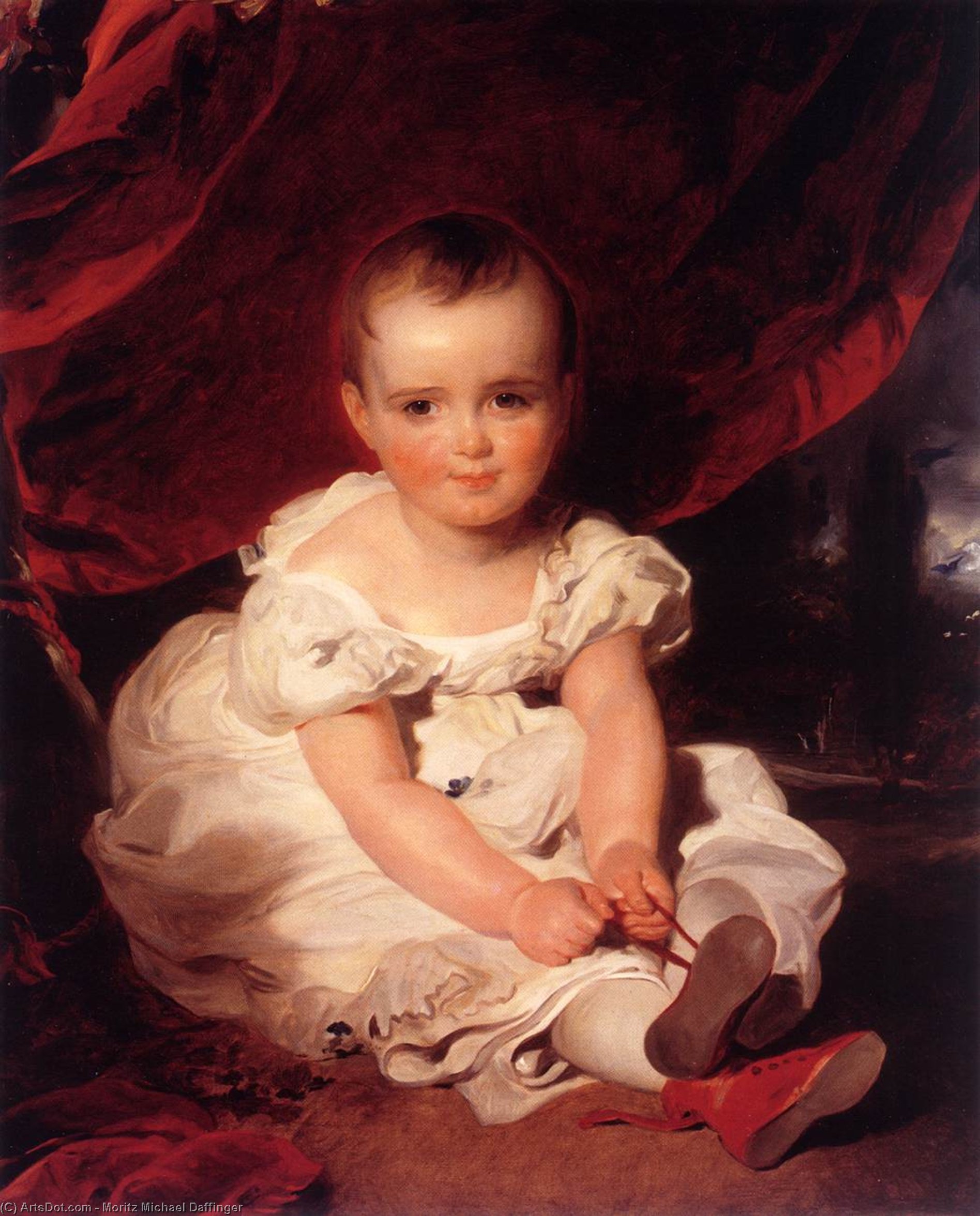
Portrait of the Archduchess Maria Theresia
 Oil
Oil- WallArt
- Biedermeier
 1819
1819- 19th Century
 77.0 x 63.0 cm
 Residenzgalerie
 詳細を見る
詳細を見る




P118B $10

P118H $10

P118W $10

P438Z $10

P508JH $12

P508YH $12

P805H $10

P805Z $10

P919BZ $10

P919G $10

P919XJ $10

P959ZH $10

P968JZ $12

W106C $8

W218G $10

W218JH $8

W218Y $10

W307PJ $10

W316G $10

W316PJ $8

W316Y $10

W398PJ $8

W4111J $10

W500HY $15

W500JH $15

W692G $12

W849H $8

W940BG $15

W953PJ $8




作品のオリジナル比率に合わせた、当店の規定サイズからお選びください。

特定のフレームやスペースに合わせて、ご希望のサイズをご入力いただけます。選択されたサイズが元の画像の比率と異なる場合、アートワークをトリミングするか、手描きで要素を追加して絵画を拡張いたします。デジタルモックアップ を制作し、制作開始前にご確認(承認)をいただきます。
画面上のプレビューは、実際のトリミングや拡張を正確に反映しているものではありません。最終的な構図は、モックアップによってのみ正確にご確認いただけます。
カスタムサイズもご利用いただけますが、元の比率を維持するためには、あらかじめ用意されたリストからサイズを選択することをお勧めいたします。
ご注文後、ArtsDot.com チームより詳細な指示をお送りするとともに、仕上がりイメージ(モックアップ)をご提供いたします。


 ガラスオプションは、110cm未満のサイズでのみご利用いただけます。

Portrait of the Archduchess Maria Theresia
複製技法
複製画のサイズ
-


合計金額
$ 263
A Moment of Innocence Captured in Biedermeier Grace
In the delicate realm of nineteenth-century portraiture, few works capture the tender vulnerability of childhood as poignantly as Moritz Michael Daffinger’s Portrait of the Archduchess Maria Theresia. Painted in 1819, this exquisite piece serves as a window into the intimate world of the Austrian nobility during the Biedermeier era. The subject, a young child of royal lineage, is depicted not with the stiff, formal grandeur often associated with monarchy, but with a startlingly human and relatable spontaneity. Seated upon the ground, the Archduchess is caught in a fleeting, candid moment—her hands pressed to her mouth, a gesture that evokes both curiosity and the raw, unscripted nature of early childhood. This departure from traditional royal iconography invites the viewer into a private, domestic space, bridging the gap between the exalted status of the subject and the universal experience of youth.
The technical mastery of Daffinger is on full display through his meticulous handling of light and texture. As an artist trained in the precision of porcelain painting, he brings an unparalleled attention to detail to this canvas. One can almost feel the softness of the child's skin and the heavy, luxurious drape of the fabric in her dress. The use of a deep, curtained background creates a sense of theatrical depth, pushing the subject forward and focusing all emotional weight onto the small figure. His palette, while subtle, is rich with warmth, utilizing soft tones that harmonize with the rosy hues of the child's features and the charming splash of color from her red shoes. This careful orchestration of light and shadow lends a three-dimensional quality to the work, making the scene feel less like a static portrait and more like a living memory.
A Legacy of Refinement for the Discerning Collector
For the art enthusiast or interior designer, this portrait offers much more than mere historical interest; it provides a profound emotional anchor for any curated space. The painting embodies the Biedermeier aesthetic—a style characterized by an emphasis on simplicity, domesticity, and the beauty of the everyday. In a modern interior, such a piece acts as a sophisticated focal point, injecting a sense of timeless elegance and quiet nostalgia. Whether placed in a sunlit morning room or a stately library, the Archduchess’s gaze and the painting's soft textures invite contemplation and conversation.
Owning a high-quality reproduction of this masterpiece allows one to preserve the delicate spirit of Daffinger’s legacy. The work stands as a testament to an era where art sought to find the extraordinary within the ordinary. For collectors seeking to evoke feelings of warmth, heritage, and refined taste, this portrait remains an incomparable choice, offering a soulful connection to the golden age of Austrian portraiture.
関連作品
アーティストの略歴
A Life Etched in Ivory: The World of Moritz Michael Daffinger
Moritz Michael Daffinger, a name synonymous with the delicate grace of Biedermeier portraiture, was born into an artistic lineage in Vienna in 1790. His father, Johann Leopold Daffinger, a painter at the esteemed Imperial Porcelain Manufactory, laid the foundation for Moritz’s early immersion in the world of art. Even as a young boy, displaying remarkable talent, he contributed designs to his mother's glove-making business, foreshadowing the meticulous detail that would define his later work. At just eleven years old, Daffinger formally entered the porcelain manufactory as an apprentice, honing his skills under the guidance of both his father and Michael Weixlbaum. This formative period instilled in him a precision and refinement that would become hallmarks of his style. He continued his artistic education at the Academy of Fine Arts Vienna, studying painting with Heinrich Füger, further solidifying his technical foundation. Returning to the manufactory, he quickly ascended through the ranks, establishing himself as one of its leading painters before embarking on an independent career focused on portraiture.The Rise of a Portraitist: Capturing an Era
From 1809 onward, Daffinger dedicated himself almost exclusively to capturing the likenesses of his contemporaries, specializing in miniature painting on ivory and small gouaches on paper. This was a period where portraiture wasn’t merely about representation; it was about conveying status, personality, and belonging within a rapidly changing society. He quickly gained recognition for his ability to imbue each subject with a unique character, moving beyond mere physical resemblance to capture an inner essence. The influence of prominent artists began to shape his evolving style. Initially inspired by Jean-Baptiste Isabey, Daffinger’s work underwent a significant transformation following the visit of English portrait painter Thomas Lawrence to Vienna in 1819. Lawrence's mastery of light, composition, and psychological insight profoundly impacted Daffinger, leading him to adopt a more dynamic and expressive approach. This influence is evident in his portraits, which began to exhibit a newfound elegance and sophistication. His talent did not go unnoticed by the Austrian elite; in 1812, he was appointed as a portraitist to Klemens von Metternich, the influential Austrian Foreign Minister. This appointment wasn’t simply a commission—it was an immersion into the heart of power and aristocracy.A Courtly Existence: Patronage and Artistic Flourishing
Daffinger's role extended beyond painting portraits for Metternich; he also became curator of the Foreign Minister’s extensive portrait collection, belonging to Princess Melanie. This position granted him access to a wealth of artistic treasures and placed him at the center of Viennese high society. He painted numerous members of the Austrian nobility and European royalty, solidifying his reputation as a premier portraitist. Over the course of his career, Daffinger created over a thousand portraits, many of which remained within the collections of the Habsburg-Lorraine imperial house—a testament to his skill and the esteem in which he was held. His studio became a hub for Vienna’s elite, eager to have their likenesses preserved by this master of miniature painting. He wasn't merely documenting faces; he was crafting enduring symbols of status and identity within the Biedermeier era. As he matured as an artist, Daffinger also demonstrated versatility, increasingly concentrating on flower paintings in his later years, showcasing a different facet of his artistic talent.Legacy and Remembrance: An Enduring Image
Moritz Michael Daffinger’s legacy extends far beyond the exquisite portraits he created. He is remembered as one of Austria's most accomplished miniature painters, capturing the spirit of Biedermeier society with unparalleled skill and sensitivity. His work embodies the era’s emphasis on intimacy, domesticity, and refined elegance. In a remarkable display of national recognition, his portrait was featured on the obverse of the Austrian 20-Schilling banknote until the introduction of the Euro in 1999—a powerful symbol of his cultural importance and enduring appeal. This honor speaks volumes about the lasting impact he had on Austrian identity. Further solidifying his place in history, Daffinger’s remains were transferred to an honorary grave (Ehrengrab) in Vienna's Zentralfriedhof in 1912, a fitting tribute to a master artist. Though he passed away during the cholera epidemic of 1849, initially buried in St. Marx Cemetery before his reinterment with honors, Daffinger’s influence continued to resonate through subsequent generations of Austrian portrait painters. His technical skill and refined style served as an inspiration for artists seeking to capture the essence of their own subjects. Today, his works are held in various museums and private collections around the world, continuing to be admired for their beauty, historical significance, and the enduring legacy of a life etched in ivory.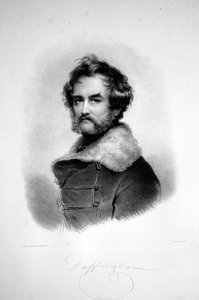
Moritz Michael Daffinger
1790 - 1849 , Austria
基本情報
- Artistic Movement Or Style: Biedermeier
- Artists Or Movements Influenced By This Artist: Austrian portrait painters
- Artists Who Influenced This Artist:
- Thomas Lawrence
- Jean-Baptiste Isabey
- Date Of Birth: 1790
- Date Of Death: 1849
- Full Name: Moritz Michael Daffinger
- Nationality: Austrian
- Notable Artworks:
- Franz Grillparzer
- Sophie Schroder portrait
- Place Of Birth: Lichtenstein, Austria
関連記事

Crimson Threads of Narrative: Exploring Symbolism & Representation in Artworks Featuring the Red Dress
Explore the rich symbolism of the red dress in art history! From ancient power displays to iconic portraits like Cézanne’s 'Madame Cezanne', discover the cultural and artistic significance behind this captivating color. Expert analysis & insights.
Biedermeier: Art, Society & Intimacy in Restoration Europe
Explore the world of Biedermeier art & culture! Discover the history, aesthetic principles, and lasting influence of this fascinating European movement. Expert insights & beautiful reproductions at ArtsDot.

マーク・ロスコ傑作25選:色彩が織りなす深遠な世界|ArtsDot
マーク・ロスコの傑作25選。抽象表現主義を代表する巨匠、色彩が織りなす深遠な世界を探求します。絵画の背景や技法、感動的なストーリーを紐解き、ArtsDotで高品質なアートプリントをお楽しみください。リビングやオフィスにモダンアートを飾るなら!
アンリ・マティスの傑作25選:色彩と情熱の軌跡|ArtsDot
アンリ・マティスの傑作25選🎨 色彩と情熱が織りなす世界を旅する。フォーヴィスム代表の巨匠、マティスの絵画の魅力と歴史を紐解きます。ArtsDotで高品質なアートプリントや複製画を見つけ、インテリアに芸術的な輝きを✨ Explore the full collection online
Frederick Childe Hassam: American Impressionism's Chronicler of Light & Modern Life
Explore the captivating world of Frederick Childe Hassam, a pioneer of American Impressionism. Discover his iconic paintings capturing light, urban life & coastal beauty. Learn about his legacy and influence on American art history.

