

 プリントを購入
 シェアする
シェアする シェアする
シェアする
 詳細を見る
詳細を見る

 ダウンロード
 似ている作品
 スライドショー
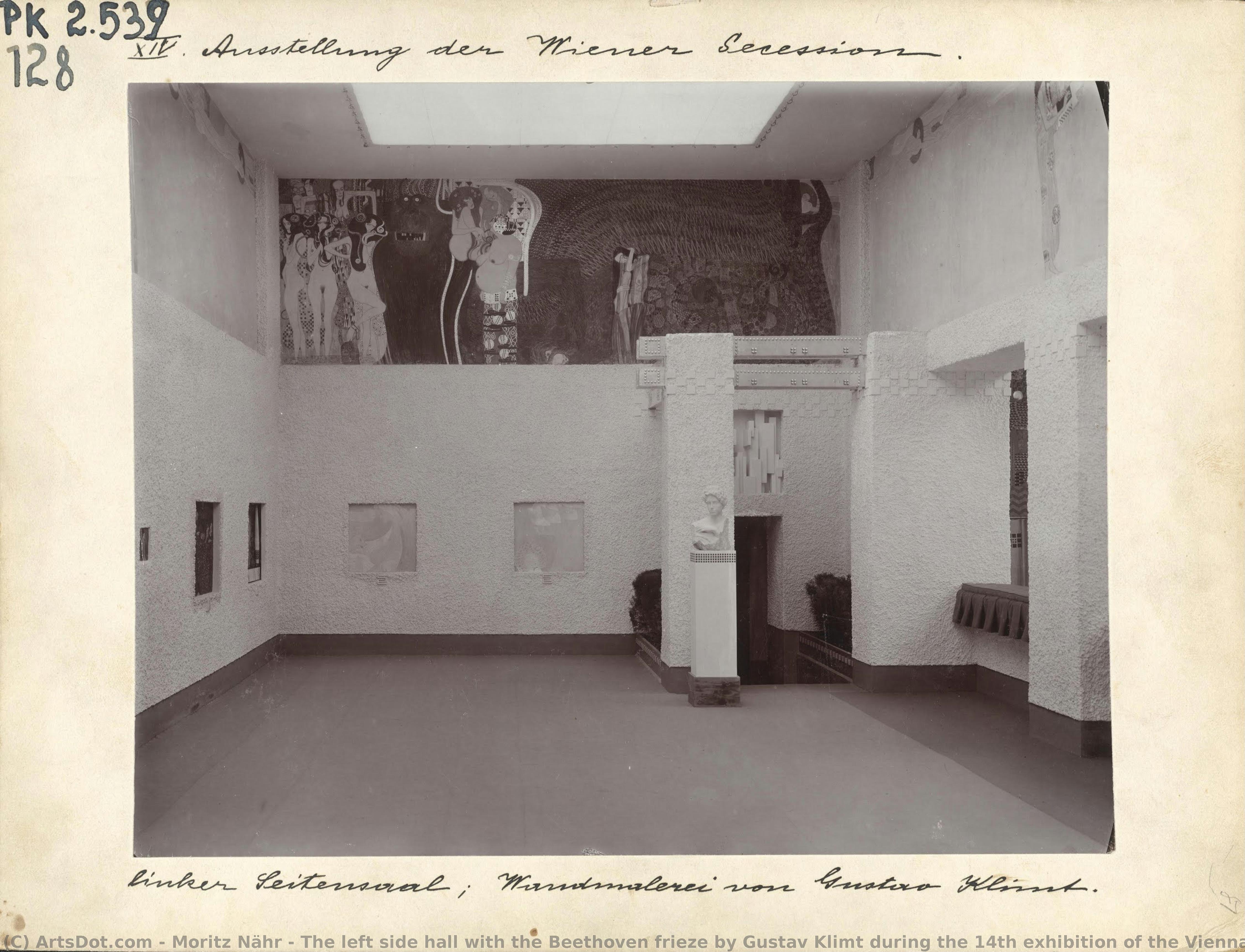
The left side hall with the Beethoven frieze by Gustav Klimt during the 14th exhibition of the Vienna Secession


 詳細を見る
詳細を見る




































作品のオリジナル比率に合わせた、当店の規定サイズからお選びください。

特定のフレームやスペースに合わせて、ご希望のサイズをご入力いただけます。選択されたサイズが元の画像の比率と異なる場合、アートワークをトリミングするか、手描きで要素を追加して絵画を拡張いたします。デジタルモックアップ を制作し、制作開始前にご確認(承認)をいただきます。
画面上のプレビューは、実際のトリミングや拡張を正確に反映しているものではありません。最終的な構図は、モックアップによってのみ正確にご確認いただけます。
カスタムサイズもご利用いただけますが、元の比率を維持するためには、あらかじめ用意されたリストからサイズを選択することをお勧めいたします。
ご注文後、ArtsDot.com チームより詳細な指示をお送りするとともに、仕上がりイメージ(モックアップ)をご提供いたします。


 ガラスオプションは、110cm未満のサイズでのみご利用いただけます。

The left side hall with the Beethoven frieze by Gustav Klimt during the 14th exhibition of the Vienna Secession
複製技法
複製画のサイズ
-


合計金額
$ 263
作品解説
A Window into Vienna’s Secession: Nähr's Capture of Klimt’s ‘The Left Side Hall’
Moritz Nähr’s photograph offers an extraordinary glimpse into Gustav Klimt’s monumental painting, “The Left Side Hall with the Beethoven Frieze,” a key work from the 14th exhibition of the Vienna Secession in 1902. More than just a documentation of a single artwork, this image is a frozen moment within a pivotal chapter of Viennese art history – a time when artistic rebellion and intellectual exploration converged to reshape European culture. Nähr’s photograph isn't merely a picture; it’s a portal into the vibrant atmosphere surrounding Klimt’s creation, revealing the audience captivated by the artist’s audacious vision.
- The Scene Unfolds: The photograph depicts the hall at the Austrian National Library in Vienna, meticulously captured by Nähr. Patrons and observers are scattered throughout the space, their presence adding to the dynamic energy of the exhibition.
- Klimt’s Masterpiece: At the heart of the image is Klimt's iconic Beethoven frieze, a swirling vortex of musical notes and human figures that embodies the Secession’s fascination with both classical tradition and modern expression.
- A Moment in Time: The photograph freezes a specific moment – the 14th exhibition of the Vienna Secession, an event that signaled a dramatic shift in artistic sensibilities.
Decoding Klimt's Vision: Symbolism and Artistic Intent
Klimt’s “The Left Side Hall” is far more than a decorative panel; it’s a complex meditation on music, history, and the human condition. The Beethoven frieze itself is a deliberate reference to the composer’s legacy, but Klimt elevates this homage into something profoundly personal. The swirling lines and fragmented figures suggest not just musical notes, but also the chaos and dynamism of modern life. The inclusion of various individuals within the hall underscores Klimt's interest in portraying the audience's reaction to his work – a crucial element in understanding the artist’s intent.
- Musical Symbolism: The frieze directly references Beethoven’s Ninth Symphony, particularly its choral finale, symbolizing triumph and human aspiration.
- Secessionist Ideals: The fragmented forms reflect the Secession's rejection of academic realism in favor of subjective expression and symbolic representation.
- Audience Engagement: Klimt was keenly interested in how viewers interpreted his work, and Nähr’s photograph captures this dynamic interaction.
The Photographer's Eye: Nähr’s Technique and Historical Significance
Moritz Nähr’s skill as a photographer is evident in the clarity and detail of this image. His use of black and white emphasizes the textures and forms within the painting, creating a timeless quality that transcends its historical context. Nähr's work played a crucial role in preserving visual records of Vienna’s artistic elite during a period of rapid social and cultural change. He was not simply recording images; he was documenting an era.
- Early Photography: Nähr’s photograph exemplifies the early development of photographic techniques, showcasing his mastery of composition and lighting.
- Documenting Vienna's Art Scene: Nähr’s work provides invaluable insight into the artistic circles of late 19th and early 20th-century Vienna.
- A Legacy of Observation: Nähr’s meticulous approach established him as a key chronicler of Vienna’s vibrant artistic soul.
Bringing ‘The Left Side Hall’ to Life – A Hand-Painted Reproduction
ArtsDot offers a stunning hand-painted reproduction of Moritz Nähr's photograph, allowing you to experience the power and beauty of Klimt’s “The Left Side Hall” in exquisite detail. Our skilled artisans meticulously recreate every nuance of the original image, capturing the drama, symbolism, and historical significance with unparalleled artistry. This is more than just a print; it’s a timeless masterpiece brought to life through the dedication of master painters.
関連作品
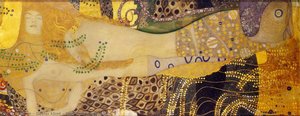
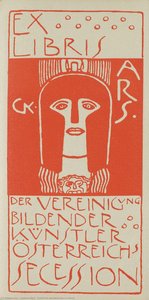
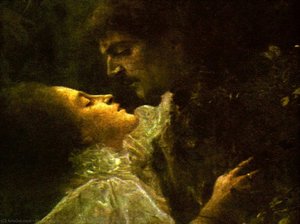
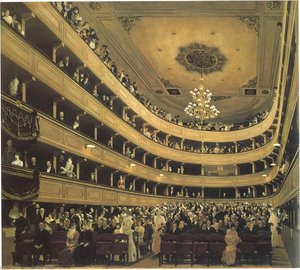
アーティストの略歴
The Lens of a Golden Era: The Life and Legacy of Moritz Nähr
In the twilight of the nineteenth century, as the rigid structures of academic tradition began to fracture under the weight of modernity, a new way of seeing emerged from the heart of Vienna. At the center of this visual revolution stood Moritz Nähr, an artist whose camera did not merely record faces, but captured the very soul of the Vienna Secession. Born in 1859 to a Viennese furniture dealer, Nähr possessed a unique duality of perspective—a practical understanding of form and aesthetic grace inherited from his father, Johann Georg Nähr, blended with an intimate connection to the bohemian avant-garde. His life was inextricably linked to the cultural ferment of his era, placing him in the inner sanctum of the most influential minds of the twentieth century.
Nähr’s artistic journey was shaped by the shared corridors of his youth, specifically his time at the Bernhard Speneder Private School. It was here that he forged a lifelong bond with Gustav Klimt, a friendship that would evolve into one of the most significant collaborations in photographic history. As Klimt led the charge against artistic stagnation through the Secession movement, Nähr became its unofficial chronicler. His lens provided a vital, candid counterpoint to the grand, often gilded canvases of the era, offering instead a stripped-back, monochrome intimacy that humanized the icons of modernism.
Capturing the Spirit of the Secession
The work of Moritz Nähr transcends the boundaries of traditional portraiture, acting as a profound historical document of an intellectual epoch. Through his mastery of black and white photography, he captured the luminaries of Vienna—from the musical genius of Gustav Mahler to the philosophical depth of Ludwig Wittgenstein. His ability to manipulate light and shadow allowed him to move beyond mere likeness, reaching toward a psychological truth that mirrored the experimental spirit of his contemporaries. In his hands, the camera became an instrument of the avant-garde, documenting not just people, but the shifting zeitgeist of a city in transition.
Some of his most evocative works serve as windows into the private moments of greatness:
- The Beethoven Frieze Documentation: His breathtaking photographic record of the 14th exhibition of the Vienna Secession, specifically the left side hall featuring Klimt’s monumental frieze, remains an essential archive of architectural and artistic triumph.
- Intimate Portraits of Klimt: Whether capturing the painter in a moment of quiet dignity on the shores of Lake Attersee or the tender, unexpected vulnerability of Gustav Klimt holding a cat, Nähr stripped away the public persona to reveal the man beneath the myth.
A Lasting Visual Heritage
The historical significance of Moritz Nähr lies in his role as the bridge between the tangible and the ephemeral. While the paintings of the Secession movement often sought to immortalize subjects through gold leaf and intricate patterns, Nähr’s photography captured the fleeting, the raw, and the authentic. He documented the very spaces where art was being redefined, ensuring that the atmosphere of the Secessionist exhibitions would never be lost to time. His oeuvre serves as a vital companion to the era's fine arts, providing the necessary context for understanding the faces and environments that birthed modernism.
Though he passed away in 1945, marking the end of an era much like the one he documented, Nähr’s legacy remains undiminished. He stands as a pivotal figure whose work allows us to revisit a Vienna defined by intense creativity and intellectual bravery. Through his meticulous approach and keen eye, the shadows of the past are brought into sharp, enduring focus, reminding us that the true essence of art often resides in the quiet, unposed moments captured between the shutter clicks.
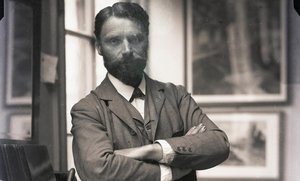
moritz nähr
1859 - 1945 , Austria
基本情報
- Artistic Movement Or Style: Photography
- Artists Or Movements Influenced By This Artist: ['Vienna Secession']
- Artists Who Influenced This Artist: ['Gustav Klimt']
- Date Of Birth: August 4, 1859
- Date Of Death: June 29, 1945
- Full Name: Moritz Nähr
- Nationality: Austrian
- Notable Artworks:
- Gustav Klimt in the garden of his studio
- Left side hall with the Beethoven frieze by Gustav Klimt
- Gustav Klimt, holding a cat
- Place Of Birth: Vienna, Austria
関連記事

グスタフ・クリムト傑作25選:華麗なる装飾性と象徴が織りなす世界 | ArtsDot
グスタフ・クリムトの傑作25選。華麗なる装飾性と象徴が織りなす世界を紐解きます。キス、ポートレートなど、美術史に残る名画の物語と技法をArtsDotで。高品質複製画やインテリアアートも豊富に。今すぐコレクションをご覧ください。
アール・ヌーヴォーを彩る至宝:10の傑作が語る芸術と装飾の世界
アール・ヌーヴォーの魅力を再発見!ムンロ、ドレ、ガウディ…10の傑作が織りなす曲線美の世界。芸術と装飾が融合した至高のアートをArtsDotで堪能し、お部屋に新たな彩りを。コレクションをオンラインで探索しましょう。
The Vienna Secession: A Rebellion of Form & Spirit in Fin-de-Siècle Art
Discover the revolutionary Vienna Secession art movement! Explore Klimt, Olbrich & more. Learn about its history, characteristics & lasting influence on modern art. High-quality reproductions available.

Giclée Prints: Archival Quality & Aesthetic Nuances for the Discerning Collector
Explore the world of giclée prints with ArtsDot. Learn about archival quality, aesthetic nuances & investment potential. Expert guidance for discerning art collectors seeking museum-quality reproductions and lasting value.
Gustav Klimt: A Golden Legacy of Sensuality & Symbolism in Viennese Art
Explore the captivating world of Gustav Klimt with ArtsDot. Discover his iconic paintings, the Vienna Secession movement, & enduring legacy. High-quality reproductions available.

