

 プレビュー
プレビュー
 プリントを購入
 シェアする
シェアする シェアする
シェアする
 詳細を見る
詳細を見る

 ダウンロード
 似ている作品
 X線調査
X線調査 スライドショー
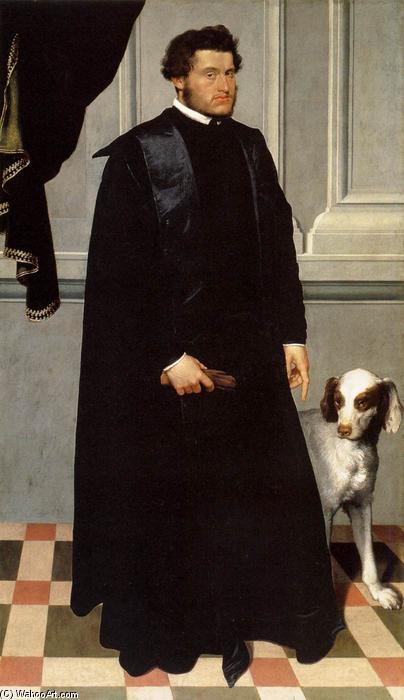
Gian Lodovico Madruzzo
 Oil On Canvas
- WallArt
- Renaissance Portraiture
 1551
1551 202.0 x 117.0 cm
 Art Institute of Chicago
 詳細を見る
詳細を見る




P118B $10

P118H $10

P118W $10

P438Z $10

P508JH $12

P508YH $12

P805H $10

P805Z $10

P919BZ $10

P919G $10

P919XJ $10

P959ZH $10

P968JZ $12

W106C $8

W218G $10

W218JH $8

W218Y $10

W307PJ $10

W316G $10

W316PJ $8

W316Y $10

W398PJ $8

W4111J $10

W500HY $15

W500JH $15

W692G $12

W849H $8

W940BG $15

W953PJ $8




作品のオリジナル比率に合わせた、当店の規定サイズからお選びください。

特定のフレームやスペースに合わせて、ご希望のサイズをご入力いただけます。選択されたサイズが元の画像の比率と異なる場合、アートワークをトリミングするか、手描きで要素を追加して絵画を拡張いたします。デジタルモックアップ を制作し、制作開始前にご確認(承認)をいただきます。
画面上のプレビューは、実際のトリミングや拡張を正確に反映しているものではありません。最終的な構図は、モックアップによってのみ正確にご確認いただけます。
カスタムサイズもご利用いただけますが、元の比率を維持するためには、あらかじめ用意されたリストからサイズを選択することをお勧めいたします。
ご注文後、ArtsDot.com チームより詳細な指示をお送りするとともに、仕上がりイメージ(モックアップ)をご提供いたします。


 ガラスオプションは、110cm未満のサイズでのみご利用いただけます。

Gian Lodovico Madruzzo
複製技法
複製画のサイズ
-


合計金額
$ 263
作品解説
A Renaissance Portrait of Contemplation: Gian Lodovico Madruzzo by Giovanni Battista Moroni
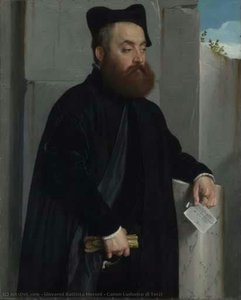
Giovanni Battista Moroni’s “Gian Lodovico Madruzzo,” painted in 1551-1552, is more than just a likeness; it's a profound meditation on human experience captured with the meticulous detail and evocative light characteristic of the Lombard Renaissance. Housed within the Art Institute of Chicago’s esteemed collection, this oil on canvas offers a rare glimpse into the inner life of a 16th-century nobleman, inviting viewers to ponder his thoughts alongside him.
The subject himself, Gian Lodovico Madruzzo, was a prominent figure in Venetian society – a canon and later prince-bishop of Trent. Moroni’s decision to portray him not amidst grand courtly scenes but in quiet contemplation speaks volumes about the artist's understanding of his patron’s character. The man stands before a simple, checkered floor, its red, white, and black squares providing a subtly contrasting backdrop to his dark robe. This deliberate simplicity draws attention directly to his face – a study in restrained expression, hinting at both intelligence and a certain melancholy.
The Master's Technique: Realism Elevated
Moroni’s skill lies not merely in replicating appearance but in conveying the *essence* of his subject. He was renowned for his “al vero” – painting ‘from life,’ as Titian famously described him. This is evident in the remarkably realistic rendering of textures, from the fine weave of the robe to the subtle sheen on Gian Lodovico’s skin. The artist masterfully employs chiaroscuro—the dramatic interplay of light and shadow—to sculpt the figure, creating a sense of volume and depth that transcends mere representation. Note particularly how the light catches the curve of his hand holding the book, highlighting its weight and suggesting an active engagement with thought.
The use of color is equally deliberate. Moroni favors muted earth tones – browns, ochres, and grays – creating a somber yet dignified atmosphere. This palette reinforces the contemplative mood, avoiding any ostentation or superficiality. The background wall, illuminated by a window, provides a soft, diffused light that further emphasizes the subject’s stillness.
Symbolism and Context: A Portrait of Power and Reflection
The inclusion of the book is significant. It suggests scholarship, contemplation, and perhaps even spiritual reflection – qualities highly valued in Renaissance nobility. The pose itself—the raised hand, the direct gaze—commands attention and conveys a sense of authority tempered by introspection. Considering that Moroni painted this portrait during the Council of Trent, a pivotal moment for the Catholic Church, it’s plausible that Gian Lodovico Madruzzo was seeking to project an image of stability and wisdom amidst turbulent times.
Interestingly, Moroni created similar portraits of his subject's brother, Gian Federico Madruzzo, also at the National Gallery of Art in Washington. These paired works offer a fascinating insight into the family’s aspirations and the artist’s evolving style. The fact that these portraits were once displayed together in Trent’s Castello del Buonconsiglio underscores their importance within the noble household.
A Timeless Masterpiece: Reproductions for Today
The enduring appeal of “Gian Lodovico Madruzzo” lies not only in Moroni's technical brilliance but also in its ability to connect with viewers across centuries. Today, discerning art lovers and interior designers can experience the beauty and depth of this Renaissance masterpiece through meticulously crafted oil painting reproductions available at ArtsDot.com. These reproductions capture the essence of Moroni’s original – the subtle nuances of expression, the masterful use of light and shadow, and the profound sense of contemplative stillness—making them a stunning addition to any collection or space.
For further exploration, we encourage you to visit the Art Institute of Chicago's website (https://www.artic.edu/artworks/4081/gian-lodovico-madruzzo) and delve into the artist’s biography on Wikipedia, as well as the Web Gallery of Art (https://www.wga.hu/html_m/m/moroni/madruzzo.html) for a deeper understanding of Giovanni Battista Moroni’s remarkable legacy.
関連作品
アーティストの略歴
ジョヴァンニ・バッティスタ・モローニ:その生涯と遺産
幼少期と修業の時代
1520年、イタリアのベルガモ近郊にあるアルビノにて、ジョヴァンニ・バッティスタ・モローニ(ジャンバッティスタ・モローニとしても知られる)は産声を上げました。建築家であった父アンドレア・モローニの存在は、芸術的才能が開花するための豊かな土壌となりました。彼はブレシアにおいて、アレッサンドロ・ボンヴィチーノ(モレットとして親しまれた巨匠)のもとで最初の研鑽を積みました。この初期の徒弟修行こそが、彼の卓越した技術力と、ルネサンス絵画の精緻な技法に対する深い理解の礎となったのです。
芸術的発展と受けた影響
モローニの芸術的な旅路は、トレントやベルガモといったイタリアの様々な都市を巡ることとなりました。その歩みにおいて決定的な瞬間が訪れたのは、トレント滞在中のことでした。そこで彼は、巨匠ティツィアーノや伯爵司教クリストフォロ・マドルッツォとの出会いを果たします。ティツィアーノから受けた影響は、モローニの色彩感覚や、光を操る洗練された手法の中に鮮明に刻み込まれています。初期には古典的なルネサンス様式の影響を強く受けていたものの、彼は次第に、優雅さと写実性を兼ね備えた独自のマネリスム的アプローチを確立させていきました。
作品の核心をなす特徴
- 肖像画:モローニの名声は、主に地元の貴族や聖職者を描いた肖像画によって支えられています。彼の描く人物像は、単なる外見の模写に留まりません。それは人物の品格と心理的な深淵を捉えた、洞察に満い人物研究そのものなのです。
- 写実主義と自然主義:彼は自然主義的な技法と細部への鋭い眼差しを用い、肖像画の中に、まるでそこに存在しているかのような即時性と臨場感を生み出しました。
- 銀色を帯びた色調:モローニの絵画を際立たせているのは、光と影の繊細な階調によって描き出される、うっとりとするような美しい銀色のトーンです。
- 宗教画:肖像画ほど多くはありませんが、モローニは宗教的な主題を描いたキャンバスも残しています。これらの作品には、クアトロチェント(15世紀)後期の構成を彷彿とさせる、より古風な様式が見て取れます。
語り継がれる名作たち
モローニの代表作として、以下の作品が挙げられます:
- 仕立屋(The Tailor):現在ロンドンのナショナル・ギャラリーに収蔵されているこの作品は、日常の営みと人物の個性を写実的に描き出す彼の真骨頂を示す傑作です。
- ジャン・ロドヴィーコ・マドルッツォ:権威と内省的な精神性の両面を見事に捉えた、非常に印象的な肖像画です。
- ベルガモの貴族たちの数多くの肖像画は、16世紀社会の貴重な視覚的記録として、今なお私たちに歴史を伝えています。
歴史的意義と受け継がれるもの
ジョヴァンニ・バッティスタ・モローニの作品は、イタリア美術史において極めて重要な地位を占めています。彼は盛期ルネサンスの理想と、台頭しつつあったマネリスム様式の架け橋となり、優雅でありながら心理的な説得力を持つ肖像画を生み出しました。その影響は、被写体の本質を捉える手腕に敬意を払ったフラ・ガルガリオやピエトロ・ロンギといった後世の画家たちへと受け継がれていきました。今日、彼の作品はウフィツィ美術館やナショナル・ギャラリーといった世界的な美術館に展示され、時代を超えて芸術愛好家や研究者たちの心を捉え続けています。
結びに代えて
モローニの遺産とは、肖像画を単なる「再現」の域から高めたその手腕にあります。彼は作品に人間味と心理的な奥行きを吹き込み、それが数世紀を経た今もなお、観る者の心に深く響き続けているのです。彼の絵画は、16世紀イタリアの生活と個性の断片を私たちに垣間見せ、チェンクエチェント(16世紀)を代表する巨匠としての地位を揺るぎないものとしています。
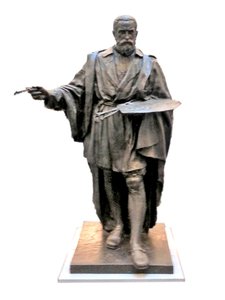
ジョヴァンニ・バッティスタ・モローニ
1520 - 1578
基本情報
- Birth Date: 1520年
- Birth Place: イタリア、アルビーノ
- Death Date: 1578年
- Influenced:
- フラ・ガルガリオ
- ピエトロ・ロンギ
- Influenced By: ティツィアーノ、アレッサンドロ・ボンヴィチーノ
- Movement: マニエリスム
- Name: ジョヴァンニ・バッティスタ・モローニ
- Nationality: イタリア人
- Notable Works:
- 仕立て屋
- ジャン・ロドヴィーコ・マドルッツォ
関連記事

The Enduring Legacy of Oil on Canvas: Technique, History & Aesthetic Impact
Explore the rich history & techniques of oil painting – from Renaissance masters to Impressionism. Discover pigments, layering methods, and why this timeless medium endures. Expert insights for artists & art enthusiasts.

Oil on Canvas: A Historical & Technical Exploration of a Timeless Artistic Medium
Explore the rich history & enduring techniques of oil painting on canvas. Discover the science behind its longevity, conservation practices, and contemporary relevance. Expert insights for art enthusiasts.

The Enduring Power of Painting: A Historical & Contemporary Exploration of Form and Emotion
Explore the rich history & enduring techniques of oil painting with ArtsDot. Discover masterpieces, learn about art collecting, and find authentic handmade reproductions crafted by skilled artists.

油彩のキャンバス:技法、歴史、そして現代の実践 - 古典美術愛好家へ
油彩の技法、歴史、巨匠たちの秘密を徹底解説。古典美術愛好家向けに、初期フランドル絵画から現代の実践まで深く掘り下げます。ArtsDotで高品質な複製画やカスタムオーダーも承ります。
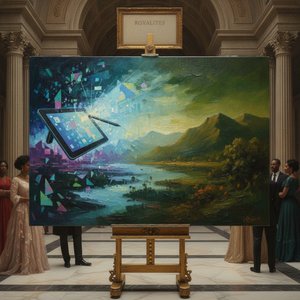
NFTコレクター向け:デジタル画像を手描きオイルレプリカに変換し、ミュージアム品質で収益と価値を最大化
ArtsDotは、デジタル画像をミュージアム品質の手描きオイルレプリカへ変換する専門家です。高い技術と厳格な品質管理で、NFTコレクターに信頼できる投資価値を提供します。

