

 プレビュー
プレビュー
 プリントを購入
 シェアする
シェアする シェアする
シェアする
 詳細を見る
詳細を見る

 ダウンロード
 似ている作品
 X線調査
X線調査 スライドショー
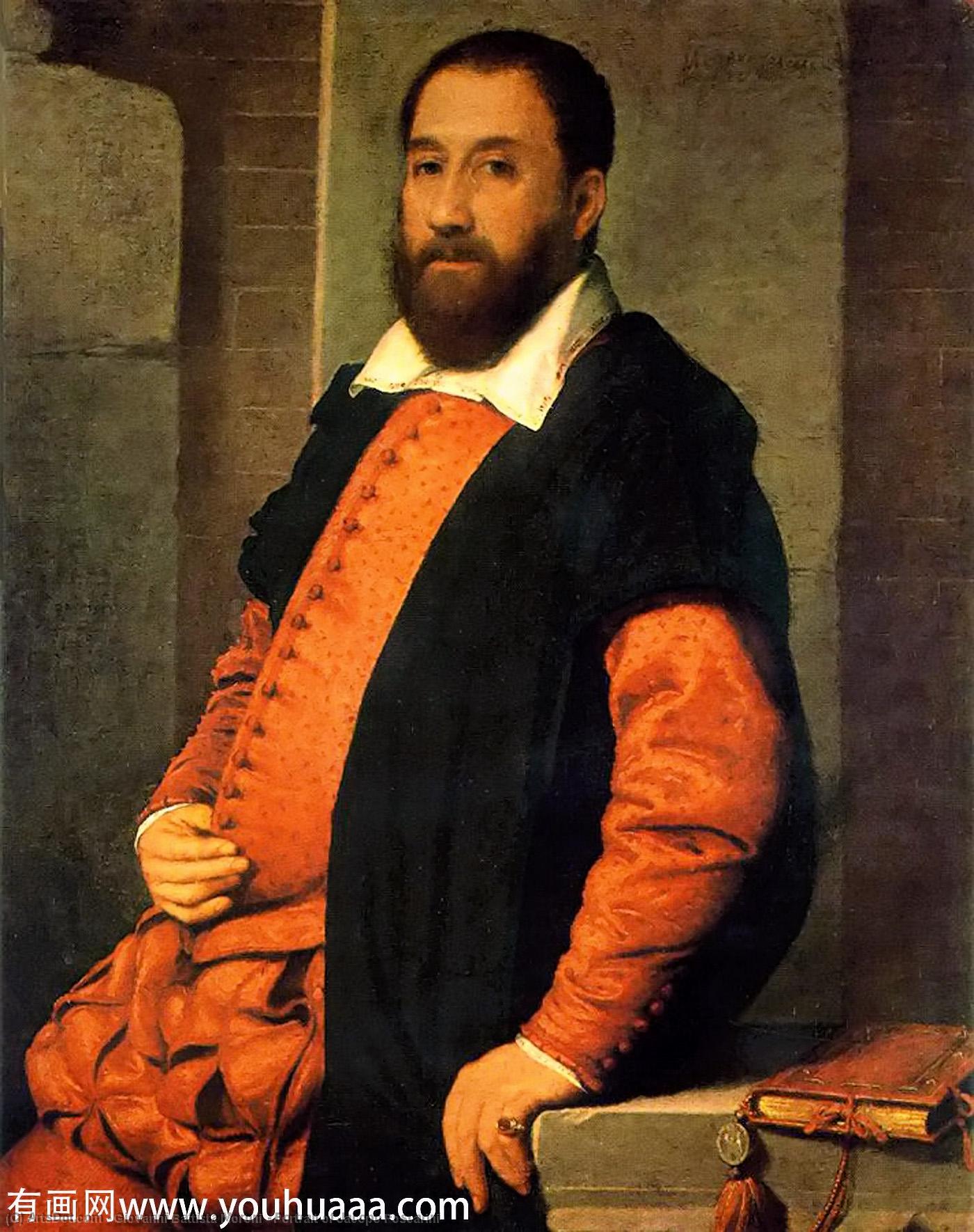
Portrait of Jacopo Foscarini
 Oil On Canvas
- WallArt
- Mannerist Painting
 1575
1575- Renaissance
 105.0 x 84.0 cm
 Szépművészeti Múzeum
 詳細を見る
詳細を見る
オンラインプレビューをはるかに凌ぐ、高解像度で鮮明なデジタル画像をご購入いただけます。
各ファイルは、社内の専門家が高度なツールと熟練した手作業によるレタッチを用いて、細心の注意を払って準備されています。すべての画像において、卓越した鮮明度、正確な色彩再現性、そして繊細なディテールを保証いたします。
最終ファイルは、プロフェッショナルな編集・印刷環境ですぐにご利用いただけるよう最適化された状態で、72時間以内にメールにてお届けいたします。これは、一流のデザインスタジオ、出版社、ギャラリーから信頼されているものと同等の品質です。
デジタル画像のご注文に付随する特典
高品質なデジタル画像配信を、確かな品質で。
ArtsDot.com を選ぶことは、単に画像を手に入れることではありません。それは、プロの手によって精密に仕上げられ、満足保証が付いた高品質なデジタルアートワークを受け取ることを意味します。ご注文いただいた際に自動的に付随する内容は、以下の通りです:

メールですぐにお届け
ご注文から72時間以内に、高解像度のデジタル画像ファイルがメールでお手元に届きます。すぐにそのままご利用いただけます。

AI技術で最適化されたデジタルファイル
お客様の作品は、高度なAIツールと専門家による手作業の編集を組み合わせてプロフェッショナルに最適化されており、細部のディテール、鮮明さ、そして正確な色再現性を最大限に引き出しています。

一生涯無料の再送サービス
ファイルを誤って削除したり、紛失してしまったりしましたか?ご安心ください。いつでも無料で再送いたします。

輸入手数料は一切かかりません
関税や手数料、配送料を気にすることなく、お気に入りのアートワークをすぐにお楽しみいただけます。デジタルダウンロードは常に免税です。

色彩再現の保証
プロ仕様のツールとカラーマネジメント技術を用いることで、デジタル画像が元の色を最大限に忠実に再現することを保証いたします。

60日間満足保証
ご購入いただいたデジタル画像にご満足いただけない場合は、60日以内であれば、修正または100%の返金(理由を問う必要はありません)をさせていただきます。

100% 返金保証
ご満足いただけない場合は、デジタルファイルを受け取ってから60日以内であれば、理由を問わず全額返金いたします。

まとめ買い割引
3枚購入で10%OFF - 5枚購入で15%OFF - 10枚以上購入で20%OFF。クリエイティブなプロジェクト、ギャラリー、エージェンシーに最適です。
Portrait of Jacopo Foscarini – A Masterpiece of Venetian Mannerism
Giovanni Battista Moroni’s “Portrait of Jacopo Foscarini” stands as a testament to the elegance and psychological depth characteristic of Venetian Mannerism, a stylistic movement that flourished in the mid-16th century. Painted around 1575, this artwork transcends mere representation; it delves into the inner life of its subject—Jacopo Foscarini—a wealthy merchant and diplomat serving the Republic of Venice—capturing him with remarkable precision and conveying an aura of contemplative intellect.- Subject Matter: The portrait depicts Foscarini seated before a bookcase filled with books, a deliberate compositional choice that speaks to Foscarini’s erudition and intellectual pursuits – a common motif in portraits commissioned by Venetian elites during the Renaissance.
- Style & Technique: Moroni employed a Mannerist style marked by refined modeling, subtle shading, and an emphasis on expressive gesture. Unlike the idealized figures of earlier Renaissance painters, Foscarini’s face exhibits realistic wrinkles and lines, reflecting the passage of time and conveying a sense of dignified melancholy. The artist skillfully utilized chiaroscuro—the dramatic interplay between light and shadow—to sculpt Foscarini's form and imbue the scene with emotional resonance.
- Historical Context: Created during the turbulent Ottoman–Venetian War (1570–1573), “Portrait of Jacopo Foscarini” reflects the anxieties and aspirations of Venice at a pivotal moment in its history. The Count-Bishop Cristoforo Madruzzo, Foscarini’s patron, commissioned Moroni to commemorate his achievements and solidify his position within Venetian society.
- Symbolism: The bookcase itself serves as a powerful symbol—representing knowledge, contemplation, and the pursuit of wisdom – values highly esteemed in Renaissance culture. Foscarini's gaze directs towards the books, suggesting an engagement with intellectual discourse and reinforcing the portrait’s thematic core.
Influence of Titian & Alessandro Bonvicino (Moretto)
Giovanni Battista Moroni’s artistic vision was profoundly shaped by two influential figures: Titian and Alessandro Bonvicino, known as Moretto da Riva. Titian's mastery of color and luminous technique—particularly evident in his Venetian landscapes—provided Moroni with a crucial inspiration for achieving dramatic visual effects. Similarly, Moretto’s meticulous attention to detail and refined modeling techniques instilled in Moroni a dedication to realism and expressive nuance. These influences combined to elevate Moroni’s work beyond mere imitation of stylistic conventions, establishing him as a distinctive voice within the Venetian artistic landscape.A Window into Renaissance Psychology
Moroni's portrait is remarkable not only for its technical brilliance but also for its psychological insight. He captures Foscarini’s inner state with sensitivity and nuance—revealing a man burdened by responsibility yet imbued with quiet dignity. The artist skillfully portrays Foscarini’s facial expressions, conveying subtle emotions of thoughtfulness and melancholy – qualities that resonate deeply with viewers centuries later. This achievement underscores Moroni's ability to transform visual representation into a profound exploration of human character.Rediscovering Moroni’s Legacy
Today, “Portrait of Jacopo Foscarini” resides in Palazzo Moroni, Bergamo—a testament to Giovanni Battista Moroni’s enduring artistic legacy. Its meticulous execution and evocative portrayal of human emotion continue to inspire admiration among art historians and collectors alike. Reproductions of this masterpiece offer a captivating glimpse into the Venetian Mannerist aesthetic—capturing the spirit of an era defined by intellectual curiosity and refined artistic expression.関連作品

作家の略歴
ジョヴァンニ・バッティスタ・モローニ:その生涯と遺産
幼少期と修業の時代
1520年、イタリアのベルガモ近郊にあるアルビノにて、ジョヴァンニ・バッティスタ・モローニ(ジャンバッティスタ・モローニとしても知られる)は産声を上げました。建築家であった父アンドレア・モローニの存在は、芸術的才能が開花するための豊かな土壌となりました。彼はブレシアにおいて、アレッサンドロ・ボンヴィチーノ(モレットとして親しまれた巨匠)のもとで最初の研鑽を積みました。この初期の徒弟修行こそが、彼の卓越した技術力と、ルネサンス絵画の精緻な技法に対する深い理解の礎となったのです。
芸術的発展と受けた影響
モローニの芸術的な旅路は、トレントやベルガモといったイタリアの様々な都市を巡ることとなりました。その歩みにおいて決定的な瞬間が訪れたのは、トレント滞在中のことでした。そこで彼は、巨匠ティツィアーノや伯爵司教クリストフォロ・マドルッツォとの出会いを果たします。ティツィアーノから受けた影響は、モローニの色彩感覚や、光を操る洗練された手法の中に鮮明に刻み込まれています。初期には古典的なルネサンス様式の影響を強く受けていたものの、彼は次第に、優雅さと写実性を兼ね備えた独自のマネリスム的アプローチを確立させていきました。
作品の核心をなす特徴
- 肖像画:モローニの名声は、主に地元の貴族や聖職者を描いた肖像画によって支えられています。彼の描く人物像は、単なる外見の模写に留まりません。それは人物の品格と心理的な深淵を捉えた、洞察に満い人物研究そのものなのです。
- 写実主義と自然主義:彼は自然主義的な技法と細部への鋭い眼差しを用い、肖像画の中に、まるでそこに存在しているかのような即時性と臨場感を生み出しました。
- 銀色を帯びた色調:モローニの絵画を際立たせているのは、光と影の繊細な階調によって描き出される、うっとりとするような美しい銀色のトーンです。
- 宗教画:肖像画ほど多くはありませんが、モローニは宗教的な主題を描いたキャンバスも残しています。これらの作品には、クアトロチェント(15世紀)後期の構成を彷彿とさせる、より古風な様式が見て取れます。
語り継がれる名作たち
モローニの代表作として、以下の作品が挙げられます:
- 仕立屋(The Tailor):現在ロンドンのナショナル・ギャラリーに収蔵されているこの作品は、日常の営みと人物の個性を写実的に描き出す彼の真骨頂を示す傑作です。
- ジャン・ロドヴィーコ・マドルッツォ:権威と内省的な精神性の両面を見事に捉えた、非常に印象的な肖像画です。
- ベルガモの貴族たちの数多くの肖像画は、16世紀社会の貴重な視覚的記録として、今なお私たちに歴史を伝えています。
歴史的意義と受け継がれるもの
ジョヴァンニ・バッティスタ・モローニの作品は、イタリア美術史において極めて重要な地位を占めています。彼は盛期ルネサンスの理想と、台頭しつつあったマネリスム様式の架け橋となり、優雅でありながら心理的な説得力を持つ肖像画を生み出しました。その影響は、被写体の本質を捉える手腕に敬意を払ったフラ・ガルガリオやピエトロ・ロンギといった後世の画家たちへと受け継がれていきました。今日、彼の作品はウフィツィ美術館やナショナル・ギャラリーといった世界的な美術館に展示され、時代を超えて芸術愛好家や研究者たちの心を捉え続けています。
結びに代えて
モローニの遺産とは、肖像画を単なる「再現」の域から高めたその手腕にあります。彼は作品に人間味と心理的な奥行きを吹き込み、それが数世紀を経た今もなお、観る者の心に深く響き続けているのです。彼の絵画は、16世紀イタリアの生活と個性の断片を私たちに垣間見せ、チェンクエチェント(16世紀)を代表する巨匠としての地位を揺るぎないものとしています。
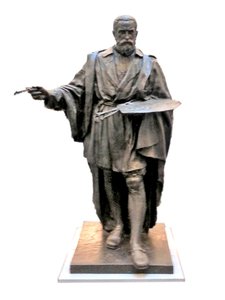
ジョヴァンニ・バッティスタ・モローニ
1520 - 1578
プロフィール概要
- Birth Date: 1520年
- Birth Place: イタリア、アルビーノ
- Death Date: 1578年
- Influenced:
- フラ・ガルガリオ
- ピエトロ・ロンギ
- Influenced By: ティツィアーノ、アレッサンドロ・ボンヴィチーノ
- Movement: マニエリスム
- Name: ジョヴァンニ・バッティスタ・モローニ
- Nationality: イタリア人
- Notable Works:
- 仕立て屋
- ジャン・ロドヴィーコ・マドルッツォ

