

 プレビュー
プレビュー
 シェアする
シェアする シェアする
シェアする
 詳細を見る
詳細を見る

 ダウンロード
 似ている作品
 X線調査
X線調査 スライドショー
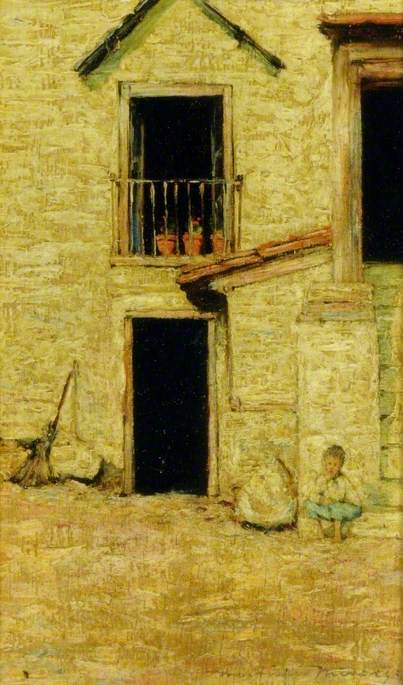
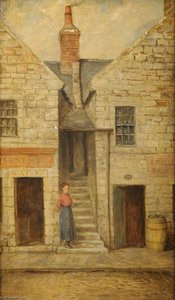
A Courtyard
 Impressionism
 16.0 x 9.0 cm
 詳細を見る
詳細を見る
ジークレー/アートプリント
迅速な制作と多彩な仕上げオプションを備えた、ミュージアムクオリティのジークレーまたはキャンバスプリント。 ( 手描きの絵画を購入 画像を購入)




































作品のオリジナル比率に合わせた、当店の規定サイズからお選びください。

特定のフレームやスペースに合わせて、ご自身でサイズを指定することも可能です。選択されたサイズが元の画像の比率と一致しない場合、作品をトリミングするか、鏡面反射または単色での塗りつぶしによって画像を拡張いたします。制作を開始する前に、ご確認用のデジタルモックアップをお送りいたします。
画面上のプレビューには、実際のトリミングや拡張は反映されませんのでご注意ください。最終的な構図を正確に確認できるのは、モックアップのみとなります。
カスタムサイズも承っておりますが、元の比率を維持するためには、あらかじめ用意されたリストからサイズを選択することをお勧めいたします。


 ガラスオプションは、110cm未満のサイズでのみご利用いただけます。

A Courtyard
ジークレー/アートプリント
複製画のサイズ
-


合計金額
$ 62
関連作品
アーティストの略歴
Gustave Courbet: A Revolutionary Vision of Reality
Born in Ornans, France, in 1819, Gustave Courbet’s life and art were inextricably linked to a profound desire to challenge the established norms of the French art world. His early years, marked by a rebellious spirit instilled by his anti-monarchical family, foreshadowed a lifelong commitment to portraying the realities of everyday life—not idealized landscapes or mythological scenes, but the lives of ordinary people, particularly laborers and peasants. This dedication to depicting the tangible world would ultimately define him as a pivotal figure in the development of Realism, a movement that irrevocably altered the course of 19th-century art.
Courbet’s artistic journey began with formal training at the École des Beaux-Arts in Paris, an institution steeped in tradition and focused on academic painting. However, he quickly grew disillusioned with the rigid rules and emphasis on historical or mythological subjects. Rejecting these conventions, Courbet famously declared that he would only paint what he could see – a statement that became the cornerstone of his artistic philosophy. This commitment led him to abandon the Salon system, the official exhibition controlled by the Académie des Beaux-Arts, and instead organize his own independent exhibitions, most notably in 1855, which generated considerable controversy and ultimately solidified his reputation as a radical innovator.
The Painter’s Studio: A Masterpiece of Allegory
"The Painter's Studio" (L’Atelier du Peintre), completed around 1855, stands as the most compelling example of Courbet’s artistic vision. This monumental canvas—nearly twelve feet tall and nearly twenty feet wide—is far more than a simple depiction of an artist at work; it is a complex allegory exploring themes of labor, creativity, and social status. The painting features Courbet himself, along with a nude woman who serves as his model, a young boy observing the scene, and a variety of tools and materials scattered across the studio floor.
The composition is deliberately unconventional. The figures are arranged in a seemingly haphazard manner, yet each element contributes to the painting’s overall meaning. The nude woman, often interpreted as representing Muse or inspiration, stands in stark contrast to the rough-hewn tools and the boy's humble attire, highlighting the disparity between artistic creation and the realities of everyday life. Courbet masterfully employs a muted color palette and a realistic style, eschewing idealized forms and dramatic lighting. The painting’s scale further emphasizes its significance, asserting the importance of labor and the artist’s role in society.
Themes and Influences
Courbet's work was profoundly influenced by several factors. His upbringing in rural France instilled a deep appreciation for the natural world and the lives of ordinary people. He was also inspired by the works of earlier Realist painters, such as Jean-François Millet, who depicted peasant life with unflinching honesty. Furthermore, Courbet’s travels to Italy during the 1840s exposed him to the art of Michelangelo and Raphael, which he admired for their ability to capture human form and emotion. However, unlike his Italian counterparts, Courbet rejected the idealized forms and mythological subjects that were characteristic of Renaissance painting.
Beyond these influences, Courbet’s work was shaped by the political and social climate of 19th-century France. The period was marked by growing industrialization, urbanization, and social unrest. Courbet's paintings often addressed these issues, depicting the struggles of the working class and challenging the prevailing bourgeois values.
Legacy and Historical Significance
Despite facing criticism and rejection from the established art world, Gustave Courbet’s legacy is immense. He played a crucial role in establishing Realism as a legitimate artistic movement, paving the way for later artists such as Édouard Manet, Claude Monet, and Vincent van Gogh. His commitment to depicting the tangible world with honesty and integrity challenged traditional notions of beauty and inspired generations of artists to break free from academic constraints.
Courbet’s influence extends beyond the realm of painting. He was a vocal advocate for social justice and used his art as a means of expressing his political views. His work continues to resonate with audiences today, reminding us of the importance of confronting difficult truths and celebrating the dignity of ordinary people. He died in Paris in 1877, leaving behind a body of work that remains both challenging and profoundly rewarding.
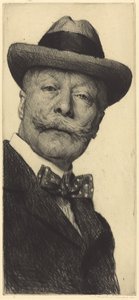
mortimer luddington menpes
1855 - 1938
基本情報
- Artistic Movement Or Style: Realism
- Artists Or Movements Influenced By This Artist:
- Impressionism
- Cubism
- Artists Who Influenced This Artist: ['Jean-François Millet']
- Date Of Birth: 1855
- Date Of Death: 1938
- Full Name: Jean Désiré Gustave Courbet
- Nationality: French
- Notable Artworks:
- The Painter’s Studio
- L'Atelier du Peintre
- Bonjour Monsieur Courbet
- Place Of Birth: Ornans, France
関連記事

Impressionistic Landscapes: 10 Masterpieces That Changed Art & Decor
Journey into the heart of Impressionism! Explore 10 masterpieces by Monet, Renoir & Degas that revolutionized landscape art. Discover their stories, techniques & find museum-quality reproductions to elevate your home decor on ArtsDot.com.

Sir Alfred Munnings' Masterpieces: 25 Paintings That Define Equine Art | ArtsDot
Explore 25 iconic Sir Alfred Munnings paintings! Discover the beauty of British Impressionism, equine art & rural England. Find museum-quality reproductions and elevate your home decor with ArtsDot. Explore the full collection online.

ジョン・コンスタブルの傑作25選:英国風景画の巨匠が描く自然と光の詩 | ArtsDot
ジョン・コンスタブルの傑作25選。英国風景画の巨匠が描く自然と光の詩の世界へ。ロマン主義を代表する絵画、デダム・ヴェールやヘイ・ウェインなど、ArtsDotで高品質なアートプリントをお楽しみください。インテリアに深みと感動を。コレクションはこちら。
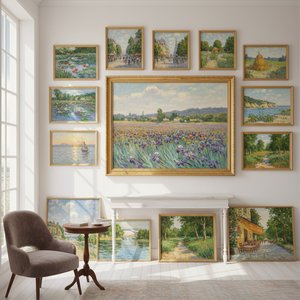
印象派風景を彩った至宝:アート史に名を刻む10選
印象派風景の革新を彩った10選。モネ、ルノワールら巨匠の名作を紐解き、色彩と光が生み出す感動の世界へ。アートの歴史とインテリアのインスピレーションをArtsDot.comで。高品質な複製画で、あなただけの空間を創造しましょう。

ポール・セザンヌ:至高の25選 - 傑作と革新の軌跡 | ArtsDot
ポール・セザンヌの至高の25選。ポスト印象派を代表する画家、セザンヌの傑作と革新的な技法を紐解きます。ArtsDotで高品質な複製画やインテリアアートを見つけ、芸術の世界をご自宅に。今すぐコレクションをご覧ください。

