 プレビュー
プレビュー
 シェアする
シェアする シェアする
シェアする
 詳細を見る
詳細を見る

 ダウンロード
 似ている作品
 X線調査
X線調査 スライドショー
 Stats
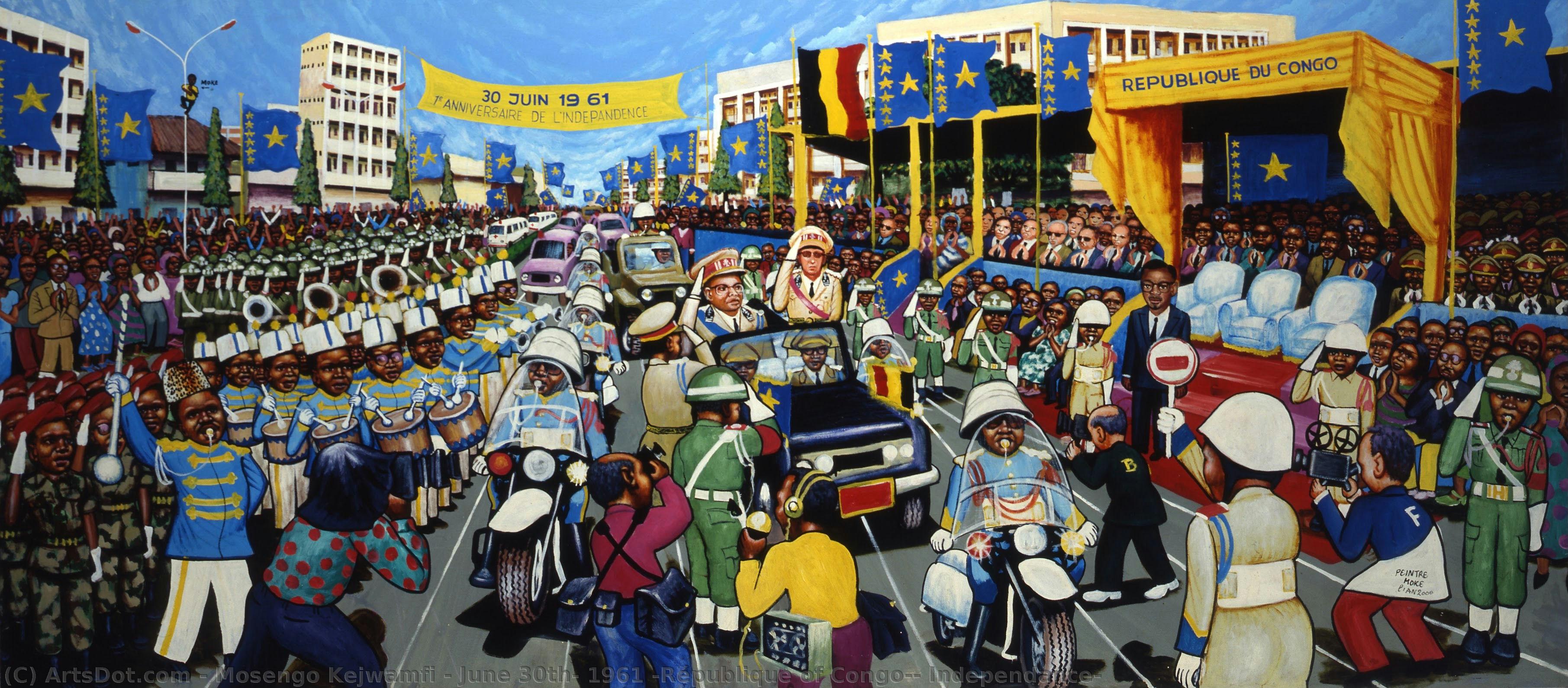
StatsJune 30th, 1961 (République of Congo), Independance
 2000
2000 145.0 x 319.0 cm
 詳細を見る
詳細を見る
手描き油彩複製画
当社のアーティストが、お客様のご希望のサイズと額縁に合わせて、キャンバスに手描きで制作する油彩画です。 ( Switch to Print Switch to Digital Image)




































標準サイズ
オーダーメイド
CM
INCH
作品のオリジナル比率に合わせた、当店の規定サイズからお選びください。
Loading sizes...

幅
高さ
特定のフレームやスペースに合わせて、ご希望のサイズをご入力いただけます。選択されたサイズが元の画像の比率と異なる場合、アートワークをトリミングするか、手描きで要素を追加して絵画を拡張いたします。デジタルモックアップ を制作し、制作開始前にご確認(承認)をいただきます。
画面上のプレビューは、実際のトリミングや拡張を正確に反映しているものではありません。最終的な構図は、モックアップによってのみ正確にご確認いただけます。
カスタムサイズもご利用いただけますが、元の比率を維持するためには、あらかじめ用意されたリストからサイズを選択することをお勧めいたします。
カスタマイズの例:顔をお客様の写真に置き換える、ペットを追加する(例:猫を犬に変更)、背景に隠れたメッセージを入れる、背景の風景や要素を変更するなど。
ご注文後、ArtsDot.com チームより詳細な指示をお送りするとともに、仕上がりイメージ(モックアップ)をご提供いたします。
ご注文後、ArtsDot.com チームより詳細な指示をお送りするとともに、仕上がりイメージ(モックアップ)をご提供いたします。


 ガラスオプションは、110cm未満のサイズでのみご利用いただけます。

June 30th, 1961 (République of Congo), Independance
複製技法
複製画のサイズ
-


合計金額
$ 263
Seen rightly as a “painter reporter” of city life, Moke (born 1950, Ibe, Bandundu Province, Belgian Congo, died in Kinshasa, Democratic Republic of the Congo, 2001) was among the leading artists of the school of popular painting that sprung up in Kinshasa in the first decade of Zaïre’s independence. He arrived in Kinshasa at the age of ten, living hand to mouth and day by day. Discovering that there was a market for paintings, he taught himself how to render landscapes on discarded pieces of cardboard. In 1965 he painted a picture representing General Mobutu waving to the crowds as he led the parade commemorating Independence Day; this composition, which he returned to many times in later years, launched Moke’s career. He set up a studio at the crossroads of Kasa Vubu and Bolobo avenues, the district where many billboard and advertising artists worked, and immersed himself in the daily life of the city from which he drew his inspiration.Moke adopted the conventions of commercial art, boldly outlining his robust figures without concern for likeness or perspective. Instead, he celebrated the painterly aspects of his art, using a rich palette and vividly animated compositions. Unlike Chéri Samba or Cheik Ledy, who were to follow in his footsteps, Moke rarely depicted social conflict. Rather, his sympathetic and vivaciously humorous paintings were grounded in his observation of daily life in Kinshasa: street scenes, bars, the local dandies known as sapeurs, the powerful Miziki (associations of financially independent women), all-night parties, neighborhood disputes, and public ceremonies all found their way into his canvases.