

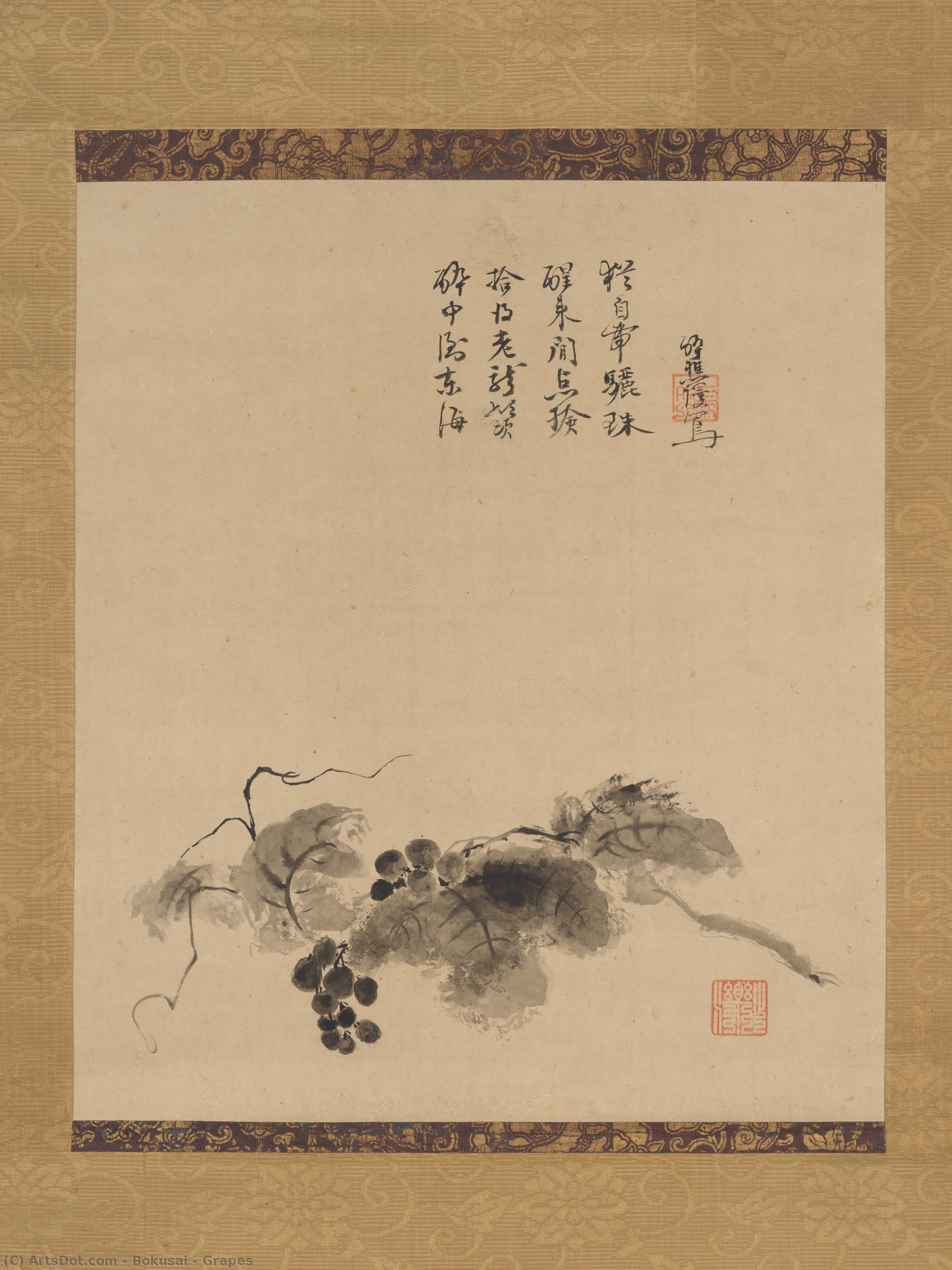
 プレビュー
プレビュー
 プリントを購入
 シェアする
シェアする シェアする
シェアする
 詳細を見る
詳細を見る

 ダウンロード
 似ている作品
 X線調査
X線調査 スライドショー
Grapes
 Ink
Ink- WallArt
- Zen Ink Painting
 1492
1492- Renaissance
 45.0 x 39.0 cm
 詳細を見る
詳細を見る




P118B $10

P118H $10

P118W $10

P438Z $10

P508JH $12

P508YH $12

P805H $10

P805Z $10

P919BZ $10

P919G $10

P919XJ $10

P959ZH $10

P968JZ $12

W106C $8

W218G $10

W218JH $8

W218Y $10

W307PJ $10

W316G $10

W316PJ $8

W316Y $10

W398PJ $8

W4111J $10

W500HY $15

W500JH $15

W692G $12

W849H $8

W940BG $15

W953PJ $8




作品のオリジナル比率に合わせた、当店の規定サイズからお選びください。

特定のフレームやスペースに合わせて、ご希望のサイズをご入力いただけます。選択されたサイズが元の画像の比率と異なる場合、アートワークをトリミングするか、手描きで要素を追加して絵画を拡張いたします。デジタルモックアップ を制作し、制作開始前にご確認(承認)をいただきます。
画面上のプレビューは、実際のトリミングや拡張を正確に反映しているものではありません。最終的な構図は、モックアップによってのみ正確にご確認いただけます。
カスタムサイズもご利用いただけますが、元の比率を維持するためには、あらかじめ用意されたリストからサイズを選択することをお勧めいたします。
ご注文後、ArtsDot.com チームより詳細な指示をお送りするとともに、仕上がりイメージ(モックアップ)をご提供いたします。


 ガラスオプションは、110cm未満のサイズでのみご利用いただけます。

Grapes
複製技法
複製画のサイズ
-


合計金額
$ 263
作品解説
関連作品




アーティストの略歴
Hans Memling: A Master of Bruges
Hans Memling, a name synonymous with the serene beauty and meticulous detail of Early Netherlandish painting, was born around 1430 in Seligenstadt, near Frankfurt, Germany – a location that would profoundly shape his artistic journey. While often categorized as German, Memling’s formative years were spent immersed in the vibrant art scene of the Low Countries, specifically within the influential workshop of Rogier van der Weyden in Brussels. This apprenticeship proved pivotal, laying the foundation for his distinctive style and establishing him firmly within the tradition of Early Netherlandish painting, a period characterized by its profound realism, symbolic depth, and exquisite technical skill. His early life, marked by movement and exposure to diverse artistic approaches, ultimately culminated in his establishment as one of Bruges’s leading artists by 1465, a city that would become his lifelong home and the epicenter of his creative output.Early Influences and Artistic Development
Memling's artistic development was inextricably linked to Rogier van der Weyden, whose mastery of color, composition, and psychological realism served as a guiding light. However, Memling quickly distinguished himself through a more restrained palette and an emphasis on elegant detail – a characteristic that would become his hallmark. Unlike Van der Weyden’s often dramatic and emotionally charged scenes, Memling favored a quieter, more contemplative approach, imbuing his works with a sense of dignified serenity. His early commissions were largely devotional in nature, reflecting the prevailing religious piety of the era. Crucially, he didn't simply replicate existing styles; he absorbed and adapted them, adding his own subtle refinements and developing a unique visual language. The influence of Italian Renaissance art, particularly its emphasis on perspective and naturalism, can also be detected in some of his later works, demonstrating his willingness to embrace new artistic trends.The Workshops of Bruges: A Hub of Artistic Production
By 1465, Memling had settled in Bruges, a thriving commercial center and a major European art market. He quickly established a prolific workshop, employing numerous assistants and apprentices – a testament to his growing reputation and the demand for his work. This workshop system wasn’t merely a production line; it fostered an environment of artistic exchange and experimentation. Memling himself often oversaw key aspects of the process, ensuring quality control and injecting his distinctive stylistic elements into the finished pieces. The workshop's success was fueled by its ability to cater to a diverse clientele – wealthy merchants, noblemen, religious institutions, and even foreign dignitaries all commissioned works from Memling and his team. The sheer volume of output speaks volumes about his skill and the esteem in which he was held.Key Works and Artistic Characteristics
Memling’s oeuvre is characterized by a remarkable consistency in style and subject matter, particularly within his religious paintings. He frequently depicted scenes from the lives of Christ, Mary, and the saints, often employing a carefully orchestrated balance between realism and symbolism. Notable works include “The Last Judgment,” a monumental altarpiece created for the Florentine businessman Angelo Tani (later seized by pirates), and a series of devotional panels featuring Saint John the Baptist, Saint John the Evangelist, and various biblical figures. These paintings are distinguished by their exquisite detail – from the folds of clothing to the textures of fabrics – as well as their serene compositions and luminous color palettes. The use of gold leaf adds an ethereal quality to many of his works, enhancing their visual impact and conveying a sense of spiritual transcendence. The inclusion of donor portraits—depictions of patrons alongside religious figures—became increasingly common in Memling’s later work, reflecting the growing importance of secular patronage within the art world.Legacy and Historical Significance
Despite his immense talent and prolific output, Hans Memling's artistic legacy was largely overshadowed during his lifetime. He enjoyed considerable popularity in the 19th century, when his works were rediscovered and championed by Romantic art historians. Today, Memling is recognized as one of the most important figures in Early Netherlandish painting – a master of detail, serenity, and refined elegance. His paintings offer a profound glimpse into the religious beliefs, artistic conventions, and social dynamics of 15th-century Europe. His influence can be seen in subsequent generations of artists, particularly those who followed in the tradition of Rogier van der Weyden. Memling’s work continues to captivate viewers with its timeless beauty and enduring appeal, solidifying his place as a pivotal figure in the history of art.
motsurin jōtō没倫紹等
1465 - 1522 , Japan
基本情報
- Artistic Movement Or Style: Early Netherlandish painting
- Artists Or Movements Influenced By This Artist: ['']
- Artists Who Influenced This Artist: ['Rogier van der Weyden']
- Date Of Birth: c. 1430
- Date Of Death: 1494
- Full Name: Hans Memling
- Nationality: German-Flemish
- Notable Artworks:
- The Last Judgement
- Scenes from Passion
- Adoration of Magi
- Annunciation
- Madonna & Child
- Place Of Birth: Seligenstadt, Germany
関連記事
Ephemeral Expressions: Exploring the Nuances of Ink on Paper Through History & Contemporary Art
Explore the captivating world of ink wash painting – from its ancient origins to contemporary masters. Discover techniques, symbolism & conservation insights with ArtsDot.com.

Serenity on Canvas: A Guide to the Timeless Beauty of Japanese Landscape Painting
Discover the serene beauty of Japanese landscape painting. From Hokusai's iconic woodblock prints to meditative sumi-e ink washes, explore a visual journey through the 'floating world' and learn how to bring this timeless Zen aesthetic into your modern home decor.

Ephemeral Lines: Exploring Emotional Resonance in Ink Sketching Traditions
Explore the profound art of ink sketching! Discover techniques to express emotion, master line work, and cultivate artistic sensitivity. Learn from historical masters & unlock your creative potential.

葛飾北斎:25の傑作が語る浮世絵の世界 - ArtsDot
葛飾北斎の25選:『神奈川沖浪裏』や『富嶽三十六景』など、浮世絵の世界を深く探求。木版画の技法と日本美術の美をArtsDotで。高品質なアートプリントで空間に感動を。コレクションはこちら。

Xie Zhiliu: A Legacy of Ink Wash Painting & Modern Chinese Literati Tradition
Explore the legacy of Xie Zhiliu, a master of Chinese ink wash painting & prominent figure in modern art. Discover his techniques, influences, and contributions to literati tradition. A guide for discerning collectors.

