

 プレビュー
プレビュー
 シェアする
シェアする シェアする
シェアする
 詳細を見る
詳細を見る

 ダウンロード
 似ている作品
 X線調査
X線調査 スライドショー
 Stats
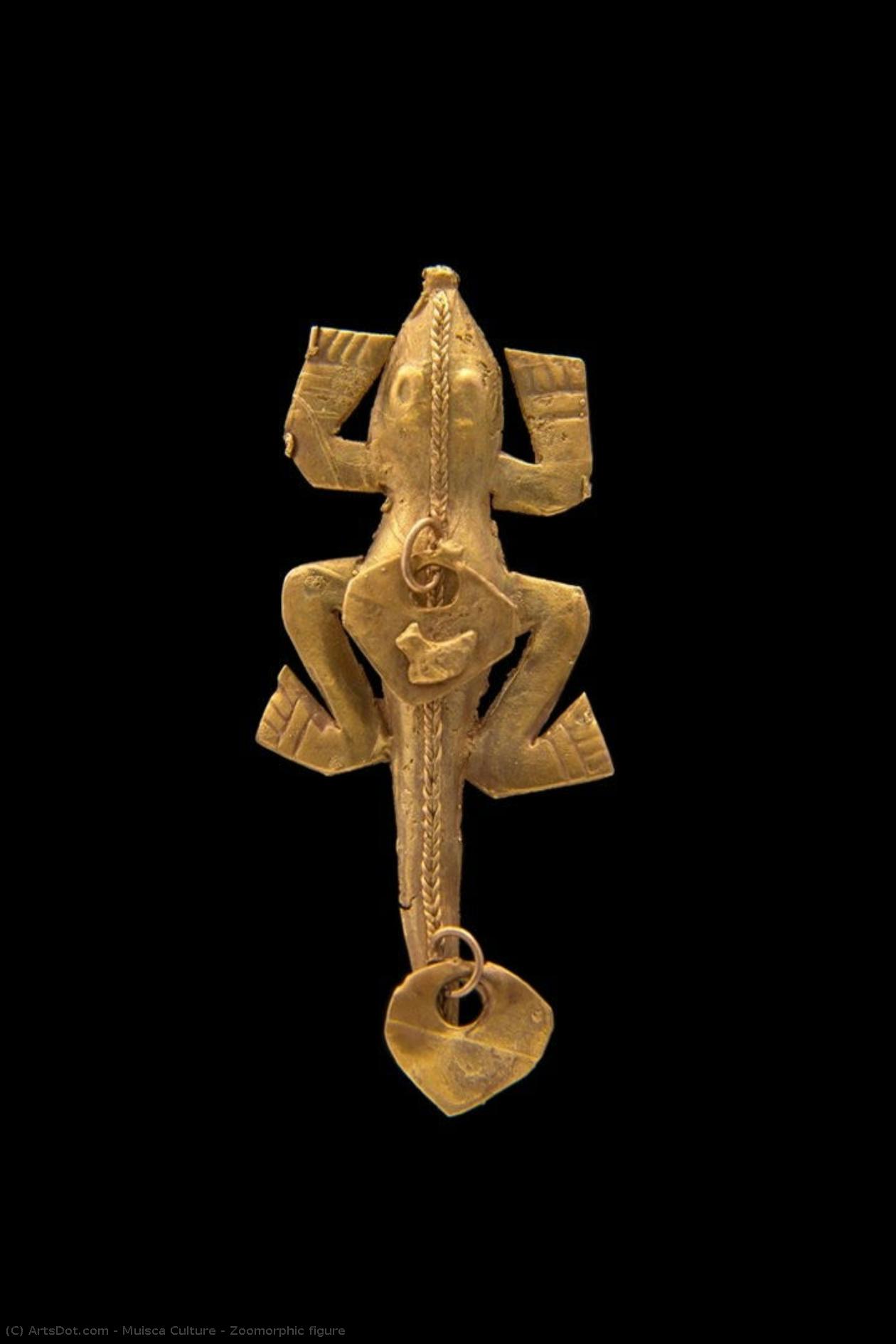
StatsZoomorphic figure
 Other
Other 5.0 x 2.0 cm
 コロンビア国立博物館
 詳細を見る
詳細を見る
手描き油彩複製画
当社のアーティストが、お客様のご希望のサイズと額縁に合わせて、キャンバスに手描きで制作する油彩画です。 ( Switch to Print Switch to Digital Image)




































作品のオリジナル比率に合わせた、当店の規定サイズからお選びください。

特定のフレームやスペースに合わせて、ご希望のサイズをご入力いただけます。選択されたサイズが元の画像の比率と異なる場合、アートワークをトリミングするか、手描きで要素を追加して絵画を拡張いたします。デジタルモックアップ を制作し、制作開始前にご確認(承認)をいただきます。
画面上のプレビューは、実際のトリミングや拡張を正確に反映しているものではありません。最終的な構図は、モックアップによってのみ正確にご確認いただけます。
カスタムサイズもご利用いただけますが、元の比率を維持するためには、あらかじめ用意されたリストからサイズを選択することをお勧めいたします。
ご注文後、ArtsDot.com チームより詳細な指示をお送りするとともに、仕上がりイメージ(モックアップ)をご提供いたします。


 ガラスオプションは、110cm未満のサイズでのみご利用いただけます。

Zoomorphic figure
複製技法
複製画のサイズ
-


合計金額
$ 263
関連作品
アーティストの略歴
The Golden Legacy of the Muisca
The Muisca culture, also known as Chibcha, represents one of Colombia’s most fascinating pre-Columbian civilizations—a testament to ingenuity and artistic prowess that continues to captivate historians and art enthusiasts alike. Flourishing in the misty altiplano cundiboyacense region from approximately 800 AD to 1537 AD, this confederation of independent tribes achieved remarkable advancements in metallurgy, agriculture, and social organization. Theirs was a world etched in gold, ceramics, and intricate iconography, where every crafted object whispered the sacred secrets of a complex spiritual cosmos.
Emerging from the high Andean highlands, the Muisca people developed a sophisticated societal hierarchy centered around powerful rulers—the Hoa, Psihipqua, and Iraca. These leaders were far more than political administrators; they functioned as divine intermediaries, embodying celestial forces and overseeing the religious rituals that anchored Muisca life. This governance fostered expansive trade networks that bridged diverse Andean communities, facilitating a rich exchange of goods and ideas. While their economy was rooted in the earth—cultivating staples like maize, quinoa, and potatoes—their true artistic soul was found in the mastery of metal, where they transformed raw elements into shimmering symbols of divinity.
A Symphony in Gold and Symbolism
The Muisca’s artistic achievements stand apart as some of the most remarkable feats of pre-Columbian art. Their skill in repoussé—the delicate process of hammering metal into relief—is unparalleled, resulting in exquisitely detailed golden figurines, masks, and jewelry that depict animals, deities, and human figures with astonishing precision. These artworks were not merely decorative; they served as vital conduits for spiritual communication. Through the creation of tunjos—small, votive figures—the Muisca offered pieces of their devotion to the gods, embedding their prayers into the very fabric of their craftsmanship.
Perhaps no object captures the mythic grandeur of this culture better than the Muisca Raft. This legendary piece of goldwork is believed by many scholars to represent the ritualistic origins of the El Dorado legend. It depicts a scene of profound ceremony, likely set within the sacred waters of Lake Guatavita, where a new ruler would be adorned in gold dust before descending into the lake as an offering. This single artifact encapsulates the Muisca's ability to blend high-level metallurgy with deep religious narrative, turning precious metal into a vessel for eternal myth.
Spiritual Cosmos and Lasting Significance
The artistry of the Muisca was inextricably linked to their profound understanding of the universe. Their religion was a complex tapestry of celestial worship, directed toward deities such as Chía, the goddess of the Moon, and Sué, the god of the Sun. This duality of light and shadow, husband and wife, reflected in their art, mirrored the natural rhythms of the Andean landscape. Beyond gold, their creative expression extended into pottery, textiles, and even body art, creating a multi-sensory cultural identity that was as much about texture and pattern as it was about form.
Though the Spanish conquest in the 16th century brought profound disruption to their way of life, the artistic spirit of the Muisca remains unextinguished. Today, the treasures of this civilization are preserved in institutions like the Museo del Oro in Bogotá, where their golden masterpieces continue to serve as a luminous gateway into Colombia’s ancestral soul. The legacy of the Muisca lives on not just in museum halls, but in the enduring cultural identity of the Andean people, reminding the world of a time when gold was not merely wealth, but a sacred language of the divine.
muisca culture
Colombia
基本情報
- Artistic Movement Or Style: Pre-Columbian
- Date Of Birth: (Unknown)
- Date Of Death: (Living)
- Full Name: Muisca Culture
- Nationality: Colombian
- Notable Artworks:
- Necklace of tubular beads
- Zoomorphic figure
- Máscara
- Place Of Birth: Cundinamarca, Colombia
関連記事

Golden Glow: How to Use Metallic Gold Artworks to Elevate Your Home Decor with Timeless Luxury
Discover how to elevate your home with the timeless elegance of metallic gold artworks. From sculptural metal pieces to gilded oil paintings, learn expert interior design tips for integrating luxurious gold accents into your space with sophistication and grace.
The Enduring Appeal of Decorative Art: A Historical Survey of Ornamentation, Functionality & Cultural Significance
Explore the rich history of decorative arts with ArtsDot.com. Discover key movements, influential artists, and expert guidance for building a discerning collection. Learn about ornamentation, functionality & cultural significance.
The Allure of Gold in Art History: Symbolism, Technique & Cultural Significance
Explore the rich history of gold in art! Discover symbolism, techniques & cultural significance from ancient civilizations to Klimt's masterpieces. Expert insights for collectors at ArtsDot.
グスタフ・クリムト傑作25選:華麗なる装飾性と象徴が織りなす世界 | ArtsDot
グスタフ・クリムトの傑作25選。華麗なる装飾性と象徴が織りなす世界を紐解きます。キス、ポートレートなど、美術史に残る名画の物語と技法をArtsDotで。高品質複製画やインテリアアートも豊富に。今すぐコレクションをご覧ください。
Golden Masterpieces: 10 Paintings That Define Art History | ArtsDot
Explore 10 breathtaking paintings where gold leaf shines! From Klimt to Byzantine icons, discover art history’s most gilded masterpieces. Find museum-quality reproductions & elevate your home decor with ArtsDot. Explore the full collection online.