

 プレビュー
プレビュー
 プリントを購入
 シェアする
シェアする シェアする
シェアする
 詳細を見る
詳細を見る

 ダウンロード
 似ている作品
 X線調査
X線調査 スライドショー
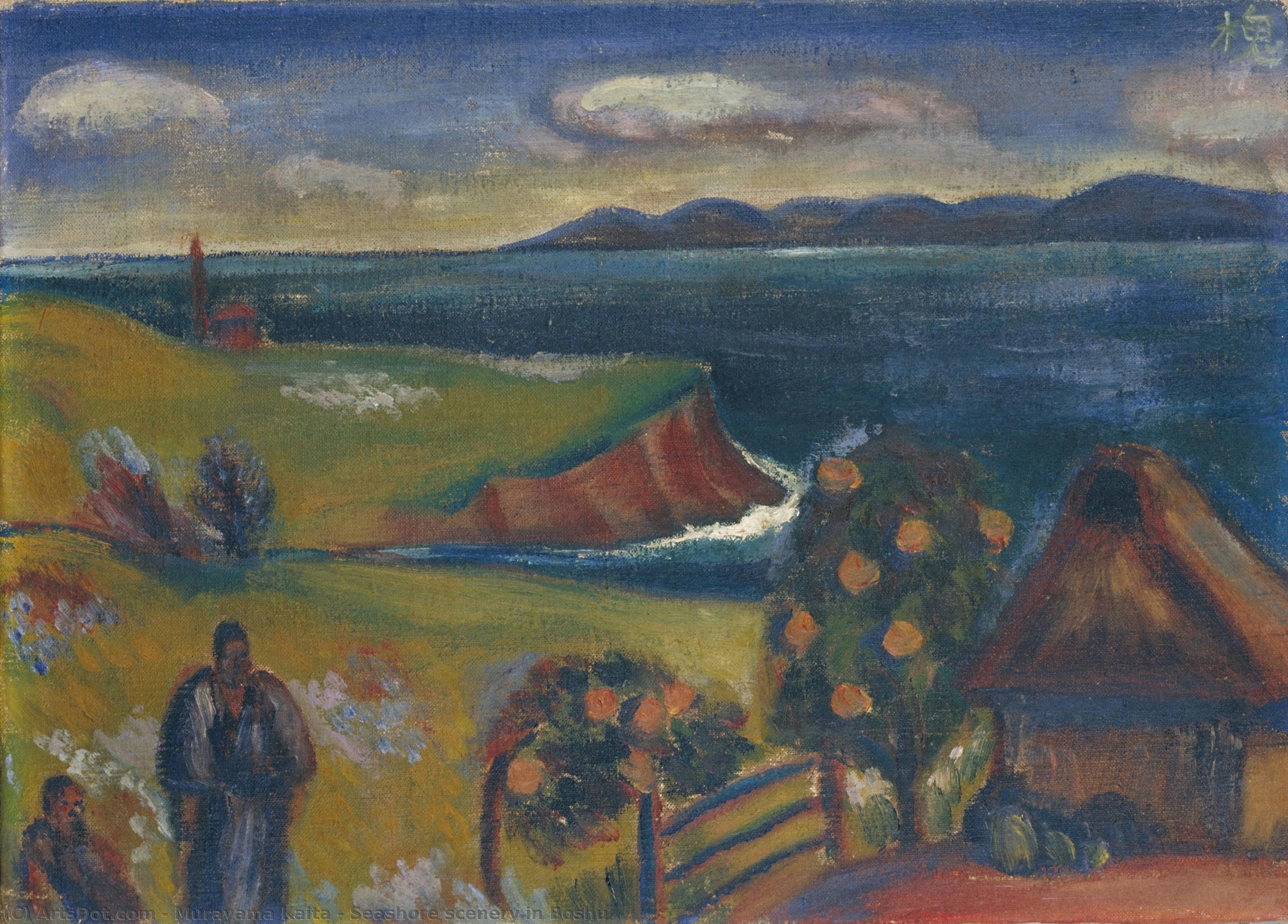
Seashore scenery in Boshu
 Oil On Canvas
- WallArt
- Impressionism
 1917
1917- Modern
 31.0 x 43.0 cm
 名古屋市美術館
 詳細を見る
詳細を見る
オンラインプレビューをはるかに凌ぐ、高解像度で鮮明なデジタル画像をご購入いただけます。
各ファイルは、社内の専門家が高度なツールと熟練した手作業によるレタッチを用いて、細心の注意を払って準備されています。すべての画像において、卓越した鮮明度、正確な色彩再現性、そして繊細なディテールを保証いたします。
最終ファイルは、プロフェッショナルな編集・印刷環境ですぐにご利用いただけるよう最適化された状態で、72時間以内にメールにてお届けいたします。これは、一流のデザインスタジオ、出版社、ギャラリーから信頼されているものと同等の品質です。
デジタル画像のご注文に付随する特典
高品質なデジタル画像配信を、確かな品質で。
ArtsDot.com を選ぶことは、単に画像を手に入れることではありません。それは、プロの手によって精密に仕上げられ、満足保証が付いた高品質なデジタルアートワークを受け取ることを意味します。ご注文いただいた際に自動的に付随する内容は、以下の通りです:

メールですぐにお届け
ご注文から72時間以内に、高解像度のデジタル画像ファイルがメールでお手元に届きます。すぐにそのままご利用いただけます。

AI技術で最適化されたデジタルファイル
お客様の作品は、高度なAIツールと専門家による手作業の編集を組み合わせてプロフェッショナルに最適化されており、細部のディテール、鮮明さ、そして正確な色再現性を最大限に引き出しています。

一生涯無料の再送サービス
ファイルを誤って削除したり、紛失してしまったりしましたか?ご安心ください。いつでも無料で再送いたします。

輸入手数料は一切かかりません
関税や手数料、配送料を気にすることなく、お気に入りのアートワークをすぐにお楽しみいただけます。デジタルダウンロードは常に免税です。

色彩再現の保証
プロ仕様のツールとカラーマネジメント技術を用いることで、デジタル画像が元の色を最大限に忠実に再現することを保証いたします。

60日間満足保証
ご購入いただいたデジタル画像にご満足いただけない場合は、60日以内であれば、修正または100%の返金(理由を問う必要はありません)をさせていただきます。

100% 返金保証
ご満足いただけない場合は、デジタルファイルを受け取ってから60日以内であれば、理由を問わず全額返金いたします。

まとめ買い割引
3枚購入で10%OFF - 5枚購入で15%OFF - 10枚以上購入で20%OFF。クリエイティブなプロジェクト、ギャラリー、エージェンシーに最適です。
作品の詳細
A Window into Rural Tranquility
In the quietude of 1917, Murayama Kaita captured a moment of profound stillness in Seashore Scenery in Boshu. This evocative landscape serves as more than just a depiction of the Japanese coastline; it is an immersive experience of light and atmosphere. The viewer is immediately drawn into a world where the boundaries between land and sea blur under a soft, overcast sky. A vast expanse of water stretches toward distant, hazy mountains, creating a sense of infinite space that invites deep contemplation. In the foreground, the composition finds its emotional anchor through a delicate cluster of white flowers and a solitary figure dressed in dark clothing. This small, poignant detail provides a human connection to the immense natural landscape, grounding the ethereal atmosphere with a touch of earthly presence.
The painting breathes with the spirit of Impressionism, prioritizing the subjective perception of a fleeting moment over the rigid precision of photographic realism. Kaita utilizes visible, expressive brushstrokes that dance across the canvas, building a rich texture that suggests the movement of wind through the grass and the gentle lapping of waves against the shore. The technique is masterfully executed in oil on canvas, where thick applications of paint create physical depth, contrasting with thinner, more translucent layers that allow light to seem as though it is filtering through a misty atmosphere. This interplay of texture and tone creates a sense of movement within the stillness, making the scene feel alive and breathing.
Symbolism and the Soul of the Landscape
Beyond its aesthetic beauty, Seashore Scenery in Boshu carries a weight of symbolic resonance that speaks to the human condition. The solitary figure, positioned near the edge of the frame, acts as a silent protagonist in a drama of solitude and reflection. This figure may represent the quiet isolation found in nature or perhaps a deep, meditative connection to the rhythms of rural life. The presence of the rustic, thatched-roof building and the weathered fence suggests a harmonious, albeit fragile, coexistence between humanity and the wild elements of the coast. Even the small white flowers, delicate and ephemeral, serve as symbols of beauty and the fleeting nature of existence.
For the discerning collector or interior designer, this piece offers an unparalleled opportunity to introduce a sense of serene melancholy and timeless grace into a living space. The muted, tonal color palette—dominated by soft blues, earthy greens, and subtle greys—makes it a versatile masterpiece capable of anchoring a room with its calm, sophisticated energy. Whether placed in a sunlit gallery or a quiet study, Kaita’s work acts as a portal to a bygone era of Japanese art, where the fusion of Western Impressionistic influence and traditional Japanese sensitivity creates a landscape that is both globally resonant and deeply personal.
関連作品

作家の略歴
John Everett Millais: A Pre-Raphaelite Pioneer of Light and Nature
Born in Southampton, England, on June 8th, 1829, John Everett Millais was a figure of remarkable early promise, quickly establishing himself as one of the most significant artists of his generation. His life, tragically cut short at the age of 67, coincided with the vibrant and revolutionary emergence of the Pre-Raphaelite Brotherhood – a movement that profoundly shaped the course of British art. Millais’s journey was marked by both prodigious talent and personal complexities, ultimately leaving behind a legacy defined by his exquisite depictions of nature, poignant narratives, and a unique approach to color and light.
Millais's artistic education began at an unusually young age. His father, a successful saddler, recognized his son’s exceptional abilities and secured him a place at the Royal Academy Schools in London in 1840 – a feat rarely achieved by anyone so young. This early immersion into formal training provided a foundation, but Millais quickly surpassed conventional academic methods, developing a distinctive style rooted in observation and a deep connection to the natural world. Influenced by the Romantic ideals of his time, particularly the works of artists like William Turner, he sought to capture the essence of beauty not through idealized representations, but through meticulous detail and an almost scientific approach to rendering light and atmosphere.
The formation of the Pre-Raphaelite Brotherhood in 1848 was a pivotal moment in Millais’s career. Alongside William Holman Hunt and Dante Gabriel Rossetti, he sought to reject the prevailing artistic conventions of the Royal Academy, which they viewed as overly polished and artificial. The brotherhood championed a return to the art of the early Renaissance – particularly that of Giotto and the Umbrian masters – believing it offered a more truthful and spiritually resonant representation of reality. This commitment to authenticity manifested in their shared studio at 83 Gower Street, where they experimented with new techniques, including collaborative painting and the use of watercolors as a primary medium. Millais’s early works, such as *Isabella* (1848-9) and *Ophelia* (1851-2), became iconic examples of Pre-Raphaelite style, characterized by their luminous colors, intricate detail, and evocative storytelling.
The Creation of ‘Ophelia’ and the Controversy
Perhaps Millais's most famous painting, *Ophelia*, remains a cornerstone of the Pre-Raphaelite movement. Commissioned for a series of illustrations in Tennyson’s poem *Ophelia*, the work depicts the tragic heroine from Shakespeare’s play drowning in a stream, surrounded by water lilies and wildflowers. The scene was meticulously observed – Millais spent months sketching the model, Elizabeth Siddal, immersed in a bathtub filled with real water, creating an astonishingly realistic portrayal of the subject's vulnerability and despair.
However, *Ophelia* also sparked considerable controversy upon its exhibition at the Royal Academy in 1852. Critics were divided: some lauded Millais’s technical skill and evocative imagery, while others condemned the painting as morbid, unsettling, and overly sentimental. The depiction of a young woman's death was deemed shocking by many, particularly given the prevailing Victorian sensibilities surrounding female mortality. The advertisement for Pears soap that utilized a cropped image of *Ophelia* further fueled the debate, highlighting the commercial potential of Pre-Raphaelite art – a development that would later complicate Millais’s reputation.
A Shift Towards Realism and Portraiture
Despite the initial controversy surrounding *Ophelia*, Millais continued to evolve as an artist throughout his career. By the mid-1850s, he began to move away from the overtly symbolic and narrative style of his early Pre-Raphaelite works, embracing a more direct and realistic approach to painting. He sought to capture the beauty of everyday life – particularly in scenes of childhood and rural landscapes – with an unprecedented level of detail and accuracy.
This shift is evident in paintings such as *Christ in the House of His Parents* (1851-2), a monumental work depicting Jesus assisting his mother Mary in their carpentry workshop, and *Autumn Leaves* (1856), which showcases Millais’s mastery of capturing the fleeting beauty of autumn foliage. He also established himself as a successful portrait painter, creating elegant and intimate portraits of prominent figures including Gladstone, Tennyson, and Carlyle. His ability to capture not only physical likeness but also personality and character made him one of the most sought-after artists of his day.
Later Life and Legacy
Millais’s personal life was intertwined with artistic circles and marked by a complex relationship with Effie Chalmers, Ruskin's former wife. Their marriage in 1856, despite initial enthusiasm, ultimately proved unhappy, contributing to the evolving perception of Millais as an artist who had compromised his ideals for commercial success. Despite this narrative, Millais continued to produce significant works throughout his later years, solidifying his place as a major figure in Victorian art.
John Everett Millais died on August 13th, 1896, at the age of 67, leaving behind a vast and diverse body of work. His paintings continue to be admired for their technical brilliance, evocative beauty, and profound engagement with the natural world. Millais’s influence extends far beyond the Pre-Raphaelite movement, shaping the development of landscape painting and inspiring generations of artists. He remains a testament to the power of observation, the pursuit of artistic authenticity, and the enduring appeal of capturing the fleeting moments of beauty in life.
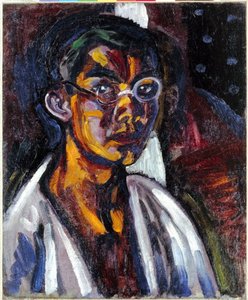
murayama kaita
1896 - 1919 , Japan
プロフィール概要
- Artistic Movement Or Style: Pre-Raphaelite
- Artists Or Movements Influenced By This Artist: ['Pre-Raphaelite Brotherhood']
- Artists Who Influenced This Artist:
- William Holman Hunt
- Dante Gabriel Rossetti
- Date Of Birth: June 8, 1829
- Date Of Death: August 13, 1896
- Full Name: John Everett Millais
- Nationality: English
- Notable Artworks:
- Ophelia
- Christ in the House of His Parents
- Place Of Birth: Southampton, England

