

 プレビュー
プレビュー
 プリントを購入
 シェアする
シェアする シェアする
シェアする
 詳細を見る
詳細を見る

 ダウンロード
 似ている作品
 X線調査
X線調査 スライドショー
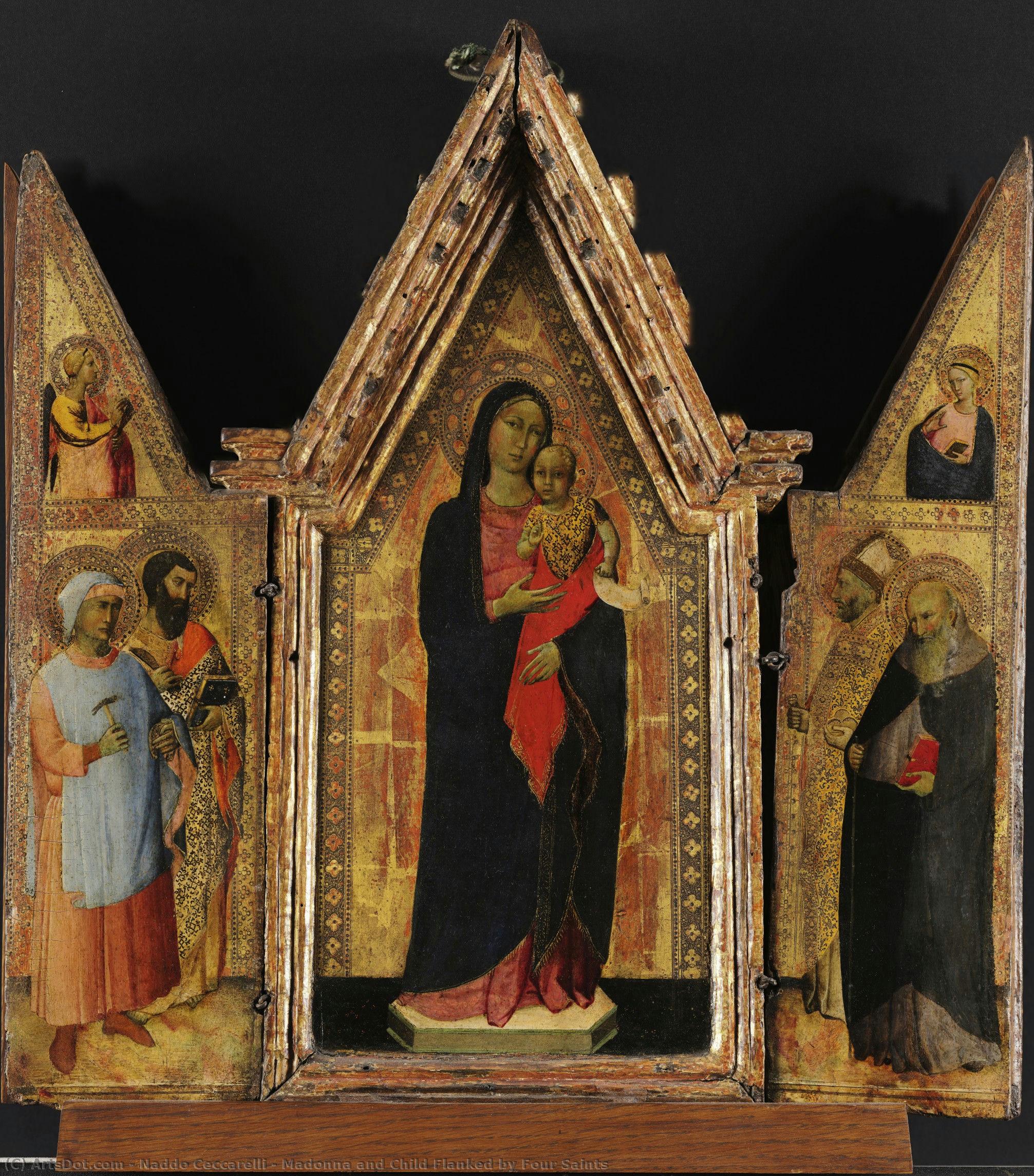
Madonna and Child Flanked by Four Saints
 Tempera On Panel
- Sienese Gothic
 1347
1347- Late Medieval
 57.0 x 52.0 cm
 Chrysler Museum of Art
 詳細を見る
詳細を見る




P118B $10

P118H $10

P118W $10

P438Z $10

P508JH $12

P508YH $12

P805H $10

P805Z $10

P919BZ $10

P919G $10

P919XJ $10

P959ZH $10

P968JZ $12

W106C $8

W218G $10

W218JH $8

W218Y $10

W307PJ $10

W316G $10

W316PJ $8

W316Y $10

W398PJ $8

W4111J $10

W500HY $15

W500JH $15

W692G $12

W849H $8

W940BG $15

W953PJ $8




作品のオリジナル比率に合わせた、当店の規定サイズからお選びください。

特定のフレームやスペースに合わせて、ご希望のサイズをご入力いただけます。選択されたサイズが元の画像の比率と異なる場合、アートワークをトリミングするか、手描きで要素を追加して絵画を拡張いたします。デジタルモックアップ を制作し、制作開始前にご確認(承認)をいただきます。
画面上のプレビューは、実際のトリミングや拡張を正確に反映しているものではありません。最終的な構図は、モックアップによってのみ正確にご確認いただけます。
カスタムサイズもご利用いただけますが、元の比率を維持するためには、あらかじめ用意されたリストからサイズを選択することをお勧めいたします。
ご注文後、ArtsDot.com チームより詳細な指示をお送りするとともに、仕上がりイメージ(モックアップ)をご提供いたします。


 ガラスオプションは、110cm未満のサイズでのみご利用いただけます。

Madonna and Child Flanked by Four Saints
複製技法
複製画のサイズ
-


合計金額
$ 263
A Celestial Vision in Gold: The Radiance of Naddo Ceccarelli
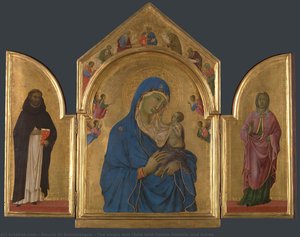
In the quiet intimacy of a private chapel or a refined domestic space, certain works of art possess the power to transcend time, acting as windows into a more spiritual era. Madonna and Child Flanked by Four Saints is precisely such a masterpiece. Created in 1347 by the Sienese master Naddo Ceccarelli, this delicate three-part altarpiece functions like a gilded Gothic dollhouse, inviting the viewer into a sacred, enclosed world. The composition is anchored by the Virgin Mary, who sits enthroned with her infant son, their presence commanding the center stage of this luminous triptych. Surrounding them, four saints stand in silent, reverent attendance, creating a celestial court that feels both monumental and profoundly personal.
The artistry of Ceccarelli is deeply rooted in the prestigious Sienese tradition, having been shaped by the influence of the legendary Simone Martini. This lineage is evident in the painting's exquisite use of color and its ethereal atmosphere. The background, a lavish expanse of gold leaf, does not merely serve as a backdrop but acts as an unearthly light source, reflecting the divine glory of the figures. This technique, combined with delicate floral banding and vibrant pigments, suggests a work of immense value—a piece commissioned not for the vastness of a cathedral, but for the discerning eye of a private devotee who sought to surround themselves with the beauty of the heavens.
Symbolism and the Devotional Heart
Every element within this altarpiece is imbued with profound theological meaning. The central focus on the Madonna and Child serves as a cornerstone of medieval devotion, celebrating the incarnation and the protective role of the Virgin Mary. The presence of the four saints flanking the central figures creates a bridge between the earthly and the divine, offering intercessors for the faithful. The very structure of the triptych—the way it folds and shelters the holy figures—mirrors the concept of the Church as a sanctuary for the soul.
For the modern collector or interior designer, this piece offers more than just historical interest; it provides a focal point of profound emotional depth. The interplay between the heavy gold leaf and the delicate, fine-lined details creates a visual rhythm that is both calming and stimulating. When reimagined as a high-quality hand-painted reproduction, the artwork retains its ability to anchor a room, bringing a sense of timeless elegance and contemplative peace to any sophisticated interior. It is an invitation to slow down, to look closely, and to find beauty in the intricate details of a bygone era.
関連作品
アーティストの略歴
Early Life and Artistic Training
Naddo Ceccarelli emerged onto the artistic landscape of Siena in the mid-14th century, a period marked by fervent religious devotion and burgeoning urban sophistication. Precise biographical details remain elusive, shrouded in the mists of medieval documentation—information about his birth year is uncertain, estimated to be around 1320. However, what we know with relative confidence is that he received his formative artistic education under the tutelage of Simone Martini (ca. 1284–1344), arguably Siena’s most celebrated painter of the era. Martini's workshop was a crucible for innovation and stylistic refinement, attracting ambitious young artists eager to absorb his mastery. Ceccarelli’s association with Martini extended beyond mere instruction; he traveled alongside Martini to Avignon in 1330, immersing himself in the papal court’s artistic milieu—a pivotal experience that undoubtedly broadened his horizons and influenced his subsequent oeuvre.Simone Martini's influence is palpable in Ceccarelli's stylistic choices, particularly evident in his predilection for delicate color palettes and meticulous attention to detail.Style and Technique
Ceccarelli’s artistic style can be characterized as a harmonious blend of Martini’s expressive grandeur and the more restrained elegance of the master of Palazzo Venezia and Memmi. He excelled in capturing the luminous quality of tempera paint, skillfully layering translucent glazes over gold leaf to achieve breathtaking effects of shimmering brilliance—a technique that mirrored the advancements occurring in goldsmithing at the time. This masterful manipulation of light was particularly evident in depictions of chain mail and other metallic embellishments, demonstrating a keen understanding of how to convey texture and materiality through pigment alone.His compositions are often characterized by serene stillness, reflecting the spiritual ethos of his era. Ceccarelli’s paintings frequently portray Madonna and Child figures—a motif deeply rooted in Marian devotion—often accompanied by saints. These small-scale panels stand apart from Martini's monumental works, suggesting a stylistic divergence driven by individual artistic sensibilities.- Notable features include:
Major Works and Patronage
Two signed paintings by Ceccarelli’s hand—the Madonna and Child (formerly in the Cook Collection in Richmond, Surrey) dated to 1347 and Christ The Man Of Sorrows (Liechtenstein Collection, Vaduz)—provide invaluable insight into his artistic output. These masterpieces exemplify Ceccarelli's stylistic prowess and underscore his position as one of Martini’s workshop’s most accomplished pupils.- The Madonna and Child,
- Ceccarelli's work was commissioned primarily by ecclesiastical patrons,
Historical Significance
Naddo Ceccarelli's contribution to Sienese art is significant not only for its stylistic refinement but also for its embodiment of a broader cultural trend—the fusion of painting and goldsmithing. Like Martini and Memmi, Ceccarelli pioneered the innovative practice of incorporating gold leaf into panel paintings, transforming them into objects of devotional splendor.This approach reflects a shift away from traditional sculptural representations of saints, prioritizing visual narratives that conveyed spiritual meaning through luminous color and intricate ornamentation. Ceccarelli’s legacy endures as an exemplar of medieval artistic excellence—a painter who skillfully navigated the stylistic currents of his time while forging a distinctive artistic voice.His work serves as a reminder of Siena's role as a center for artistic innovation during the High Gothic period, securing its place in art history.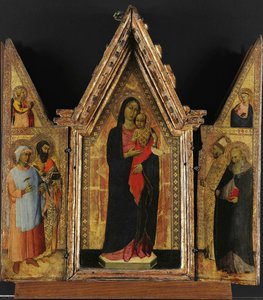
naddo ceccarelli
1320 - 1347
基本情報
- Artistic Movement Or Style: Late Gothic
- Artists Or Movements Influenced By This Artist:
- Master of the Palazzo Venezia Madonna
- Master of the Strauss Madonna
- Artists Who Influenced This Artist: ['Simone Martini']
- Date Of Death: 1347
- Full Name: Naddo Ceccarelli
- Nationality: Italian
- Notable Artworks:
- Madonna and Child Flanked by Four Saints
- Christ The Man Of Sorrows
- Christ As The Man Of Sorrows
- Place Of Birth: Siena, Italy
関連記事
ラファエロ傑作25選:ルネサンス巨匠の物語と芸術の世界 | ArtsDot
ラファエロの傑作25選🎨 ルネサンス巨匠の物語と芸術の世界を紐解きます。美しい絵画複製や壁掛けアートで、お部屋に名画の彩りを。ArtsDot.comで、美術史に残る作品群をご覧ください✨
The Radiant Dusk of Medieval Vision: Exploring Late Gothic Art's Synthesis of Faith, Form & Emotionality (c. 1300-1500)
Explore the exquisite beauty & spiritual depth of Late Gothic art (c. 1300-1500). Discover key artists, symbolism, and its lasting influence on the Renaissance. Expert insights at ArtsDot.
Beyond Borders: The Spiritual & Stylistic Innovations of International Gothic Art
Explore the exquisite beauty & spiritual depth of International Gothic art. Discover key artists like Simone Martini & Pol de Limbourg, its origins, symbolism, and lasting influence on European painting. Expert insights at ArtsDot.
The Shadow of Faith: Exploring Gothic Art's Spiritual Intensity & Architectural Innovation
Explore the spiritual intensity & architectural innovation of Gothic art! Discover the symbolism behind cathedrals, stained glass & master artists like Giotto and Monet. A deep dive into medieval history & artistic expression.
ウフィツィ美術館の至宝25選:ルネサンス巨匠たちの傑作とアートデコレーション
ウフィツィ美術館の至宝25選:ボッティチェリ、レオナルド・ダ・ヴィンチ…ルネサンス巨匠たちの傑作と感動的な物語を紐解きます。高品質な絵画複製やアートプリントで、お部屋に名画の輝きを。ArtsDot.comで芸術の世界へ。