

 プレビュー
プレビュー
 シェアする
シェアする シェアする
シェアする
 詳細を見る
詳細を見る

 ダウンロード
 似ている作品
 X線調査
X線調査 スライドショー
 Stats
StatsOne Day on Two Orbits
 Mixed Media
- WallArt
- Contemporary Sculpture
 900.0 x 300.0 cm
 Expo 2020 Dubai
 詳細を見る
詳細を見る
オンラインプレビューをはるかに凌ぐ、高解像度で鮮明なデジタル画像をご購入いただけます。
各ファイルは、社内の専門家が高度なツールと熟練した手作業によるレタッチを用いて、細心の注意を払って準備されています。すべての画像において、卓越した鮮明度、正確な色彩再現性、そして繊細なディテールを保証いたします。
最終ファイルは、プロフェッショナルな編集・印刷環境ですぐにご利用いただけるよう最適化された状態で、72時間以内にメールにてお届けいたします。これは、一流のデザインスタジオ、出版社、ギャラリーから信頼されているものと同等の品質です。
デジタルアート
個人での鑑賞、印刷、クリエイティブなプロジェクト用に、高解像度ファイルをダウンロードできます。 ( Switch to Print 手描きの絵画を購入)
デジタル画像のご注文に付随する特典
高品質なデジタル画像配信を、確かな品質で。
ArtsDot.com を選ぶことは、単に画像を手に入れることではありません。それは、プロの手によって精密に仕上げられ、満足保証が付いた高品質なデジタルアートワークを受け取ることを意味します。ご注文いただいた際に自動的に付随する内容は、以下の通りです:

メールですぐにお届け
ご注文から72時間以内に、高解像度のデジタル画像ファイルがメールでお手元に届きます。すぐにそのままご利用いただけます。

AI技術で最適化されたデジタルファイル
お客様の作品は、高度なAIツールと専門家による手作業の編集を組み合わせてプロフェッショナルに最適化されており、細部のディテール、鮮明さ、そして正確な色再現性を最大限に引き出しています。

一生涯無料の再送サービス
ファイルを誤って削除したり、紛失してしまったりしましたか?ご安心ください。いつでも無料で再送いたします。

輸入手数料は一切かかりません
関税や手数料、配送料を気にすることなく、お気に入りのアートワークをすぐにお楽しみいただけます。デジタルダウンロードは常に免税です。

色彩再現の保証
プロ仕様のツールとカラーマネジメント技術を用いることで、デジタル画像が元の色を最大限に忠実に再現することを保証いたします。

100日間満足保証
ご購入いただいたデジタル画像にご満足いただけない場合は、100日以内であれば、理由を問わず修正または100%の返金対応をさせていただきます。

100% 返金保証
ご満足いただけない場合は、デジタルファイルを受け取ってから100日以内であれば、理由を問わず全額返金いたします。

まとめ買い割引
3枚購入で10%OFF - 5枚購入で15%OFF - 10枚以上購入で20%OFF。クリエイティブなプロジェクト、ギャラリー、エージェンシーに最適です。
The Ephemeral Dance of Time and Orbit
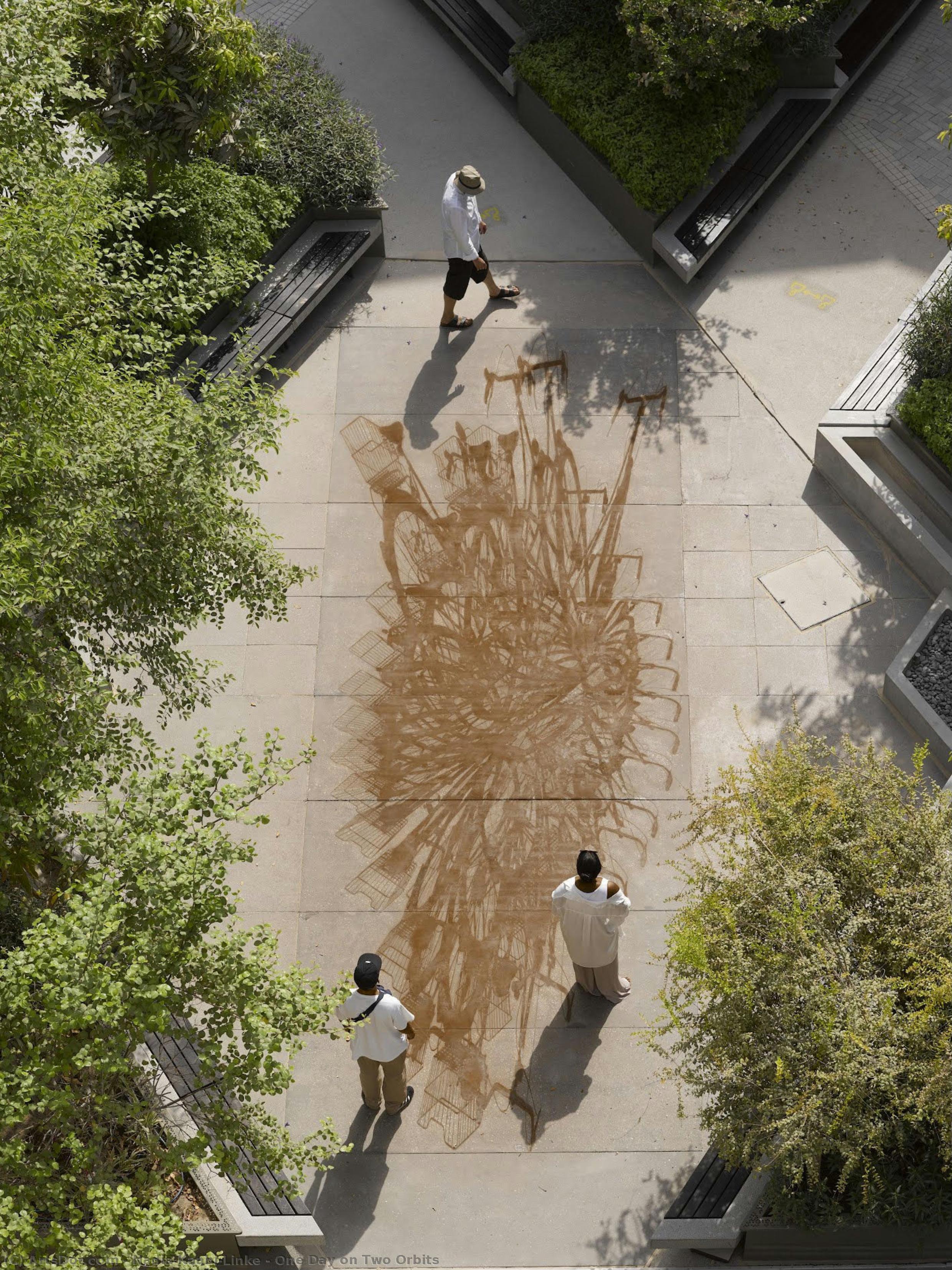
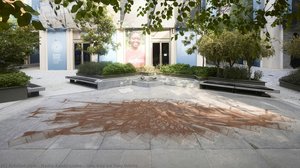
Nadia Kaabi-Linke’s monumental piece, "One Day on Two Orbits," is not merely an object to be observed; it is an experience to be absorbed—a meditation rendered in shadow and concrete. This profound work captures the invisible choreography of celestial mechanics, transforming the passage of a single day into a visible, breathtaking narrative. The sculpture itself memorializes the subtle yet monumental discovery made by Ibn al-Haytham: the understanding that the sun and moon traverse geometrically and temporally distinct paths. By rendering this abstract concept—the harmonization of different cultural understandings of time—Kaabi-Linke invites us to pause our modern rush and contemplate the deep, cyclical rhythms that govern both our planet and our very sense of self.
Symbolism Woven in Shadow
At its heart, the artwork speaks a universal language of connection and divergence. The central motif—the shadow cast by an unseen bicycle over the course of daylight—is deeply symbolic. It represents the journey, the passage through time itself, while simultaneously evoking the grand sweep of astronomical photography, reminiscent of distant, swirling galaxies. This interplay between the intimate scale of human movement (the bicycle) and the infinite scope of cosmic law (the orbits) creates a powerful tension. The resulting form, often interpreted as an expansive, winged silhouette—like an eagle in flight or a stylized bird—lends the piece an almost mythic quality, suggesting transcendence and elevated perspective.
Materiality and Scale: A Presence in Space
Presented on a grand scale of 900 x 300 cm, "One Day on Two Orbits" commands attention within any architectural setting. The use of concrete lends the piece an inherent gravitas, grounding its ethereal subject matter in tangible, enduring material. This juxtaposition—the permanence of stone against the fleeting nature of shadow—is key to its emotional resonance. When considering a reproduction for your space, one must appreciate how this monumental scale allows the viewer to walk around it, experiencing the narrative from multiple viewpoints, much like observing an actual celestial event.
A Dialogue Across Cultures and Eras
Kaabi-Linke’s background, rooted in traversing diverse cultural crossroads—from Tunis to Dubai—is palpable within this work. The piece is a tribute not only to scientific enlightenment but also to the act of cross-cultural understanding. It suggests that true knowledge requires bridging disparate viewpoints, much like harmonizing different calendar systems. Owning or displaying this artwork is an embrace of intellectual curiosity; it transforms a gallery wall or atrium floor into a locus for thoughtful dialogue about history, science, and humanity’s place within the vast continuum of time.
関連作品





作家の略歴
The Cartography of Identity: The Life and Vision of Nadia Kaabi-Linke
Born in the vibrant, multicultural landscape of Tunis in 1978, Nadia Kaabi-Linke has cultivated a creative practice that serves as a profound meditation on the fluidity of borders and the complexities of human movement. Her early life was defined by a nomadic existence, traversing the diverse cultural landscapes of Kyiv, Dubai, and Paris before settling into her current role as a prominent figure in the Berlin art scene. This upbringing, characterized by a constant negotiation between different geographies and languages, instilled in her a deep-seated fascination with narratives that exist beyond nationalistic boundaries. It is this unique perspective—one that views the world not as a collection of fixed territories but as a web of interconnected journeys—that forms the very heartbeat of her conceptual explorations.
Kaabi-Linke’s intellectual foundation is as rigorous as it is expansive. After honing her technical skills at the Tunis Institute of Fine Arts, she pursued a doctorate in the Philosophy of Art from Sorbonne University. This academic depth allows her to approach sculpture and installation not merely as physical objects, but as philosophical inquiries into how art shapes our cultural understanding and challenges established societal structures. Her work rarely relies on purely aesthetic allure; instead, it prioritizes the weight of ideas, using materiality to interrogate the invisible lines that divide and connect us in an era of unprecedented global migration.
Materiality and Movement: The Language of Installation
The essence of Kaabi-Linke’s work lies in its ability to transform physical materials into powerful symbols of displacement and memory. She often utilizes textiles, maps, and architectural elements to create immersive environments that evoke the sensation of transit. Her approach is deeply rooted in the concept of transnational identity, where the medium itself becomes a vessel for stories of movement. By manipulating textures and forms, she invites the viewer to experience the psychological weight of being caught between worlds—the tension between the desire for belonging and the reality of flux.
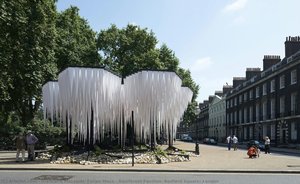
One cannot discuss her contribution to contemporary art without addressing the monumental impact of her breakthrough project, “Flying Carpets.” Commissioned by the Abraaj Group Art Prize in 2011, this sprawling textile installation stands as a testament to her ability to weave complex geopolitical themes into a tangible, breathtaking experience. The work utilizes intricately woven fabrics to create an atmosphere that is simultaneously ethereal and grounded, reflecting the fragmented yet beautiful nature of migratory experiences. Through this piece, she successfully translated the abstract concept of global displacement into a sensory reality that resonates with audiences worldwide.
Global Recognition and Artistic Legacy
As her career progressed, Kaabi-Linke’s influence expanded far beyond the borders of Europe. Her recognition at prestigious international platforms, such as receiving the Discovery Prize for Emerging Art at Art Basel Hong Kong in 2014, solidified her status as a vital voice in the global contemporary art dialogue. Her exhibitions, spanning solo shows across North America and Europe, continue to challenge viewers to reconsider their perceptions of citizenship, sovereignty, and the human condition.
The historical significance of Nadia Kaabi-Linke’s work lies in its timely interrogation of the most pressing issues of our age: geopolitics, immigration, and the shifting nature of identity. Her ability to bridge the gap between high-level philosophical inquiry and visceral, sculptural installation ensures that her art remains a crucial touchstone for understanding the modern world. As her works find permanent homes in major museums across the globe, she leaves behind a legacy of art that does not merely observe the world's borders, but actively seeks to reimagine them.

nadia kaabi-linke
1978 - , Tunisia
プロフィール概要
- Artistic Movement Or Style: Conceptual art
- Date Of Birth: 1978
- Full Name: Nadia Kaabi-Linke
- Nationality: Tunisian
- Notable Artworks: ['Flying Carpets']
- Place Of Birth: Tunis, Tunisia