

 プレビュー
プレビュー
 シェアする
シェアする シェアする
シェアする
 詳細を見る
詳細を見る

 ダウンロード
 似ている作品
 X線調査
X線調査 スライドショー
 Stats
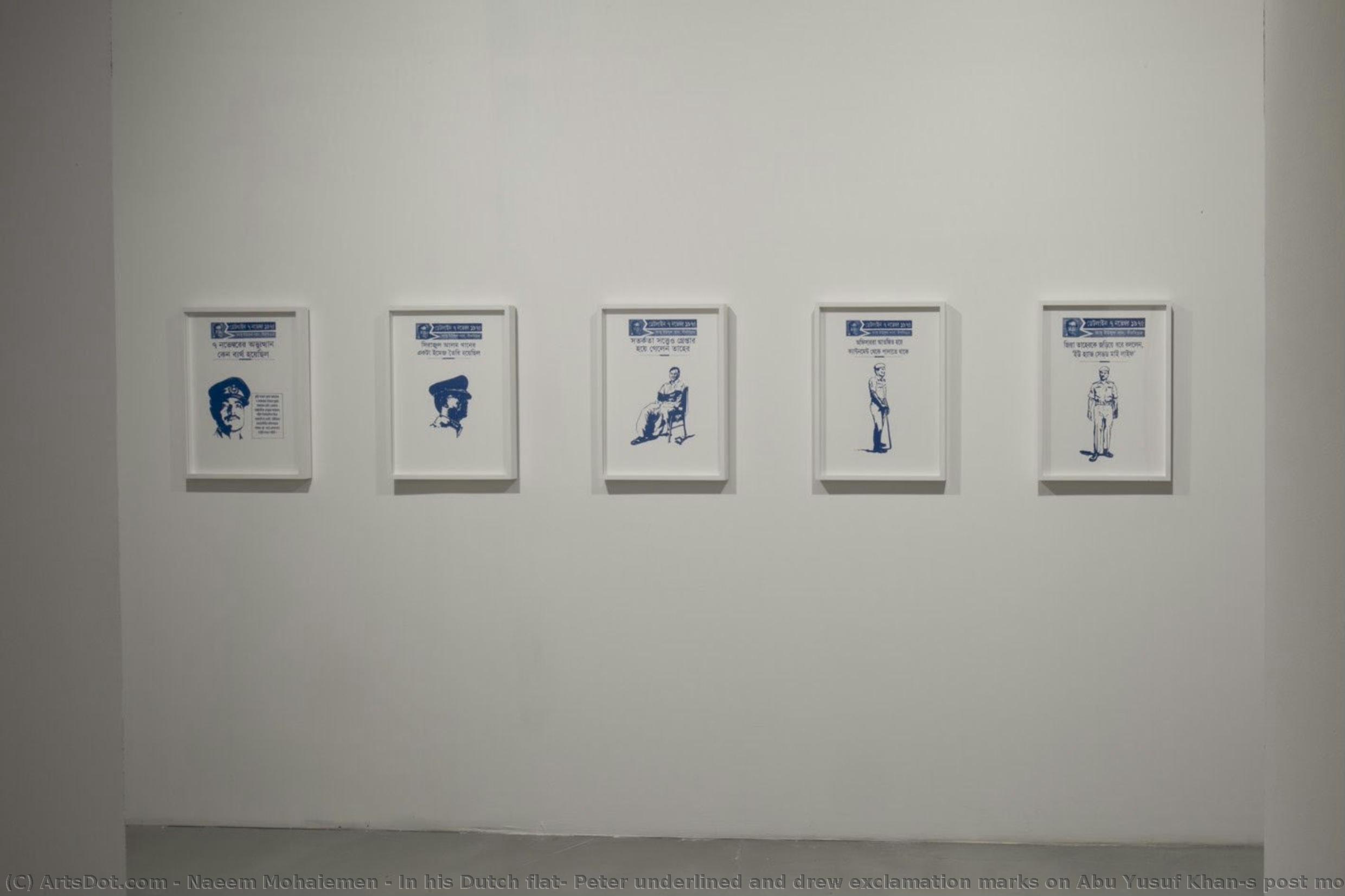
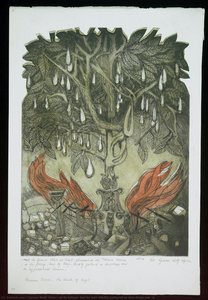
StatsIn his Dutch flat, Peter underlined and drew exclamation marks on Abu Yusuf Khan’s post mortem (the body is cold) of the November 7th, 1975 soldier’s mutiny. The headlines read: ‘Zia embraced Taher and said “You have saved my life”’; ‘The Officers we....


 詳細を見る
詳細を見る
ジークレー/アートプリント
迅速な制作と多彩な仕上げオプションを備えた、ミュージアムクオリティのジークレーまたはキャンバスプリント。 ( 手描きの絵画を購入 Switch to Digital Image)




































作品のオリジナル比率に合わせた、当店の規定サイズからお選びください。

特定のフレームやスペースに合わせて、ご自身でサイズを指定することも可能です。選択されたサイズが元の画像の比率と一致しない場合、作品をトリミングするか、鏡面反射または単色での塗りつぶしによって画像を拡張いたします。制作を開始する前に、ご確認用のデジタルモックアップをお送りいたします。
画面上のプレビューには、実際のトリミングや拡張は反映されませんのでご注意ください。最終的な構図を正確に確認できるのは、モックアップのみとなります。
カスタムサイズも承っておりますが、元の比率を維持するためには、あらかじめ用意されたリストからサイズを選択することをお勧めいたします。


 ガラスオプションは、110cm未満のサイズでのみご利用いただけます。

In his Dutch flat, Peter underlined and drew exclamation marks on Abu Yusuf Khan’s post mortem (the body is cold) of the November 7th, 1975 soldier’s mutiny. The headlines read: ‘Zia embraced Taher and said “You have saved my life”’; ‘The Officers we....
ジークレー/アートプリント
複製画のサイズ
-


合計金額
$ 62
関連作品




アーティストの略歴
A Cartography of Memory and Resistance
Naeem Mohaiemen’s artistic practice exists at the intersection of historical excavation and profound personal reflection. Born in London in 1969, his early life was shaped by the nuances of the diaspora, a formative experience that instilled a lifelong sensitivity to the themes of displacement, cultural encounter, and the shifting boundaries of identity. Moving between the landscapes of Libya, Bangladesh, and the United States, Mohaiemen has developed a visual language that does not merely observe history but actively interrogates it. His work serves as a vital bridge between the personal and the political, weaving together the fragmented threads of postcolonial narratives to reveal the enduring legacies of colonialism and revolution.
His academic journey further enriched this investigative approach. After attending the New Tripoli School in Libya and St. Joseph’s Jesuit School in Dhaka, he pursued higher education at Oberlin College, eventually earning a PhD in Anthropology from Columbia University in 2019. This scholarly foundation in anthropology allows him to approach his art with the rigor of a researcher, treating archives, newsreels, and personal testimonies as raw materials for a deeper exploration of how history is constructed, remembered, and often misrecognized.
The Cinematic Archive: Reclaiming Lost Narratives
Mohaiemen’s most striking contributions often manifest through the medium of film and installation, where he utilizes the moving image to breathe life into forgotten or suppressed histories. His cinematic endeavors are characterized by a meticulous attention to detail and an ability to find the human pulse within vast geopolitical shifts. Through projects such as The Young Man Was, he explores the fractured history of the 1970s revolutionary left, using film to trace the connections between global movements that were often obscured by the tides of state power.
His filmography includes several landmark works that have resonated on the international stage:
- United Red Army (2011): A haunting exploration of the 1977 hijacking of Japan Airlines Flight 472, examining the radicalism and consequences of militant political action.
- Afsan’s Long Day (2014): A piece that delves into the anti-Maoist manhunts in Bangladesh, premiered at the Museum of Modern Art, New York.
- Last Man in Dhaka Central (2015): A poignant narrative tracing the life of Peter Custers, a Dutch academic caught in the turbulence of the 1975 Bangladeshi military coups.
- Tripoli Cancelled (2017): A contemplative portrait of solitude and urban decay, which received significant acclaim at Documenta 14.
In these works, Mohaiemen does not simply present facts; he creates an immersive experience where the viewer must grapple with the weight of the past. By layering archival footage with personal narratives, he exposes the "accidental trojan horse" of revolutionary movements—how global solidarity can lead to both profound connection and tragic misrecognition.
Legacy and Global Significance
The significance of Naeem Mohaiemen’s work lies in his ability to transform the study of South Asian postcolonial markers—specifically the 1947 partition and the 1971 Bangladesh Liberation War—into a universal meditation on belonging and resistance. His art challenges the sanitized versions of history often presented by nation-states, instead offering a "fragmentary history" that honors the complexity of struggle. Through his participation in prestigious platforms like Documenta 14, the Venice Biennale, and the Tate Britain, he has brought the specificities of Bangladeshi history into a global dialogue.
Today, as an Associate Professor of Visual Arts at Columbia University, Mohaiemen continues to push the boundaries of contemporary art. His practice remains a testament to the power of the artist as a witness, using photography, essays, and installation to ensure that the voices of the displaced and the revolutionary are never truly lost to the shadows of time. His work stands as a monumental effort to reconstruct a global history of postcolonial possibility, reminding us that the act of remembering is, in itself, an act of resistance.
naeem mohaiemen
1969 - , Bangladesh
基本情報
- Artistic Movement Or Style: Film, Photography, Installation
- Artists Or Movements Influenced By This Artist: ['Documenta']
- Artists Who Influenced This Artist:
- Turner Prize
- Andy Warhol Foundation
- Full Name: Naeem Mohaiemen
- Nationality: British Bangladeshi
- Notable Artworks:
- Tripoli Cancelled
- Kazi in Nomansland
- Place Of Birth: London, UK