

 プレビュー
プレビュー
 プリントを購入
 シェアする
シェアする シェアする
シェアする
 詳細を見る
詳細を見る

 ダウンロード
 似ている作品
 X線調査
X線調査 スライドショー
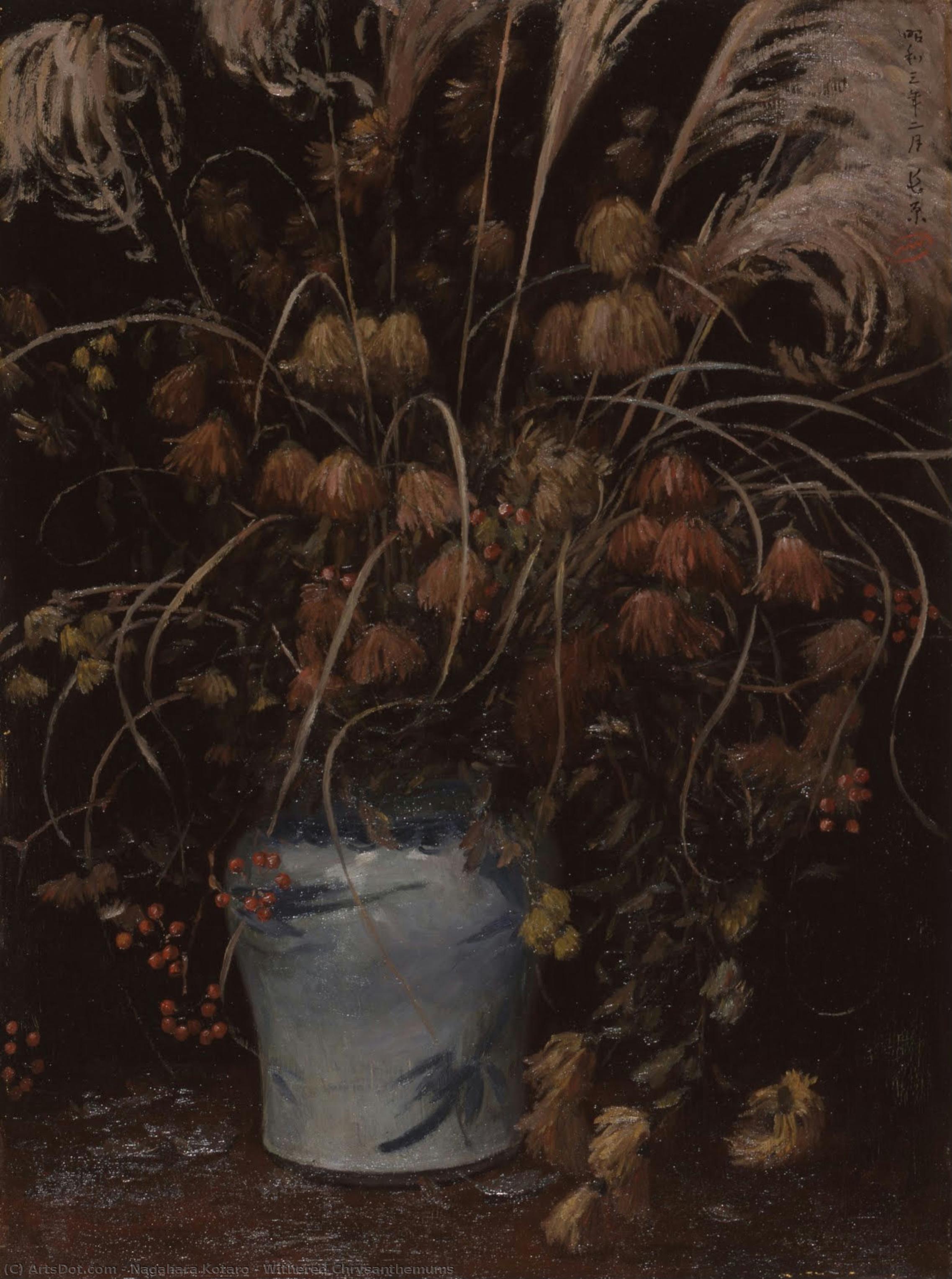
Withered Chrysanthemums


 詳細を見る
詳細を見る
オンラインプレビューをはるかに凌ぐ、高解像度で鮮明なデジタル画像をご購入いただけます。
各ファイルは、社内の専門家が高度なツールと熟練した手作業によるレタッチを用いて、細心の注意を払って準備されています。すべての画像において、卓越した鮮明度、正確な色彩再現性、そして繊細なディテールを保証いたします。
最終ファイルは、プロフェッショナルな編集・印刷環境ですぐにご利用いただけるよう最適化された状態で、72時間以内にメールにてお届けいたします。これは、一流のデザインスタジオ、出版社、ギャラリーから信頼されているものと同等の品質です。
デジタル画像のご注文に付随する特典
高品質なデジタル画像配信を、確かな品質で。
ArtsDot.com を選ぶことは、単に画像を手に入れることではありません。それは、プロの手によって精密に仕上げられ、満足保証が付いた高品質なデジタルアートワークを受け取ることを意味します。ご注文いただいた際に自動的に付随する内容は、以下の通りです:

メールですぐにお届け
ご注文から72時間以内に、高解像度のデジタル画像ファイルがメールでお手元に届きます。すぐにそのままご利用いただけます。

AI技術で最適化されたデジタルファイル
お客様の作品は、高度なAIツールと専門家による手作業の編集を組み合わせてプロフェッショナルに最適化されており、細部のディテール、鮮明さ、そして正確な色再現性を最大限に引き出しています。

一生涯無料の再送サービス
ファイルを誤って削除したり、紛失してしまったりしましたか?ご安心ください。いつでも無料で再送いたします。

輸入手数料は一切かかりません
関税や手数料、配送料を気にすることなく、お気に入りのアートワークをすぐにお楽しみいただけます。デジタルダウンロードは常に免税です。

色彩再現の保証
プロ仕様のツールとカラーマネジメント技術を用いることで、デジタル画像が元の色を最大限に忠実に再現することを保証いたします。

100日間満足保証
ご購入いただいたデジタル画像にご満足いただけない場合は、100日以内であれば、理由を問わず修正または100%の返金対応をさせていただきます。

100% 返金保証
ご満足いただけない場合は、デジタルファイルを受け取ってから100日以内であれば、理由を問わず全額返金いたします。

まとめ買い割引
3枚購入で10%OFF - 5枚購入で15%OFF - 10枚以上購入で20%OFF。クリエイティブなプロジェクト、ギャラリー、エージェンシーに最適です。
関連作品
作家の略歴
Henri de Toulouse-Lautrec: A Parisian Visionary
Henri Marie Raymond de Toulouse-Lautrec-Monfa, simply known as Toulouse-Lautrec, was a figure of captivating complexity and undeniable artistic brilliance. Born in 1864 into the aristocratic French family of the Counts of Toulouse, his life unfolded against a backdrop of privilege and profound physical challenges that ultimately shaped his unique artistic vision. His early years were marked by a devastating accident – a fall from a horse that resulted in permanently stunted legs, a condition he carried with him throughout his adult life, influencing both his posture and his perception of the world. Rather than succumbing to despair, Toulouse-Lautrec channeled this experience into an intense exploration of human form and emotion, particularly within the vibrant, often scandalous, milieu of late 19th-century Paris. He wasn’t merely a painter; he was a documentarian, a social observer, and a master of capturing the fleeting moments of Parisian life – its beauty, its decadence, and its underlying melancholy.Early Life and Influences: A Collision of Worlds
Toulouse-Lautrec’s upbringing provided him with access to an elite education and a deep understanding of French culture, yet it also instilled in him a sense of alienation and a desire for acceptance. His aristocratic lineage contrasted sharply with the bohemian artists and performers he would later frequent, creating a fascinating tension within his artistic development. While studying at the École des Beaux-Arts in Paris, he initially pursued traditional academic painting, but quickly found himself drawn to the Impressionists and Post-Impressionists – movements that emphasized capturing fleeting moments of light and color, and exploring subjective experience. Artists like Paul Cézanne, Vincent van Gogh, and Paul Gauguin, who were pushing boundaries with their bold brushstrokes and unconventional perspectives, exerted a significant influence on his evolving style. Notably, he also developed an appreciation for the work of Japanese woodblock prints, which introduced him to flattened perspective and simplified forms – elements that would later become integral to his distinctive aesthetic.The World of Montmartre: Portraits of Parisian Life
Toulouse-Lautrec’s artistic career truly blossomed in Montmartre, the heart of Paris's vibrant artistic community. He immersed himself in the world of cabarets, dance halls, and brothels – a realm largely ignored by mainstream society. This immersion provided him with unparalleled access to a diverse cast of characters: dancers, prostitutes, musicians, artists, and patrons. His paintings and prints became a visual record of this era, capturing the energy, the glamour, and the underlying desperation of Parisian nightlife. *La Blanchisseuse* (The Washerwoman), for example, is not simply a depiction of a working-class woman; it’s a study in light, shadow, and the quiet dignity of everyday life. Similarly, his depictions of the Moulin Rouge – *At the Moulin Rouge* and *Jane Avril at the Moulin Rouge* – are iconic images that capture the frenetic energy and theatricality of the dance hall. He wasn't interested in idealized beauty; he embraced the unconventional, the flawed, and the often-marginalized figures of his time.Technique and Style: A Unique Blend of Realism and Expression
Toulouse-Lautrec’s artistic style is instantly recognizable – a distinctive blend of realism and expressionism. He employed bold outlines, flattened perspective (influenced by Japanese prints), and vibrant colors to create dynamic compositions that captured movement and emotion. His use of line was particularly striking; he used it not just to define form but also to convey rhythm and energy. He often worked in multiple media – painting, printmaking (particularly lithography, which allowed him to produce large editions of his work), drawing, and even caricature – each medium contributing to the richness and complexity of his artistic output. His prints, in particular, were remarkably innovative for their time, utilizing unconventional techniques and subject matter. He was a master of capturing fleeting moments, conveying a sense of immediacy and spontaneity that is characteristic of his best work.Legacy and Recognition: A Lasting Impact on Art
Despite facing significant personal challenges and struggling with alcoholism throughout his life, Toulouse-Lautrec left an indelible mark on the art world. His innovative approach to subject matter, his bold use of color and line, and his unflinching portrayal of Parisian life earned him both critical acclaim and public controversy. *La Blanchisseuse* sold for a record price at auction in 2005, demonstrating the enduring value of his work. Today, Toulouse-Lautrec’s art is celebrated in museums around the world, and he is recognized as one of the most important artists of the late 19th century – a true visionary who captured the spirit of a rapidly changing Paris. His legacy extends beyond his individual works; he helped to pave the way for future generations of artists who dared to challenge conventions and explore new forms of expression.
nagahara kotaro
1864 - 1930 , Japan
プロフィール概要
- Artistic Movement Or Style: Post-Impressionism
- Artists Or Movements Influenced By This Artist:
- George Seurat
- Modernism
- Artists Who Influenced This Artist:
- Paul Cézanne
- Vincent van Gogh
- Paul Gauguin
- Date Of Birth: November 24, 1864
- Date Of Death: September 9, 1901
- Full Name: Henri Marie Raymond de Toulouse-Lautrec
- Nationality: French
- Notable Artworks:
- La Blanchisseuse
- Moulin de la Galette
- At the Moulin Rouge
- Place Of Birth: Camjac, Aveyron, France