

 プレビュー
プレビュー
 プリントを購入
 シェアする
シェアする シェアする
シェアする
 詳細を見る
詳細を見る

 ダウンロード
 似ている作品
 X線調査
X線調査 スライドショー
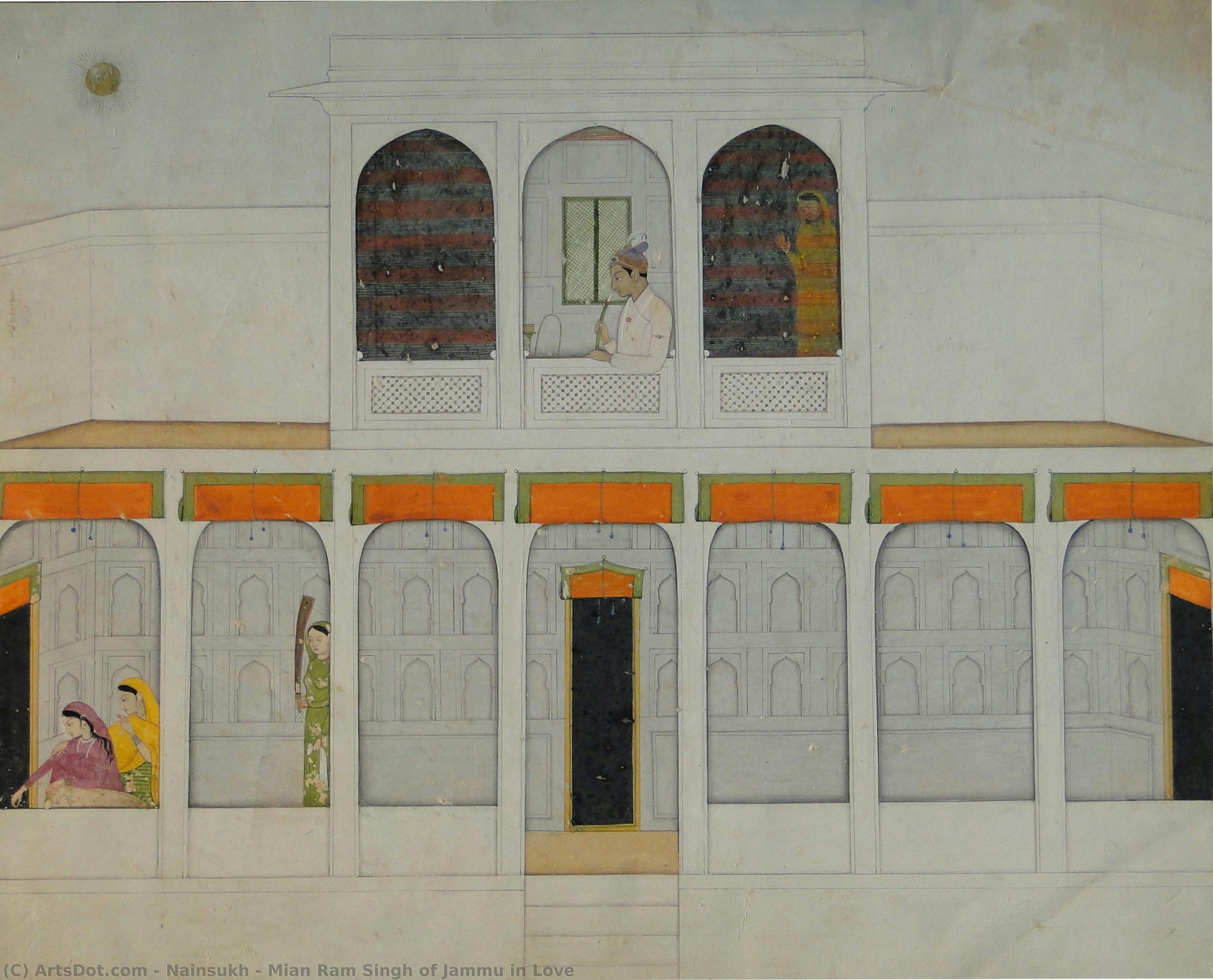
Mian Ram Singh of Jammu in Love
 Watercolor
- WallArt
- Pahari Miniature Painting
 22.0 x 27.0 cm
 Lahore Museum
 詳細を見る
詳細を見る




P118B $10

P118H $10

P118W $10

P438Z $10

P508JH $12

P508YH $12

P805H $10

P805Z $10

P919BZ $10

P919G $10

P919XJ $10

P959ZH $10

P968JZ $12

W106C $8

W218G $10

W218JH $8

W218Y $10

W307PJ $10

W316G $10

W316PJ $8

W316Y $10

W398PJ $8

W4111J $10

W500HY $15

W500JH $15

W692G $12

W849H $8

W940BG $15

W953PJ $8




作品のオリジナル比率に合わせた、当店の規定サイズからお選びください。

特定のフレームやスペースに合わせて、ご希望のサイズをご入力いただけます。選択されたサイズが元の画像の比率と異なる場合、アートワークをトリミングするか、手描きで要素を追加して絵画を拡張いたします。デジタルモックアップ を制作し、制作開始前にご確認(承認)をいただきます。
画面上のプレビューは、実際のトリミングや拡張を正確に反映しているものではありません。最終的な構図は、モックアップによってのみ正確にご確認いただけます。
カスタムサイズもご利用いただけますが、元の比率を維持するためには、あらかじめ用意されたリストからサイズを選択することをお勧めいたします。
ご注文後、ArtsDot.com チームより詳細な指示をお送りするとともに、仕上がりイメージ(モックアップ)をご提供いたします。


 ガラスオプションは、110cm未満のサイズでのみご利用いただけます。

Mian Ram Singh of Jammu in Love
複製技法
複製画のサイズ
-


合計金額
$ 363
作品解説
The Intimate Portrait of a Nobleman – Nainsukh’s *Mian Ram Singh of Jammu in Love*
Within the serene landscapes of the Himalayan foothills resides a captivating miniature painting, *Mian Ram Singh of Jammu in Love*, by the masterful Nainsukh. Completed around 1760, this work transcends mere portraiture; it offers a poignant glimpse into aristocratic life during the mid-18th century, revealing a world of quiet contemplation and subtle social dynamics. More than just a depiction of a man, it’s an evocative study in light, color, and the delicate dance between observation and emotion.
Nainsukh, born around 1710 in Guler, stands as one of the most significant figures in Pahari painting – a regional style renowned for its exquisite detail, vibrant hues, and profound sensitivity to nature. His artistic lineage, tracing back through his father Pandit Seu and brother Manaku, instilled within him a deep understanding of established conventions while simultaneously fostering an innovative spirit. *Mian Ram Singh of Jammu in Love* exemplifies this duality; it’s firmly rooted in the traditions of Pahari art yet imbued with Nainsukh's distinctive stylistic flourishes – a preference for uncolored grounds, subtle shading achieved through washes of color, and a meticulous attention to detail that elevates the scene beyond simple representation.
A Study in Light, Color, and Composition
The painting’s composition is remarkably balanced, centered around Mian Ram Singh, seated on a balcony overlooking a courtyard. The architectural elements—arches, columns, and windows—form a structured framework, subtly receding into the background to create a sense of depth. Below him, figures are arranged in groups, suggesting a bustling social scene, yet the focus remains firmly fixed on the nobleman’s solitary presence. The color palette is restrained but remarkably rich; muted earth tones – ochre, terracotta, and beige – dominate, punctuated by delicate accents of pink, green, and blue that add visual interest without overwhelming the overall mood.
Nainsukh masterfully employs light to sculpt form and define space. The diffused illumination creates a gentle glow across the scene, avoiding harsh shadows and contributing to the painting’s inherent softness. The fine lines used to delineate architectural details, clothing patterns, and facial features are particularly noteworthy – they speak to Nainsukh's exceptional technical skill and his dedication to capturing every nuance of texture and form. The loop of the hookah stem is a signature element, adding a touch of intimate detail that draws the viewer into the scene.
Symbolism and Emotional Resonance
*Mian Ram Singh of Jammu in Love* isn’t simply a portrait; it's a carefully constructed tableau brimming with symbolic meaning. The nobleman’s posture – relaxed yet dignified, his gaze directed towards an unseen horizon – suggests contemplation and perhaps even melancholy. The presence of the hookah, a symbol of leisure and social connection, hints at a life of privilege and refined tastes. The figures in the courtyard below represent the broader community surrounding Mian Ram Singh, subtly reinforcing his position within that society.
The painting evokes a powerful sense of serenity and order, reflecting the values associated with aristocratic life. It’s a moment frozen in time – a quiet observation of human interaction set against the backdrop of a beautiful landscape. The subtle emotional undertones invite viewers to contemplate the complexities of social status, personal reflection, and the enduring allure of beauty.
A Legacy of Artistic Innovation
Created primarily with watercolor on paper, *Mian Ram Singh of Jammu in Love* showcases Nainsukh’s mastery of layering techniques and his ability to create a sense of depth through subtle variations in color density. The flattened perspective, characteristic of miniature painting, serves to heighten the focus on detail and composition rather than striving for strict realism. This work stands as a testament to Nainsukh's pivotal role in shaping the Pahari style – a style that continues to captivate art lovers today with its exquisite beauty and profound emotional resonance.
Reproductions of this stunning artwork are available through ArtsDot.com, offering collectors and enthusiasts alike the opportunity to bring this masterpiece into their homes or studios.
関連作品
アーティストの略歴
生誕と初期の芸術的素養
ナインスフ(Nainsukh、1710年頃 - 1778年)という名前は「目の喜び」を意味し、その作品に触れた人々にとってまさに視覚的な歓喜の源でした。ヒマチャル・プラデーシュ州現在のインド北部に位置するグラー地方で生まれたナインスフは、芸術的伝統が深く根付いた家系に生まれました。彼の父パンディット・セウ(Pandit Seu)は著名な画家であり、兄マナク(Manaku)もパハリ絵画様式において高い評価を得ていました。この家族環境は若いナインスフにとって没入的な教育の場となり、彼自身の才能を磨き、18世紀で最も独創的かつ優れたインド人画家の一人としての地位を確立するための基礎を築きました。グラーでの幼少期は非常に重要であり、鮮やかな色彩、繊細なディテール、宗教的な物語や宮廷生活に焦点を当てたパハリ絵画様式の確立された慣習に対する深い理解を彼に植え付けました。しかし、この初期段階から、ナインスフは革新への傾倒を示し、彼の成熟した作品を特徴づける様式的な逸脱をほのめかしていました。グラーからジャスロータへ:様式の変容
1740年頃、ナインスフの芸術的旅路に転換期が訪れました。彼は家族の工房であるグラーの慣れ親しんだ環境を離れ、ミアン・ゾルワール・シン(Mian Zorawar Singh)の宮廷で庇護を受けることを決意しました。その後、彼の息子バルワント・シン(Balwant Singh)も彼を支援しました。この移転は劇的な変化をもたらしました。すでにパハリ絵画において確固たる基盤を持っていたナインスフでしたが、地域に浸透し始めていたムガル絵画の洗練された美学が彼の表現に大きな影響を与えました。彼は単にムガル技法を模倣したのではなく、既存のパハリ様式に巧みに統合し、そのスタイルを新たな高みへと押し上げました。この時期には、ナインスフの色彩構成がより落ち着いた色調へと変化し、自然主義的な表現への関心が高まりました。彼の人物は微妙な陰影と繊細なグラデーションによって新たな立体感と深みを得て、風景描写はますます詳細で雰囲気豊かになりました。この影響は様式的であるだけでなく、主題の拡大も伴い、伝統的な宗教的主題に加えて、日常生活のニュアンスを描く関心が高まりました。ナインスフの芸術性の核心
ナインスフの絵画は、その独特な特徴によってすぐに識別できます。彼は並外れた観察力と驚くべき精度で細部を捉える能力を持っていました。衣服の複雑な模様を描写するにしても、顔の微妙な表情を描写するにしても、彼の構図はしばしば複雑で多層的であり、鑑賞者を宮廷の陰謀、宗教的な献身、親密な瞬間の世界へと引き込みます。彼の様式の特徴の一つは空間の革新的な使用です。彼は空遠近法などの技法を用いて距離感と奥行きを表現し、パハリ絵画では前例のない深みと雰囲気を作り出しました。彼の色彩構成は初期のパハリ作品と比較して抑制されていますが、それでも豊かで喚起的であり、特に緑豊かな緑色と微妙なアースカラーを好んで使用していました。しかし、最も重要なことは、ナインスフが単なる表現を超越した感情的な深みと心理的な洞察を人物に吹き込んだことです。彼は単に肖像画や場面を描写していたのではなく、喜び、悲しみ、熟考、欲望といった人間の経験の本質をとらえていました。例えば、ラージャ・バルワント・シンがクリシュナとラーダーの幻を見るは、繊細な優雅さと深い感情的な共鳴をもって精神的なテーマを表現する彼の能力を例証しています。遺産と永続的な影響
ナインスフがパハリ絵画の軌跡に与えた影響は計り知れません。彼は既存の技法を洗練させるだけでなく、次世代の芸術家たちに刺激を与えた新しいアプローチを導入しました。彼のキャリアの終盤には、繁栄した家族の工房を設立し、彼の芸術的遺産が彼の子供や甥(「ナインスフの家族」として知られる)を通して受け継がれることを保証しました。これらの芸術家たちは彼の様式を受け継ぎ、地域全体に彼の革新をさらに広めました。彼の作品はパハリ絵画の頂点を示し、初期の伝統と後期の発展との橋渡しを果たしています。今日、ナインスフに帰属される約100点の作品が世界中の美術館や個人コレクションに残されています。それらは18世紀のラージプート宮廷の文化、宗教、社会生活に関する貴重な洞察を提供し、インド美術史における彼の重要な地位を確固たるものにしています。彼の絵画は単なる美しいオブジェクトではありません。それは過ぎ去った時代への窓であり、人間の精神をとらえ、後世のために保存する芸術の力の証です。代表的な作品
- トランペッターの一団: 彼の観察力と構図能力を示す初期の作品。
- パンディット・ハリ・ハランと従者たちが宮殿に近づく: デリケートなディテールと雰囲気のある遠近法を備えたパハリ絵画の本質を実証しています。
- ラージャ・バルワント・シンがクリシュナとラーダーの幻を見る: 繊細さと優雅さをもって精神的なテーマを描写する彼の能力を例証しています。
- 従者の進歩: 彼のアレゴリー的対象への革新的なアプローチと連続的な物語を強調しています。
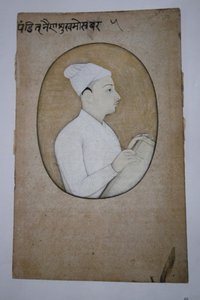
ナンシク (Nanshiku)
1710 - 1778 , インド
基本情報
- Artistic Movement Or Style: パハリ絵画
- Artists Or Movements Influenced By This Artist:
- パハリ画家
- 家族工房
- Artists Who Influenced This Artist:
- パンディット・セウ
- ムガル絵画
- Date Of Birth: 1710年頃
- Date Of Death: 1778年
- Full Name: ナインスーク
- Nationality: インド人
- Notable Artworks (List Of Titles):
- トランペッターの一団
- ハリー・ハランの聖者
- クリシュナとラーダの幻視
- 修行者の進歩
- Place Of Birth (City And Country): グレル、インド
関連記事
Raja Ravi Varma: Bridging Tradition & Modernity in 19th-Century Indian Art
Explore the life & art of Raja Ravi Varma, a pioneer who fused European techniques with Indian iconography. Discover his iconic paintings, lasting legacy, and influence on modern Indian art at ArtsDot.
Jan van Kessel the Elder: A Baroque Master of Floral Still Life & Miniature Portraiture
Discover the exquisite detail of Jan van Kessel the Elder's Baroque floral still lifes & captivating miniatures. Explore his artistic legacy, scientific precision, and lasting influence on 17th-century Flemish painting.
Shadow Catcher: Edward S. Curtis & the Ethnographic Portraiture of a Vanishing West
Explore the life & work of Edward S. Curtis, the 'Shadow Catcher,' and his groundbreaking photographic documentation of Native American cultures. Discover iconic images from *The North American Indian* and a critical look at his lasting legacy.
Richard Cosway: Capturing Regency Elegance & Intimacy Through Portraiture
Explore the captivating world of Richard Cosway, Regency society's celebrated portrait miniaturist. Discover his exquisite art, aristocratic patrons & lasting legacy with ArtsDot.
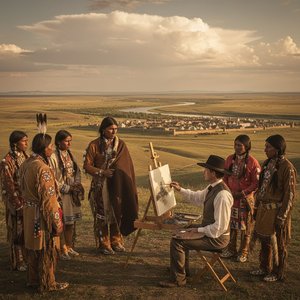
George Catlin: Witnessing & Representing Indigenous Life on the American Frontier
Explore the captivating art of George Catlin, renowned for his vivid portraits & landscapes documenting Native American life on the frontier. Discover a vanishing world through stunning paintings and historical context.

