

 プレビュー
プレビュー
 プリントを購入
 シェアする
シェアする シェアする
シェアする
 詳細を見る
詳細を見る

 ダウンロード
 似ている作品
 X線調査
X線調査 スライドショー
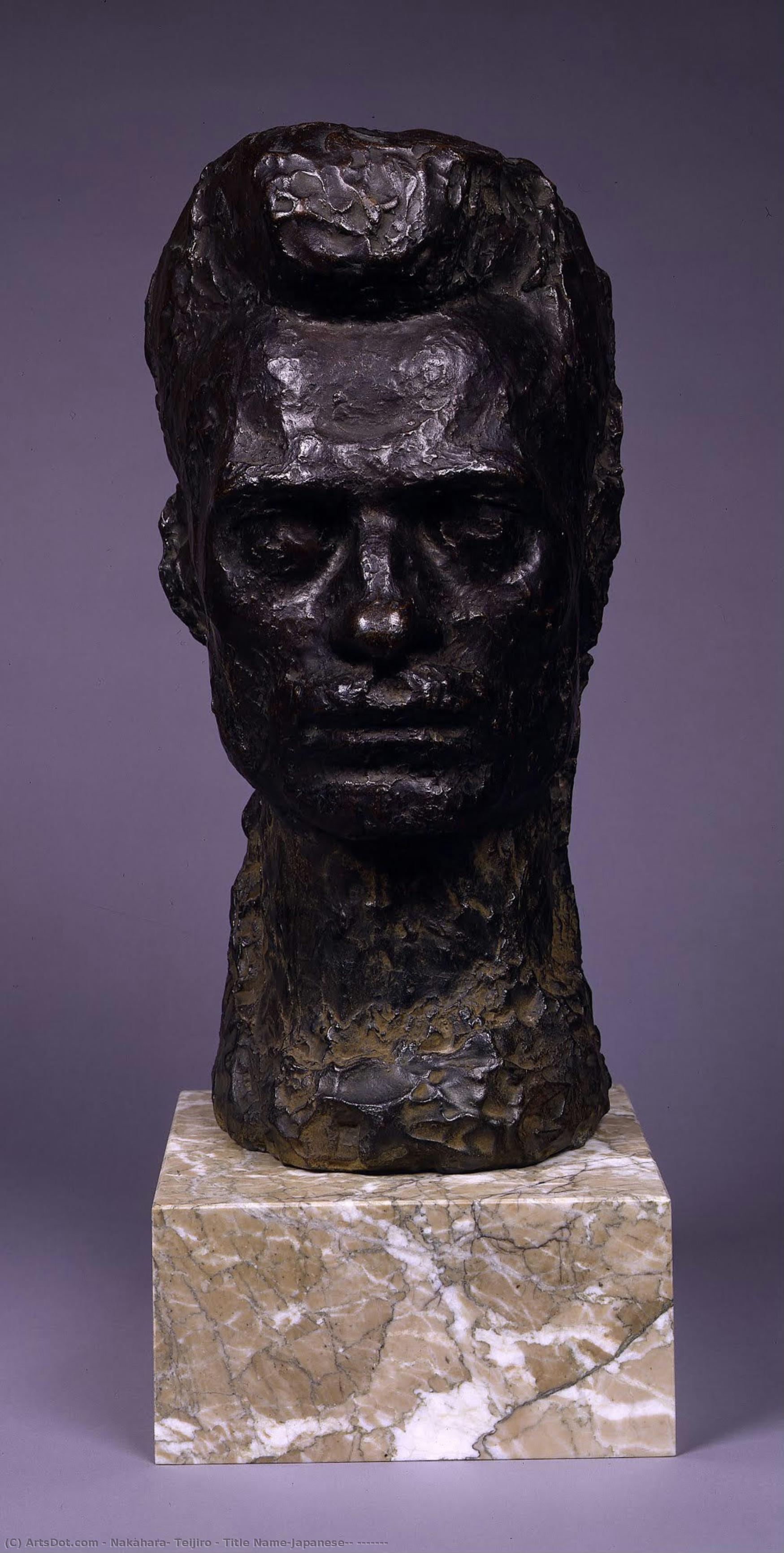
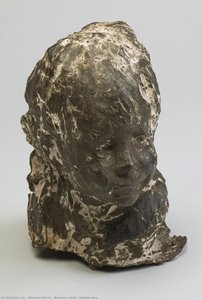
Title Name(Japanese): 若きカフカス人
 1919
1919 20.0 x 42.0 cm
 詳細を見る
詳細を見る
オンラインプレビューをはるかに凌ぐ、高解像度で鮮明なデジタル画像をご購入いただけます。
各ファイルは、社内の専門家が高度なツールと熟練した手作業によるレタッチを用いて、細心の注意を払って準備されています。すべての画像において、卓越した鮮明度、正確な色彩再現性、そして繊細なディテールを保証いたします。
最終ファイルは、プロフェッショナルな編集・印刷環境ですぐにご利用いただけるよう最適化された状態で、72時間以内にメールにてお届けいたします。これは、一流のデザインスタジオ、出版社、ギャラリーから信頼されているものと同等の品質です。
デジタル画像のご注文に付随する特典
高品質なデジタル画像配信を、確かな品質で。
ArtsDot.com を選ぶことは、単に画像を手に入れることではありません。それは、プロの手によって精密に仕上げられ、満足保証が付いた高品質なデジタルアートワークを受け取ることを意味します。ご注文いただいた際に自動的に付随する内容は、以下の通りです:

メールですぐにお届け
ご注文から72時間以内に、高解像度のデジタル画像ファイルがメールでお手元に届きます。すぐにそのままご利用いただけます。

AI技術で最適化されたデジタルファイル
お客様の作品は、高度なAIツールと専門家による手作業の編集を組み合わせてプロフェッショナルに最適化されており、細部のディテール、鮮明さ、そして正確な色再現性を最大限に引き出しています。

一生涯無料の再送サービス
ファイルを誤って削除したり、紛失してしまったりしましたか?ご安心ください。いつでも無料で再送いたします。

輸入手数料は一切かかりません
関税や手数料、配送料を気にすることなく、お気に入りのアートワークをすぐにお楽しみいただけます。デジタルダウンロードは常に免税です。

色彩再現の保証
プロ仕様のツールとカラーマネジメント技術を用いることで、デジタル画像が元の色を最大限に忠実に再現することを保証いたします。

60日間満足保証
ご購入いただいたデジタル画像にご満足いただけない場合は、60日以内であれば、修正または100%の返金(理由を問う必要はありません)をさせていただきます。

100% 返金保証
ご満足いただけない場合は、デジタルファイルを受け取ってから60日以内であれば、理由を問わず全額返金いたします。

まとめ買い割引
3枚購入で10%OFF - 5枚購入で15%OFF - 10枚以上購入で20%OFF。クリエイティブなプロジェクト、ギャラリー、エージェンシーに最適です。
関連作品






作家の略歴
A Brief Life Etched in Bronze: The Sculptural Legacy of Teijiro Nakahara
Teijiro Nakahara, a name perhaps unfamiliar to many outside the circles of Japanese modern sculpture, represents a poignant and tragically short-lived talent. Born in Asahikawa, Japan, in 1888, Nakahara’s artistic journey was one of intense dedication cut short by his untimely death in 1921 at the age of just thirty-two. His work, though limited in number due to his brief career, stands as a powerful testament to the burgeoning influence of Western sculptural traditions on Japanese art during the early 20th century, and more specifically, the impact of Rodin’s emotive realism. Nakahara wasn't merely replicating styles; he was synthesizing them with a uniquely Japanese sensibility, creating pieces that resonate with both universal human emotion and a distinctly local aesthetic.From Painterly Aspirations to Sculptural Revelation
Initially drawn to painting, Nakahara’s artistic path took a decisive turn after encountering the works of Morie Ogihara, a sculptor who had recently returned from Europe. This exposure proved transformative. Through Ogihara, Nakahara discovered the profound impact of Auguste Rodin – not just his technical mastery but also his ability to convey raw emotion and psychological depth through form. This encounter sparked a fundamental shift in Nakahara’s artistic focus; he enrolled in the carving and modeling division of the Taiheiyogakai institute, fully committing himself to sculpture. He later joined the Nihon Bijutsuin (Japan Art Institute) in 1916, solidifying his position within the evolving landscape of Japanese art. This period marked a crucial phase of development, where he honed his skills and began to forge his own artistic voice.The Power of ‘Head of Old Man’ and Beyond
Nakahara's most celebrated work, “Head of Old Man” (1916), encapsulates the core tenets of his artistic vision. The sculpture is a bronze bust that transcends mere representation; it’s a deeply moving portrait of wisdom, resilience, and the weight of experience etched onto a weathered face. The classical figurative style is evident, yet Nakahara infuses the work with an intimacy and psychological complexity rarely seen in traditional Japanese sculpture. He achieved this through meticulous detail – the lines around the eyes, the texture of the skin – but also through a deliberate emphasis on planes and volumes inspired by Rodin’s techniques. The somber mood is palpable, inviting contemplation on themes of aging, mortality, and the human condition. Beyond “Head of Old Man,” Nakahara produced other notable works like "Old Mendicant", demonstrating his continued exploration of human subjects and emotional depth.A Lasting Influence: The Asahikawa Museum and a Legacy Preserved
Despite his tragically short career, Teijiro Nakahara left an indelible mark on the art world. The establishment of the Asahikawa Museum of Sculpture in Honor of Teijiro Nakahara stands as a powerful tribute to his legacy. Originally built as the officer’s social club for the 7th Division of the Imperial Japanese Army (1902-1945), the building itself holds historical significance, designated an Important Cultural Property in 1968. Today, the museum houses Nakahara's twelve known sculptures alongside works by artists who influenced him – Rodin and Ogihara among them – as well as pieces from winners of the Teijiro Nakahara Award, founded in 1970. The museum actively promotes sculpture through exhibitions, lectures, and workshops, ensuring that Nakahara’s artistic spirit continues to inspire generations of sculptors and art enthusiasts.Historical Significance: Bridging East and West
Teijiro Nakahara occupies a unique position in the history of Japanese modern sculpture. He was not simply imitating Western styles but actively engaging with them, adapting them to express uniquely Japanese sensibilities. His work reflects a pivotal moment in Japanese art – a period of rapid modernization and increasing exposure to international influences. Nakahara’s sculptures represent a bridge between traditional artistic values and the burgeoning possibilities of modernism. He demonstrated that it was possible to embrace new techniques and perspectives while remaining deeply rooted in one's own cultural heritage, leaving behind a body of work that continues to resonate with its profound emotional depth and technical brilliance. His legacy is not merely as a skilled sculptor but as a pioneer who helped shape the course of Japanese art in the 20th century.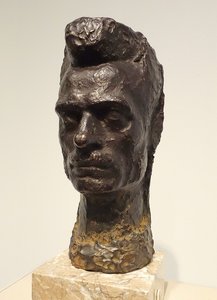
nakahara, teijiro
1888 - 1921 , Japan
プロフィール概要
- Artistic Movement Or Style: Early 20th Century Art
- Artists Who Influenced This Artist:
- Ogiwara Morie
- Rodin
- Date Of Birth: 1888
- Date Of Death: 1921
- Full Name: Teijiro Nakahara
- Nationality: Japanese
- Notable Artworks:
- Head of Old Man
- Old Mendicant
- Place Of Birth: Asahikawa, Japan

