

 プレビュー
プレビュー
 プリントを購入
 シェアする
シェアする シェアする
シェアする
 詳細を見る
詳細を見る

 ダウンロード
 似ている作品
 X線調査
X線調査 スライドショー
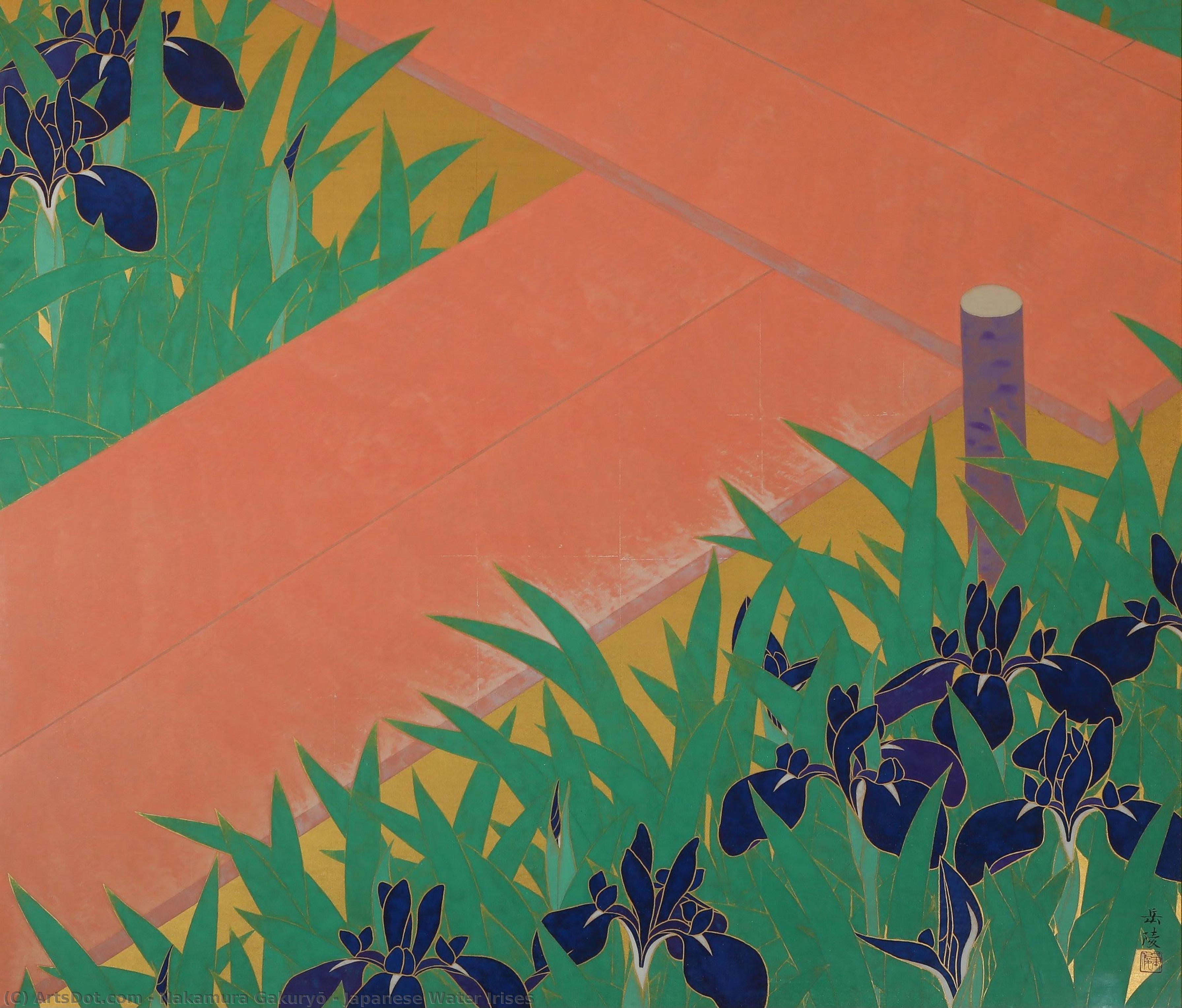
Japanese Water Irises
 91.0 x 105.0 cm
 詳細を見る
詳細を見る




































作品のオリジナル比率に合わせた、当店の規定サイズからお選びください。

特定のフレームやスペースに合わせて、ご希望のサイズをご入力いただけます。選択されたサイズが元の画像の比率と異なる場合、アートワークをトリミングするか、手描きで要素を追加して絵画を拡張いたします。デジタルモックアップ を制作し、制作開始前にご確認(承認)をいただきます。
画面上のプレビューは、実際のトリミングや拡張を正確に反映しているものではありません。最終的な構図は、モックアップによってのみ正確にご確認いただけます。
カスタムサイズもご利用いただけますが、元の比率を維持するためには、あらかじめ用意されたリストからサイズを選択することをお勧めいたします。
ご注文後、ArtsDot.com チームより詳細な指示をお送りするとともに、仕上がりイメージ(モックアップ)をご提供いたします。


 ガラスオプションは、110cm未満のサイズでのみご利用いただけます。

Japanese Water Irises
複製技法
複製画のサイズ
-


合計金額
$ 263
関連作品


アーティストの略歴
The Genesis of a Visionary
Born amidst the serene, mist-shrouded landscapes of Izu in 1890, Nakamura Gakuryō emerged as a transformative force in the evolution of Japanese art. His early years were steeped in the profound traditions of his homeland, shaped significantly by the mentorship of Kawabe Mitate. Through this tutelage, Gakuryō did not merely learn to paint; he absorbed the very soul of the Rimpa and Tosa schools, weaving their historical lineages into a personal aesthetic that respected the past while looking toward a new era. His formal training at the Tokyo School of Fine Arts in 1912 provided the technical rigor necessary to bridge the gap between ancient Japanese sensibilities and the encroaching influence of Western artistic principles, creating a foundation upon which he would build a legendary career.A Movement of Revival
As the Taisho and Showa eras unfolded, Gakuryō became a central figure in the Kojikai group, working alongside luminaries such as Maeda Seison. This was far more than a mere artistic circle; it was a deliberate crusade to protect and reinvigorate the Nihonga style against the overwhelming tide of Western Impressionism. Gakuryō’s work during this period sought to establish traditional Japanese painting not as a relic of a bygone age, but as a vibrant, modern genre capable of expressing contemporary emotion. His brushwork began to exhibit a unique duality—a masterful blend of meticulous realism and an expressive, almost ethereal, fluidity that captured the ephemeral beauty of the natural world with unprecedented clarity.Imperial Grandeur and Eternal Beauty
The pinnacle of Gakuryō’s career was most visibly realized within the hallowed, silent halls of the Tokyo Imperial Palace. His ability to command large-scale spaces led to monumental commissions that remain landmarks of Japanese decorative art. In the Hōmei-den state banquet hall, his “Toyohata-gumo” tapestry—a breathtaking depiction of a tranquil bank of clouds—showcased his unparalleled skill in textile design and composition. Furthermore, his work within the Ume-no-Ma audience room, particularly the iconic “Kouhaku-bai”, stands as a testament to his ability to infuse massive architectural spaces with profound spiritual depth and movement.- Mastery of Motif: His delicate renderings of floral elements, such as the celebrated Japanese Water Irises, continue to enchant viewers with their lifelike grace and rhythmic composition.
- Architectural Integration: He possessed a rare talent for designing art that functioned in perfect harmony with the structural grandeur of imperial architecture.
- Historical Significance: As a pioneer of the Nihonga revival, his legacy is etched into the very fabric of Japan's modern art history, bridging the gap between tradition and modernity.
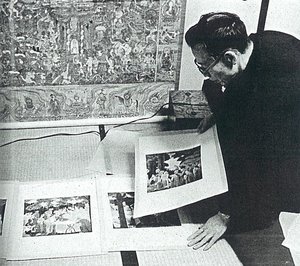
nakamura gakuryō
1890 - 1969 , Japan
基本情報
- Artistic Movement Or Style: Nihonga
- Artists Or Movements Influenced By This Artist: ['Maeda Seison']
- Artists Who Influenced This Artist: ['Kawabe Mitate']
- Date Of Birth: 1890
- Date Of Death: 1969
- Full Name: Nakamura Gakuryō
- Nationality: Japanese
- Notable Artworks:
- Toyohata-gumo
- Kouhaku-bai
- Place Of Birth: Izu, Japan