

 プリントを購入
 シェアする
シェアする シェアする
シェアする
 詳細を見る
詳細を見る

 ダウンロード
 似ている作品
 スライドショー
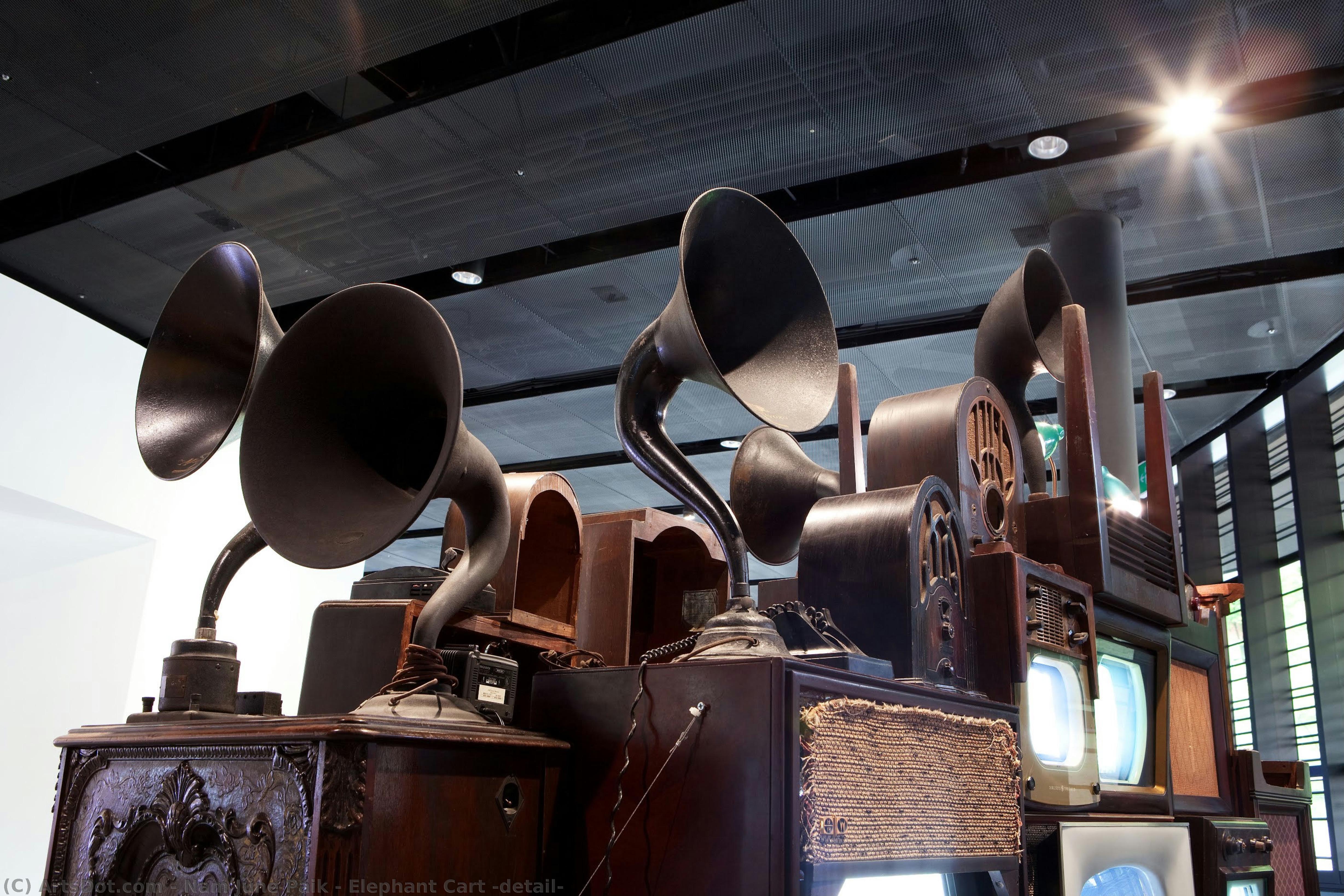
Elephant Cart (detail)


 詳細を見る
詳細を見る




































作品のオリジナル比率に合わせた、当店の規定サイズからお選びください。

特定のフレームやスペースに合わせて、ご希望のサイズをご入力いただけます。選択されたサイズが元の画像の比率と異なる場合、アートワークをトリミングするか、手描きで要素を追加して絵画を拡張いたします。デジタルモックアップ を制作し、制作開始前にご確認(承認)をいただきます。
画面上のプレビューは、実際のトリミングや拡張を正確に反映しているものではありません。最終的な構図は、モックアップによってのみ正確にご確認いただけます。
カスタムサイズもご利用いただけますが、元の比率を維持するためには、あらかじめ用意されたリストからサイズを選択することをお勧めいたします。
ご注文後、ArtsDot.com チームより詳細な指示をお送りするとともに、仕上がりイメージ(モックアップ)をご提供いたします。


 ガラスオプションは、110cm未満のサイズでのみご利用いただけます。

Elephant Cart (detail)
複製技法
複製画のサイズ
-


合計金額
$ 263
作品解説
A Symphony of Silicon and Soul
In the vast landscape of contemporary art, few works possess the evocative power to bridge the chasm between ancient tradition and the digital frontier as masterfully as Nam June Paik’s Elephant Cart. This profound installation, conceived between 1999 and 2001, serves as a mesmerizing meditation on the relentless flow of time and the transmission of culture. At its heart, the piece presents a striking juxtaposition: a meticulously crafted wooden elephant, embodying the weight of history and wisdom, supporting a serene Buddha statue atop a mobile dolly. This is not merely a sculptural arrangement; it is a deliberate dialogue between the organic and the electronic, inviting viewers to contemplate how our technological advancements reshape the very fabric of human memory.
The visual language of the work is one of beautiful contradiction. Paik utilizes a diverse array of materials to create a sensory experience that is both tactile and conceptual. The elephant, rendered with an almost archaic, grounded quality, provides a sturdy foundation for the more ephemeral elements of the piece. As the eye wanders across the composition, it encounters the vibrant, chaotic energy of red electric wires that snake between the dolly and various television monitors. This use of technological detritus—including antique television sets, radios, and gramophone speakers—creates a rhythmic tension. The technique suggests a mastery of assemblage, where the artist breathes life into obsolete objects, transforming them from relics of the past into active participants in a modern narrative.
The Pulse of Global Connectivity
To understand the emotional resonance of Elephant Cart, one must look to the historical currents that shaped Nam June Paik’s vision. As a pioneer of video art and a key figure in the Fluxus movement, Paik lived through an era of unprecedented globalization. His personal journey—from the upheaval of the Korean War to his emergence as a global visionary in New York—is etched into the very essence of this work. The piece acts as a vessel for the "electronic superhighway," a term Paik famously coined, reflecting his foresight regarding a world interconnected by invisible signals. By incorporating much-loved, older technologies, he creates a sense of nostalgia that is never purely sentimental; instead, it is a provocative inquiry into how much of our heritage survives the transition into the digital age.
For the discerning collector or interior designer, this artwork offers more than just visual intrigue; it provides a profound intellectual anchor for any space. The symbolism of the elephant—representing strength, longevity, and the enduring nature of wisdom—intertwines with the flickering light of the monitors to suggest that while media may change, the human desire to communicate remains constant. It is a piece that commands attention through its complexity, offering layers of meaning that reveal themselves upon repeated viewing. Whether placed in a contemporary gallery setting or a sophisticated private study, Elephant Cart serves as a captivating centerpiece, inspiring deep reflection on our place within the ever-evolving stream of human history and technological progress.
関連作品

関連記事

Bronze Sculptures That Defined Art History | ArtsDot
Journey through art history with our Top 10 bronze sculptures! Explore masterpieces by Rodin, Michelangelo & more. Discover stories behind iconic statues and find museum-quality reproductions for your home decor at ArtsDot.com.

The Enduring Form: Exploring Themes & Techniques in Sculpture Across Historical Periods
Explore the rich history of sculpture from ancient masterpieces to contemporary innovations. Discover key techniques, influential artists & investment potential for discerning art collectors.

The Enduring Form: Sculpture Across History, Technique & Emotional Resonance
Explore the rich history of sculpture with ArtsDot. Discover key techniques, influential artists & investment potential for discerning collectors. Expert insights into valuing and collecting timeless masterpieces.

Bronze Age to Modern Masters: 10 Sculptures That Redefined Art | ArtsDot
Journey through art history with 10 legendary bronze sculptures – from Michelangelo's David to Rodin’s Thinker. Explore the stories, techniques & timeless beauty of these masterpieces. Find museum-quality reproductions & elevate your home decor on ArtsDot.com.
青銅彫刻の永続的遺産:歴史、技法、そして現代における解釈
青銅彫刻の歴史、技法、現代における解釈を専門家が解説。古代から現代までの貴重な作品群を深く理解し、コレクションや投資に役立つ情報を提供します。美術品鑑定、修復についてもご紹介。

