

 プレビュー
プレビュー
 シェアする
シェアする シェアする
シェアする
 詳細を見る
詳細を見る

 ダウンロード
 似ている作品
 X線調査
X線調査 スライドショー
 Stats
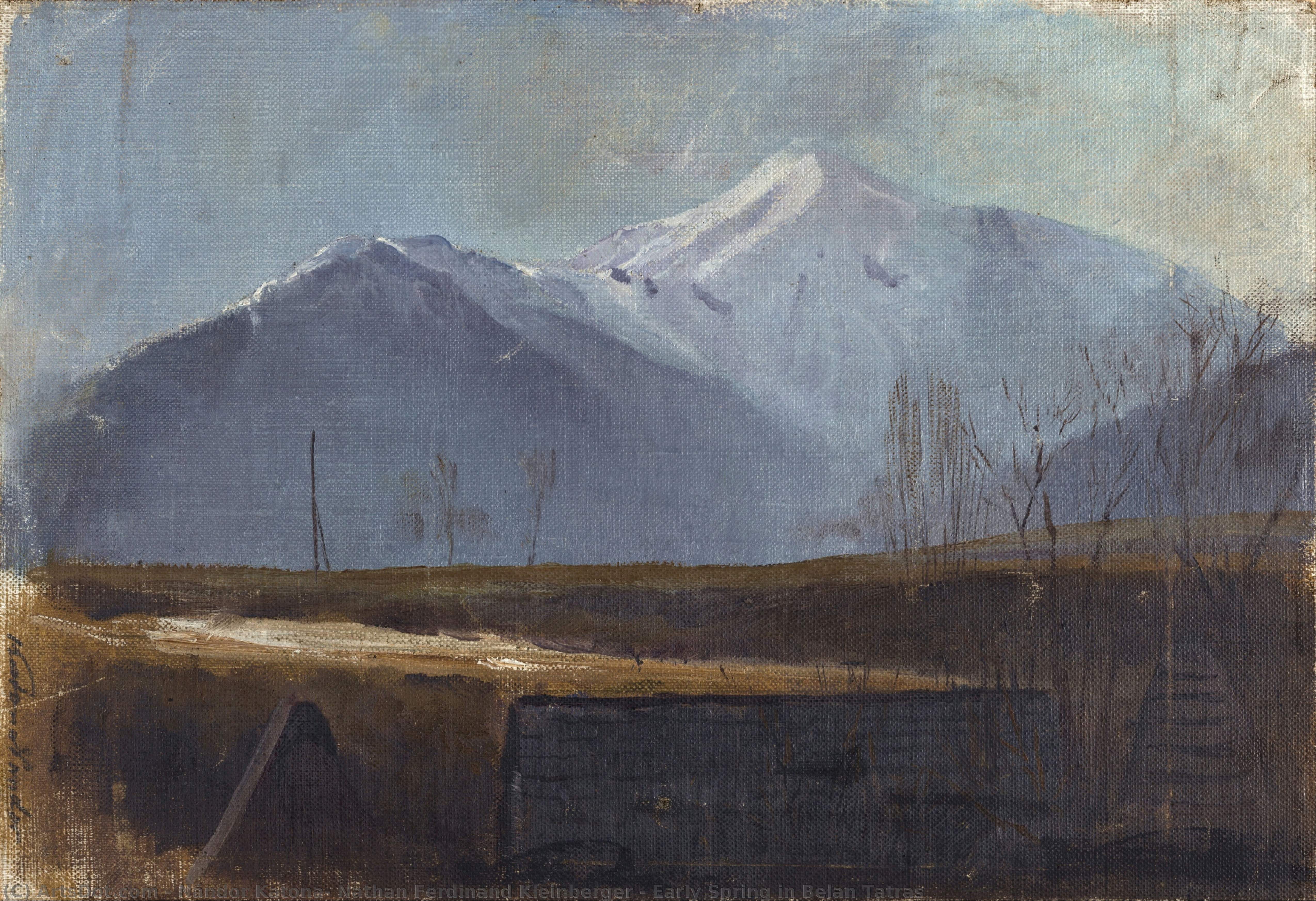
StatsEarly Spring in Belan Tatras


 詳細を見る
詳細を見る
オンラインプレビューをはるかに凌ぐ、高解像度で鮮明なデジタル画像をご購入いただけます。
各ファイルは、社内の専門家が高度なツールと熟練した手作業によるレタッチを用いて、細心の注意を払って準備されています。すべての画像において、卓越した鮮明度、正確な色彩再現性、そして繊細なディテールを保証いたします。
最終ファイルは、プロフェッショナルな編集・印刷環境ですぐにご利用いただけるよう最適化された状態で、72時間以内にメールにてお届けいたします。これは、一流のデザインスタジオ、出版社、ギャラリーから信頼されているものと同等の品質です。
デジタルアート
個人での鑑賞、印刷、クリエイティブなプロジェクト用に、高解像度ファイルをダウンロードできます。 ( Switch to Print 手描きの絵画を購入)
デジタル画像のご注文に付随する特典
高品質なデジタル画像配信を、確かな品質で。
ArtsDot.com を選ぶことは、単に画像を手に入れることではありません。それは、プロの手によって精密に仕上げられ、満足保証が付いた高品質なデジタルアートワークを受け取ることを意味します。ご注文いただいた際に自動的に付随する内容は、以下の通りです:

メールですぐにお届け
ご注文から72時間以内に、高解像度のデジタル画像ファイルがメールでお手元に届きます。すぐにそのままご利用いただけます。

AI技術で最適化されたデジタルファイル
お客様の作品は、高度なAIツールと専門家による手作業の編集を組み合わせてプロフェッショナルに最適化されており、細部のディテール、鮮明さ、そして正確な色再現性を最大限に引き出しています。

一生涯無料の再送サービス
ファイルを誤って削除したり、紛失してしまったりしましたか?ご安心ください。いつでも無料で再送いたします。

輸入手数料は一切かかりません
関税や手数料、配送料を気にすることなく、お気に入りのアートワークをすぐにお楽しみいただけます。デジタルダウンロードは常に免税です。

色彩再現の保証
プロ仕様のツールとカラーマネジメント技術を用いることで、デジタル画像が元の色を最大限に忠実に再現することを保証いたします。

100日間満足保証
ご購入いただいたデジタル画像にご満足いただけない場合は、100日以内であれば、理由を問わず修正または100%の返金対応をさせていただきます。

100% 返金保証
ご満足いただけない場合は、デジタルファイルを受け取ってから100日以内であれば、理由を問わず全額返金いたします。

まとめ買い割引
3枚購入で10%OFF - 5枚購入で15%OFF - 10枚以上購入で20%OFF。クリエイティブなプロジェクト、ギャラリー、エージェンシーに最適です。
関連作品
作家の略歴
A Life Rooted in the Tatra: The Evocative Landscapes of Nándor Katona
Nándor Katona, also known as Nathan Ferdinand Kleinberger, was a painter whose life story is as compelling as the landscapes he so masterfully captured. Born on September 12, 1864, in the humble village of Spišská Stará Ves, nestled within the Kingdom of Hungary (now Slovakia), Katona’s beginnings were marked by profound poverty. He was one of seven children, and his early talent as an artist wasn't merely a gift but a beacon of hope for a family struggling to survive. Discovered as a prodigy, young Nándor was fortunate to be taken under the wing of László Mednyánszky, who recognized and nurtured the burgeoning artistic spirit within him. This mentorship proved pivotal, laying the foundation for Katona’s distinctive style and lifelong dedication to portraying the natural world.
Katona's formal education extended beyond his initial tutelage with Mednyánszky; he pursued studies in both Budapest and Paris, immersing himself in the artistic currents of the time. These experiences broadened his technical skills and exposed him to diverse influences, yet he consistently returned to the landscapes of his homeland – specifically the Szepes county (Spiš) region, the majestic Tatra Mountains, and the charming town of Késmárk (Kežmarok). While Budapest became his primary base for much of his life, it was the raw beauty of Spiš that truly fueled his artistic vision. He wasn’t simply painting what he saw; he was translating a deep emotional connection to place onto canvas.
The Development of a Unique Impressionistic Voice
Katona's work is often categorized within the realm of Impressionism, but this label doesn’t fully encapsulate the depth and character of his paintings. While he embraced the broken brushstrokes and emphasis on light characteristic of the movement, his approach was uniquely personal. He wasn’t interested in fleeting moments or urban scenes; instead, he focused on rendering the grandeur and subtle nuances of nature. His canvases are imbued with a sense of atmosphere, capturing not just the visual appearance of the Tatra Mountains but also their emotional weight – the stillness of ancient forests, the crispness of mountain air, the drama of changing weather patterns.
His technique involved building up layers of paint to create texture and depth. He skillfully used color to convey mood and light, often employing a muted palette that reflected the natural tones of his surroundings. Unlike some Impressionists who favored bright, vibrant hues, Katona’s colors are more restrained, lending a sense of realism and authenticity to his work. This is not to say his paintings lack vibrancy; rather, it's a subtle vibrancy born from careful observation and a deep understanding of the interplay between light and shadow.
Themes and Symbolism in Katona’s Art
The recurring motif throughout Katona’s oeuvre is undoubtedly the landscape. However, within this seemingly simple subject matter lies a wealth of symbolism and emotional resonance. The Tatra Mountains, for example, weren't merely picturesque backdrops; they represented strength, resilience, and the enduring power of nature. His depictions of Késmárk often evoke a sense of nostalgia and longing, hinting at a deep connection to his roots and a yearning for simpler times.
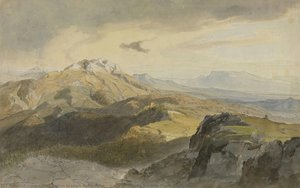
The early spring scenes, like “Early Spring in Belan Tatras”, are particularly poignant. They symbolize renewal, hope, and the cyclical nature of life. Katona’s ability to capture these subtle emotional undertones is what sets him apart from other landscape painters of his time. He wasn't just documenting scenery; he was exploring universal themes of beauty, loss, and the human connection to the natural world.
Legacy and Historical Significance
Nándor Katona’s work gained recognition during his lifetime, and today it continues to captivate audiences with its evocative power. His paintings are held in prestigious collections such as the Hungarian National Gallery in Budapest, the Slovak National Gallery, and the Eastern Slovak Gallery in Košice, solidifying his place within the canon of Hungarian and Slovak art history.
His significance lies not only in his technical skill but also in his ability to capture the spirit of a specific region – the Szepes county – with such authenticity and emotional depth. He stands as a testament to the power of art to transcend mere representation and connect us to something larger than ourselves. Katona’s paintings offer a glimpse into a bygone era, reminding us of the beauty that exists in the natural world and the importance of preserving it for future generations.
- Born: September 12, 1864, Spišská Stará Ves, Slovakia
- Died: August 1, 1932, Budapest, Hungary
- Influences: László Mednyánszky, Impressionism
- Key Themes: Landscape painting, Tatra Mountains, nature, nostalgia, emotional resonance.
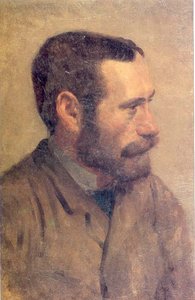
nándor katona, nathan ferdinand kleinberger
1864 - 1932 , Slovakia
プロフィール概要
- Artistic Movement Or Style: Impressionism, Landscape
- Artists Who Influenced This Artist: ['László Mednyánszky']
- Date Of Birth: September 12, 1864
- Date Of Death: August 1, 1932
- Full Name: Nándor Katona / Nathan Kleinberger
- Nationality: Hungarian-Jewish
- Notable Artworks:
- Early Spring in Belan Tatras
- Strážky
- Place Of Birth: Spišská Stará Ves, Slovakia