

 プレビュー
プレビュー
 シェアする
シェアする シェアする
シェアする
 詳細を見る
詳細を見る

 ダウンロード
 似ている作品
 X線調査
X線調査 スライドショー
 統計情報
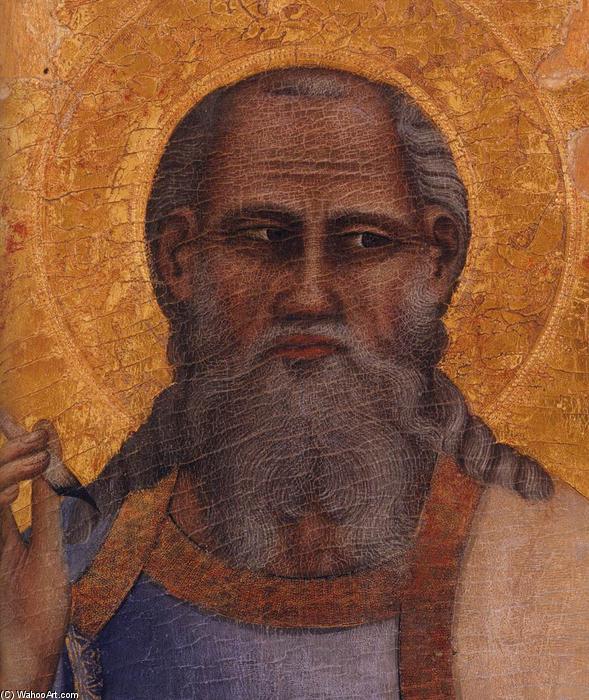
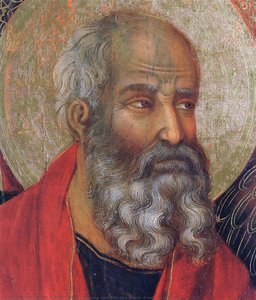
統計情報St John the Evangelist (detail)


 詳細を見る
詳細を見る
オンラインプレビューをはるかに凌ぐ、高解像度で鮮明なデジタル画像をご購入いただけます。
各ファイルは、社内の専門家が高度なツールと熟練した手作業によるレタッチを用いて、細心の注意を払って準備されています。すべての画像において、卓越した鮮明度、正確な色彩再現性、そして繊細なディテールを保証いたします。
最終ファイルは、プロフェッショナルな編集・印刷環境ですぐにご利用いただけるよう最適化された状態で、72時間以内にメールにてお届けいたします。これは、一流のデザインスタジオ、出版社、ギャラリーから信頼されているものと同等の品質です。
デジタルアート
個人での鑑賞、印刷、クリエイティブなプロジェクト用に、高解像度ファイルをダウンロードできます。 ( プリント版に切り替え 手描きの絵画を購入)
デジタル画像のご注文に付随する特典
高品質なデジタル画像配信を、確かな品質で。
ArtsDot.com を選ぶことは、単に画像を手に入れることではありません。それは、プロの手によって精密に仕上げられ、満足保証が付いた高品質なデジタルアートワークを受け取ることを意味します。ご注文いただいた際に自動的に付随する内容は、以下の通りです:

メールですぐにお届け
ご注文から72時間以内に、高解像度のデジタル画像ファイルがメールでお手元に届きます。すぐにそのままご利用いただけます。

AI技術で最適化されたデジタルファイル
お客様の作品は、高度なAIツールと専門家による手作業の編集を組み合わせてプロフェッショナルに最適化されており、細部のディテール、鮮明さ、そして正確な色再現性を最大限に引き出しています。

一生涯無料の再送サービス
ファイルを誤って削除したり、紛失してしまったりしましたか?ご安心ください。いつでも無料で再送いたします。

輸入手数料は一切かかりません
関税や手数料、配送料を気にすることなく、お気に入りのアートワークをすぐにお楽しみいただけます。デジタルダウンロードは常に免税です。

色彩再現の保証
プロ仕様のツールとカラーマネジメント技術を用いることで、デジタル画像が元の色を最大限に忠実に再現することを保証いたします。

100日間満足保証
ご購入いただいたデジタル画像にご満足いただけない場合は、100日以内であれば、理由を問わず修正または100%の返金対応をさせていただきます。

100% 返金保証
ご満足いただけない場合は、デジタルファイルを受け取ってから100日以内であれば、理由を問わず全額返金いたします。

まとめ買い割引
3枚購入で10%OFF - 5枚購入で15%OFF - 10枚以上購入で20%OFF。クリエイティブなプロジェクト、ギャラリー、エージェンシーに最適です。
関連作品
作家の略歴
The Poet Painter of Florence: The Lyrical Legacy of Nardo di Cione
In the golden, turbulent era of fourteenth-century Florence, amidst the burgeoning shadows of the early Renaissance, there emerged a voice of profound tenderness and chromatic brilliance. Nardo di Cione, often whispered of in art historical circles as "the poet painter," was much more than a mere practitioner of the Florentine guild; he was a master of emotional resonance. While his contemporaries often sought to capture the monumental and the rigid, Nardo possessed an unparalleled sensitivity to form and a lyrical vein that allowed him to breathe life into the divine. Born around 1320, he was part of a formidable artistic dynasty, working alongside his brothers, the renowned Orcagna (Andrea di Cione) and Jacopo di Cione. Together, they formed a collaborative studio that acted as a crucible for innovation, shaping the visual language of Florence during its most formative years.
Nardo’s artistic foundation was built upon a rigorous understanding of both the tactile and the ethereal. His early training under Maestro Piero Bargellini, a distinguished sculptor and painter, provided him with a unique dual perspective. This apprenticeship instilled in him a deep reverence for sculptural volume, which he would later translate into painting through soft modeling and subtle differentiation of tone. This ability to marry the structural weight of sculpture with the fluid grace of painting is what truly distinguishes his hand. His work does not merely sit upon the surface; it possesses a rhythmic, breathing quality that suggests a profound human sympathy, even when depicting the most celestial subjects.
A Symphony of Devotion and Color
The zenith of Nardo’s collaborative achievements can be found within the hallowed walls of the Cappella Strozzi in Santa Maria Novella. Here, the Di Cione brothers undertook a monumental decorative program that remains a testament to their shared vision. While Orcagna focused on the central altarpiece, Nardo was entrusted with the profound narrative weight of the frescoes depicting The Last Judgment, Paradise, and Hell. In these works, Nardo’s mastery of color theory shines through; he utilized a rich palette to guide the viewer's soul from the terrifying depths of the inferno to the luminous, Byzantine-inspired splendor of paradise. His use of color was never merely decorative but served as a spiritual tool—a means of creating an otherworldly atmosphere that could evoke both dread and ecstasy.
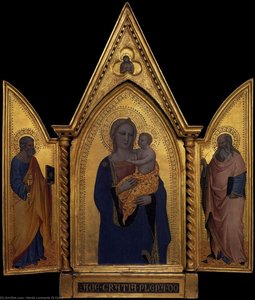
Beyond these grand frescoes, Nardo’s independent works reveal a more intimate, devotional side of his genius. His Crucifixion, currently housed in the Uffizi Gallery, serves as a breathtaking example of Gothic elegance. Through the meticulous application of gold leaf and intricate detailing, he captures an intense emotionality that transcends the wooden panel. Similarly, his Standing Madonna with Child, created in the wake of the devastating bubonic plague of 1348, speaks to the historical necessity of art as a vessel for spiritual relief. In this piece, one sees the artist's ability to offer comfort through beauty, creating icons that served as anchors for a grieving Florentine populace.
Historical Significance and Artistic Spirit
The significance of Nardo di Cione lies in his ability to bridge the gap between the rigid traditions of the medieval period and the burgeoning humanism of the Renaissance. His work embodies a transition—a movement from the symbolic toward the emotive. To study Nardo is to witness the evolution of the Florentine spirit:
- Technical Versatility: The seamless integration of sculptural depth with painterly fluidity.
- Emotional Depth: A unique "poetic" approach that prioritized human sympathy and soft, expressive modeling.
- Chromatic Mastery: The use of vibrant, symbolic colors to navigate complex theological narratives.
nardo leonardo di cione
1320 - 1366
プロフィール概要
- Artistic Movement Or Style: Renaissance Painting
- Artists Or Movements Influenced By This Artist: ['Late Gothic']
- Artists Who Influenced This Artist: ['Andrea di Cione']
- Date Of Death: c. 1366
- Full Name: Nardo di Cione
- Nationality: Italian
- Notable Artworks:
- Crucifixion
- Madonna and Child with Sts Peter and John the Evangelist
- Place Of Birth: Florence