

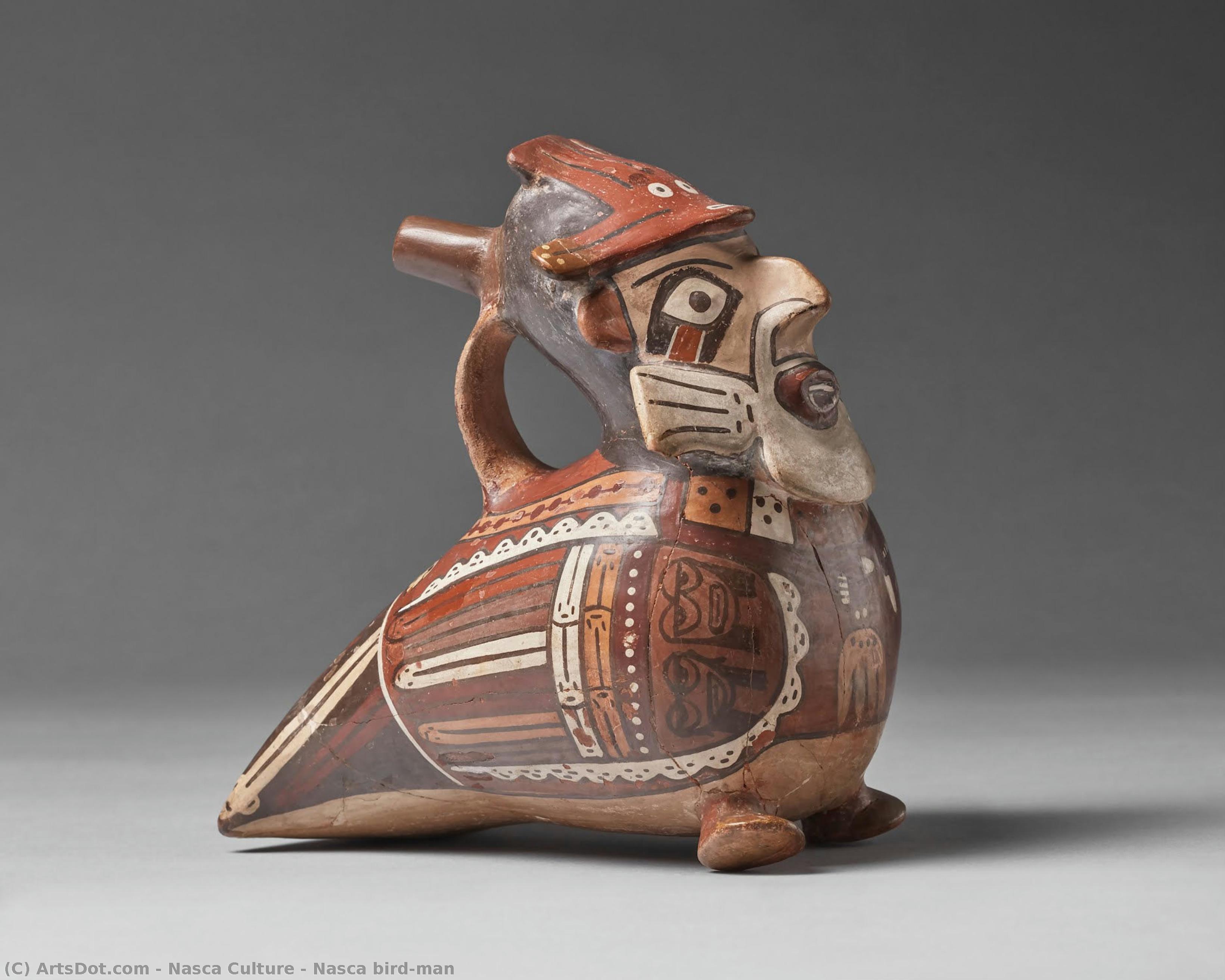
 プレビュー
プレビュー
 シェアする
シェアする シェアする
シェアする
 詳細を見る
詳細を見る

 ダウンロード
 似ている作品
 X線調査
X線調査 スライドショー
 Stats
StatsNasca bird-man

 詳細を見る
詳細を見る
オンラインプレビューをはるかに凌ぐ、高解像度で鮮明なデジタル画像をご購入いただけます。
各ファイルは、社内の専門家が高度なツールと熟練した手作業によるレタッチを用いて、細心の注意を払って準備されています。すべての画像において、卓越した鮮明度、正確な色彩再現性、そして繊細なディテールを保証いたします。
最終ファイルは、プロフェッショナルな編集・印刷環境ですぐにご利用いただけるよう最適化された状態で、72時間以内にメールにてお届けいたします。これは、一流のデザインスタジオ、出版社、ギャラリーから信頼されているものと同等の品質です。
デジタルアート
個人での鑑賞、印刷、クリエイティブなプロジェクト用に、高解像度ファイルをダウンロードできます。 ( Switch to Print 手描きの絵画を購入)
デジタル画像のご注文に付随する特典
高品質なデジタル画像配信を、確かな品質で。
ArtsDot.com を選ぶことは、単に画像を手に入れることではありません。それは、プロの手によって精密に仕上げられ、満足保証が付いた高品質なデジタルアートワークを受け取ることを意味します。ご注文いただいた際に自動的に付随する内容は、以下の通りです:

メールですぐにお届け
ご注文から72時間以内に、高解像度のデジタル画像ファイルがメールでお手元に届きます。すぐにそのままご利用いただけます。

AI技術で最適化されたデジタルファイル
お客様の作品は、高度なAIツールと専門家による手作業の編集を組み合わせてプロフェッショナルに最適化されており、細部のディテール、鮮明さ、そして正確な色再現性を最大限に引き出しています。

一生涯無料の再送サービス
ファイルを誤って削除したり、紛失してしまったりしましたか?ご安心ください。いつでも無料で再送いたします。

輸入手数料は一切かかりません
関税や手数料、配送料を気にすることなく、お気に入りのアートワークをすぐにお楽しみいただけます。デジタルダウンロードは常に免税です。

色彩再現の保証
プロ仕様のツールとカラーマネジメント技術を用いることで、デジタル画像が元の色を最大限に忠実に再現することを保証いたします。

100日間満足保証
ご購入いただいたデジタル画像にご満足いただけない場合は、100日以内であれば、理由を問わず修正または100%の返金対応をさせていただきます。

100% 返金保証
ご満足いただけない場合は、デジタルファイルを受け取ってから100日以内であれば、理由を問わず全額返金いたします。

まとめ買い割引
3枚購入で10%OFF - 5枚購入で15%OFF - 10枚以上購入で20%OFF。クリエイティブなプロジェクト、ギャラリー、エージェンシーに最適です。
関連作品









作家の略歴
The Enigmatic World of the Nasca Culture
Emerging from the arid landscapes of southern Peru between 100 BC and 800 AD, the Nasca culture remains one of archaeology’s most captivating mysteries. Flourishing in the river valleys of the Rio Grande de Nazca drainage and the Ica Valley, this pre-Columbian society wasn't defined by monumental architecture or sprawling cities, but rather by a profound connection to their environment and an extraordinary mastery of artistic expression. Their legacy isn’t etched in stone fortresses, but delicately imprinted upon the desert floor – colossal geoglyphs that continue to inspire awe and debate centuries later.
A Life Sustained by Innovation
Unlike many ancient civilizations centered around large-scale settlements, the Nasca people thrived through ingenious adaptation. The harsh climate demanded resourcefulness, leading to remarkable innovations in water management. The Puquios, a complex network of underground aqueducts, stand as testament to their engineering prowess. These subterranean channels tapped into groundwater sources, providing a sustainable irrigation system that allowed for agriculture in an otherwise unforgiving terrain. This ability to harness the hidden resources of the desert was fundamental to their survival and enabled them to develop a sophisticated society focused on artistic pursuits.
The Art of Daily Life: Ceramics and Textiles
Before the fame of the Nazca Lines, the Nasca culture distinguished itself through exceptional craftsmanship. Their ceramics, often polychrome painted with intricate designs, were not merely functional vessels but served as vital expressions of their worldview. Geometric patterns, depictions of animals – particularly birds, fish, and mythical creatures – and scenes from daily life adorned these pottery forms. The textiles produced by the Nasca people were equally impressive, utilizing complex weaving techniques to create vibrant fabrics that likely held both practical and ceremonial significance. These artistic creations weren’t isolated endeavors; they were deeply interwoven with religious beliefs and social structures.
The Nazca Lines: Messages in the Sand
It is, however, the Nazca Lines for which this culture is most widely recognized. Stretching across vast stretches of the desert pampa, these monumental geoglyphs – massive drawings etched into the earth’s surface – depict a stunning array of animals, plants, and geometric shapes. Created by removing the reddish-brown iron oxide coating to reveal the lighter sand beneath, their sheer scale is breathtaking, visible only from the air. The purpose of these lines remains a subject of ongoing scholarly debate. Theories range from astronomical calendars and ritual pathways to representations of deities or connections to water sources. What is certain is that their creation required meticulous planning, communal effort, and a deep understanding of geometry and landscape.
Historical Significance and Enduring Legacy
The Nasca culture eventually declined around 800 AD, likely due to climate change – specifically, shifts in El Niño patterns that brought devastating floods. While their civilization faded, their artistic legacy endures. The Nazca Lines stand as a powerful reminder of human ingenuity, creativity, and the profound relationship between people and their environment. They offer a unique window into the beliefs and practices of an ancient society, prompting us to contemplate the mysteries of the past and the enduring power of art to transcend time. Their influence can be seen in subsequent Peruvian cultures, demonstrating a lasting impact on the artistic traditions of the region. The Nasca culture’s story is not simply one of archaeological discovery; it's a testament to the resilience of the human spirit and the beauty that can emerge from even the most challenging landscapes.
nasca culture
Peru
プロフィール概要
- Artistic Movement Or Style: Ancient Ceramics & Textile Art
- Full Name: Nasca Culture
- Nationality: Peruvian
- Notable Artworks:
- Nazca Lines
- Puquios
- Place Of Birth: Peru