

 プレビュー
プレビュー
 シェアする
シェアする シェアする
シェアする
 詳細を見る
詳細を見る

 ダウンロード
 似ている作品
 X線調査
X線調査 スライドショー
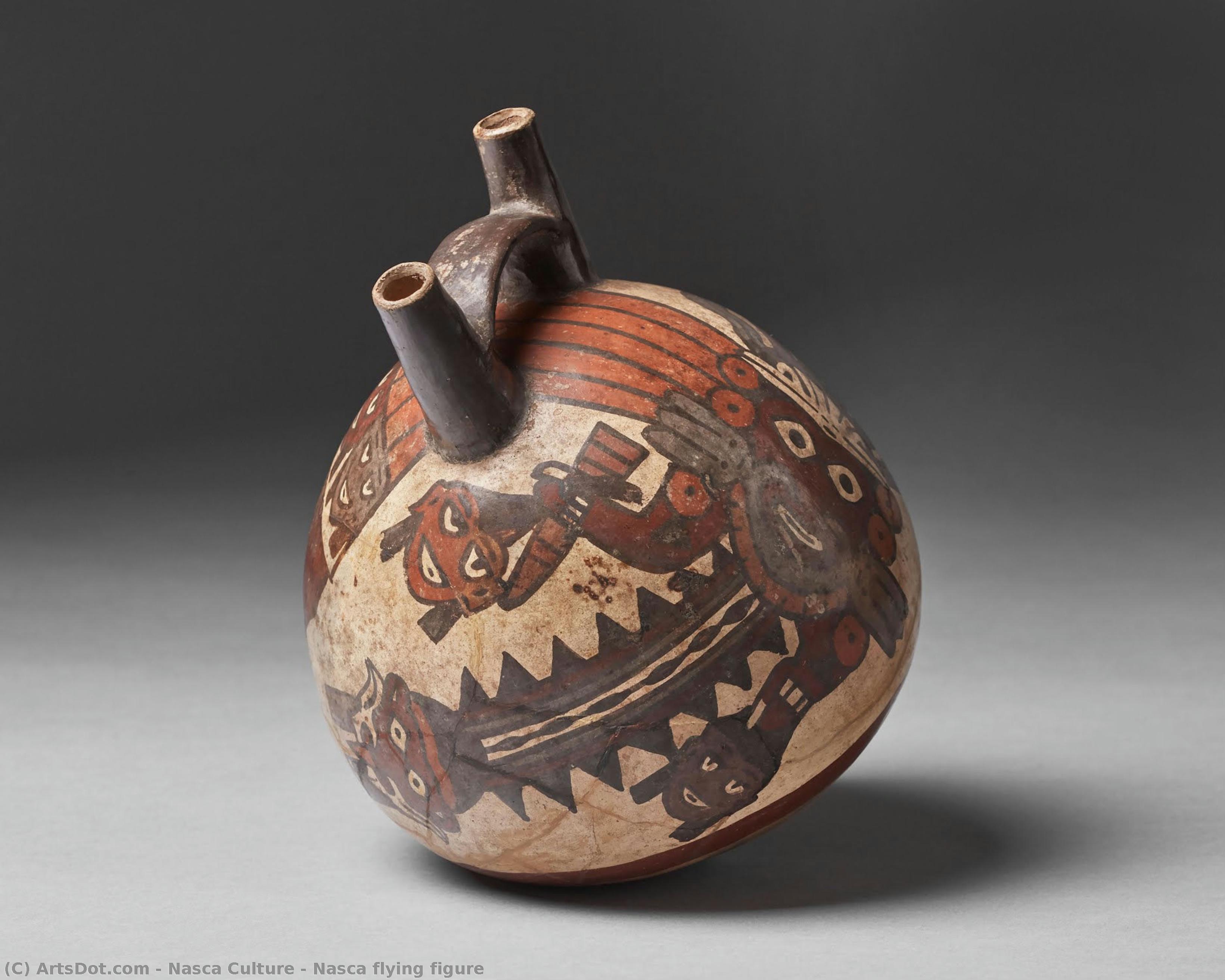
Nasca flying figure

 詳細を見る
詳細を見る
ジークレー/アートプリント
迅速な制作と多彩な仕上げオプションを備えた、ミュージアムクオリティのジークレーまたはキャンバスプリント。 ( 手描きの絵画を購入 画像を購入)




































作品のオリジナル比率に合わせた、当店の規定サイズからお選びください。

特定のフレームやスペースに合わせて、ご自身でサイズを指定することも可能です。選択されたサイズが元の画像の比率と一致しない場合、作品をトリミングするか、鏡面反射または単色での塗りつぶしによって画像を拡張いたします。制作を開始する前に、ご確認用のデジタルモックアップをお送りいたします。
画面上のプレビューには、実際のトリミングや拡張は反映されませんのでご注意ください。最終的な構図を正確に確認できるのは、モックアップのみとなります。
カスタムサイズも承っておりますが、元の比率を維持するためには、あらかじめ用意されたリストからサイズを選択することをお勧めいたします。


 ガラスオプションは、110cm未満のサイズでのみご利用いただけます。

Nasca flying figure
ジークレー/アートプリント
複製画のサイズ
-


合計金額
$ 62
関連作品









アーティストの略歴
The Enigmatic World of the Nasca Culture
Emerging from the arid landscapes of southern Peru between 100 BC and 800 AD, the Nasca culture remains one of archaeology’s most captivating mysteries. Flourishing in the river valleys of the Rio Grande de Nazca drainage and the Ica Valley, this pre-Columbian society wasn't defined by monumental architecture or sprawling cities, but rather by a profound connection to their environment and an extraordinary mastery of artistic expression. Their legacy isn’t etched in stone fortresses, but delicately imprinted upon the desert floor – colossal geoglyphs that continue to inspire awe and debate centuries later.
A Life Sustained by Innovation
Unlike many ancient civilizations centered around large-scale settlements, the Nasca people thrived through ingenious adaptation. The harsh climate demanded resourcefulness, leading to remarkable innovations in water management. The Puquios, a complex network of underground aqueducts, stand as testament to their engineering prowess. These subterranean channels tapped into groundwater sources, providing a sustainable irrigation system that allowed for agriculture in an otherwise unforgiving terrain. This ability to harness the hidden resources of the desert was fundamental to their survival and enabled them to develop a sophisticated society focused on artistic pursuits.
The Art of Daily Life: Ceramics and Textiles
Before the fame of the Nazca Lines, the Nasca culture distinguished itself through exceptional craftsmanship. Their ceramics, often polychrome painted with intricate designs, were not merely functional vessels but served as vital expressions of their worldview. Geometric patterns, depictions of animals – particularly birds, fish, and mythical creatures – and scenes from daily life adorned these pottery forms. The textiles produced by the Nasca people were equally impressive, utilizing complex weaving techniques to create vibrant fabrics that likely held both practical and ceremonial significance. These artistic creations weren’t isolated endeavors; they were deeply interwoven with religious beliefs and social structures.
The Nazca Lines: Messages in the Sand
It is, however, the Nazca Lines for which this culture is most widely recognized. Stretching across vast stretches of the desert pampa, these monumental geoglyphs – massive drawings etched into the earth’s surface – depict a stunning array of animals, plants, and geometric shapes. Created by removing the reddish-brown iron oxide coating to reveal the lighter sand beneath, their sheer scale is breathtaking, visible only from the air. The purpose of these lines remains a subject of ongoing scholarly debate. Theories range from astronomical calendars and ritual pathways to representations of deities or connections to water sources. What is certain is that their creation required meticulous planning, communal effort, and a deep understanding of geometry and landscape.
Historical Significance and Enduring Legacy
The Nasca culture eventually declined around 800 AD, likely due to climate change – specifically, shifts in El Niño patterns that brought devastating floods. While their civilization faded, their artistic legacy endures. The Nazca Lines stand as a powerful reminder of human ingenuity, creativity, and the profound relationship between people and their environment. They offer a unique window into the beliefs and practices of an ancient society, prompting us to contemplate the mysteries of the past and the enduring power of art to transcend time. Their influence can be seen in subsequent Peruvian cultures, demonstrating a lasting impact on the artistic traditions of the region. The Nasca culture’s story is not simply one of archaeological discovery; it's a testament to the resilience of the human spirit and the beauty that can emerge from even the most challenging landscapes.
nasca culture
Peru
基本情報
- Artistic Movement Or Style: Ancient Ceramics & Textile Art
- Full Name: Nasca Culture
- Nationality: Peruvian
- Notable Artworks:
- Nazca Lines
- Puquios
- Place Of Birth: Peru