

 プレビュー
プレビュー
 シェアする
シェアする シェアする
シェアする
 詳細を見る
詳細を見る

 ダウンロード
 似ている作品
 X線調査
X線調査 スライドショー
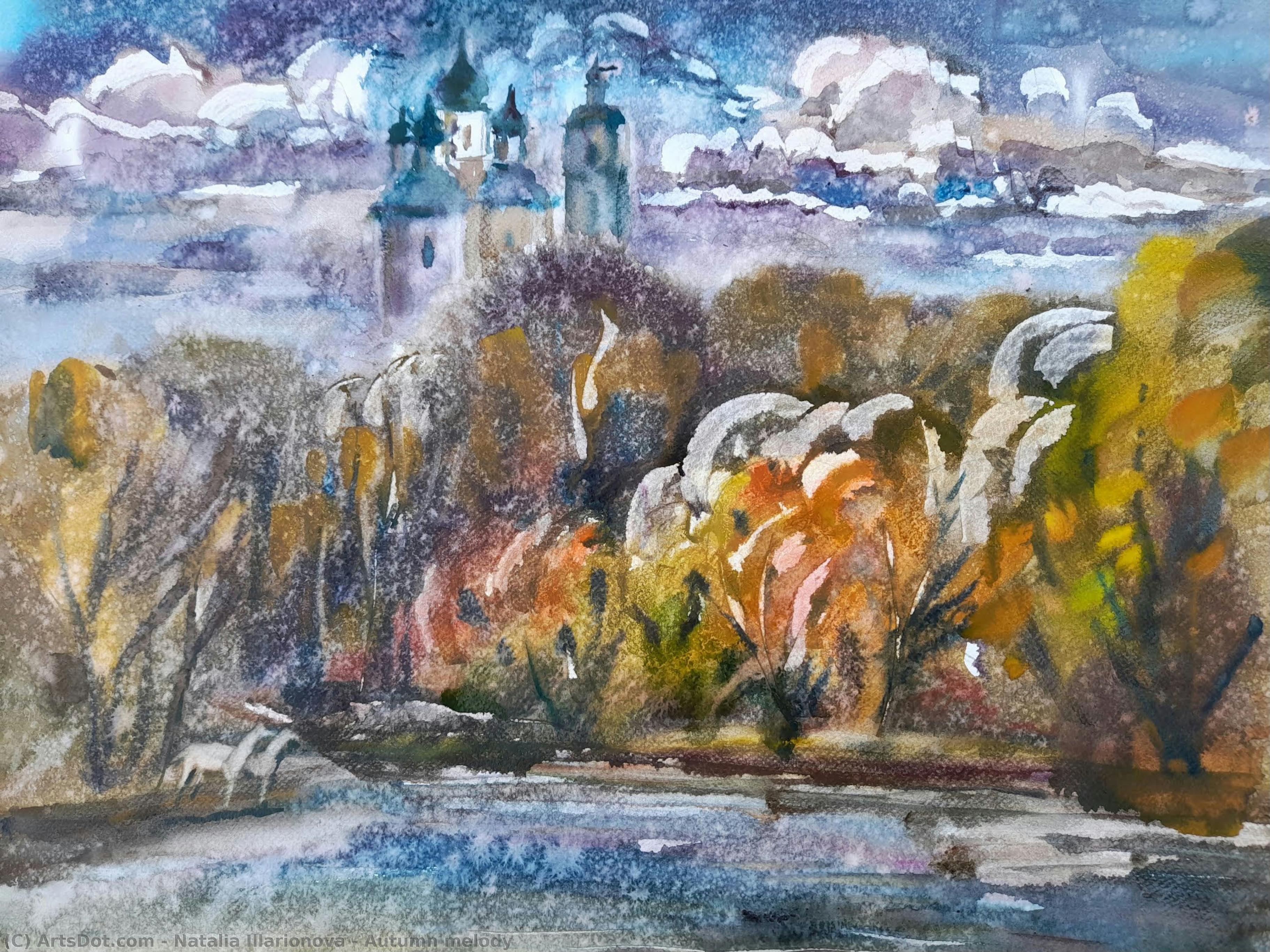
Autumn melody
 Watercolor
- WallArt
- Contemporary Realism
 2021
2021- Contemporary
 48.0 x 68.0 cm
 Chernihiv Regional Art Museum
 詳細を見る
詳細を見る
ジークレー/アートプリント
迅速な制作と多彩な仕上げオプションを備えた、ミュージアムクオリティのジークレーまたはキャンバスプリント。 ( 手描きの絵画を購入 画像を購入)




P118B $10

P118H $10

P118W $10

P438Z $10

P508JH $12

P508YH $12

P805H $10

P805Z $10

P919BZ $10

P919G $10

P919XJ $10

P959ZH $10

P968JZ $12

W106C $8

W218G $10

W218JH $8

W218Y $10

W307PJ $10

W316G $10

W316PJ $8

W316Y $10

W398PJ $8

W4111J $10

W500HY $15

W500JH $15

W692G $12

W849H $8

W940BG $15

W953PJ $8




作品のオリジナル比率に合わせた、当店の規定サイズからお選びください。

特定のフレームやスペースに合わせて、ご自身でサイズを指定することも可能です。選択されたサイズが元の画像の比率と一致しない場合、作品をトリミングするか、鏡面反射または単色での塗りつぶしによって画像を拡張いたします。制作を開始する前に、ご確認用のデジタルモックアップをお送りいたします。
画面上のプレビューには、実際のトリミングや拡張は反映されませんのでご注意ください。最終的な構図を正確に確認できるのは、モックアップのみとなります。
カスタムサイズも承っておりますが、元の比率を維持するためには、あらかじめ用意されたリストからサイズを選択することをお勧めいたします。


 ガラスオプションは、110cm未満のサイズでのみご利用いただけます。

Autumn melody
ジークレー/アートプリント
複製画のサイズ
-


合計金額
$ 62
A Symphony of Amber and Azure
In the delicate dance of watercolor, few works capture the fleeting transition of seasons as poignantly as Autumn Melody. This exquisite piece by the late Natalia Illarionova invites the viewer into a dreamlike realm where architecture and nature exist in a state of harmonious tension. At first glance, the eye is drawn to the majestic silhouette of a castle or perhaps an ancient cathedral, rising with quiet dignity against a sky filled with soft, wandering clouds. The composition is anchored by a lush foreground of trees, their forms layered to create a profound sense of depth that pulls the observer into the heart of this autumnal sanctuary. It is a scene that does not merely depict a landscape but evokes a memory of a crisp, golden afternoon spent wandering through forgotten estates.
The technical mastery of Illarionova is evident in her sophisticated use of color and light. Eschewing rigid outlines for the fluid, translucent properties of watercolor, she employs a palette dominated by warm oranges and deep, soulful blues. This deliberate contrast creates a visual rhythm—a melody, if you will—where the fiery hues of the autumn foliage vibrate against the cool, atmospheric tones of the sky and stone. The way the pigment bleeds and settles on the paper mimics the natural diffusion of light through a misty morning, lending the artwork an ethereal, almost impressionistic quality. Each brushstroke serves to build texture, from the solid, weathered surfaces of the distant architecture to the vibrant, flickering leaves that seem to rustle even in stillness.
Symbolism and Emotional Resonance
Beyond its aesthetic splendor, Autumn Melody carries a profound emotional weight, touching upon themes of nostalgia and the cyclical nature of time. The castle, often a symbol of permanence and human legacy, stands amidst the transient beauty of falling leaves, reminding us of the delicate balance between what endures and what fades. There is a certain melancholy in the orange hues—a reminder of the approaching winter—yet it is balanced by the warmth of the composition, which offers a sense of comfort and sanctuary. For the collector, this piece offers more than just decoration; it provides a window into a moment of quiet reflection, making it an ideal centerpiece for spaces designed for contemplation and peace.
For interior designers and connoisseurs of fine art, this reproduction serves as a versatile masterstroke of color coordination. The painting’s ability to bridge the gap between warm and cool tones allows it to integrate seamlessly into various decor styles, from classical European aesthetics to modern, minimalist settings. Whether placed in a sun-drenched living room or a sophisticated study, Autumn Melody acts as an emotional anchor, infusing a room with the majesty of history and the vibrant energy of nature. It is a testament to Illarionova’s legacy, bringing a touch of Ukrainian-inspired watercolor brilliance into the contemporary home.
関連作品

アーティストの略歴
Robert Delaunay: A Pioneer of Color and Rhythm
Robert Delaunay, born Robert-Victor-Felix Delaunay in Paris on April 12th, 1885, was a pivotal figure in the early 20th century’s artistic landscape. His life, marked by both intellectual rigor and passionate experimentation, profoundly shaped the development of Orphism and significantly influenced subsequent movements like Cubism and Abstraction. Initially apprenticed to a theatrical designer, Delaunay's artistic journey began with a fascination for decorative arts before he decisively embraced painting in 1906, driven by a desire to explore pure color and its expressive potential. His early work, deeply rooted in Neo-Impressionism, quickly evolved as he sought to break free from the constraints of representational art, ultimately leading him to forge his own distinctive path. His marriage to Sonia Delaunay in 1910 proved to be a crucial partnership; her contributions were integral to the development of Orphism, both aesthetically and intellectually.The Birth of Orphism: Color as Substance
Delaunay’s most significant contribution lies in his co-founding of Orphism – a movement he named alongside Sonia – which fundamentally shifted the understanding of painting. Rejecting traditional notions of subject matter and form, Delaunay believed that color itself possessed inherent power and could be treated as an independent entity, akin to a musical rhythm or a visual poem. He meticulously studied the theories of scientists like Michel Eugène Chevreul regarding simultaneous contrast and the psychology of color, translating these scientific principles into his vibrant canvases. His paintings from 1912 onward – works such as *Endless Rhythm* and *The Eiffel Tower* – exemplify this approach. Bold, geometric forms are overlaid with intense, often clashing colors, creating a dynamic visual experience that prioritized sensation over representation. This radical departure was championed by influential figures like Guillaume Apollinaire, who recognized in Delaunay’s work a new language of pure feeling and color.Influences and Artistic Evolution
Delaunay's artistic development wasn’t solely driven by internal conviction; he drew inspiration from a diverse range of sources. The principles of Neo-Impressionism, with its emphasis on broken colors and optical mixing, provided an early foundation. However, he quickly moved beyond this influence, absorbing elements of Cubism – particularly the fragmentation of forms – while simultaneously rejecting its strict adherence to geometric representation. The work of Paul Cézanne, with his exploration of color and spatial relationships, also played a significant role. Furthermore, Delaunay’s engagement with scientific theories about light and color, coupled with his interest in music and poetry, fostered a holistic approach to artmaking. His later works, particularly those created during the 1930s, demonstrate a shift towards abstraction, utilizing large-scale panels and vibrant color rhythms that explored the interplay of form and color in a more dynamic and complex manner.A Period of Exile and Continued Innovation
The outbreak of World War I dramatically altered Delaunay’s life and artistic trajectory. Fleeing with his wife to Spain and Portugal, he continued to paint during this period of upheaval, producing works that reflected the emotional intensity of the times. Upon returning to Paris in 1920, he embraced a new phase of experimentation, creating monumental panels for the Aeronautics pavilion at the 1937 International Exposition in Paris. These large-scale works, characterized by their bold colors and rhythmic patterns, showcased his mastery of color theory and his ability to translate complex ideas into visually arresting compositions. Despite facing challenges during this period, including financial difficulties and health issues, Delaunay remained a prolific artist until his death in Montpellier on October 25th, 1941.Legacy and Historical Significance
Robert Delaunay’s impact on the development of modern art is undeniable. His pioneering work in Orphism fundamentally challenged conventional notions of representation and paved the way for subsequent movements such as Abstract Expressionism and Color Field painting. His emphasis on color as an independent entity, combined with his innovative use of geometric forms and rhythmic patterns, continues to inspire artists today. Furthermore, his intellectual engagement with science and philosophy demonstrated a rare level of conceptual rigor within the realm of artistic experimentation. Delaunay’s legacy extends beyond individual artworks; he represents a crucial turning point in the history of art, demonstrating the transformative power of color and its capacity to evoke profound emotional experiences. His work remains a testament to the enduring spirit of innovation and the boundless possibilities of visual expression.
natalia illarionova
1941 - 2021 , Morocco
基本情報
- Artistic Movement Or Style:
- Divisionism
- Cubism
- Orphism
- Abstract art
- Artists Or Movements Influenced By This Artist:
- Stanton Macdonald-Wright
- Morgan Russell
- Patrick Henry Bruce
- Der Blaue Reiter
- August Macke
- Franz Marc
- Paul Klee
- Thomas Benton
- Lyonel Feininger
- Guillaume Apollinaire
- Artists Who Influenced This Artist:
- Neoimpressionism
- Cézanne
- Date Of Birth: April 12, 1885
- Date Of Death: October 25, 1941
- Full Name: Robert Delaunay
- Nationality: French
- Notable Artworks:
- Endless Rhythm
- Cubism
- Orphic Cubism
- Simultanism
- Place Of Birth: Paris, France
関連記事

Watercolor Wonders: 10 Masterpieces That Redefined Art History | ArtsDot
Journey through 10 legendary watercolor masterpieces by Sargent, Turner & Homer! Explore iconic landscapes, portraits & floral art that redefined history. Find museum-quality reproductions and curated decor ideas at ArtsDot.com.
Slate Blue Masterpieces: 10 Iconic Paintings & Timeless Home Decor Ideas
Immerse yourself in the captivating world of slate blue! Explore 10 iconic paintings by Monet, Van Gogh & Renoir. Discover their stories, techniques & find museum-quality art reproductions for your home at .

Ephemeral Visions: Exploring the Artistic Legacy & Contemporary Practice of Watercolor Painting
Explore the captivating world of watercolor painting! Discover its rich history, essential techniques, influential artists & collecting tips. A comprehensive guide for art enthusiasts from ArtsDot.

Ephemeral Visions: Exploring the History & Emotional Resonance of Watercolor Painting
Explore the captivating history of watercolor painting, from ancient techniques to modern masters like Kandinsky & Blake. Discover essential artists, collecting tips & the emotional power of this luminous medium. Expert insights for art enthusiasts.
Ephemeral Visions: Exploring the Artistic Legacy & Nuances of Watercolor Painting
Explore the captivating world of watercolor painting! Discover its rich history, essential techniques, influential artists & collecting tips from art experts. A comprehensive guide for enthusiasts.