

 プレビュー
プレビュー
 シェアする
シェアする シェアする
シェアする
 詳細を見る
詳細を見る

 ダウンロード
 似ている作品
 X線調査
X線調査 スライドショー
 統計情報
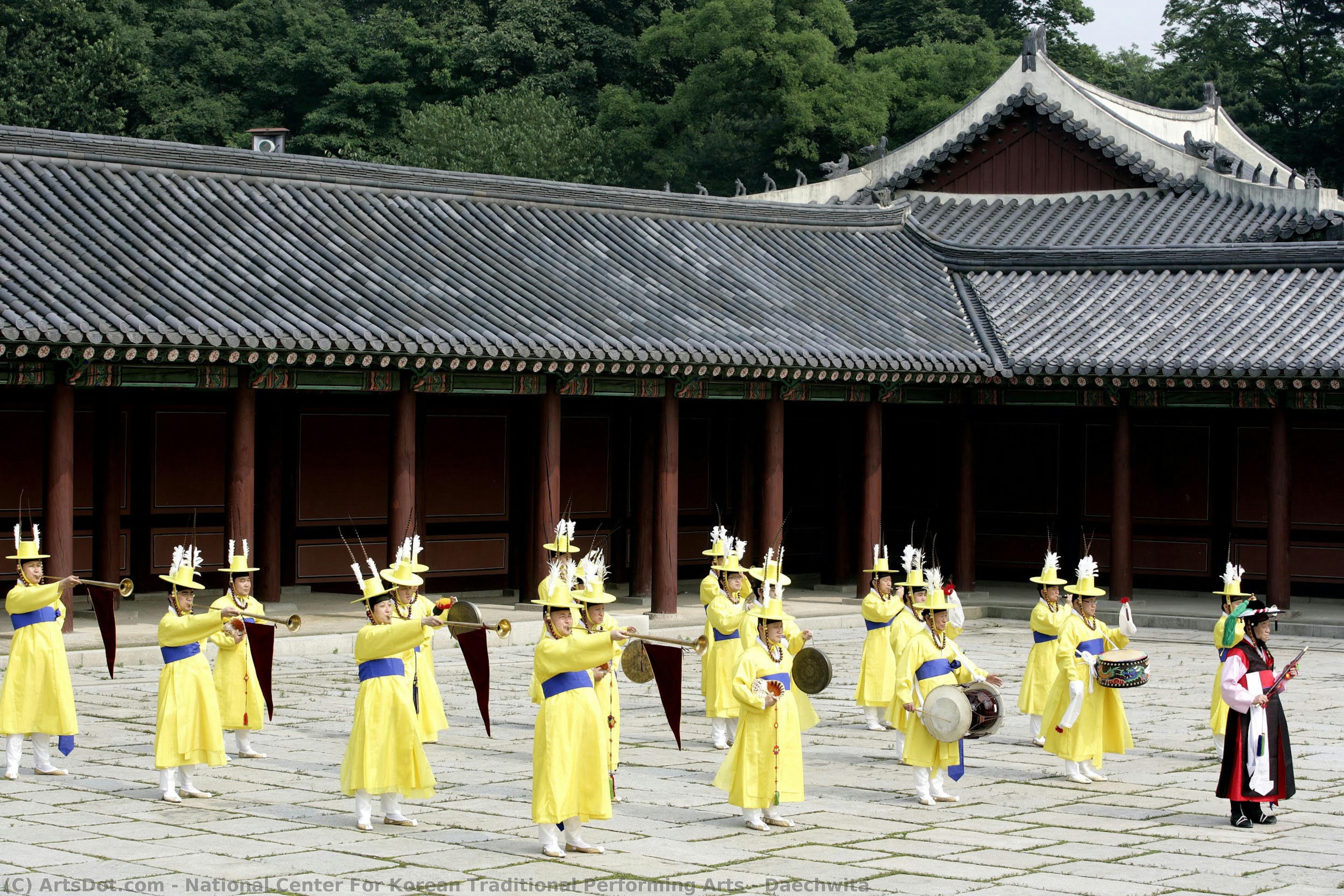
統計情報Daechwita

 詳細を見る
詳細を見る
手描き油彩複製画
当社のアーティストが、お客様のご希望のサイズと額縁に合わせて、キャンバスに手描きで制作する油彩画です。 ( プリント版に切り替え デジタル画像販売へ切り替え)




































標準サイズ
オーダーメイド
CM
INCH
作品のオリジナル比率に合わせた、当店の規定サイズからお選びください。
Loading sizes...

幅
高さ
特定のフレームやスペースに合わせて、ご希望のサイズをご入力いただけます。選択されたサイズが元の画像の比率と異なる場合、アートワークをトリミングするか、手描きで要素を追加して絵画を拡張いたします。デジタルモックアップ を制作し、制作開始前にご確認(承認)をいただきます。
画面上のプレビューは、実際のトリミングや拡張を正確に反映しているものではありません。最終的な構図は、モックアップによってのみ正確にご確認いただけます。
カスタムサイズもご利用いただけますが、元の比率を維持するためには、あらかじめ用意されたリストからサイズを選択することをお勧めいたします。
カスタマイズの例:顔をお客様の写真に置き換える、ペットを追加する(例:猫を犬に変更)、背景に隠れたメッセージを入れる、背景の風景や要素を変更するなど。
ご注文後、ArtsDot.com チームより詳細な指示をお送りするとともに、仕上がりイメージ(モックアップ)をご提供いたします。
ご注文後、ArtsDot.com チームより詳細な指示をお送りするとともに、仕上がりイメージ(モックアップ)をご提供いたします。


 ガラスオプションは、110cm未満のサイズでのみご利用いただけます。

Daechwita
複製技法
複製画のサイズ
-


合計金額
$ 263
Daechwita 대취타. A music practice that emerged towards the end of the Joseon dynasty (1392-1897) to accompany royal processions. Literally translated as
関連作品









アーティストの略歴
The National Center for Korean Traditional Performing Arts: A Living Repository of Heritage
The National Center for Korean Traditional Performing Arts (NCKTP) isn't a single artist in the conventional sense, but rather a dynamic institution embodying centuries of Korean artistic expression. It functions as both a guardian and a vibrant incubator of Korea’s intangible cultural heritage – *pansori*, traditional dance (*buchae chum*), ritual music (*munmyo jeryeak*), puppet theater (*sokseonjok byeolsangpujae*), and countless other forms passed down through generations. Its story is inextricably linked to the nation's own, a narrative of resilience, preservation, and ongoing evolution in the face of modernization and global influence. Founded in 1981 as the Korean National Traditional Performing Arts Ensemble, it underwent restructuring and expansion to become the NCKTP, solidifying its role as a central hub for research, education, performance, and international exchange. The Center’s origins lie in a conscious effort following the Korean War to revitalize cultural practices threatened by conflict and rapid societal change. Recognizing that these art forms weren't merely entertainment but vital components of national identity, the government initiated programs to identify and support master performers – designated as Living Cultural Treasures – and ensure their skills were not lost.Preserving the Echoes of Ancestors: The Core Repertoire
The NCKTP’s work is fundamentally rooted in preservation. Its core repertoire represents a diverse spectrum of Korean traditions, each carrying profound historical and cultural weight. *Pansori*, perhaps the most iconic form, is a dramatic storytelling tradition featuring a single singer accompanied by percussion, weaving tales of heroism, tragedy, and social commentary. The Center meticulously documents and performs the five surviving schools (*sowon*) of *pansori*, ensuring the continuity of distinct vocal styles and narrative interpretations. Similarly, its traditional dance programs showcase both court dances – refined and symbolic expressions of royal authority – and folk dances – exuberant celebrations of everyday life and regional customs. Buchae chum*, with its elaborate costumes and dynamic movements, exemplifies the power of dance to convey complex narratives and spiritual beliefs. Beyond performance, the NCKTP actively researches the historical context of these art forms, tracing their origins, evolution, and social significance. This scholarly work informs not only their performances but also educational initiatives aimed at fostering a deeper understanding among audiences both in Korea and abroad. The Center’s commitment extends to less widely known traditions like *munmyo jeryeak*, the solemn ritual music performed at Confucian shrines, highlighting the importance of ancestral veneration in Korean culture.From Court to Contemporary Stage: Adapting Tradition
While deeply committed to preservation, the NCKTP doesn’t view tradition as static. It actively explores ways to adapt and innovate, ensuring these art forms remain relevant to contemporary audiences. This isn't about abandoning authenticity but rather finding creative avenues for expression that resonate with modern sensibilities. The Center commissions new works inspired by traditional themes and techniques, often collaborating with contemporary composers, choreographers, and playwrights. These productions frequently incorporate multimedia elements – projections, lighting design, and innovative staging – to enhance the storytelling experience without compromising the core artistic principles. This delicate balance between tradition and innovation is a defining characteristic of the NCKTP’s approach. They also actively engage in cross-cultural collaborations, partnering with artists from around the world to create performances that bridge cultural divides and foster mutual understanding. These exchanges not only broaden the reach of Korean traditions but also inspire new perspectives and creative possibilities.The Living Cultural Treasures: Mentorship and Legacy
Central to the NCKTP’s success is its close relationship with Korea's designated Living Cultural Treasures – master performers who possess exceptional skills in specific traditional art forms. These individuals are not merely performers but living embodiments of cultural heritage, carrying within them centuries of knowledge and experience. The Center provides these masters with a platform to showcase their artistry and, crucially, to pass on their skills to the next generation. Mentorship programs are integral to this process, pairing young apprentices with seasoned masters who provide intensive training in technique, repertoire, and artistic philosophy. This ensures that the traditions aren't simply replicated but actively transmitted, allowing for ongoing refinement and evolution. The NCKTP also supports research into these master performers’ lives and work, documenting their unique approaches and contributions to Korean culture. By celebrating and supporting these Living Cultural Treasures, the Center safeguards not only the art forms themselves but also the human stories behind them – the dedication, passion, and unwavering commitment that have kept these traditions alive for centuries.A Global Ambassador of Korean Arts
The NCKTP’s influence extends far beyond Korea's borders. Through extensive international touring programs, it introduces audiences around the world to the richness and diversity of Korean traditional performing arts. These performances aren’t simply showcases but immersive cultural experiences, often accompanied by workshops, lectures, and educational outreach initiatives. The Center actively seeks to foster cross-cultural dialogue, promoting understanding and appreciation for Korea's artistic heritage. They have established partnerships with leading arts organizations worldwide, facilitating collaborations and exchange programs that bring Korean artists into contact with international audiences and vice versa. This global engagement has not only raised the profile of Korean traditional performing arts but also contributed to a broader appreciation for cultural diversity. The NCKTP stands as a testament to the enduring power of tradition – a living repository of heritage that continues to inspire, educate, and connect people across cultures.
基本情報
- Artistic Movement Or Style: Traditional Performance
- Date Of Death: Living
- Full Name: National Center For Korean Traditional Performing Arts
- Nationality: Korean