 プレビュー
プレビュー
 シェアする
シェアする シェアする
シェアする
 詳細を見る
詳細を見る

 ダウンロード
 似ている作品
 X線調査
X線調査 スライドショー
 Stats
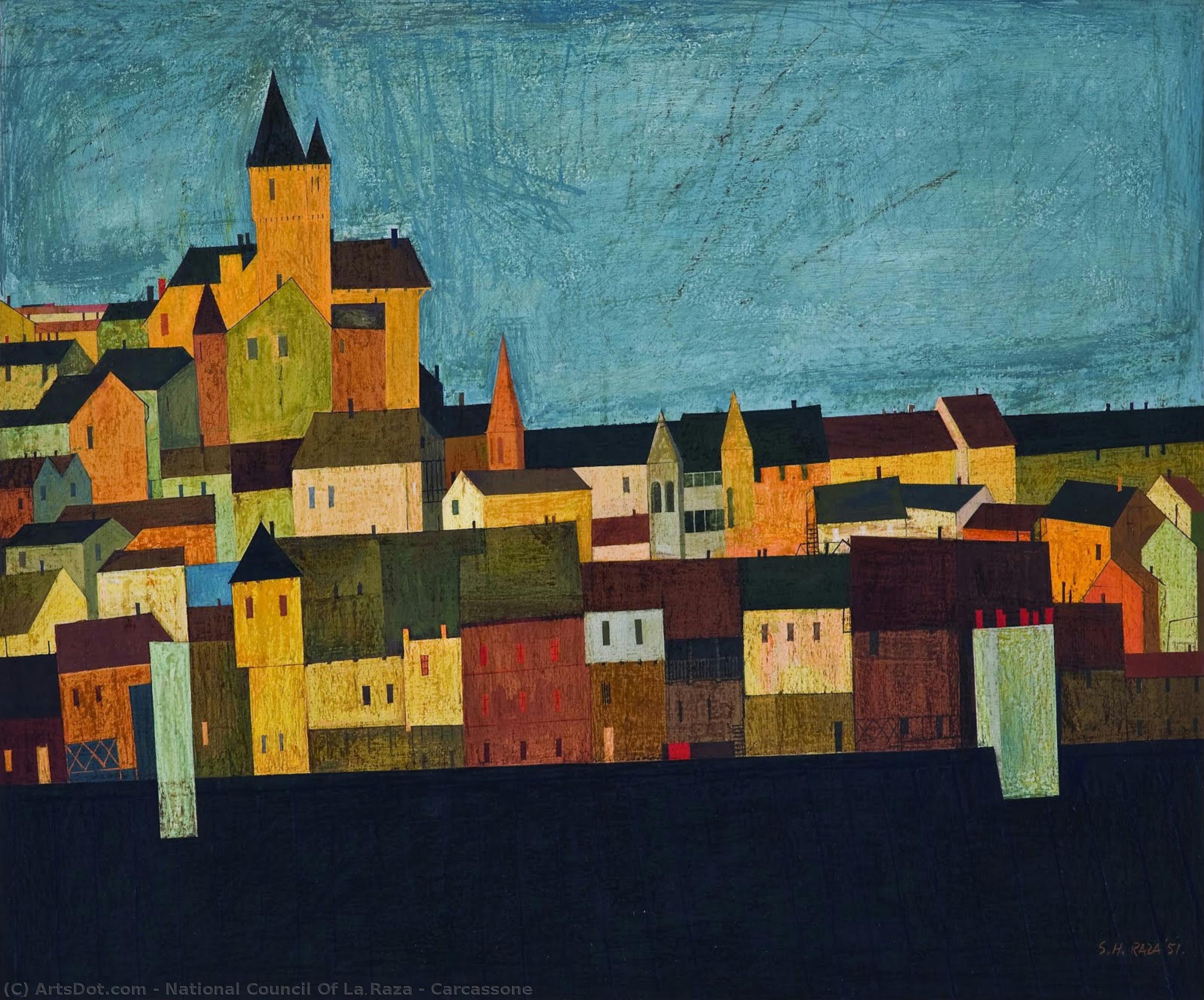
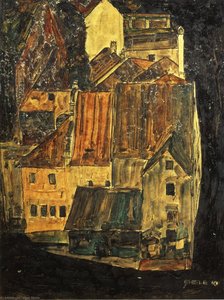
StatsCarcassone
 45.0 x 53.0 cm
 Kiran Nadar Museum of Art
 詳細を見る
詳細を見る
オンラインプレビューをはるかに凌ぐ、高解像度で鮮明なデジタル画像をご購入いただけます。
各ファイルは、社内の専門家が高度なツールと熟練した手作業によるレタッチを用いて、細心の注意を払って準備されています。すべての画像において、卓越した鮮明度、正確な色彩再現性、そして繊細なディテールを保証いたします。
最終ファイルは、プロフェッショナルな編集・印刷環境ですぐにご利用いただけるよう最適化された状態で、72時間以内にメールにてお届けいたします。これは、一流のデザインスタジオ、出版社、ギャラリーから信頼されているものと同等の品質です。
デジタルアート
個人での鑑賞、印刷、クリエイティブなプロジェクト用に、高解像度ファイルをダウンロードできます。 ( Switch to Print 手描きの絵画を購入)
デジタル画像のご注文に付随する特典
高品質なデジタル画像配信を、確かな品質で。
ArtsDot.com を選ぶことは、単に画像を手に入れることではありません。それは、プロの手によって精密に仕上げられ、満足保証が付いた高品質なデジタルアートワークを受け取ることを意味します。ご注文いただいた際に自動的に付随する内容は、以下の通りです:

メールですぐにお届け
ご注文から72時間以内に、高解像度のデジタル画像ファイルがメールでお手元に届きます。すぐにそのままご利用いただけます。

AI技術で最適化されたデジタルファイル
お客様の作品は、高度なAIツールと専門家による手作業の編集を組み合わせてプロフェッショナルに最適化されており、細部のディテール、鮮明さ、そして正確な色再現性を最大限に引き出しています。

一生涯無料の再送サービス
ファイルを誤って削除したり、紛失してしまったりしましたか?ご安心ください。いつでも無料で再送いたします。

輸入手数料は一切かかりません
関税や手数料、配送料を気にすることなく、お気に入りのアートワークをすぐにお楽しみいただけます。デジタルダウンロードは常に免税です。

色彩再現の保証
プロ仕様のツールとカラーマネジメント技術を用いることで、デジタル画像が元の色を最大限に忠実に再現することを保証いたします。

100日間満足保証
ご購入いただいたデジタル画像にご満足いただけない場合は、100日以内であれば、理由を問わず修正または100%の返金対応をさせていただきます。

100% 返金保証
ご満足いただけない場合は、デジタルファイルを受け取ってから100日以内であれば、理由を問わず全額返金いたします。

まとめ買い割引
3枚購入で10%OFF - 5枚購入で15%OFF - 10枚以上購入で20%OFF。クリエイティブなプロジェクト、ギャラリー、エージェンシーに最適です。
関連作品







作家の略歴
The National Council of La Raza: A Visual Chronicle of Advocacy
The National Council of La Raza (NCLR), now known as UnidosUS, isn't traditionally recognized as an artistic entity in the conventional sense. However, to overlook its extensive collection of visual materials – photographs, posters, banners, and artwork commissioned for events and campaigns – is to miss a powerful and often overlooked chapter in American art history. This body of work functions as a vital chronicle of the Chicano Civil Rights Movement and the ongoing struggle for Latino-American social justice, representing not merely documentation but deliberate artistic expression employed as a tool for advocacy and community building. The organization’s visual output wasn't created by a single artist or school, but rather through a collaborative network of photographers, graphic designers, and artists responding to the needs and goals of the movement itself.From Grassroots Organizing to Visual Representation
Founded in 1968, NCLR emerged from a coalition of existing Latino rights organizations seeking a unified voice on national policy issues. Its early years were characterized by grassroots organizing, community empowerment programs, and direct advocacy for improved housing, education, employment, and political representation. As the organization grew, so did its need to communicate its message effectively to both the Latino community and broader American society. Photography became central to this effort. Images of farmworkers striking, families facing discrimination, and vibrant cultural celebrations were disseminated through newsletters, reports, and presentations, humanizing the issues and galvanizing support. These weren’t simply objective records; they were carefully selected and framed to evoke empathy and underscore the urgency of NCLR's mission. The posters and banners that accompanied these images often featured bold typography and striking colors, drawing inspiration from Mexican muralism and Chicano art aesthetics – a deliberate embrace of cultural identity as a source of strength and pride.Influences and Artistic Styles
The visual language employed by NCLR was deeply influenced by several key artistic currents. Mexican Muralism, with its tradition of large-scale public art addressing social and political themes, provided a powerful model for communicating complex narratives to a wide audience. Artists like Diego Rivera, José Clemente Orozco, and David Alfaro Siqueiros demonstrated the potential of art as a vehicle for raising consciousness and inspiring collective action. Chicano Art, which emerged in the 1960s and 70s, further infused NCLR’s visual materials with a distinct aesthetic characterized by bold colors, symbolic imagery, and a focus on Chicano history, culture, and identity. The use of *razas* (races) as a symbol of unity and pride became prominent, alongside depictions of Aztec iconography and pre-Columbian heritage. Furthermore, the graphic design principles prevalent in political poster art globally – particularly those associated with social movements like anti-war protests and feminist activism – informed the organization’s campaign materials.Major Themes and Achievements
Recurring themes within NCLR's visual archive reflect the organization’s core priorities.- Immigration: Images documenting the journeys of immigrants, family separations at the border, and the contributions of immigrant communities were central to advocating for comprehensive immigration reform.
- Education: Photographs showcasing students participating in NCLR-sponsored programs, graduation ceremonies, and community schools highlighted the importance of educational opportunity.
- Economic Justice: Visuals depicting workers fighting for fair wages, families struggling with poverty, and small businesses thriving through microloan initiatives underscored the need for economic empowerment.
- Political Representation: Portraits of Latino leaders, images of voter registration drives, and depictions of community members participating in civic engagement activities promoted political participation.