

 プレビュー
プレビュー
 プリントを購入
 シェアする
シェアする シェアする
シェアする
 詳細を見る
詳細を見る

 ダウンロード
 似ている作品
 X線調査
X線調査 スライドショー
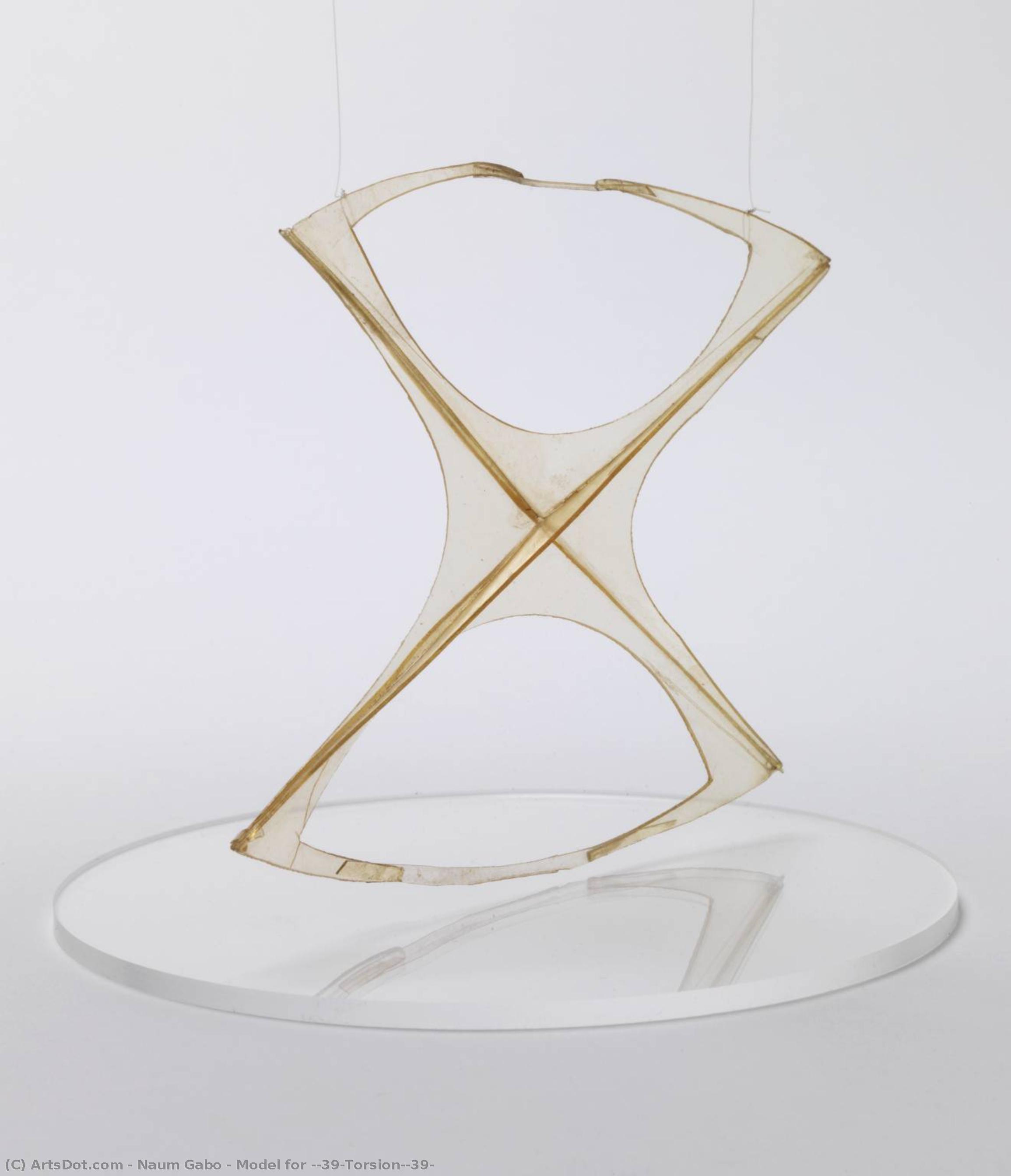
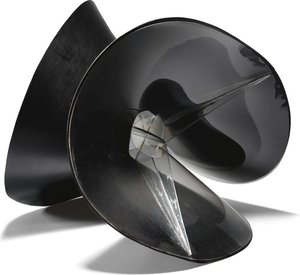
Model for 'Torsion'


 詳細を見る
詳細を見る
オンラインプレビューをはるかに凌ぐ、高解像度で鮮明なデジタル画像をご購入いただけます。
各ファイルは、社内の専門家が高度なツールと熟練した手作業によるレタッチを用いて、細心の注意を払って準備されています。すべての画像において、卓越した鮮明度、正確な色彩再現性、そして繊細なディテールを保証いたします。
最終ファイルは、プロフェッショナルな編集・印刷環境ですぐにご利用いただけるよう最適化された状態で、72時間以内にメールにてお届けいたします。これは、一流のデザインスタジオ、出版社、ギャラリーから信頼されているものと同等の品質です。
デジタル画像のご注文に付随する特典
高品質なデジタル画像配信を、確かな品質で。
ArtsDot.com を選ぶことは、単に画像を手に入れることではありません。それは、プロの手によって精密に仕上げられ、満足保証が付いた高品質なデジタルアートワークを受け取ることを意味します。ご注文いただいた際に自動的に付随する内容は、以下の通りです:

メールですぐにお届け
ご注文から72時間以内に、高解像度のデジタル画像ファイルがメールでお手元に届きます。すぐにそのままご利用いただけます。

AI技術で最適化されたデジタルファイル
お客様の作品は、高度なAIツールと専門家による手作業の編集を組み合わせてプロフェッショナルに最適化されており、細部のディテール、鮮明さ、そして正確な色再現性を最大限に引き出しています。

一生涯無料の再送サービス
ファイルを誤って削除したり、紛失してしまったりしましたか?ご安心ください。いつでも無料で再送いたします。

輸入手数料は一切かかりません
関税や手数料、配送料を気にすることなく、お気に入りのアートワークをすぐにお楽しみいただけます。デジタルダウンロードは常に免税です。

色彩再現の保証
プロ仕様のツールとカラーマネジメント技術を用いることで、デジタル画像が元の色を最大限に忠実に再現することを保証いたします。

100日間満足保証
ご購入いただいたデジタル画像にご満足いただけない場合は、100日以内であれば、理由を問わず修正または100%の返金対応をさせていただきます。

100% 返金保証
ご満足いただけない場合は、デジタルファイルを受け取ってから100日以内であれば、理由を問わず全額返金いたします。

まとめ買い割引
3枚購入で10%OFF - 5枚購入で15%OFF - 10枚以上購入で20%OFF。クリエイティブなプロジェクト、ギャラリー、エージェンシーに最適です。
Model for 'Torsion': A Pioneering Vision of Kinetic Sculpture
Naum Gabo’s ‘Model for ‘Torsion,’ created in 1928–36, stands as an emblem of Constructivism and a cornerstone in the evolution of twentieth-century sculpture. Born Naum Neemia Pevsner in Bryansk, Russia, Gabo embarked on a lifelong artistic odyssey fueled by unwavering conviction that art could mirror the dynamism inherent within modern life—a belief profoundly shaped by his upbringing amidst engineering principles. Collaborating closely with his brother Antoine, he championed bold experimentation and challenged conventional sculptural traditions, establishing himself as a pivotal figure in shaping the aesthetic landscape of his era. The sculpture itself embodies Gabo’s core philosophy: an exploration of space and time through geometric abstraction. Constructed primarily from translucent acrylic or glass—a material chosen for its ability to convey both solidity and ethereal lightness—the piece presents an elongated ‘X’ shape, subtly curving along its axis. Mounted on a simple white circular pedestal, the composition prioritizes clarity and visual impact, directing attention entirely to the object's form and texture. Lines dominate the artwork, defining the sharp angles of the 'X' and emphasizing its graceful curves—a deliberate contrast that underscores Gabo’s fascination with opposing forces.- Material: Translucent Acrylic or Glass
- Dimensions: Unknown
- Date: 1928–36
関連作品
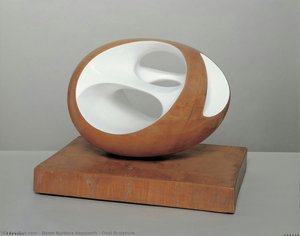

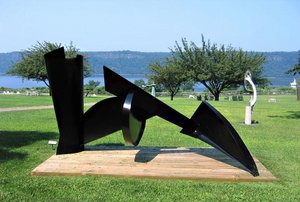
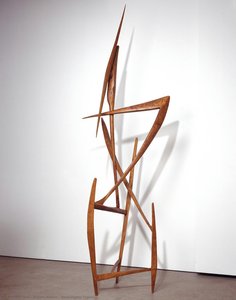
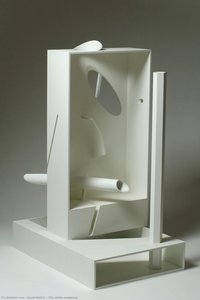
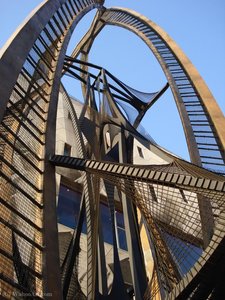
作家の略歴
A Pioneer of Kineticism: The Life and Art of Naum Gabo
Naum Gabo, born Naum Neemia Pevsner in 1890 in the Russian town of Bryansk, stands as a monumental figure in the evolution of twentieth-century sculpture. His journey was one of constant exploration, driven by a profound belief in the power of abstract art to reflect the dynamism of the modern world and express fundamental human experiences. Gabo wasn’t merely sculpting forms; he was investigating space, time, and the very essence of perception. The son of an engineer, Boris Pevsner, his early life instilled within him a fascination with structure and mechanics – influences that would profoundly shape his artistic vision. He shared a close bond with his brother Antoine Pevsner, also a prominent Constructivist artist, leading him to adopt the name “Gabo” to distinguish their work. This familial connection fostered a lifelong dialogue about art’s potential, culminating in collaborative manifestos and exhibitions that challenged conventional artistic boundaries. His multilingualism – fluency in Russian, German, French, and English – facilitated his peripatetic life, allowing him to engage with avant-garde circles across Europe and eventually the United States.From Russia's Avant-Garde to Global Influence
Gabo’s artistic development was inextricably linked to the revolutionary fervor of early twentieth-century Russia. After initial studies in medicine and natural sciences at Munich University, followed by engineering training, he immersed himself in the Parisian art scene alongside his brother Antoine around 1913. The seeds of his future style were sown during this period, as he absorbed influences from Cubism and Futurism while simultaneously developing a unique approach rooted in geometric abstraction. Upon returning to Russia following the 1917 revolution, Gabo became deeply involved in the burgeoning Constructivist movement. He, alongside Antoine Pevsner, articulated their vision in the “Realistic Manifesto” of 1920 – a pivotal text that rejected the decorative aspects of earlier abstract movements and championed a new art focused on representing "kinetic rhythms," the fundamental forms of our perception of time and space. This manifesto wasn’t simply an aesthetic declaration; it was a philosophical statement about art's role in reflecting the scientific and social progress of the age. The brothers staged an open-air exhibition in Moscow to accompany its release, boldly presenting their ideas directly to the public. However, the increasingly restrictive political climate in Russia led Gabo to leave the country in 1922, embarking on a journey that would take him through Berlin, Paris, Oslo, and finally, London before settling in the United States.Sculpting Space and Time: A Revolutionary Approach
Gabo’s artistic innovations were characterized by a relentless exploration of new materials and techniques. He moved beyond traditional sculptural mediums like stone and bronze, embracing industrial materials such as nylon, wire, lucite, glass, and metal to create works that defied conventional notions of form and volume. A defining feature of his work was his interest in “negative space” – the voids and openings within a sculpture. He didn’t see these spaces as mere absences but as integral components of the artwork itself, possessing a concrete reality equal to that of solid mass. His *Linear Constructions* (1942-1971) exemplify this approach, utilizing nylon filament to create delicate, ethereal structures that define space rather than occupying it. Perhaps his most groundbreaking achievement was his pioneering work in kinetic sculpture. *Kinetic Sculpture (Standing Waves)* (1920), often considered the first true kinetic artwork, demonstrated Gabo’s fascination with movement and time as essential elements of artistic expression. He wasn't simply creating static objects; he was crafting experiences that unfolded over time, engaging the viewer in a dynamic interplay between form and perception.Legacy and Enduring Significance
Throughout his career, Naum Gabo received significant recognition for his contributions to modern sculpture. Major retrospectives were held at the Tate Gallery in London (1966) and numerous institutions across Europe and America showcased his work. He completed several public commissions, including *Constructie* in Rotterdam and *Revolving Torsion* in London, though many ambitious projects remained unrealized due to logistical or financial constraints. His influence extended beyond sculpture, impacting architecture, design, and even dance. Gabo’s unwavering commitment to abstraction, his innovative use of materials, and his exploration of space and time continue to inspire artists today. He left behind a body of work that challenges us to reconsider the very nature of sculpture – not as a representation of reality, but as an embodiment of its underlying forces and rhythms. His legacy lies in his ability to transform abstract concepts into tangible experiences, inviting viewers to engage with art on a deeply intellectual and emotional level. He died in Connecticut in 1977, leaving behind a profound artistic inheritance that continues to resonate within the world of modern and contemporary art.Key Works & Collections
- Hommage à Naum Gabo (Homage to Naum Gabo) by Jankel Adler – A testament to Gabo’s influence on other artists.
- Untitled (416) – Demonstrates his mastery of abstract form and material exploration.
- Untitled, (1957) – An example of his urban sculpture and architectural studies.
- His works are prominently featured in the collections of:
- The Tate Gallery, London
- The Museum of Modern Art, New York
- The Guggenheim Museum, New York
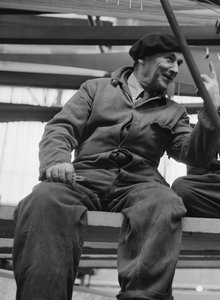
Naum Gabo
1890 - 1977 , Russia
プロフィール概要
- Artistic Movement Or Style: Constructivism, Kinetic Art
- Artists Or Movements Influenced By This Artist:
- Antoine Pevsner
- Cubism
- Bauhaus
- De Stijl
- Artists Who Influenced This Artist: ['Wassily Kandinsky']
- Date Of Birth: 1890
- Date Of Death: 1977
- Full Name: Naum Gabo
- Nationality: Russian
- Notable Artworks:
- Hommage à Naum Gabo
- Untitled (416)
- Untitled (1957)
- Place Of Birth: Bryansk, Russia