

 プレビュー
プレビュー
 シェアする
シェアする シェアする
シェアする
 詳細を見る
詳細を見る

 ダウンロード
 似ている作品
 X線調査
X線調査 スライドショー
 統計情報
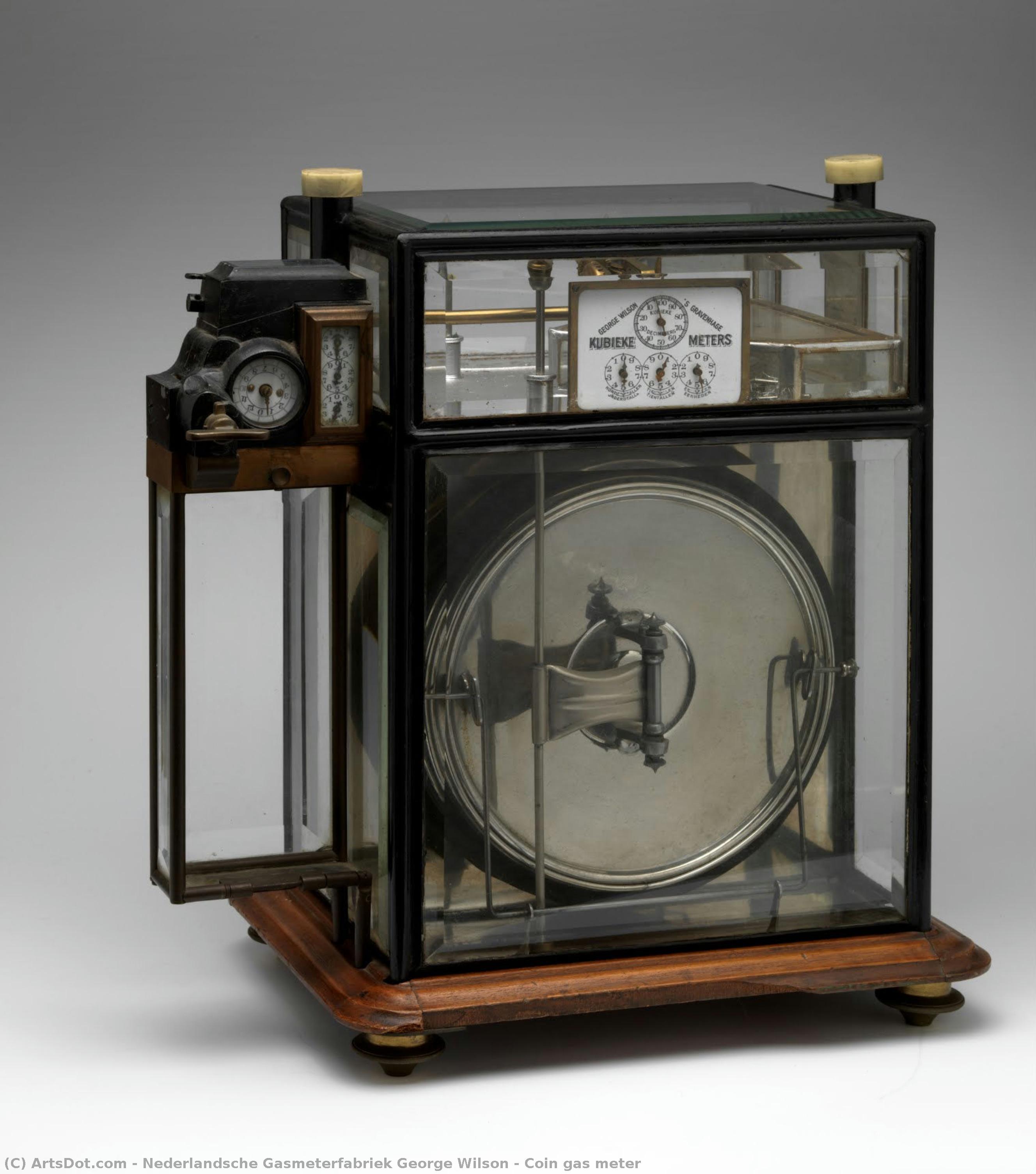
統計情報Coin gas meter
 Victorian Industrial Design
 41.0 x 40.0 cm
 NEMO Science Museum
 詳細を見る
詳細を見る
手描き油彩複製画
当社のアーティストが、お客様のご希望のサイズと額縁に合わせて、キャンバスに手描きで制作する油彩画です。 ( プリント版に切り替え デジタル画像販売へ切り替え)




































作品のオリジナル比率に合わせた、当店の規定サイズからお選びください。

特定のフレームやスペースに合わせて、ご希望のサイズをご入力いただけます。選択されたサイズが元の画像の比率と異なる場合、アートワークをトリミングするか、手描きで要素を追加して絵画を拡張いたします。デジタルモックアップ を制作し、制作開始前にご確認(承認)をいただきます。
画面上のプレビューは、実際のトリミングや拡張を正確に反映しているものではありません。最終的な構図は、モックアップによってのみ正確にご確認いただけます。
カスタムサイズもご利用いただけますが、元の比率を維持するためには、あらかじめ用意されたリストからサイズを選択することをお勧めいたします。
ご注文後、ArtsDot.com チームより詳細な指示をお送りするとともに、仕上がりイメージ(モックアップ)をご提供いたします。


 ガラスオプションは、110cm未満のサイズでのみご利用いただけます。

Coin gas meter
複製技法
複製画のサイズ
-


合計金額
$ 263
関連作品
アーティストの略歴
Nederlandsche Gasmeterfabriek George Wilson: A Legacy of Precisionist Innovation
George Wilson (1879 – 1954) stands as a testament to the intersection of engineering prowess and artistic vision—a rare confluence that yielded remarkable contributions to both the industrial landscape and the realm of modern art. Born in Edinburgh, Scotland, Wilson’s fascination with mechanics began early, shaping his lifelong pursuit of understanding and mastering complex systems. This intellectual curiosity propelled him to study at Glasgow School of Art, where he honed his artistic skills alongside fellow innovators like Joseph Stella and Ian Thomas McCulloch—artists who would collectively define the burgeoning Precisionist movement in America.- Early Life & Education: Wilson’s formative years instilled a methodical approach that would permeate his subsequent endeavors. His formal training at Glasgow School of Art provided him with foundational knowledge in drawing, painting, and sculpture, fostering an appreciation for meticulous observation and accurate representation.
- The Precisionist Movement: Wilson joined forces with Stella and McCulloch to establish the Precisionist Workshop in New York City in 1917—a collective dedicated to capturing the dynamism of industrial life through a distinctly geometric aesthetic. Rejecting Impressionistic subjectivity, Precisionists sought to convey factual information about machines, factories, and urban environments with unwavering clarity.
- Notable Works: Wilson’s artistic output encompassed a diverse range of subjects, including depictions of Brooklyn Bridge, industrial landscapes, and portraits—all rendered in bold lines and simplified forms characteristic of the Precisionist style. His paintings exemplify the movement's commitment to capturing the essence of modern life without embellishment or romantic idealism.
- Influence & Legacy: Wilson’s influence extended beyond his immediate artistic peers; he mentored younger artists and championed a rigorous aesthetic grounded in scientific observation. Though largely unrecognized during his lifetime, his work has gained renewed appreciation in recent decades as scholars explore its significance within the broader context of early 20th-century art history—a legacy cemented by the enduring beauty and intellectual depth of his Precisionist masterpieces.
Industrial Aesthetics & Geometric Composition
Wilson’s artistic philosophy was fundamentally shaped by his engagement with industrial technology. He believed that artists had a responsibility to document and interpret the transformative forces reshaping society—a conviction reflected in his unwavering dedication to geometric abstraction. By simplifying forms and prioritizing linear perspective, Wilson sought to distill complex scenes into their most essential components—revealing underlying patterns and structures that mirrored the precision of the machine age. This stylistic choice wasn’t merely decorative; it represented a deliberate effort to communicate factual information while simultaneously elevating visual art to new heights of intellectual rigor.Exploring Precisionism: A Collaborative Effort
The Precisionist Workshop was more than just an artistic collective—it served as a crucible for experimentation and innovation. Wilson collaborated closely with Stella and McCulloch, fostering a dynamic exchange of ideas that propelled the movement forward. Their shared commitment to geometric abstraction stemmed from a conviction that visual art could effectively convey scientific concepts and industrial realities—a bold assertion against prevailing artistic conventions. The trio’s unwavering focus on clarity and accuracy established a precedent for subsequent generations of artists seeking to engage with technological advancements in meaningful ways.Brooklyn Bridge & Beyond: Capturing Urban Dynamism
Wilson's iconic depiction of the Brooklyn Bridge stands as perhaps his most recognizable achievement—a monumental canvas that embodies the Precisionist movement’s fascination with urban landscapes and architectural grandeur. Through meticulous observation and geometric simplification, Wilson captured the bridge’s imposing scale and dynamic motion—transforming a familiar landmark into an emblem of industrial progress. This artwork exemplifies the Precisionists' desire to portray reality with unflinching honesty while simultaneously elevating visual art to new levels of expressive power.Concluding Reflections: A Quiet Pioneer
Despite his considerable artistic accomplishments, George Wilson remained largely obscure during his lifetime—a fact that underscores the importance of revisiting overlooked figures in art history. His unwavering dedication to geometric abstraction and his profound engagement with industrial aesthetics cemented his place as a pivotal innovator within the Precisionist movement—a legacy deserving of renewed recognition and scholarly inquiry. Wilson’s work continues to inspire artists today, reminding us that beauty can emerge from intellectual rigor and that visual art possesses the capacity to illuminate the complexities of our technological age.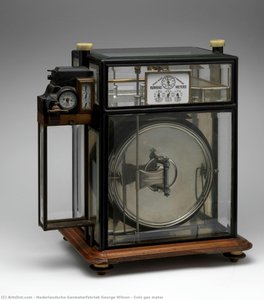
nederlandsche gasmeterfabriek george wilson
Netherlands
基本情報
- Artistic Movement Or Style: Precisionism
- Artists Or Movements Influenced By This Artist: ['American Modernism']
- Artists Who Influenced This Artist:
- Sheeler
- O'Keeffe
- Full Name: George Wilson
- Nationality: Scottish
- Notable Artworks: ['Coin gas meter']
- Place Of Birth: Glasgow, Scotland
関連記事
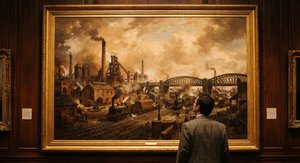
Industrial Revolution on Canvas: 10 Artworks That Define a Modern Aesthetic
Explore 10 iconic artworks capturing the Industrial Revolution’s grit & beauty. From Monet to Manet, discover realism, impressionism & powerful scenes of urban life. Find museum-quality reproductions for your home at ArtsDot.com.

Echoes of Time: Exploring the Enduring Appeal & Historical Context of Vintage Art Prints
Explore the captivating world of vintage art prints! Discover their history, collecting tips & enduring appeal. Expert insights on chromolithography and building a legacy collection with ArtsDot.

Echoes of Time: Exploring the Enduring Appeal of Vintage Artwork
Explore the captivating world of vintage art! Discover its history, enduring appeal, & how to build your own collection. Expert advice, custom reproductions & museum-quality prints at ArtsDot.

The Gritty Muse: Industrial Vibe as Defining Aesthetic in Modern Artwork
Explore the captivating world of industrial aesthetics in modern art. Discover key movements, influential artists & collecting insights at ArtsDot.com – your source for museum-quality reproductions and expert art guidance.

Echoes of Time: Nostalgia, Technique & Cultural Significance in Vintage Paintings
Explore the captivating world of vintage paintings! Discover key styles, cultural significance & collecting tips from art experts at ArtsDot. Find authentic reproductions and elevate your home décor.