

 プレビュー
プレビュー
 シェアする
シェアする シェアする
シェアする
 詳細を見る
詳細を見る

 ダウンロード
 似ている作品
 X線調査
X線調査 スライドショー
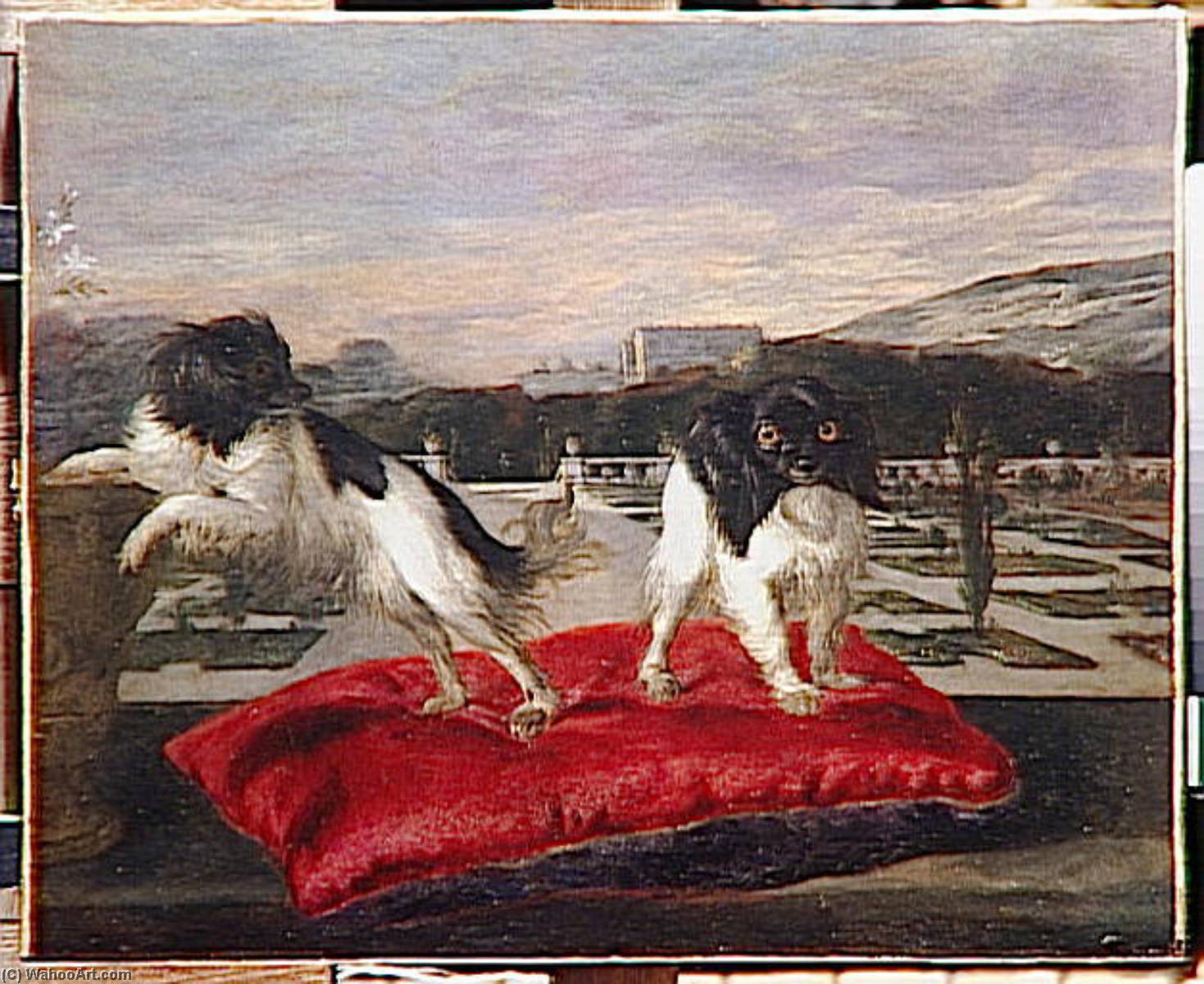
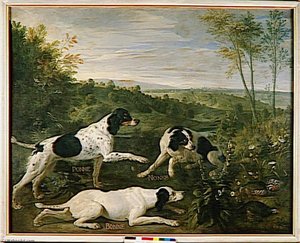
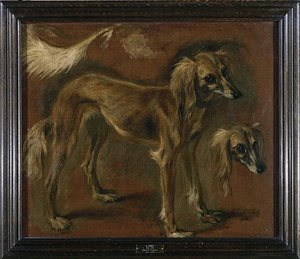
DEUX PETITS CHIENS


 詳細を見る
詳細を見る
ジークレー/アートプリント
迅速な制作と多彩な仕上げオプションを備えた、ミュージアムクオリティのジークレーまたはキャンバスプリント。 ( 手描きの絵画を購入 画像を購入)




P118B $10

P118H $10

P118W $10

P438Z $10

P508JH $12

P508YH $12

P805H $10

P805Z $10

P919BZ $10

P919G $10

P919XJ $10

P959ZH $10

P968JZ $12

W106C $8

W218G $10

W218JH $8

W218Y $10

W307PJ $10

W316G $10

W316PJ $8

W316Y $10

W398PJ $8

W4111J $10

W500HY $15

W500JH $15

W692G $12

W849H $8

W940BG $15

W953PJ $8




作品のオリジナル比率に合わせた、当店の規定サイズからお選びください。

特定のフレームやスペースに合わせて、ご自身でサイズを指定することも可能です。選択されたサイズが元の画像の比率と一致しない場合、作品をトリミングするか、鏡面反射または単色での塗りつぶしによって画像を拡張いたします。制作を開始する前に、ご確認用のデジタルモックアップをお送りいたします。
画面上のプレビューには、実際のトリミングや拡張は反映されませんのでご注意ください。最終的な構図を正確に確認できるのは、モックアップのみとなります。
カスタムサイズも承っておりますが、元の比率を維持するためには、あらかじめ用意されたリストからサイズを選択することをお勧めいたします。


 ガラスオプションは、110cm未満のサイズでのみご利用いただけます。

DEUX PETITS CHIENS
ジークレー/アートプリント
複製画のサイズ
-


合計金額
$ 62
Nicasius Bernaerts: A Flemish Master of Animal Art
Nicasius Bernaerts (1620 – 1678) stands as one of the most celebrated animal painters of his era in Flanders, a testament to Frans Snyders’s influence and the burgeoning Baroque aesthetic. Born in Antwerp during its golden age—a city pulsating with artistic innovation—Bernaerts embarked on an illustrious career spanning Italy and France, leaving behind a legacy of dramatic depictions that continue to captivate audiences today. His distinctive style fused meticulous realism with expressive dynamism, capturing not merely appearances but also the very essence of animal behavior.Early Training & Influences: The Shadow of Snyders
Bernaerts’s artistic journey commenced under the tutelage of Frans Snyders, arguably the foremost animal painter of his time. Snyders's masterful portrayals of wildlife and hunting scenes instilled in Bernaerts a profound understanding of anatomy, composition, and dramatic lighting—elements that would permeate his subsequent works. This formative relationship established a stylistic bedrock characterized by detailed observation and theatrical presentation, mirroring Snyders’s groundbreaking approach to genre painting. The Antwerp Guild recognized this influence, registering Bernaerts as pupil in 1633–1634, cementing the transmission of artistic knowledge across generations.Italian Period & Artistic Transformation
Following his training, Bernaerts undertook a transformative voyage to Italy where he adopted the moniker ‘Monsù Nicasio,’ immersing himself in the vibrant intellectual and artistic milieu of Florence and Rome. Here, amidst the patronage of influential families like the Medici, Bernaerts honed his technique and broadened his stylistic horizons. His work quickly garnered acclaim, attracting commissions from prominent collectors and establishing him as a rising star within the European art scene. The meticulous rendering of textures—particularly fur—became a hallmark of his oeuvre, reflecting an evolving preoccupation with capturing subtle nuances of form and surface detail.The Baroque Vision: Drama & Dynamism Unleashed
Bernaerts’s artistic vision firmly embraced the tenets of Baroque painting—characterized by grandeur, theatricality, and emotional intensity. Like Snyders before him, he championed dynamic compositions that conveyed movement and energy, prioritizing dramatic lighting to heighten visual impact. His paintings frequently depicted predatory birds in combat—a genre pioneered by Snyders—capturing moments of ferocious struggle with breathtaking precision. These scenes weren’t merely representations of animal behavior; they served as vehicles for exploring themes of power, vulnerability, and the primal forces governing the natural world. The artist's meticulous attention to detail—evident in the plumage of birds and the musculature of animals—underscored his commitment to conveying both scientific accuracy and artistic eloquence.Legacy & Influence: Echoes Across Centuries
Nicasius Bernaerts’s influence extends far beyond his own lifetime, resonating through subsequent generations of artists and shaping the trajectory of animal painting for centuries to come. His pioneering use of dramatic lighting and expressive dynamism established precedents that would inspire painters throughout Europe—most notably Alexandre-François Desportes, who served as his pupil. Furthermore, Bernaerts’s meticulous rendering of textures—particularly fur—became a stylistic standard, demonstrating the enduring power of observation and artistic virtuosity. Today, reproductions of his iconic works continue to captivate collectors and interior designers alike, offering a glimpse into the artistic sensibilities of a bygone era—a testament to Bernaerts's indelible mark on European art history.関連作品


アーティストの略歴
The Flemish Master of the Living Canvas
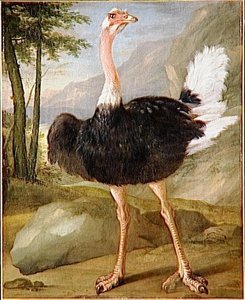
To encounter the works of Nicasius Bernaerts is to step into a world where the boundaries between scientific observation and poetic grandeur dissolve. Born in the vibrant artistic hub of Antwerp in 1620, Bernaerts emerged from a lineage of Northern excellence, shaped profoundly by the tutelage of Frans Snyders. This early apprenticeship under one of Flanders' most celebrated animal painters instilled in him a lifelong devotion to the textures of the natural world. His brush did not merely record the presence of creatures; it sought to capture their very essence—the heavy weight of an ostrich’s plumage, the spirited flutter of a pheasant’s wing, and the quiet dignity of domestic fowl.
Bernaerts' journey was as much international as it was stylistic. As he traversed the great artistic centers of Europe, his reputation grew under the evocative moniker Monsù Nicasio. His time in Italy allowed him to infuse his Flemish training with a Mediterranean light and a sense of classical composition, earning him the prestigious patronage of Ferdinando II de’ Medici, the Grand Duke of Tuscany. This period of Italian refinement added a layer of sophisticated grace to his already meticulous realism, preparing him for the ultimate stage of his career: the French court.
A Legacy of Royal Splendor and Artistic Innovation
Upon relocating to Paris around 1643, Bernaerts ascended to the pinnacle of the Baroque era. His talent for capturing the anatomy and behavior of animals caught the eye of the most powerful figures in Europe, eventually leading to his admission into the Royal Academy of Painting and Sculpture in 1663. The zenith of his professional life was marked by a monumental commission from Louis XIV himself. Tasked with documenting the exotic inhabitants of the King’s newly formed menagerie at Versailles, Bernaerts transformed the royal collection into a permanent visual legacy of power and natural wonder.
His contributions to the decorative arts were equally profound. Beyond the confines of the easel, Berna s served as a vital designer for the Gobelins Manufactory. Here, his mastery of composition was translated into the grand medium of tapestry, providing intricate designs that adorned the halls of French nobility. His work bridged the gap between fine art and functional splendor, ensuring that his vision of nature permeated the very fabric of royal architecture.
The enduring significance of Bernaerts lies in his ability to marry the meticulousness of the Northern Renaissance with the dramatic energy of the Baroque. His oeuvre remains a testament to several key artistic achievements:
- Mastery of Naturalism: An unparalleled ability to render the tactile qualities of fur, feather, and skin through subtle gradations of tone.
- Cultural Synthesis: The seamless integration of Flemish precision with Italianate light and French courtly elegance.
- Symbolic Depth: Utilizing exotic fauna, such as the ostrich, to communicate themes of wealth, exploration, and the grandeur of distant lands.
- Versatility of Medium: A rare success in transitioning from intimate oil studies and watercolors to large-scale tapestry design.
Today, when we look upon a Bernaerts composition, we see more than historical documentation; we witness a profound meditation on life itself. Whether depicting the lively bounty of a basse cour or the solitary majesty of a wild bird, his work continues to invite viewers into a space where every stroke of paint celebrates the breathtaking complexity of the living world.
nicasius bernaerts
1620 - 1678
基本情報
- Artistic Movement Or Style: Baroque
- Artists Or Movements Influenced By This Artist: David de Koninck
- Artists Who Influenced This Artist: Frans Snyders
- Date Of Birth: 1620
- Date Of Death: 1678
- Full Name: Nicasius Bernaerts
- Nationality: Flemish
- Notable Artworks:
- DEUX PETITS CHIENS
- Oiseaux et faisans
- Autruche
- Place Of Birth: Antwerp
関連記事

黄金世紀の巨匠たち:バロック絵画が彩る10選|ArtsDot
オランダ黄金時代の10大傑作を紐解く!レンブラント、フェルメール…バロック絵画の魅力と時代背景を深く探求。ArtsDotで、至高のアートコレクションと空間演出のヒントを見つけよう。高品質なアートプリントで、お部屋を華やかに。

Illuminating Innovation: Exploring the Dutch Golden Age of Painting
Explore the Dutch Golden Age of painting with ArtsDot. Discover Rembrandt, Vermeer & other Masters. Learn about key characteristics, iconic artworks, and lasting influence. Expert insights for collectors & enthusiasts.

Golden Age Reflections: Dutch Baroque Painting & Cultural Innovation
Explore the Dutch Golden Age of painting! Discover key artists like Vermeer & ter Borch, their innovative techniques, and the rich cultural context behind these Baroque masterpieces. Learn about collecting & appreciating this iconic art period.
Illuminating Realism: Exploring the Dutch Golden Age of Painting (1600-1700)
Explore the Dutch Golden Age of painting (1600-1700) with ArtsDot. Discover Rembrandt, Vermeer & other masters. Learn about techniques, history & find museum-quality reproductions.
Frans Hals I: Innovation, Intimacy & the Dutch Golden Age Portrait
Explore the revolutionary portraiture of Frans Hals I, a master of the Dutch Golden Age. Discover his innovative techniques, captivating character studies & lasting impact on art history. Learn more at ArtsDot.