

 シェアする
シェアする シェアする
シェアする
 詳細を見る
詳細を見る

 ダウンロード
 似ている作品
 スライドショー
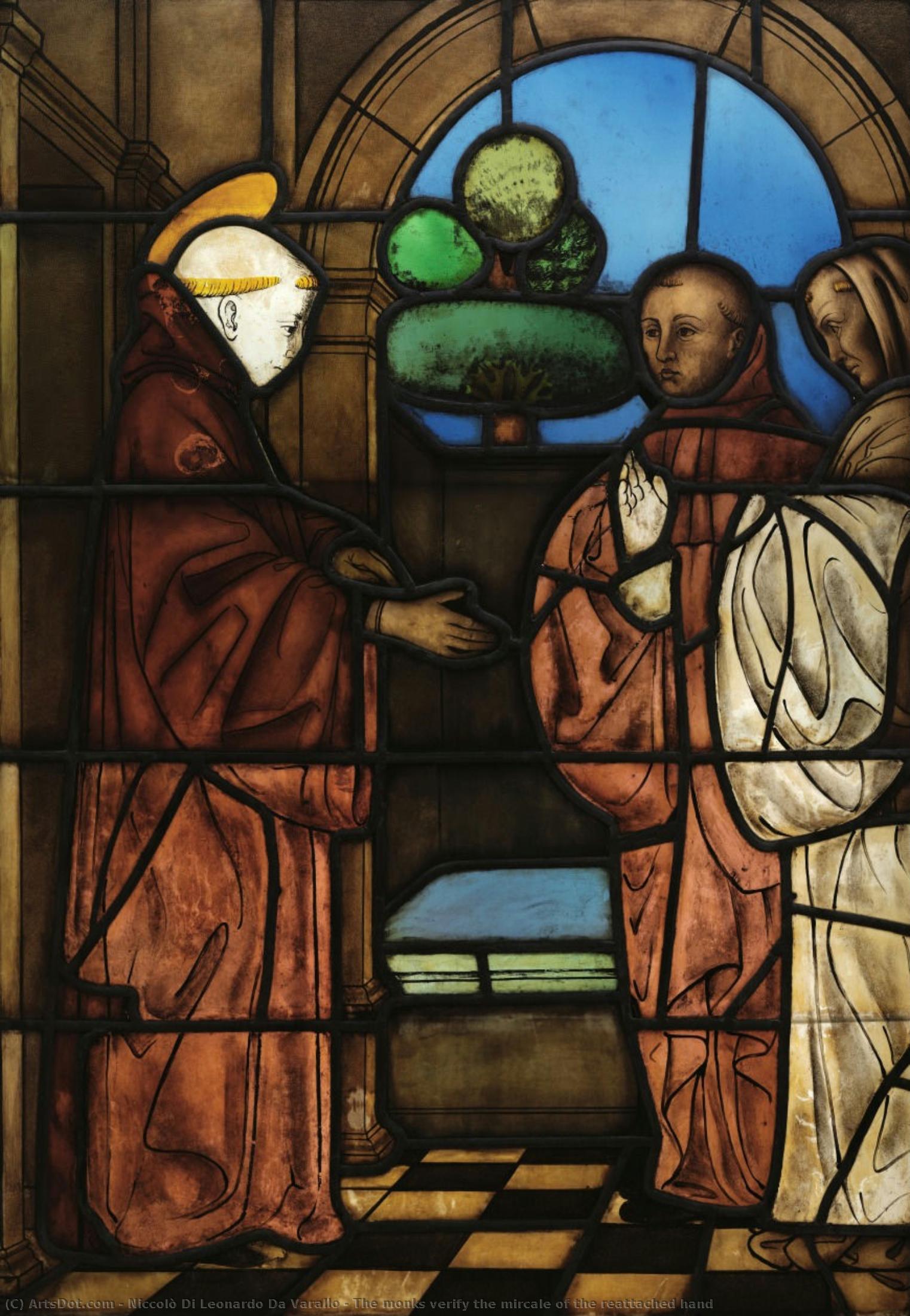
The monks verify the mircale of the reattached hand


 詳細を見る
詳細を見る
ジークレー/アートプリント
迅速な制作と多彩な仕上げオプションを備えた、ミュージアムクオリティのジークレーまたはキャンバスプリント。 ( 手描きの絵画を購入 画像を購入)




































作品のオリジナル比率に合わせた、当店の規定サイズからお選びください。

特定のフレームやスペースに合わせて、ご自身でサイズを指定することも可能です。選択されたサイズが元の画像の比率と一致しない場合、作品をトリミングするか、鏡面反射または単色での塗りつぶしによって画像を拡張いたします。制作を開始する前に、ご確認用のデジタルモックアップをお送りいたします。
画面上のプレビューには、実際のトリミングや拡張は反映されませんのでご注意ください。最終的な構図を正確に確認できるのは、モックアップのみとなります。
カスタムサイズも承っておりますが、元の比率を維持するためには、あらかじめ用意されたリストからサイズを選択することをお勧めいたします。


 ガラスオプションは、110cm未満のサイズでのみご利用いただけます。

The monks verify the mircale of the reattached hand
ジークレー/アートプリント
複製画のサイズ
-


合計金額
$ 62
A Miracle Translucent: Exploring Niccolò da Varallo’s “The Monks Verify the Miracle of the Reattached Hand”
Within the vast, echoing grandeur of Milan’s Duomo, nestled amongst the vibrant hues of countless stained-glass windows, resides a panel of profound beauty and spiritual resonance – “The Monks Verify the Miracle of the Reattached Hand.” Attributed to Niccolò da Varallo, a Venetian master working primarily in Milan during the late 15th century, this artwork offers more than just a visual spectacle; it’s a tangible embodiment of faith, artistry, and the enduring power of human compassion. The panel, originally part of the larger window dedicated to Saint John of Damascus, captures a pivotal moment from the saint's life – the miraculous restoration of his severed hand, an event that cemented his legacy as a champion of truth and a beacon of hope.
A Window into Byzantine Faith and Venetian Innovation
The context surrounding this piece is deeply rooted in the religious fervor of 15th-century Italy. Saint John of Damascus, a Syrian monk who became a prominent theologian and doctor of the Church, was unjustly accused and brutally punished by having his hand severed. The miraculous reattachment, attributed to the Virgin Mary, served as a potent symbol of divine intervention and the triumph of good over evil. Niccolò da Varallo’s interpretation reflects both Byzantine iconography – particularly the emphasis on Saint John's humility and devotion – and the burgeoning Venetian artistic style that was gaining prominence at the time. Venice, a major center for glassmaking and trade, brought with it a sophisticated understanding of color, technique, and decorative elements, influencing artists throughout Italy.
Technique and Materials: The Art of Stained Glass
“The Monks Verify the Miracle” is a testament to the intricate skill required in creating stained-glass windows. Varallo masterfully employed the *trapunto* technique, meticulously layering thin sheets of colored glass – primarily reds, blues, and greens – to achieve astonishing depth and luminosity. The vibrant hues were created through careful selection of glass types, each possessing unique properties that influenced its color when exposed to light. The panel’s construction involved a complex process: the individual pieces of glass were cut with great precision using shears or diamond-tipped tools, then carefully soldered together using lead cames – small strips of lead that formed a strong and durable bond. The resulting surface was then polished smooth, creating a dazzling effect as light passes through the colored glass.
Symbolism and Emotional Resonance
Beyond its technical brilliance, the panel is rich in symbolic meaning. The central figures – two monks gazing with awe at the miraculous event – represent the faithful witnessing God’s grace. The gesture of the first monk extending his hand towards the second, holding aloft a representation of the restored hand, symbolizes both recognition and gratitude. The background landscape, rendered in muted tones, provides a sense of distance and emphasizes the sanctity of the scene. The inclusion of trees, often associated with life and growth, further reinforces the theme of renewal and restoration. The overall effect is profoundly moving – evoking a sense of wonder, humility, and the enduring power of faith.
A Legacy in Light: Reproductions and Artistic Inspiration
Today, reproductions of “The Monks Verify the Miracle of the Reattached Hand” offer a remarkable opportunity to experience the beauty and spiritual depth of this iconic artwork. While no original survives intact, meticulously crafted replicas capture the essence of Varallo’s vision – the vibrant colors, intricate details, and powerful symbolism. These reproductions are not merely decorative objects; they are windows into a rich artistic and religious heritage, inviting contemplation and inspiring a deeper appreciation for the enduring legacy of Saint John of Damascus and the artistry of Niccolò da Varallo.
関連作品
アーティストの略歴
The Luminous Legacy of Niccolò da Varallo
In the heart of the Italian Renaissance, where light and shadow began to dance with newfound realism, the name Niccolò da Varallo emerges as a master of brilliance. Born around 1425 in the rugged beauty of Varallo della Val d'Oro, Lombardy, his very lineage was steeped in the alchemy of color. As the son of Leonardo da Varallo, a skilled glassmaker, Niccolò inherited more than just a family name; he inherited a profound understanding of how light interacts with medium, a gift that would later define his revolutionary approach to stained glass and frescoes.
While much of his early life remains veiled in the mists of history, his artistic trajectory was undoubtedly shaped by the vibrant cultural currents of Milan. It is believed that he refined his craft under the tutelage of Maestro Giovanni Battista Sant'Anna, a prominent figure in Milanese painting. This mentorship provided Niccolò with a bridge between the meticulous, ornamental traditions of the Gothic era and the burgeoning humanism of the Renaissance. Through this training, he mastered the ability to weave complex theological narratives into visual tapestries that were as much about spiritual transcendence as they were about technical precision.
A Master of Light and Glass
Niccolò’s most enduring contribution to the art world lies in his breathtaking stained-glass commissions for the Milan Cathedral. In these works, he transcended the traditional boundaries of the medium, moving away from static, flat designs toward a more dynamic and emotive storytelling style. His panels are not merely windows but portals into the divine, characterized by a fusion of Venetian color palettes and Gothic geometric intricacy.
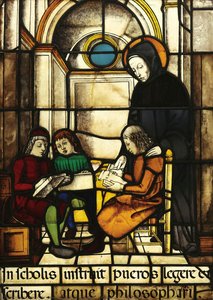
His mastery is perhaps most evident in his depictions of the life of Saint John of Damascus. Through these glass narratives, Niccolò captured moments of profound spiritual weight with an almost cinematic quality:
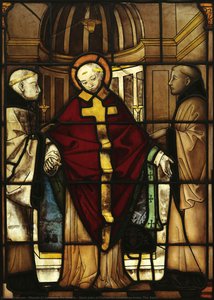
- The Ordination of Saint John of Damascus: In this stunning panel, Varallo utilizes the interplay of light to depict a pivotal moment in Byzantine theology, using color to evoke the sanctity of the ritual.
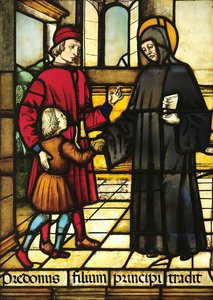
- Saint John of Damascus Receives the Prince: Here, the artist demonstrates his ability to render complex human interactions and regal dignity through the delicate manipulation of glass textures.
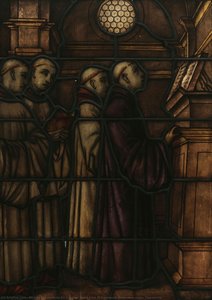
- The Miracle of the Reattached Hand: Perhaps one of his most captivating scenes, this panel depicts the miraculous reattachment of Saint John's hand, a feat of storytelling that uses vibrant hues to emphasize the divine intervention and the awe of the witnessing monks.
Historical Significance and Artistic Spirit
The work of Niccolò da Varallo represents a crucial evolutionary step in late medieval and early Renaissance art. He stood at the crossroads of two worlds, maintaining the decorative splendor of the Gothic tradition while embracing the emerging realism and emotional depth of the Renaissance. His ability to manipulate light—the very essence of stained glass—allowed him to create works that felt alive, breathing with the changing sunbeams that passed through the Milan Duomo.
Though his name may not carry the same immediate recognition as the giants of the High Renaissance, his influence on the decorative arts and ecclesiastical storytelling is immeasurable. He remains a testament to the power of craftsmanship, proving that when the precision of a glassmaker meets the soul of a painter, the result is an eternal glow that survives centuries of shadow.
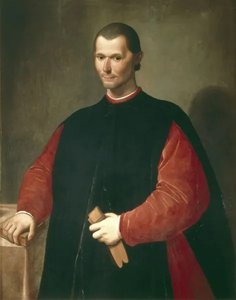
niccolò di leonardo da varallo
1425 - 1490 , Italy
基本情報
- Artistic Movement Or Style: Renaissance
- Artists Or Movements Influenced By This Artist: ['Italian Renaissance']
- Artists Who Influenced This Artist:
- Andrea Mantegna
- Giovanni Battista Pontorno
- Date Of Birth: 1425
- Date Of Death: 1490
- Full Name: Niccolò di Leonardo da Varallo
- Nationality: Italian
- Notable Artworks:
- Saint John of Damascus celebrates mass. The deacons
- The ordination of Saint John of Damascus
- Place Of Birth: Varallo della Val d'Oro, Italy
関連記事
レオナルド・ダ・ヴィンチ:至高の25選 - 芸術、科学、そして不朽の名作の世界
レオナルド・ダ・ヴィンチの至宝25選。モナリザ、最後の晩餐…ルネサンス美術を代表する名画の世界へ。芸術史、技法、そして感動の物語を紐解き、お部屋に飾る高級複製画で特別な空間を。ArtsDot.comで全コレクションをご覧ください。

Leonardo da Vinci: A Renaissance Master’s Synthesis of Art, Science & Human Observation – Reinterpreted for the Collector
Explore Leonardo da Vinci’s timeless masterpieces with ArtsDot. Discover insights into his art, science, and legacy – trusted expertise for discerning collectors seeking authentic reproductions & investment opportunities.
Renaissance Humanism's Greatest Art: 10 Masterpieces for Your Home
Explore 10 Renaissance Humanism masterpieces by Leonardo da Vinci, Michelangelo & Raphael. Discover the stories behind these iconic paintings & sculptures and bring timeless art into your home with museum-quality reproductions from ArtsDot.com. Explore the full collection online!

ルーブル美術館の至宝25選:名画と芸術史を巡る旅 | ArtsDot
ルーブル美術館の至宝25選。レオナルド・ダ・ヴィンチ、ミロのヴィーナス…名画の歴史と感動を紐解きます。複製画やインテリアアートも豊富に。ArtsDotで、あなただけの芸術空間を。
John La Farge: Pioneering American Colorism & Japonisme's Influence
Explore the groundbreaking work of John La Farge, a pioneer of American colorism and stained glass. Discover his captivating Japonisme-inspired murals & lasting legacy in 19th-century art. Expert insights for collectors.

