

 プレビュー
プレビュー
 プリントを購入
 シェアする
シェアする シェアする
シェアする
 詳細を見る
詳細を見る

 ダウンロード
 似ている作品
 X線調査
X線調査 スライドショー
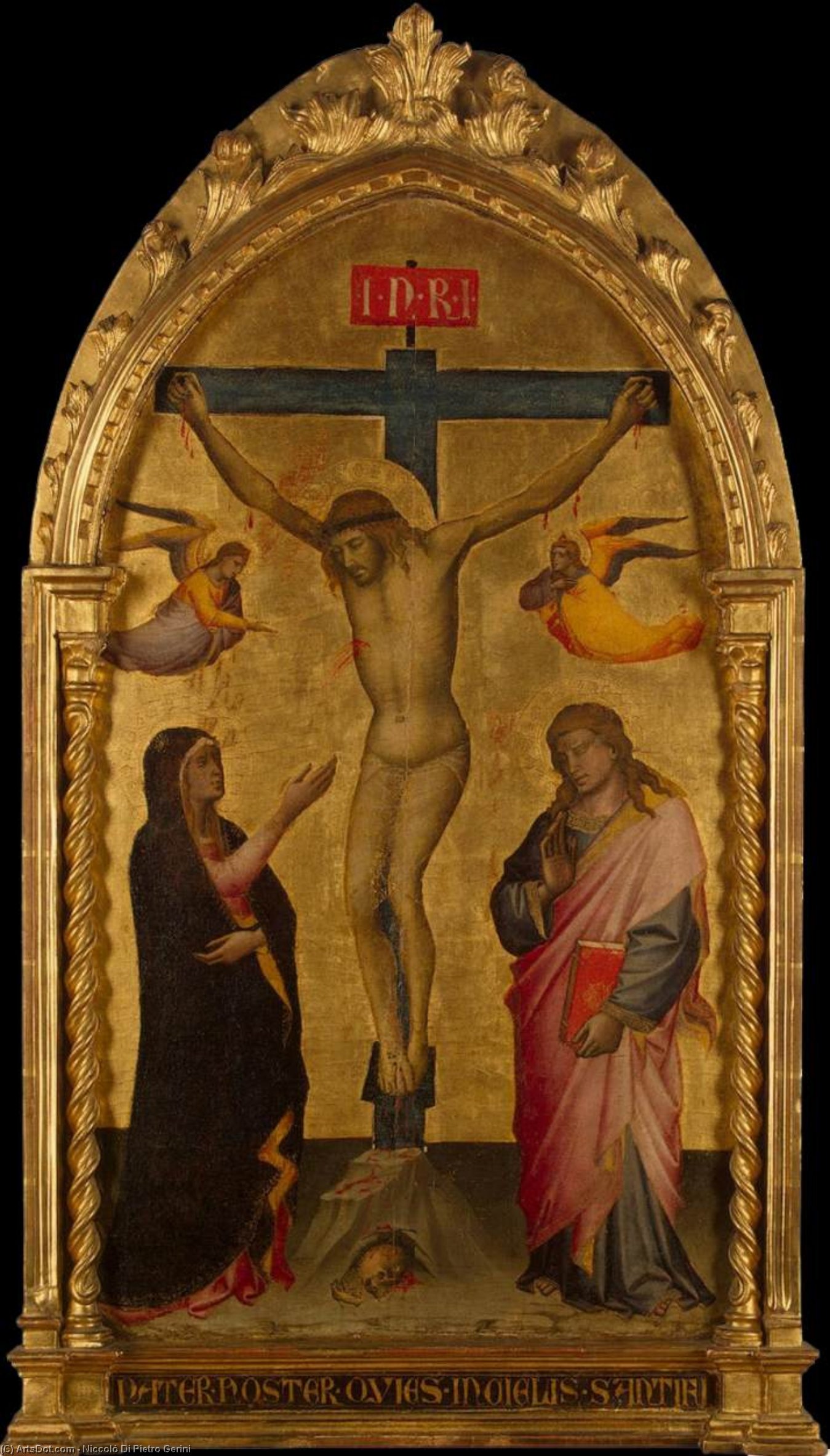
Crucifixion with the Virgin and St John
 Acrylic On Canvas
- WallArt
- Utrecht Caravaggism
 1390
1390 86.0 x 53.0 cm
 エルミタージュ美術館
 詳細を見る
詳細を見る




P118B $10

P118H $10

P118W $10

P438Z $10

P508JH $12

P508YH $12

P805H $10

P805Z $10

P919BZ $10

P919G $10

P919XJ $10

P959ZH $10

P968JZ $12

W106C $8

W218G $10

W218JH $8

W218Y $10

W307PJ $10

W316G $10

W316PJ $8

W316Y $10

W398PJ $8

W4111J $10

W500HY $15

W500JH $15

W692G $12

W849H $8

W940BG $15

W953PJ $8




作品のオリジナル比率に合わせた、当店の規定サイズからお選びください。

特定のフレームやスペースに合わせて、ご希望のサイズをご入力いただけます。選択されたサイズが元の画像の比率と異なる場合、アートワークをトリミングするか、手描きで要素を追加して絵画を拡張いたします。デジタルモックアップ を制作し、制作開始前にご確認(承認)をいただきます。
画面上のプレビューは、実際のトリミングや拡張を正確に反映しているものではありません。最終的な構図は、モックアップによってのみ正確にご確認いただけます。
カスタムサイズもご利用いただけますが、元の比率を維持するためには、あらかじめ用意されたリストからサイズを選択することをお勧めいたします。
ご注文後、ArtsDot.com チームより詳細な指示をお送りするとともに、仕上がりイメージ(モックアップ)をご提供いたします。


 ガラスオプションは、110cm未満のサイズでのみご利用いただけます。

Crucifixion with the Virgin and St John
複製技法
複製画のサイズ
-


合計金額
$ 263
作品解説
A Lament in Shadow: Niccolò di Pietro Gerini’s Crucifixion with the Virgin and St John
The year is 1390. Florence, a city poised on the cusp of the Renaissance, pulses with artistic fervor – a crucible where the echoes of Gothic grandeur mingle with nascent explorations of naturalism. Within this vibrant landscape emerges Niccolò di Pietro Gerini, a painter whose work offers a poignant glimpse into this transitional period. His “Crucifixion with the Virgin and St John,” now residing within the venerable halls of the Hermitage Museum in St. Petersburg, is not merely a depiction of a biblical scene; it’s an intimate meditation on sorrow, faith, and the enduring weight of human suffering. The painting, measuring 86 x 53 cm and executed in tempera on panel, immediately draws the viewer into its somber atmosphere – a carefully constructed space dominated by deep shadows and a restrained palette that speaks volumes without uttering a single word.
Gerini’s style is distinctly Gothic, yet subtly infused with elements foreshadowing the Renaissance. The figures—Jesus Christ, Mary, and John—are rendered with a deliberate stiffness, their bodies presented in a stylized manner reminiscent of earlier Italian masters like Giotto. However, there's a nascent sense of volume and weight within their forms, hinting at a growing awareness of three-dimensionality that would soon define the era. The composition itself is carefully balanced, guiding the eye through the scene with a measured grace. Note the deliberate positioning of Mary and John—not as passive observers but as active participants in the grief, their postures conveying profound sorrow and devotion.
The Weight of Sorrow: Symbolism and Emotional Resonance
Beyond its formal qualities, the painting is rich in symbolic meaning. The stark darkness enveloping the scene immediately establishes a mood of despair and impending doom. This isn’t simply a dramatic backdrop; it represents the spiritual void left by Christ's sacrifice—a visual metaphor for the loss of innocence and hope. The muted colors – predominantly deep blues, browns, and ochres – further amplify this sense of melancholy. The gold leaf used sparingly in the background, likely intended to represent the divine light, feels strangely subdued, almost hesitant, as if acknowledging the darkness that has descended upon the world.
Crucially, Gerini’s depiction of Christ on the cross is profoundly humanizing. He isn't idealized or glorified; he’s a vulnerable figure enduring unimaginable pain. The wounds are rendered with a stark realism—a deliberate departure from the more ethereal representations common in earlier religious art. The presence of the bones at the foot of the cross, traditionally identified as those of Adam, serves as a potent reminder of humanity's fallen state and the consequences of sin. Mary’s sorrow is palpable – her face etched with grief, her hands clasped in prayer—a testament to her unwavering faith and maternal love. John, positioned beside Christ, embodies loyalty and devotion, his gaze fixed upon his beloved master.
A Legacy Forged in Florence: Context and Influences
To understand Gerini’s work fully, it's essential to consider the artistic context of 14th-century Florence. The city was experiencing a period of intense cultural ferment, with artists like Giotto laying the groundwork for the Renaissance through their innovative use of perspective, naturalism, and emotional expression. Gerini, while not an innovator himself, was deeply influenced by these developments—particularly by Giotto’s emphasis on human emotion and his rejection of Byzantine conventions. He also benefited from a rich artistic tradition in Florence, working alongside masters like Jacopo di Cione and collaborating on significant projects such as the frescoes for the Guild Hall of the Judges and Notaries.
Furthermore, Gerini's family history—his father was a member of the Guild of Saint Luke—provided him with valuable training and access to artistic resources. His son, Bindo, continued the family’s legacy as a painter, demonstrating the enduring influence of Gerini’s artistic vision. The painting’s journey through time – from its creation in Florence to its eventual arrival at the Hermitage Museum – reflects the shifting cultural landscape of Italy and the evolving role of art within society.
Echoes Across Time: Reproduction and Appreciation
The “Crucifixion with the Virgin and St John” remains a powerful testament to the enduring appeal of religious art. Reproductions, meticulously crafted by ArtsDot, offer an opportunity to experience this masterpiece in your own space, bringing its profound beauty and emotional depth into your home or studio. When selecting a reproduction, consider the level of detail and accuracy—a high-quality print will faithfully capture the nuances of Gerini’s original work, allowing you to appreciate the artist's skill and vision. This painting is more than just an image; it’s a window into the soul of 14th-century Florence – a poignant reminder of human suffering, faith, and the enduring power of art.
関連作品
アーティストの略歴
二つの世界を繋ぐフィレンツェの画家:ニコロ・ディ・ピエトロ・ジェリーニの生涯と芸術
14世紀末から15世紀初頭にかけてのフィレンツェは、まさにルネサンスの黎明を目前に控えた、芸術的革新の坩堝(るつぼ)でした。この活気あふれる時代の中に、ニコロ・ディ・ピエトロ・ジェリーニという画家が生きていました。彼の作品は、ゴシック様式の優美な様式化から、新たな時代を定義することになる芽生えゆく自然主義への変遷を、見事に体現しています。1368年頃にフィレンツェで生まれ、1415年頃にその生涯を閉じたジェリーニのキャリアは、伝統と実験が繊細な均衡を保ちながら踊るような、芸術的熱狂の背景の中で展開されました。彼の父ピエトロ・ゲリ自身が聖ルカ組合のメンバーであったことは、彼が芸術の実践に深く浸った環境で育ったことを示唆しています。この家族の遺産は、後に画家となったニコロの息子ビンドにも受け継がれました。1368年には医師・薬種商組合(Arte dei Medici e Speziali)に登録されており、ジェリーキの初期の活動は、フィレンツェの繁栄する芸術界へ彼がいかに即座に溶け込んでいたかを物語っています。巨匠たちの残響:影響と芸術的発展
ジェリーニの芸術的感性は、決して真空状態から生まれたものではありません。彼は先人である巨匠たちから深い影響を受けていました。その根底にはジョット・ディ・ボンドーネの学派がしっかりと据えられており、ビザンチン美術の硬直した慣習を打破した、表現力豊かな人物像と初期の自然主義への献身を受け継いでいます。しかし、ジェリーニの様式は単なる模倣に留まりませんでした。アンドレア・ディ・オルカーニャやタッデオ・ガッディの影響も顕著であり、劇的な動きとある種の記念碑性を特徴とする独特の美学に寄与しています。彼の描く人物像には、大きな顎、傾斜した額、鋭い鼻、そしてややずんぐりとした体躯といった、識別可能な特徴がしばしば見られます。これらは厳密な解剖学的正確さよりも象徴的な表現を優先した、ゴシック様式の描写に典型的な要素です。それでもなお、ジェリーニはこれらの慣習の中にダイナミックなエネルギーを吹き込み、後のルネサンス美術の代名詞となる感情的な強烈さを予感させていました。彼はマサッチオやドナテッロのような革新者ではなかったかもしれませんが、既存の伝統を巧みに統合することで、当時の観衆の心に響き、未来の発展への道筋をつける作品を生み出したのです。共同制作と依頼:パートナーシップによって形作られたキャリア
ジェリーニのキャリアにおける重要な側面は、フィレンツなの著名な画家であるヤコポ・ディ・キオーネとの頻繁な共同作業にあります。こうしたパートナーシップは当時の一般的な慣習であり、経済的な現実と、芸術家たちの工房における協力精神の両方を反映していました。二人は、現在は失われてしまったものの歴史的記録に残る、裁判官・公証人組合館のためのフレスコ画(1366年頃)など、いくつかの重要なプロジェクトを共に遂行しました。彼らの協力関係は、「聖母戴冠」に捧げられた複数の祭壇画にも及んでいます。サン・ピエロ・マッジョーレのためのもの(1370年)ではジェリーニがデザインを担当し、ヤコポがそれを実行したとされており、またフィレンツェ造幣局のための作品(1372年)も存在します。ヴォルテッラの「受胎告知」のフレスコ画(1383年)は、二人の間における明確な分業体制を示す、彼らの協力関係の好例です。また、キオーネとの共同作業以外にも、ジェリーニは数多くの独立した依頼を受けていました。ビガッロのファサードに描かれた、孤児たちが養父母に引き渡される様子を描いた痛切なフレスコ画(1386年)は、彼の物語的な技量と繊細さを際立たせています。他にも、サン・カルリーノ礼拝堂の「キリストの埋葬」のドサールや、サンタ・マリア・デッリ・アンジェリ修道院の祭壇のために制作された「キリストの洗礼」の三連祭壇画など、注目すべき作品は多岐にわたります。さらに、プラートのダティーニ宮殿やピサのサン・フランチェスコ教会における柱頭のフレスコ画にもその足跡を残しており、彼の芸術的サービスに対する需要が広範囲に及んでいたことを示しています。そして最後に、彼はサンタ・クローチェにてキリストの生涯を描いたフレスコ画を寄与しました。遺産と歴史的重要路
ニコロ・ディ・プリエトロ・ジェリーニは、深い変革の時代における後期ゴシック様式の代表者として、フィレンツェ美術史において極めて重要な地位を占めています。彼は、ジョットによる革新と、台頭しつつあったルネサンスの美学的原理を繋ぐ、歴史的な転換点を体現しているのです。彼の頻繁な共同制作は、この時代の芸術生産が持つ協力的な性質を浮き彫りにし、またロレンツォ・ディ・ニコロ・ディ・マルティーノを自身の工房で育てた師としての役割は、後世の芸術家たちへの彼の影響力を証明しています。ジェリーニが伝統的なゴシックの技法や構図のアプローチを守り抜こうとした姿勢は、新しい思想が浸透し始めた時期にあっても、フィレンツェにおける芸術的伝統の継続を確かなものにしました。革命的な同時代人たちほど熱狂的に称賛されることはなかったかもしれませんが、ニコロ・ディ・ピエトロ・ジェリーニは、フィレンツェ絵画の複雑な進化と、歴史上最も輝かしい芸術期の一つを定義した「伝統と革新」の繊細な相互作用を理解する上で、欠かすことのできない人物であり続けています。彼の作品は、変化の淵にあった世界――過去の残響が新しい夜明けの約束と共鳴していた世界――への、抗いがたいほど魅力的な窓口となっているのです。
ニコロ・ディ・ピエトロ・ジェリーニ
1368 - 1415 , イタリア
基本情報
- Artistic Movement Or Style: 後期ゴシック
- Artists Or Movements Influenced By This Artist: ['ロレンツォ・ディ・ニコロ']
- Artists Who Influenced This Artist:
- ジョット・ディ・ボンドーネ
- アンドレア・オルカーニャ
- タッデオ・ガッディ
- Date Of Birth: 1368年頃
- Date Of Death: 1415年頃
- Full Name: ニコロ・ディ・ピエトロ・ジェリーニ
- Nationality: イタリア
- Notable Artworks:
- 謙譲の聖母
- 聖エロイ伝説の場面
- 円形フレーム
- キリストの埋葬
- キリストの洗礼
- Place Of Birth: イタリア、フィレンツェ
関連記事
フラ・アンジェリコの傑作25選:ルネサンス美術の神髄と至高の装飾 | ArtsDot
フラ・アンジェリコの傑作25選。ルネサンス美術の神髄を紐解き、天使のような静謐な色彩と宗教画の世界へ誘います。壁画やフレスコ画の技法、修道院に息づく祈りの絵…ArtsDotで至高のアートプリントをお手軽に。コレクションを探索する。
ウフィツィ美術館の至宝25選:ルネサンス巨匠たちの傑作とアートデコレーション
ウフィツィ美術館の至宝25選:ボッティチェリ、レオナルド・ダ・ヴィンチ…ルネサンス巨匠たちの傑作と感動的な物語を紐解きます。高品質な絵画複製やアートプリントで、お部屋に名画の輝きを。ArtsDot.comで芸術の世界へ。
エル・グレコの傑作25選:魂を揺さぶる宗教画と芸術の深淵 | ArtsDot
エル・グレコの傑作25選:魂を揺さぶる宗教画の世界へ。スペイン絵画の巨匠、マニエリスム様式と Toledo の光彩を紐解きます。ArtsDot.com で名画のアートプリントや複製画をお楽しみください。コレクションはこちら →

ジョット・ディ・ボンドーネ:至高の25選 - ルネサンスの夜明けを彩る傑作たち | ArtsDot
ジョット・ディ・ボンドーネの至高の25選。ルネサンス美術を牽引した巨匠の傑作と、その感動的な物語を紐解きます。高品質な絵画複製やインテリアアートで、名画の世界をあなたの空間に。ArtsDot.com でコレクションをご覧ください。
Illuminating Surfaces: A Comprehensive Exploration of Tempera on Panel Painting Techniques & Historical Significance
Explore the rich history & techniques of tempera painting! Discover Renaissance masters like Botticelli & Fra Angelico, conservation insights, and the enduring legacy of this captivating art form. Learn more now!

