 プレビュー
プレビュー
 プリントを購入
 シェアする
シェアする シェアする
シェアする
 詳細を見る
詳細を見る

 ダウンロード
 似ている作品
 X線調査
X線調査 スライドショー
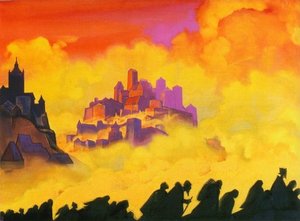
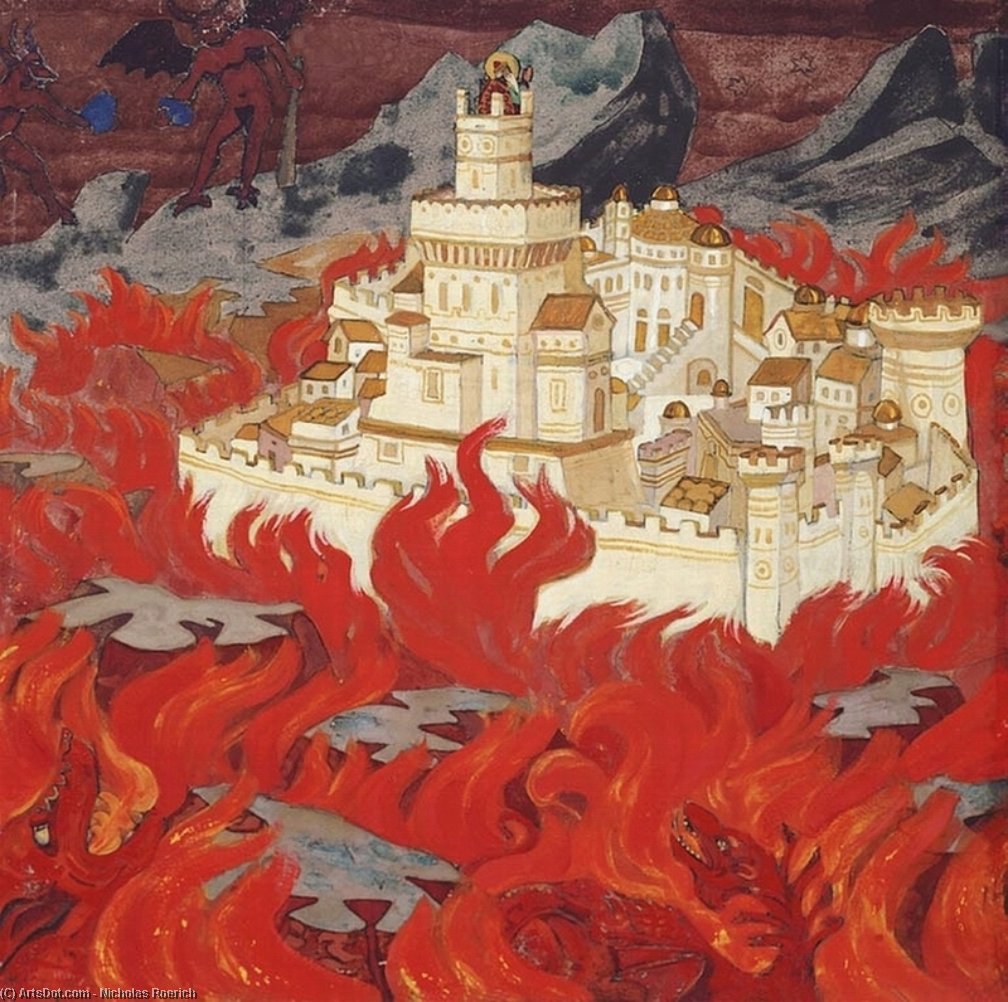
Fairest City - the anger for enemies


 詳細を見る
詳細を見る




P118B $10

P118H $10

P118W $10

P438Z $10

P508JH $12

P508YH $12

P805H $10

P805Z $10

P919BZ $10

P919G $10

P919XJ $10

P959ZH $10

P968JZ $12

W106C $8

W218G $10

W218JH $8

W218Y $10

W307PJ $10

W316G $10

W316PJ $8

W316Y $10

W398PJ $8

W4111J $10

W500HY $15

W500JH $15

W692G $12

W849H $8

W940BG $15

W953PJ $8




作品のオリジナル比率に合わせた、当店の規定サイズからお選びください。

特定のフレームやスペースに合わせて、ご希望のサイズをご入力いただけます。選択されたサイズが元の画像の比率と異なる場合、アートワークをトリミングするか、手描きで要素を追加して絵画を拡張いたします。デジタルモックアップ を制作し、制作開始前にご確認(承認)をいただきます。
画面上のプレビューは、実際のトリミングや拡張を正確に反映しているものではありません。最終的な構図は、モックアップによってのみ正確にご確認いただけます。
カスタムサイズもご利用いただけますが、元の比率を維持するためには、あらかじめ用意されたリストからサイズを選択することをお勧めいたします。
ご注文後、ArtsDot.com チームより詳細な指示をお送りするとともに、仕上がりイメージ(モックアップ)をご提供いたします。


 ガラスオプションは、110cm未満のサイズでのみご利用いただけます。

Fairest City - the anger for enemies
複製技法
複製画のサイズ
-


合計金額
$ 288
作品解説
A Vision of Apocalyptic Fury: Unveiling ‘Fairest City – the anger for enemies’
Nicholas Roerich's *Fairest City – the anger for enemies*, painted in 1914, is a powerfully dramatic and visually arresting work that transports viewers to a realm of biblical proportions. This isn’t merely a depiction of destruction; it’s an exploration of judgment, divine retribution, and the fragility of civilization itself. The artwork's relatively small size (45 x 45 cm) belies the immensity of its thematic scope.Subject & Narrative
The composition centers on a magnificent, fortress-like city consumed by flames. This isn’t a realistic cityscape but an idealized, almost ethereal structure rendered in stark white, suggesting purity or righteousness under siege. Below, a vast sea of fire engulfs the landscape, populated by indistinct figures seemingly lost to the inferno. A prominent demonic figure stands on the left, embodying malevolence and perhaps instigating the destruction. Counterbalancing this darkness is a winged angel positioned atop one of the city’s towers – a beacon of hope or a witness to the unfolding tragedy. Jagged mountains loom in the background, amplifying the sense of chaos and foreboding. The scene strongly evokes biblical narratives like the fall of Babylon or the Last Judgment, hinting at themes of moral consequence and divine justice.Style & Technique
Roerich’s style is deeply rooted in medieval illuminated manuscripts and religious iconography. He employs meticulous linework to define both the complex architectural details of the city *and* the swirling patterns of the flames, creating a dynamic interplay between order and chaos. Geometric shapes – squares, rectangles, and circles – dominate the composition, lending it a sense of structure even amidst the destruction. The texture is achieved through careful shading and line work, building depth and volume. The dramatic lighting, with its stark contrast between the bright white city and the intense red flames, heightens the emotional impact. While perspective is somewhat flattened – characteristic of illuminated manuscripts – Roerich skillfully uses layering and overlapping forms to create a convincing sense of spatial depth. The technique suggests a combination of ink and tempera on parchment or similar material.Historical Context & Artistic Influences
Painted in 1914, at the cusp of World War I, *Fairest City* can be interpreted as a premonition of the widespread devastation to come. Roerich was deeply interested in spirituality and mythology, particularly those of Eastern cultures, which often informed his artistic vision. His early career involved stage design for Sergei Diaghilev’s Ballets Russes, influencing his sense of dramatic composition and symbolic imagery. The artwork reflects a broader trend in Symbolist art – a movement that sought to express emotional experiences and spiritual truths through evocative imagery rather than realistic representation.Symbolism & Emotional Impact
The symbolism within *Fairest City* is rich and multi-layered. Red, the dominant color of the flames, represents fire, passion, sin, and destruction. The white city could symbolize innocence, righteousness, or a lost golden age being consumed by evil. The angel suggests divine intervention, while the demon embodies the forces of darkness. The overall emotional impact is one of awe, terror, and profound sadness. It’s a work that compels viewers to contemplate themes of mortality, judgment, and the enduring struggle between good and evil.For Collectors & Interior Designers
*Fairest City – the anger for enemies* would be a striking addition to any collection focused on Symbolism, religious art, or early 20th-century painting. Its dramatic composition and rich symbolism make it a captivating focal point in both traditional and contemporary interiors. A high-quality reproduction of this artwork would lend an air of sophistication and intellectual depth to a living room, study, or library. The color palette – primarily white, red, and black – offers versatility, complementing a range of décor styles. This piece is not just visually stunning; it’s a powerful statement about the human condition.関連作品

アーティストの略歴
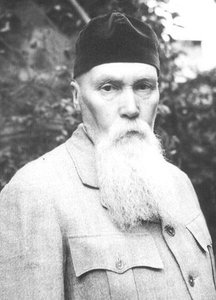
ニコライ・ロエリヒ:芸術と精神の融合
ニコライ・コンスタンティノヴィチ・ロエリヒは、1874年10月9日、ロシア帝国の文化の中心地であったサンクトペテルブルクに生まれました。彼は単なる画家ではありませんでした。考古学者、作家、哲学者であり、平和と文化遺産の保護を熱心に訴えかけた公的人物でもありました。彼の育ちは、父親が法務官であり知的な厳格さと母親による芸術への深い理解によって支えられ、多才なキャリアの基盤となりました。1893年からは、サンクトペテルブルク大学で法学と美術を同時に学び、世界に対する幅広い理解への初期からのコミットメントを示しました。この二つの道は矛盾するものではなく、むしろ芸術的ビジョンには歴史的文脈と知的規律が必要であるという信念を反映していました。1897年に画家としての資格を取得し、翌年には法学の学位を取得し、創造的な探求と合理的な行動の両方に捧げられた人生への舞台を設定しました。象徴主義と劇場革新への誘い
ロエリヒの芸術的発展は、感情と精神の深さを喚起するために暗示的なイメージや形態を用いるロシア象徴主義という潮流によって深く形作られました。彼はすぐにセルゲイ・ディアギレフの影響力のある「世界芸術」協会の活動に積極的に参加し、1910年から1916年までその अध्यक्षताを務めました。この連携は画期的であり、ロシアの芸術風景を再定義していた革新的なアーティスト、作曲家、思想家のネットワークへの露出をもたらしました。彼の初期作品には考古学と舞台デザインへの関心が明らかになり、ディアギレフのバレエ・リュスのとの画期的なコラボレーションにつながりました。アレクサンドル・ボロディンの『イゴール王子』(1909)や、最も有名なイーゴリ・ストラヴィンスキーの革命的な『春の祭典』(1913)のデザインは単なる背景ではなく、劇場体験に不可欠な要素でした。彼は綿密な歴史的調査と大胆な想像力を組み合わせ、音楽と振付の感情的な力を増幅させる視覚的に素晴らしい環境を作り出しました。これらのデザインは単に装飾的なものではなく、神話と精神性への象徴主義者の関心を反映して、原始的な力と古代の儀式を喚起しようとする試みでした。彼の作品はまた、ヘレナ・ブラヴァツキーの『シークレット・ドクトリン』などの異端の著作や中世の秘密結社文献の影響を受けており、芸術的創造に深遠な神秘主義的な意味合いを加えるものでした。神秘主義とヒマラヤへの旅路
ロエリヒのキャリアが進むにつれて、彼の絵画は大きな変化を遂げ、神秘的で精神的なテーマをますます取り入れるようになりました。このシフトは、すべてのものの相互接続性と内なる知恵の追求を強調する、心霊哲学や東洋宗教に対する彼の関心の高まりによって促進されました。1904年から1905年にかけての『建築研究』シリーズは、彼の考古学への関心を反映しているだけでなく、紛争時に芸術を保護することへの後の提唱を予感させるものでした。彼の作品には、雄大な風景、謎に包まれた古代都市、精神的な重要性を持つ人物など、反復するモチーフが現れ始めました。特にヒマラヤ山脈は、単なる地理的場所ではなく、深遠な精神力と啓蒙の領域を表す中心的主題となりました。彼は中央アジアを広範囲にわたって旅行し、古代文化を記録しながら考古学的な調査を行い、彼の芸術的ビジョンに深く影響を与え、すべての文化に対する相互理解の重要性を強化しました。遺産:保存への献身と永続的な影響
ニコライ・ロエリヒはキャンバスを超えた活動にも積極的に取り組みました。彼は紛争時に芸術と建築を保護するための熱心な提唱者でした。文化的財の脆弱性を認識し、1935年に文化財の破壊から保護することを目的とした国際条約であるロエリヒ協定を推進しました。このイニシアチブは彼にノーベル平和賞への複数のノミネートをもたらし、彼の深い人道的精神を強調しました。彼のたゆまぬ努力は、過去を理解するためだけでなく、より平和な未来を築くためにも文化的遺産を保存することが不可欠であるという信念を示していました。今日、ロエリヒの作品は世界中の著名な美術館に展示されており、アストラハニ州立絵画館やニューヨーク市のニコライ・ロエリヒ博物館で特に注目されています。彼のロシア芸術と文化への影響は計り知れません。彼は芸術的表現と精神的な探求の間のギャップを埋め、彼の先見の明のあるアプローチで世代を超えてアーティストや思想家に影響を与えました。彼は画家であるだけでなく、学者、人道家であり、文化的遺産の保存のための希望の灯台として記憶されています。主要作品と継続的な関連性
- 聖ニコライ:中世芸術と紋章記号を詳細に描いたモノクローム壁画。
- 都市:彼の考古学への関心を反映した、古代の都市景観の喚起的な描写。
- ナーガ湖:象徴主義と自然をブレンドしたテンペラ絵画で、彼のユニークな芸術的ビジョンを例証しています。
ニコライ・ロエリヒ
1874 - 1947 , ロシア
基本情報
- フルネーム: ニコライ・コンスタンチノヴィチ・ロエリヒ
- 主な作品:
- 聖ニコライ
- 都市
- ナーガスの湖
- 出生地: サンクトペテルブルク、ロシア
- 国籍: ロシア人
- 影響を与えたアーティストまたは運動: ['ロシア象徴主義']
- 影響を受けたアーティスト: ['セルゲイ・ディアギレフ']
- 死亡年月日: 1947年12月13日
- 生年月日: 1874年10月9日
- 芸術運動またはスタイル: 象徴主義、精神的芸術
関連記事

White on Canvas: 10 Masterpieces & Timeless Elegance for Your Home Decor
Explore 10 iconic white paintings by Monet, Whistler & Rothko! Discover the stories behind these serene masterpieces and their impact on art history. Find museum-quality reproductions for your home decor at .
The Subtleties of White: Exploring Absence, Light & Symbolism in Art History
Explore the profound symbolism & history of white in art! From ancient purity to modern abstraction, discover how artists have used absence & light. Expert insights from ArtsDot.
Nicholas Roerich: Mysticism, Mountains & the Search for Ageless Wisdom in Art
Explore the captivating art of Nicholas Roerich – a visionary painter whose Himalayan landscapes blend spiritual mysticism with cultural preservation. Discover his legacy & symbolism.

Monochrome Visions: Exploring the Aesthetic & Historical Significance of Black & White Photography
Explore the rich history & artistic power of black and white photography. From early techniques to iconic masters like Ansel Adams, discover why monochrome continues to captivate art lovers today. Expert insights for collectors.
現代インテリアデザインにおける黒、白、グレー抽象の魔力:装飾と空間の深化
ホテルデザインに最適な黒、白、グレーの抽象画選びをサポート。色彩心理学に基づいた空間演出から、ArtsDot.comのカスタムアートまで、専門家が洗練されたインテリアを実現します。