

 プレビュー
プレビュー
 シェアする
シェアする シェアする
シェアする
 詳細を見る
詳細を見る

 ダウンロード
 似ている作品
 X線調査
X線調査 スライドショー
 統計情報
統計情報Plate
 Oil
Oil- WallArt
- Renaissance
 1524
1524 27.0 x 27.0 cm
 ルーブル美術館
 詳細を見る
詳細を見る
ジークレー/アートプリント
迅速な制作と多彩な仕上げオプションを備えた、ミュージアムクオリティのジークレーまたはキャンバスプリント。 ( 手描きの絵画を購入 デジタル画像販売へ切り替え)




P118B $10

P118H $10

P118W $10

P438Z $10

P508JH $12

P508YH $12

P805H $10

P805Z $10

P919BZ $10

P919G $10

P919XJ $10

P959ZH $10

P968JZ $12

W106C $8

W218G $10

W218JH $8

W218Y $10

W307PJ $10

W316G $10

W316PJ $8

W316Y $10

W398PJ $8

W4111J $10

W500HY $15

W500JH $15

W692G $12

W849H $8

W940BG $15

W953PJ $8




作品のオリジナル比率に合わせた、当店の規定サイズからお選びください。

特定のフレームやスペースに合わせて、ご自身でサイズを指定することも可能です。選択されたサイズが元の画像の比率と一致しない場合、作品をトリミングするか、鏡面反射または単色での塗りつぶしによって画像を拡張いたします。制作を開始する前に、ご確認用のデジタルモックアップをお送りいたします。
画面上のプレビューには、実際のトリミングや拡張は反映されませんのでご注意ください。最終的な構図を正確に確認できるのは、モックアップのみとなります。
カスタムサイズも承っておりますが、元の比率を維持するためには、あらかじめ用意されたリストからサイズを選択することをお勧めいたします。


 ガラスオプションは、110cm未満のサイズでのみご利用いただけます。

Plate
ジークレー/アートプリント
複製画のサイズ
-


合計金額
$ 62
A Window Into Renaissance Grace: Nicola da Urbino’s “Plate”
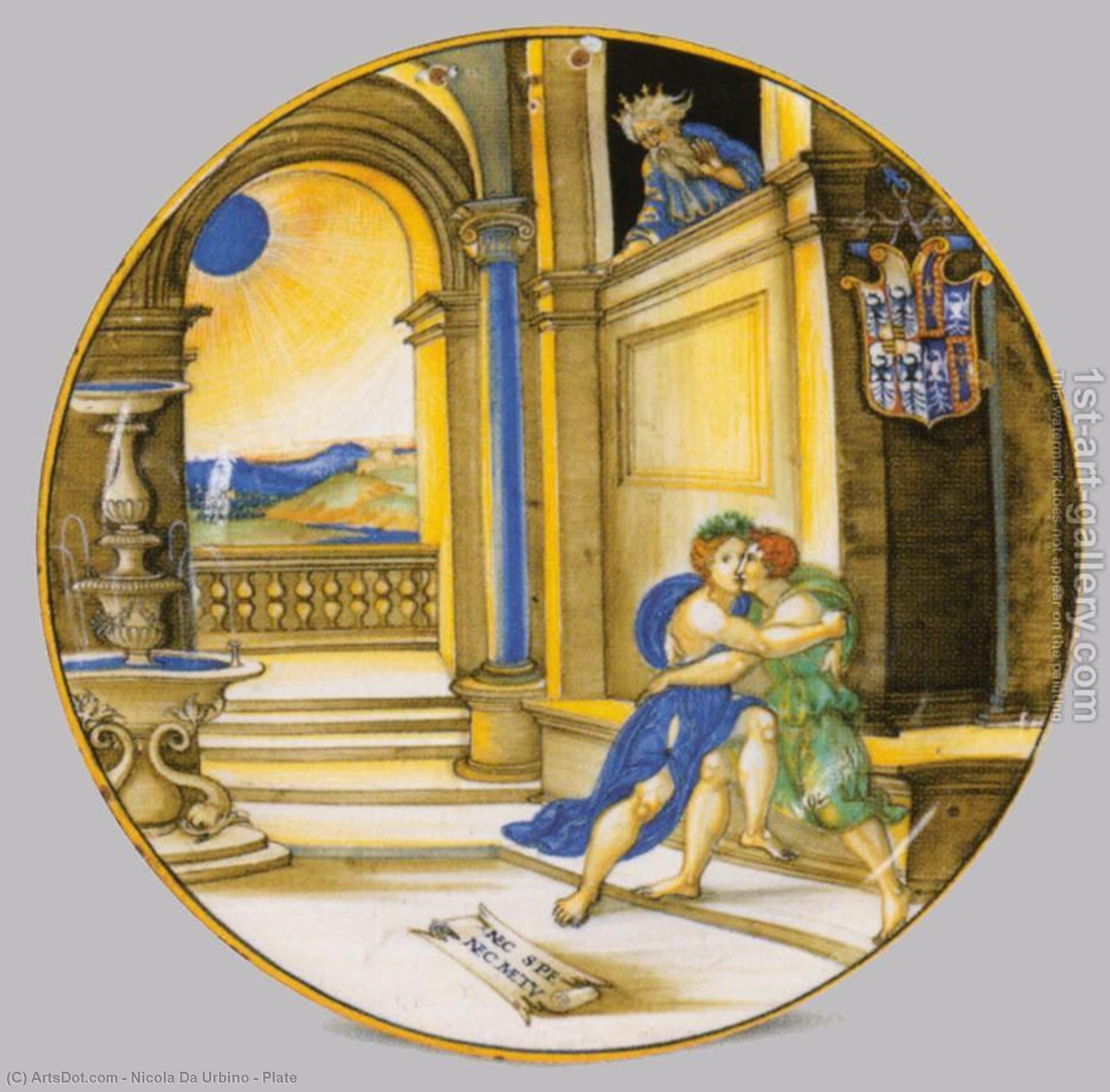
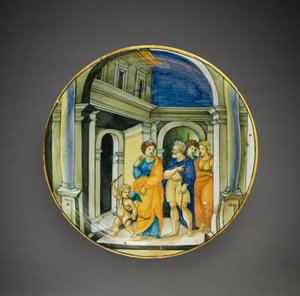
Nicola da Urbino's "Plate," painted in 1524, isn’t merely a decorative circular panel; it’s a meticulously crafted microcosm of the High Renaissance, brimming with narrative depth and an exquisite sense of human drama. Housed within the Louvre’s collection, this work transcends its modest dimensions (27 x 27 cm) to offer a captivating glimpse into the artistic sensibilities of a master craftsman and his era. The painting immediately draws the eye with its rich tapestry of colors – deep blues and greens contrasting against warm ochres and yellows – creating an atmosphere both serene and subtly charged.
At the heart of “Plate” lies a classical architectural structure, reminiscent of a portico or entranceway, rendered in delicate light yellow tones that evoke the cool elegance of marble. This central element serves as a framing device for a complex scene unfolding within its embrace. To the left, a fountain cascades into a basin, graced by a cherubic figure spouting water – a symbol of abundance and divine grace. Within the portico itself, two figures engage in an intimate exchange, their bodies subtly intertwined, while another observes from above, suggesting a quiet contemplation. The composition is remarkably balanced, yet vibrates with unspoken narratives.
The Story Unfolds: Myth, Allegory, and Heraldry
Beyond the immediate human drama, “Plate” is steeped in symbolic meaning. The scene depicted—a retelling of the myth of Hyppolitus and Phaedra—is drawn from Ovid’s *Metamorphoses*, a cornerstone of Renaissance literature and art. The figures are not simply characters in a classical tale; they embody broader themes of love, betrayal, and divine judgment. The presence of heraldic symbols – banners bearing crests and emblems – hints at the patronage of nobility, suggesting that this painting was intended for display within a grand hall or as part of a larger decorative scheme designed to impress and proclaim status.
Notably, the composition incorporates elements of allegory and moral instruction. The story itself serves as a cautionary tale about unchecked desire and the consequences of deceit. The figures’ gestures and expressions convey a range of emotions – longing, sorrow, anger— inviting viewers to contemplate the complexities of human relationships. The inclusion of the arms of Gonzaga and Este further anchors the work within its historical context, reflecting the power and influence of these prominent families.
A Masterclass in Renaissance Technique
Nicola da Urbino’s skill as a painter is evident in every detail of “Plate.” His masterful use of perspective creates a convincing illusion of depth, drawing the viewer into the scene. The delicate rendering of fabrics, the subtle modeling of faces, and the precise execution of architectural elements demonstrate his command of technique. The artist's choice of color—particularly the luminous blues and greens—adds to the painting’s overall sense of beauty and sophistication.
Furthermore, da Urbino’s innovative use of *istoriato*, a technique where the entire surface of a panel is devoted to a single representational scene, sets “Plate” apart. This approach allowed him to create a truly immersive experience for the viewer, inviting them to become active participants in the unfolding narrative. The painting's circular format—a medallion-like quality—further enhances this effect, creating a sense of unity and completeness.
A Timeless Reflection on Human Nature
“Plate” is more than just a beautiful work of art; it’s a profound meditation on the human condition. Through its carefully constructed narrative, evocative imagery, and masterful technique, Nicola da Urbino invites us to contemplate the complexities of love, betrayal, and morality. It remains a testament to the enduring power of Renaissance art to capture both the beauty and the tragedy of human experience—a timeless reflection that continues to resonate with viewers centuries later.
関連作品
アーティストの略歴
The Visionary Spirit of Nicola da Urbino
Nicola da Urbino (1480–1544) stands as a singular figure within the vibrant tapestry of Venetian Renaissance art, embodying an exceptional blend of psychological insight and masterful technique. Born in the illustrious court of Urbino—a center renowned for its patronage of humanist scholarship and artistic innovation—his formative years instilled in him a deep appreciation for classical ideals intertwined with burgeoning emotional expression. Unlike many artists of his lifetime who adhered rigidly to established conventions, da Urbino possessed an innate curiosity that propelled him beyond stylistic boundaries, resulting in portraits and religious scenes imbued with unparalleled depth and nuance.
His artistic journey commenced under the profound tutelage of Piero della Francesca, a titan of perspective and geometric precision. This early grounding in mathematical rigor served as a vital counterbalance to the humanist fervor sweeping across Europe, shaping da Urbino's approach to representing the human form with anatomical accuracy and structural integrity. This foundation allowed him to master the interplay of light and shadow, creating works that felt both physically grounded and spiritually transcendent.
A Mastery of Emotion and Form
As his career progressed, da Urbino’s style became characterized by a remarkable sensitivity to emotion—a hallmark of the Venetian school—coupled with an unwavering commitment to anatomical realism. He moved away from the purely idealized figures favored by some of his contemporaries, choosing instead to depict subjects with palpable vulnerability and psychological complexity. By meticulously studying human musculature and skeletal structure, he achieved astonishing accuracy while simultaneously conveying inner turmoil or serene contemplation.
His reach extended far beyond his birthplace, as evidenced by his significant engagements in major artistic centers. A pivotal moment in his career arrived when Federico Gonzaga commissioned him to decorate the Cappella Gavotti in Rome. This monumental undertaking cemented his reputation as one of the era's foremost painters. During this period, he collaborated closely with figures such as Pietro da Cortona, absorbing stylistic cues from the dramatic fresco traditions and elevating his own artistic sensibilities to new heights of grandeur.
Legacy in Decorative and Sacred Art
The versatility of Nicola da Urbino is perhaps most evident when examining the breadth of his medium. His genius was not confined solely to canvas or fresco, but extended into the delicate realms of decorative arts and intricate compositions. His contributions to the Renaissance aesthetic can be seen through various notable works:
- The Plate (1524): A stunning circular painting that serves as a testament to his ability to handle complex biblical narratives within a constrained, intimate format, showcasing rich detail and classical influence.
- Broad-rimmed Bowl: A vibrant ceramic masterpiece where he masterfully blended heraldry and allegory, proving that his command of symbolic language was as potent in decorative arts as it was in religious painting.
Ultimately, the historical significance of Nicola da Urbino lies in his ability to bridge the gap between the rigid geometric precision of the early Renaissance and the emotive, atmospheric richness of the later Venetian style. He remains a master of the human condition, leaving behind a legacy of works that continue to captivate the viewer with their profound humanity and timeless grace.
nicola da urbino
1480 - 1544 , Italy
基本情報
- Artistic Movement Or Style: Venetian Renaissance
- Artists Who Influenced This Artist:
- Andrea Mantegna
- Giovanni Battista Tiepolo
- Date Of Birth: 1480
- Full Name: Nicola da Urbino
- Nationality: Italian
- Notable Artworks:
- Plate
- Broad-rimmed Bowl
- Dish
- Place Of Birth: Urbino, Italy
関連記事

Evocations of Place: A Historical Journey Through Landscape Art
Explore the rich history of landscape art with ArtsDot. Discover renowned artists, movements like Impressionism & Romanticism, and expert guidance for collecting timeless pieces. Find your perfect serene escape today!
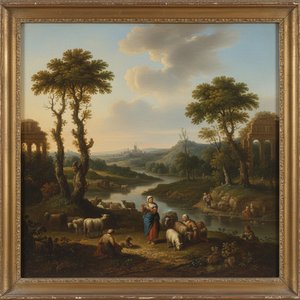
Nicolaes Berchem: Dutch Golden Age Pastoralism & the Evolution of Landscape Painting
Explore the captivating world of Nicolaes Berchem, a leading Dutch Golden Age painter. Discover his idyllic landscapes, masterful technique & lasting influence on art history. Learn more at ArtsDot.

ジョン・コンスタブルの傑作25選:英国風景画の巨匠が描く自然と光の詩 | ArtsDot
ジョン・コンスタブルの傑作25選。英国風景画の巨匠が描く自然と光の詩の世界へ。ロマン主義を代表する絵画、デダム・ヴェールやヘイ・ウェインなど、ArtsDotで高品質なアートプリントをお楽しみください。インテリアに深みと感動を。コレクションはこちら。
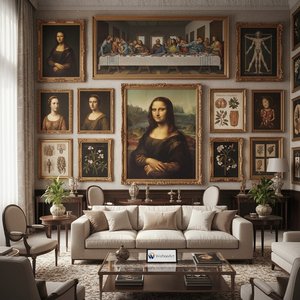
レオナルド・ダ・ヴィンチ:至高の25選 - 芸術、科学、そして不朽の名作の世界
レオナルド・ダ・ヴィンチの至宝25選。モナリザ、最後の晩餐…ルネサンス美術を代表する名画の世界へ。芸術史、技法、そして感動の物語を紐解き、お部屋に飾る高級複製画で特別な空間を。ArtsDot.comで全コレクションをご覧ください。

ロマン派ランドスケープ:時代を彩る巨匠の10選|アートとインテリアの世界
ロマン派絵画の時代を彩る10選。巨匠たちの風景が織りなす感動の世界へ。ターナー、ルーベンスなど、名作の裏話と高精細複製でアートをお部屋に。ArtsDot.comで至福のアート体験を。