

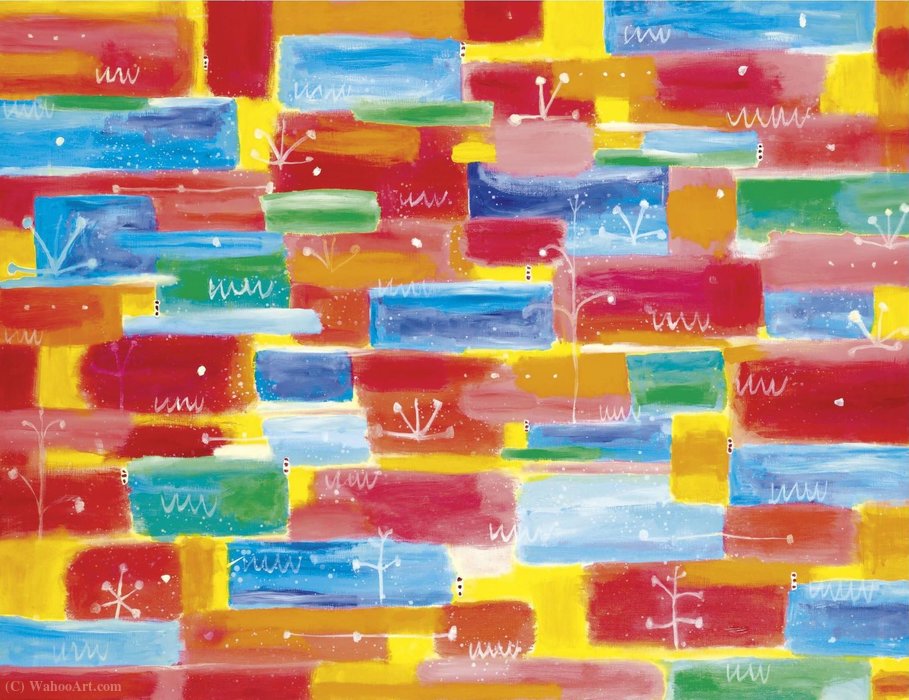
 プレビュー
プレビュー
 シェアする
シェアする シェアする
シェアする
 詳細を見る
詳細を見る

 ダウンロード
 似ている作品
 X線調査
X線調査 スライドショー
 統計情報
統計情報Untitled (914)

 詳細を見る
詳細を見る
オンラインプレビューをはるかに凌ぐ、高解像度で鮮明なデジタル画像をご購入いただけます。
各ファイルは、社内の専門家が高度なツールと熟練した手作業によるレタッチを用いて、細心の注意を払って準備されています。すべての画像において、卓越した鮮明度、正確な色彩再現性、そして繊細なディテールを保証いたします。
最終ファイルは、プロフェッショナルな編集・印刷環境ですぐにご利用いただけるよう最適化された状態で、72時間以内にメールにてお届けいたします。これは、一流のデザインスタジオ、出版社、ギャラリーから信頼されているものと同等の品質です。
デジタルアート
個人での鑑賞、印刷、クリエイティブなプロジェクト用に、高解像度ファイルをダウンロードできます。 ( プリント版に切り替え 手描きの絵画を購入)
デジタル画像のご注文に付随する特典
高品質なデジタル画像配信を、確かな品質で。
ArtsDot.com を選ぶことは、単に画像を手に入れることではありません。それは、プロの手によって精密に仕上げられ、満足保証が付いた高品質なデジタルアートワークを受け取ることを意味します。ご注文いただいた際に自動的に付随する内容は、以下の通りです:

メールですぐにお届け
ご注文から72時間以内に、高解像度のデジタル画像ファイルがメールでお手元に届きます。すぐにそのままご利用いただけます。

AI技術で最適化されたデジタルファイル
お客様の作品は、高度なAIツールと専門家による手作業の編集を組み合わせてプロフェッショナルに最適化されており、細部のディテール、鮮明さ、そして正確な色再現性を最大限に引き出しています。

一生涯無料の再送サービス
ファイルを誤って削除したり、紛失してしまったりしましたか?ご安心ください。いつでも無料で再送いたします。

輸入手数料は一切かかりません
関税や手数料、配送料を気にすることなく、お気に入りのアートワークをすぐにお楽しみいただけます。デジタルダウンロードは常に免税です。

色彩再現の保証
プロ仕様のツールとカラーマネジメント技術を用いることで、デジタル画像が元の色を最大限に忠実に再現することを保証いたします。

100日間満足保証
ご購入いただいたデジタル画像にご満足いただけない場合は、100日以内であれば、理由を問わず修正または100%の返金対応をさせていただきます。

100% 返金保証
ご満足いただけない場合は、デジタルファイルを受け取ってから100日以内であれば、理由を問わず全額返金いたします。

まとめ買い割引
3枚購入で10%OFF - 5枚購入で15%OFF - 10枚以上購入で20%OFF。クリエイティブなプロジェクト、ギャラリー、エージェンシーに最適です。
関連作品
作家の略歴
Nicola De Maria: A Symphony of Color and Emotion
Born in Foglianise, Italy, in 1954, Nicola de Maria’s artistic journey is a compelling narrative of transformation – from medical studies to the vibrant explosion of color and layered imagery that defines his signature style. Initially drawn to the precision of medicine, he found himself increasingly captivated by the expressive potential of paint, ultimately abandoning his formal training to pursue a path dictated by intuition and emotion. This pivotal shift marked the genesis of a career dedicated to creating immersive environments where the boundaries between art and life blur, inviting viewers into a world rich with symbolism and psychological depth.
De Maria’s early work, emerging in the late 1970s within the influential Transavanguardia movement, established his core aesthetic. This Italian artistic collective, spearheaded by Achille Bonito Oliva, rejected the strict formalism of Minimalism and Conceptualism, instead embracing a return to figurative representation infused with historical references, mythological allusions, and a distinctly Baroque sensibility. Alongside artists like Sandro Chia, Francesco Clemente, and Enzo Cucchi, De Maria sought to synthesize diverse influences – from classical painting to Pop Art, and even elements of psychoanalysis – into a unified visual language. This period saw him experimenting with large-scale wall paintings, often executed in public spaces, creating communal experiences that challenged traditional notions of the gallery setting.
The Language of Color and Symbol
At the heart of De Maria’s oeuvre lies an extraordinary command of color – a palette dominated by intense primaries: red, blue, and yellow. These hues aren't merely decorative; they are imbued with profound symbolic weight, representing fundamental human emotions and psychological states. Red, frequently employed in his later works, embodies passion, energy, and even violence, while blue evokes contemplation, melancholy, and the subconscious. Yellow, often layered beneath these dominant colors, suggests optimism, joy, and a yearning for transcendence. His technique is equally significant; De Maria employs thick impasto layers of paint, creating tactile surfaces that invite physical engagement. He frequently incorporates elements of collage – fragments of fabric, paper, and other materials – into his compositions, adding further textural complexity and hinting at the fragmented nature of human experience.
Beyond color, De Maria’s work is replete with recurring motifs: musical instruments, stars, and celestial imagery. These symbols resonate deeply within his personal mythology, reflecting a lifelong fascination with music and spirituality. The inclusion of instruments – violins, trumpets, pianos – suggests the power of art to evoke emotion and connect individuals through shared experience. Stars, often depicted in swirling patterns, represent aspiration, hope, and the search for meaning in an uncertain world. His 1987 painting, “Giardino azzurrino Foglianise,” exemplifies this symbolic richness, transforming his childhood home into a vibrant landscape brimming with these potent emblems.
Wall Paintings and Immersive Environments
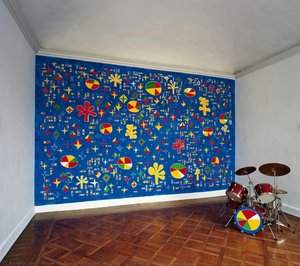
A defining characteristic of De Maria’s practice is his exploration of wall paintings. These monumental works, often executed on vast surfaces in public spaces – from churches to museums – create immersive environments that envelop the viewer. Unlike traditional murals, De Maria's wall paintings are not merely decorative; they function as portals into a psychological landscape, inviting contemplation and emotional resonance. The scale of these pieces is deliberately overwhelming, designed to disrupt the viewer’s sense of space and time, fostering a feeling of being transported to another realm.
His 1980 Venice Biennale contribution, “Space Paintings,” further solidified his reputation as a pioneer in this medium. These works, characterized by their dynamic composition and layered textures, demonstrated De Maria's ability to manipulate space and create a sense of movement within the confines of a two-dimensional surface. The influence of these early wall paintings continues to shape his practice today, informing his approach to large-scale installations and site-specific projects.
Legacy and Critical Reception
Nicola de Maria’s work has garnered significant critical acclaim over the course of his career. He is recognized as a key figure in the Transavanguardia movement and a leading contemporary painter, celebrated for his bold use of color, evocative symbolism, and innovative approach to wall painting. His art has been exhibited extensively throughout Europe and North America, including retrospectives at the Turin Civic Gallery of Modern and Contemporary Art and the Stedelijk Museum in Amsterdam. De Maria’s work continues to be studied and appreciated for its ability to evoke profound emotional responses and challenge conventional notions of artistic representation.
His art is held in prestigious collections worldwide, including those of the Castello di Rivoli Museo d'Arte Contemporanea in Turin and the Stedelijk Museum in Amsterdam. De Maria’s legacy extends beyond his individual creations; he has inspired a generation of artists to embrace emotional expression and explore new possibilities within the realm of painting.
nicola de maria
1954 -
プロフィール概要
- Artistic Movement Or Style: Transavanguardia
- Artists Or Movements Influenced By This Artist: ['Transavanguardia']
- Artists Who Influenced This Artist: ['Achille Bonito Oliva']
- Date Of Birth: December 6, 1954
- Full Name: Nicola De Maria
- Nationality: Italian
- Notable Artworks:
- Kingdom of Musical Flowers
- Untitled (914)
- Untitled (306)
- Place Of Birth: Foglianise, Italy