

 プレビュー
プレビュー
 プリントを購入
 シェアする
シェアする シェアする
シェアする
 詳細を見る
詳細を見る

 ダウンロード
 似ている作品
 X線調査
X線調査 スライドショー
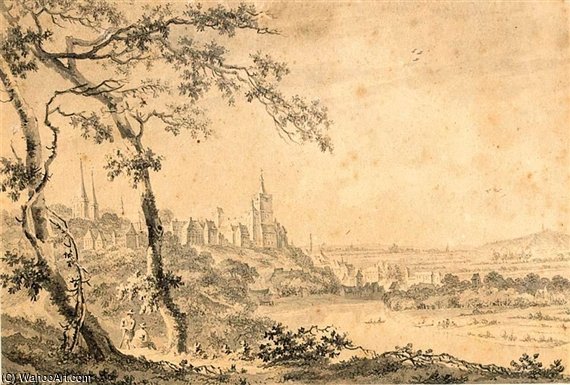
An Extensive Riverlandscape With Travellers Resting On A Path
 詳細を見る
詳細を見る




































作品のオリジナル比率に合わせた、当店の規定サイズからお選びください。

特定のフレームやスペースに合わせて、ご希望のサイズをご入力いただけます。選択されたサイズが元の画像の比率と異なる場合、アートワークをトリミングするか、手描きで要素を追加して絵画を拡張いたします。デジタルモックアップ を制作し、制作開始前にご確認(承認)をいただきます。
画面上のプレビューは、実際のトリミングや拡張を正確に反映しているものではありません。最終的な構図は、モックアップによってのみ正確にご確認いただけます。
カスタムサイズもご利用いただけますが、元の比率を維持するためには、あらかじめ用意されたリストからサイズを選択することをお勧めいたします。
ご注文後、ArtsDot.com チームより詳細な指示をお送りするとともに、仕上がりイメージ(モックアップ)をご提供いたします。


 ガラスオプションは、110cm未満のサイズでのみご利用いただけます。

An Extensive Riverlandscape With Travellers Resting On A Path
複製技法
複製画のサイズ
-


合計金額
$ 263
関連作品
アーティストの略歴
The Gentle Observer: The Life and Legacy of Nicolaas Wicarte
Nicolaas Wicarte (1748–1815) remains a captivating figure in the tapestry of Dutch art, representing a bridge between the structured precision of the late Enlightenment and the emotive, atmospheric whispers of the burgeoning Romantic movement. Born in the historic city of Utrecht to Andries Wicarte and Anna Christina Meijerbgh, his life was deeply rooted in the very landscapes he so lovingly documented. While history often reserves its brightest spotlights for the titans of the Dutch Golden Age like Rembrandt or Vermeer, Wicarte carved out a unique niche through his prolific output as a draftsman, watercolorist, and engraver. His artistic journey, which spanned from roughly 1768 until his death in his birthplace, was characterized by a profound devotion to the pastoral beauty of the Netherlands, particularly within the provinces of South Holland, Gelderland, North Brabant, and Utrecht. His early training as a draftsman under Johann Christian Richardt provided him with a rigorous foundation in the classical techniques of chiaroscuro. This mastery of light and shadow—the dramatic interplay that defines the Baroque tradition—became a cornerstone of his visual language. Yet, Wicarte was never merely a student of imitation. As his career progressed, he moved toward a more delicate, atmospheric style. He possessed a particular talent for creating repoussoir elements, often placing a singular, detailed tree or a textured piece of upholstery in the foreground to guide the viewer’s eye deep into the receding planes of a river landscape. This technique allowed him to create a sense of immense depth and intimacy simultaneously, inviting the observer to step into his tranquil, sun-drenched worlds.A Versatile Hand: From Porcelain to Pastoral Landscapes
The breadth of Wicarte’s talent extended far beyond the canvas or the copper plate. His career was marked by a remarkable versatility that saw him applying his fine motor skills to various decorative arts. Between 1774 and 1784, he served as a porcelain painter for the manufacture of Reverend Joannes de Mol in Oud-Loosdrecht. This period of working with delicate ceramics likely refined his ability to handle minute details and subtle color gradations, skills that would later manifest in the exquisite precision of his engravings and the soft, translucent washes of his watercolors. Furthermore, his creative intellect was applied to the design of wallpapers, demonstrating an ability to translate landscape motifs into rhythmic, decorative patterns suitable for the interiors of the era. His body of work is celebrated not for radical innovation, but for its extraordinary faithfulness to the spirit of the land. Wicarte’s oeuvre includes:- Extensive collections of watercolor landscapes that capture the fleeting light of the Dutch countryside.
- Intricate engravings and grisailles that document the topography and everyday life of various Dutch provinces.
- Delicate porcelain paintings that showcase his mastery of miniature detail.
- Decorative wallpaper designs that brought the essence of nature into the domestic sphere.
The Enduring Resonance of a Dutch Master
Though Wicarte did not seek to overturn the established artistic hierarchies of his time, his significance lies in his role as a meticulous chronicler of a vanishing era. His works often function as topographical windows, offering glimpses into market squares, bustling canals, and quiet rural paths that might otherwise have been lost to time. While he was not always strictly bound by geographical accuracy—sometimes imbuing a scene with a more idealized, poetic quality—his commitment to capturing the "feeling" of a place was unparalleled. He documented the movement of travelers on paths, the gentle flow of rivers like the Scheldt, and the quiet dignity of village life with a humanist reverence. In the grand narrative of art history, Nicolaas Wicarte stands as a pioneer of the Romantic sensibility. By prioritizing the emotional resonance of nature and the beauty found in the mundane, he helped pave the way for the landscape traditions that would dominate the 19th century. His legacy is preserved in the hundreds of drawings and paintings that continue to evoke a sense of peace and nostalgia, reminding us of a time when the simple observation of a riverbank or a woodland glade was an act of profound artistic devotion. Through his eyes, we do not just see the Netherlands of the 18th century; we feel its quiet, enduring soul.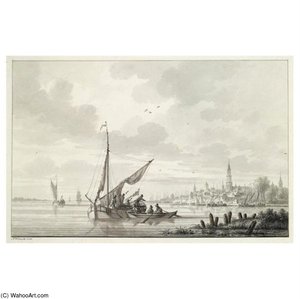
nicolaas wicart
1748 - 1815 , Netherlands
基本情報
- Artistic Movement Or Style: Romantic Landscape Art
- Date Of Birth: 1748 Utrecht Netherlands
- Date Of Death: 1815
- Full Name: Nicolaas Wicarte
- Nationality: Dutch
- Notable Artworks:
- Wooded River Landscape
- View Of Antwerp
- A Pair Of Views
- Place Of Birth: Utrecht Netherlands