

 プレビュー
プレビュー
 プリントを購入
 シェアする
シェアする シェアする
シェアする
 詳細を見る
詳細を見る

 ダウンロード
 似ている作品
 X線調査
X線調査 スライドショー
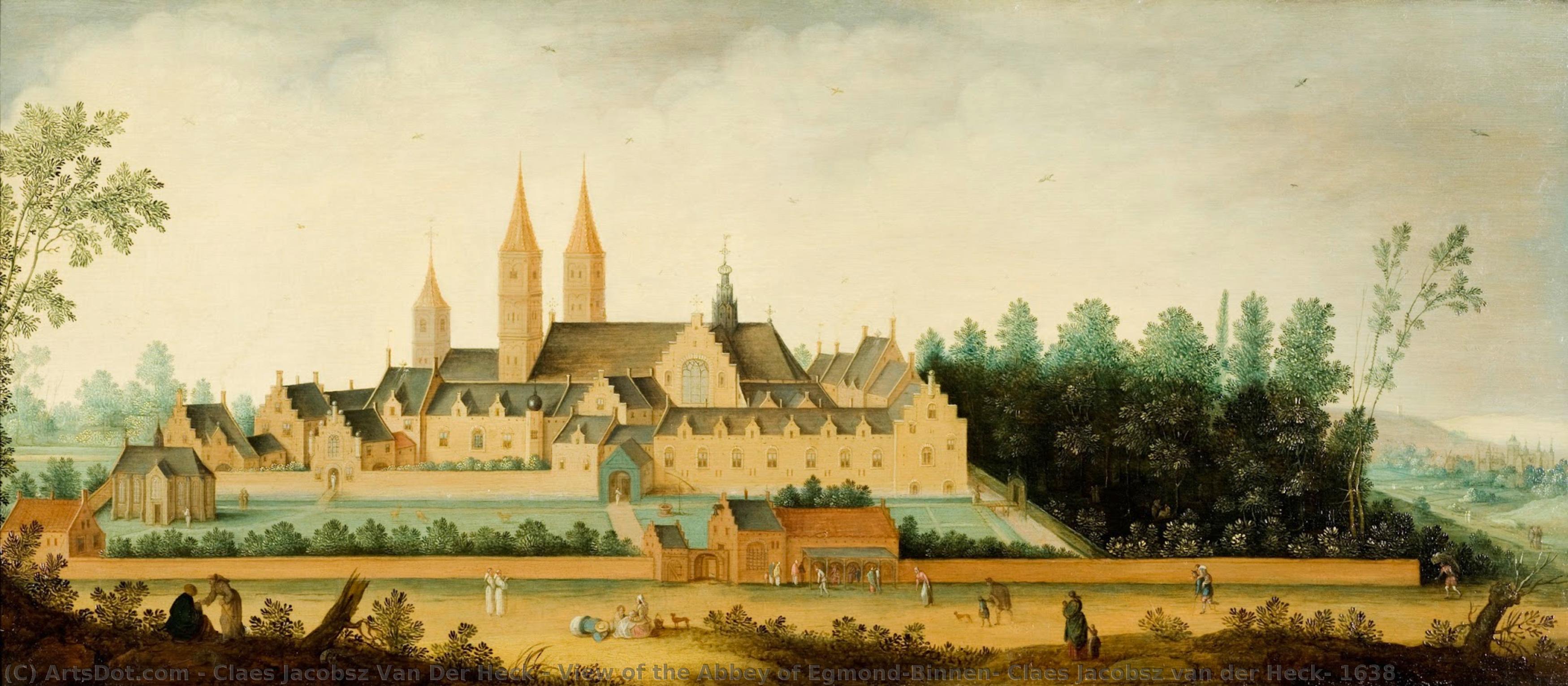
View of the Abbey of Egmond-Binnen, Claes Jacobsz van der Heck, 1638
 Dutch Golden Age
 1638
1638 31.0 x 72.0 cm
 詳細を見る
詳細を見る
オンラインプレビューをはるかに凌ぐ、高解像度で鮮明なデジタル画像をご購入いただけます。
各ファイルは、社内の専門家が高度なツールと熟練した手作業によるレタッチを用いて、細心の注意を払って準備されています。すべての画像において、卓越した鮮明度、正確な色彩再現性、そして繊細なディテールを保証いたします。
最終ファイルは、プロフェッショナルな編集・印刷環境ですぐにご利用いただけるよう最適化された状態で、72時間以内にメールにてお届けいたします。これは、一流のデザインスタジオ、出版社、ギャラリーから信頼されているものと同等の品質です。
デジタル画像のご注文に付随する特典
高品質なデジタル画像配信を、確かな品質で。
ArtsDot.com を選ぶことは、単に画像を手に入れることではありません。それは、プロの手によって精密に仕上げられ、満足保証が付いた高品質なデジタルアートワークを受け取ることを意味します。ご注文いただいた際に自動的に付随する内容は、以下の通りです:

メールですぐにお届け
ご注文から72時間以内に、高解像度のデジタル画像ファイルがメールでお手元に届きます。すぐにそのままご利用いただけます。

AI技術で最適化されたデジタルファイル
お客様の作品は、高度なAIツールと専門家による手作業の編集を組み合わせてプロフェッショナルに最適化されており、細部のディテール、鮮明さ、そして正確な色再現性を最大限に引き出しています。

一生涯無料の再送サービス
ファイルを誤って削除したり、紛失してしまったりしましたか?ご安心ください。いつでも無料で再送いたします。

輸入手数料は一切かかりません
関税や手数料、配送料を気にすることなく、お気に入りのアートワークをすぐにお楽しみいただけます。デジタルダウンロードは常に免税です。

色彩再現の保証
プロ仕様のツールとカラーマネジメント技術を用いることで、デジタル画像が元の色を最大限に忠実に再現することを保証いたします。

60日間満足保証
ご購入いただいたデジタル画像にご満足いただけない場合は、60日以内であれば、修正または100%の返金(理由を問う必要はありません)をさせていただきます。

100% 返金保証
ご満足いただけない場合は、デジタルファイルを受け取ってから60日以内であれば、理由を問わず全額返金いたします。

まとめ買い割引
3枚購入で10%OFF - 5枚購入で15%OFF - 10枚以上購入で20%OFF。クリエイティブなプロジェクト、ギャラリー、エージェンシーに最適です。
関連作品

作家の略歴
The Visionary Landscapes of Nicolaes Jacobsz van der Heck
In the golden era of Dutch painting, few artists possessed the ability to weave together the serene beauty of the natural world with the unsettling shadows of the supernatural as masterfully as Nicolaes Jacobsz van der Heck. Born in the historic city of Alkmaar around 1575, Van der Heck was a painter whose lineage and training placed him at the very heart of the Dutch Golden Age. As the grand-nephew of the celebrated painter Maarten van Heemskerck, he inherited a profound artistic legacy that would inform his approach to composition and narrative. His early development was further refined under the guidance of Jan Nagel, a respected landscape specialist whose influence is evident in Van der Heck’s meticulous attention to atmospheric perspective and the grand, sweeping vistas that became his hallmark.
The artistry of Van der Heck is defined by a remarkable duality. On one hand, he was a virtuoso of the Dutch countryside, capable of capturing the quiet majesty of the Netherlands with an almost tactile realism. His works often feature the soft, diffused light characteristic of the northern lowlands, illuminating rolling hills, shimmering waters, and the architectural dignity of monastic life. His View of the Abbey of Egmond-Binnen stands as a testament to this skill, presenting a tranquil scene where monastic architecture is harmoniously integrated into a lush, detailed landscape. Through his use of tonal gradation and spatial depth, he invited viewers to step into a world that felt both physically present and spiritually resonant.
A Tapestry of Mysticism and Allegory
Yet, beneath the tranquil surface of his landscapes often lay a more complex and darker psychological layer. Van der Heck was not merely an observer of nature; he was a chronicler of the era's deeper anxieties and fascinations. He frequently ventured into the realm of historical allegory and the grotesque, drawing inspiration from the fantastical repertoires of Hieronymus Bosch and Pieter Brueghel the Elder. His depictions of Witches' Sabbaths are particularly striking, presenting panoramic landscapes that serve as stages for chaotic, symbolic dramas. In these works, the familiar elements of the Dutch landscape—ruins, forests, and skies—are populated by demons, monsters, and sorcerers, creating a palpable sense of unease.
This ability to manipulate chiaroscuro allowed him to heighten the drama within these supernatural scenes. By skillfully directing light to illuminate specific, often unsettling, details—such as a crowned demon or a procession of witches—he could guide the viewer's eye through a labyrinth of symbolic imagery. These paintings reflected the broader cultural tensions of the 17th century, where the boundaries between the seen and unseen worlds were often perceived as thin. Whether he was painting the peaceful Abbey of Egmond or a night of occult ritual, his work remained deeply rooted in an expressive brushwork that breathed life into both the mundane and the monstrous.
Legacy and Historical Significance
Throughout his long career, which spanned several decades until his death in 1652, Van der Heck maintained a reputation as a versatile and technically proficient master. His oeuvre was diverse, ranging from portraits and historical allegories to his specialized views of castles and abbeys. The presence of his works in significant collections, such as the Rijksmuseum, ensures that his contribution to the Dutch tradition remains a vital subject of study for art historians today. He did not merely replicate the landscapes of his peers; he imbued them with a unique, mystical spirit that distinguished him from the more purely naturalistic painters of his time.
The enduring impact of Nicolaes Jacobsz van der Heck lies in his capacity to bridge the gap between reality and imagination. His legacy is found in:
- Technical Mastery: His sophisticated use of atmospheric perspective and light to create depth and emotion.
- Narrative Depth: The seamless integration of complex, often dark, allegorical themes within traditional landscape formats.
- Cultural Reflection: His ability to capture the dual nature of the Dutch Golden Age—a period of both immense prosperity and profound spiritual questioning.

nicolaes jacobsz van der heck
1652 , Netherlands
プロフィール概要
- Artistic Movement Or Style: Dutch Golden Age
- Artists Or Movements Influenced By This Artist: ['']
- Artists Who Influenced This Artist: ['Jan Nagel']
- Date Of Death: 1652
- Full Name: Claes Jacobsz van der Heck
- Nationality: Dutch
- Notable Artworks:
- View of the Abbey of Egmond-Binnen
- Witches’ Sabbath
- Place Of Birth: Alkmaar, Netherlands

