

 プレビュー
プレビュー
 シェアする
シェアする シェアする
シェアする
 詳細を見る
詳細を見る

 ダウンロード
 似ている作品
 X線調査
X線調査 スライドショー
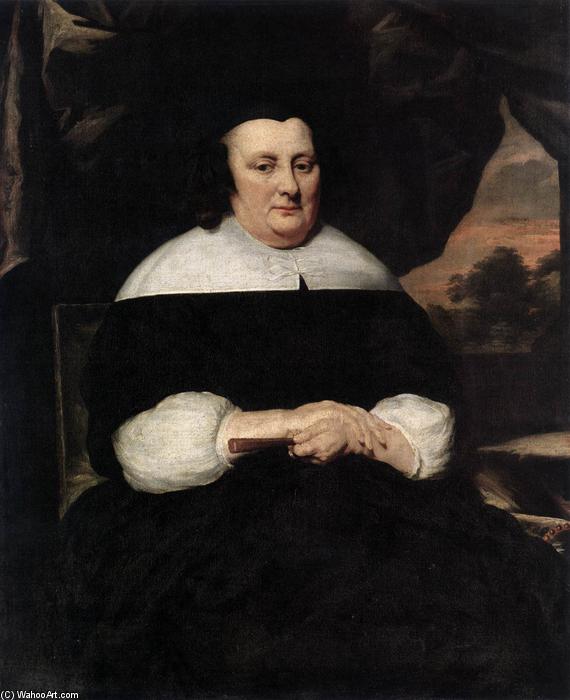
Portrait of a Woman
 Oil On Canvas
- WallArt
- Dutch Golden Age Portraiture
 1665
1665 112.0 x 90.0 cm
 メトロポリタン美術館
 詳細を見る
詳細を見る
ジークレー/アートプリント
迅速な制作と多彩な仕上げオプションを備えた、ミュージアムクオリティのジークレーまたはキャンバスプリント。 ( 手描きの絵画を購入 画像を購入)




P118B $10

P118H $10

P118W $10

P438Z $10

P508JH $12

P508YH $12

P805H $10

P805Z $10

P919BZ $10

P919G $10

P919XJ $10

P959ZH $10

P968JZ $12

W106C $8

W218G $10

W218JH $8

W218Y $10

W307PJ $10

W316G $10

W316PJ $8

W316Y $10

W398PJ $8

W4111J $10

W500HY $15

W500JH $15

W692G $12

W849H $8

W940BG $15

W953PJ $8




作品のオリジナル比率に合わせた、当店の規定サイズからお選びください。

特定のフレームやスペースに合わせて、ご自身でサイズを指定することも可能です。選択されたサイズが元の画像の比率と一致しない場合、作品をトリミングするか、鏡面反射または単色での塗りつぶしによって画像を拡張いたします。制作を開始する前に、ご確認用のデジタルモックアップをお送りいたします。
画面上のプレビューには、実際のトリミングや拡張は反映されませんのでご注意ください。最終的な構図を正確に確認できるのは、モックアップのみとなります。
カスタムサイズも承っておりますが、元の比率を維持するためには、あらかじめ用意されたリストからサイズを選択することをお勧めいたします。


 ガラスオプションは、110cm未満のサイズでのみご利用いただけます。

Portrait of a Woman
ジークレー/アートプリント
複製画のサイズ
-


合計金額
$ 62
A Glimpse of Grace: Nicolaes Maes’ “Portrait of a Woman”
The year is 1665, and within the bustling artistic landscape of the Dutch Golden Age, Nicolaes Maes presents us with "Portrait of a Woman," an arresting study in quiet dignity and subtle elegance. More than simply a likeness, this painting embodies the refined sensibilities of its era – a testament to the meticulous observation and masterful technique that defined Dutch portraiture at its peak. The image captures a woman, likely a member of the upper echelons of society, rendered with a remarkable sensitivity to light, texture, and psychological depth. It’s a work that invites contemplation, offering a rare glimpse into the private world of a noblewoman within the opulent setting of 17th-century Holland.
Maes's style is immediately recognizable as a sophisticated evolution of Rembrandt’s influence, yet it possesses a distinct character. He skillfully employs *chiaroscuro*, the dramatic interplay of light and shadow, to sculpt the subject’s form and imbue the scene with an atmosphere of subdued drama. The soft, diffused lighting, reminiscent of Rembrandt's later works, gently illuminates her face, highlighting the delicate curve of her cheekbones and the thoughtful expression in her eyes. Notice how the shadows subtly deepen around her mouth and chin, adding a layer of mystery and hinting at unspoken thoughts. This masterful use of light isn’t merely decorative; it serves to draw the viewer's attention to key features and create a sense of intimacy.
The Language of Dress and Status
A careful examination of the woman’s attire reveals much about her social standing and the prevailing fashions of the time. The dark, enveloping robe, likely crafted from luxurious velvet or silk, speaks volumes about wealth and status. The high neckline, accentuated by a delicate lace collar – a hallmark of Dutch Golden Age portraiture – further emphasizes her elevated position within society. The subtle sheen of the fabric suggests quality and expense, while the intricate details of the lace hint at the skill and artistry involved in its creation. These elements aren’t simply decorative; they are carefully chosen symbols that communicate a complex narrative about the subject's identity and social role.
The inclusion of the book or small object held delicately in her hands adds another layer of interpretation. It suggests an intellectual pursuit, perhaps a love of learning or a connection to the arts – qualities highly valued within the refined circles of Dutch society. It’s a subtle detail that elevates the portrait beyond a mere representation of appearance and hints at the woman's inner life.
A Masterful Technique
Maes’s technical skill is evident in every brushstroke. The painting demonstrates an extraordinary level of detail, particularly in the rendering of the lace collar – each delicate thread meticulously captured with a remarkable degree of precision. The subtle modeling of her face and hands reveals a deep understanding of anatomy and form. Furthermore, the background, deliberately kept dark and indistinct, serves to focus attention entirely on the subject, creating a powerful sense of isolation and intimacy. The artist’s use of glazing techniques – applying thin layers of translucent paint over dried underlayers – contributes to the richness and luminosity of the colors, while also allowing for subtle shifts in tone and value.
Historical Context and Artistic Legacy
"Portrait of a Woman" stands as a quintessential example of Dutch Golden Age portraiture, reflecting both the artistic innovations of the period and the social values of its time. Nicolaes Maes’s work represents a pivotal moment in the evolution of genre painting, bridging the gap between the dramatic narratives of Rembrandt and the more intimate portraits of his contemporaries. His ability to capture not only physical likeness but also psychological depth and emotional nuance cemented his reputation as one of the most sought-after portrait painters of his era. Reproductions of this captivating work continue to resonate with viewers today, offering a timeless glimpse into the beauty, grace, and quiet dignity of 17th-century Holland.
関連作品

アーティストの略歴
光と影に浸された生涯
ニコラース・マースは、1634年1月にオランダのドルトレヒトで生まれました。それは、商業的繁栄と芸術的発酵が満ち溢れた世界でした。彼の父、ヘリット・マースは、成功した布商であり石鹸製造業者でもあり、若いニコラースが絵画の才能を追求することを可能にする恵まれた環境を提供しました。初期の指導は、さほど有名ではない地元の芸術家から受けましたが、1648年頃にアムステルダムへ旅立ち、レンブラント・ファン・レインの工房に入ったことが彼の発展における重要な転換点となりました。キアロスクーロ—光と影の劇的な相互作用—への永続的な感謝と、初期作品を定義することになる色の卓越した習熟が彼に浸透しました。その影響は非常に深く、聖書の場面を描いた初期の絵画は、等身大の人物像と豊かな輝きを持つ色調で描かれ、しばしばレンブラント自身によるものと誤認されました。これらの形成期は、技術的な卓越性と人間の感情への深い理解を特徴とするキャリアの基礎を築きました。レンブラントの影から独立したビジョンへ
1654年にドルトレヒトに戻ったマースは、自身の芸術的道を歩み始め、徐々に旧師からの直接的な模倣から距離を置くようになりました。その後の10年間で、より小規模な家庭内のジャンルシーンへと移行しましたが、レンブラントとの時代に吸収した鮮やかな色彩感覚は維持されました。彼はオランダ市民の日常生活に鋭い目を向け、女性が糸紡ぎ、聖書を読んだり、食事の準備をするなど、ありふれた活動に従事する様子を驚くほど詳細かつ繊細に描きました。特にレース編みの複雑な芸術に魅了され、そのテーマに基づいた数多くのバリエーションを生み出しました。それぞれの作品は、マースの綿密な観察力と技術の証です。これらの絵画は単なる日常生活の描写ではありませんでした。それは17世紀オランダ社会の生地に織り込まれた静かな尊厳と微妙な物語を明らかにする、家庭生活への窓でした。この時期の彼の作品は、人々が何をしていたかだけでなく、どのように感じながらそれをしていたかを捉える能力を示しています。アムステルダムの肖像画家として
1673年、マースはアムステルダムに移転しました。この転居は、芸術的野心と変化する美術市場への賢明な適応を意味していました。イングランドおよびフランスとの戦争からまだ立ち直っておらず、アムステルダムには肖像画に対する需要が急増しており、マースはすぐにその主要な実践者の一人として確立しました。彼は以前のジャンル作品の多くを手放し、代わりにアムステルダムの著名な市民の容姿と個性を捉ることに焦点を当てました。彼の肖像画は洗練された優雅さと心理的な洞察を特徴とし、単なる外見だけでなく、性格や社会的地位のヒントも明らかにしています。「アムステルダムの商人および船主ジェラルト・ローヴァーの肖像」はそのスキルを示す好例であり、富と市民的誇りの尊厳ある描写を示しています。彼は、生地の品質、衣服のカット、被写体の自信に満ちた姿勢など、微妙なディテールを通して地位を伝えることに長けていました。この時期は、初期の暖かさと親密さから、より洗練された洗練された美学へと大きな様式の変化を示しました。遺産と永続的な魅力
ニコラース・マースは1693年12月にアムステルダムで亡くなり、今日でも人々を魅了し続ける膨大な作品群を残しました。彼の絵画は、オランダ黄金時代の社会的慣習、家庭内のインテリア、そして人間の複雑さに関する貴重な洞察を提供します。初期の作品にはレンブラントの影響が明白ですが、マースは最終的に、綿密なディテール、鮮やかな色彩パレット、そして人間性の繊細な描写を特徴とする独自のスタイルを発展させました。彼は日常的なシーンや個人を芸術的意義へと高める能力により、彼の時代の最も重要な画家の一人としての地位を確固たるものにしました。今日、彼の絵画はアムステルダムのライクスミュージアム、ロンドンのナショナル・ギャラリー、ワシントンD.C.の国立美術館など、世界中の有名なコレクションに所蔵されており、ArtsDot.comのようなプラットフォームを通じて研究と鑑賞が可能になり、この優れたオランダ人芸術家の遺産が次世代へと受け継がれています。彼の作品の主な特徴
- レンブラントの影響:初期作品には、レンブラント・ファン・レインからの強い影響が見られ、特にキアロスクーロの使用と豊かな色彩パレットにおいて。
- ジャンルシーン:マースは、日常生活の親密な描写で知られており、家庭内のインテリアや糸紡ぎ、読書、レース編みなどの活動に焦点を当てています。
- 肖像画の習熟:彼はアムステルダムを代表する肖像画家となり、被写体の容姿と性格を正確かつ優雅に捉えることで知られています。
- 詳細な観察:彼の絵画は綿密な注意深さによって特徴付けられており、特にテクスチャ、生地、顔の表情の描写において。
- 心理的な洞察:マースは被写体の内面と感情を微妙なジェスチャーや表現を通して捉える卓越した能力を持っていました。
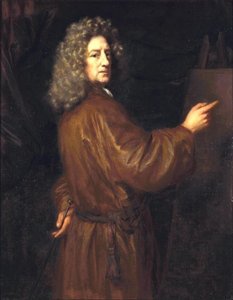
ニコラース・マース
1634 - 1693 , オランダ
基本情報
- Artistic Movement Or Style: バロック、黄金時代
- Artists Or Movements Influenced By This Artist: ['オランダの風俗画家']
- Artists Who Influenced This Artist: ['レンブラント・ファン・レイン']
- Date Of Birth: 1634年1月
- Date Of Death: 1693年12月
- Full Name: ニコラース・マース
- Nationality: オランダ人
- Notable Artworks:
- The Reverie
- Card Players
- Catharina Pottey
- Gerard Röver
- Portrait of a Woman
- Place Of Birth (City And Country): オランダ、ドルトレヒト
関連記事

黄金世紀の巨匠たち:バロック絵画が彩る10選|ArtsDot
オランダ黄金時代の10大傑作を紐解く!レンブラント、フェルメール…バロック絵画の魅力と時代背景を深く探求。ArtsDotで、至高のアートコレクションと空間演出のヒントを見つけよう。高品質なアートプリントで、お部屋を華やかに。

Golden Age Reflections: Dutch Baroque Painting & Cultural Innovation
Explore the Dutch Golden Age of painting! Discover key artists like Vermeer & ter Borch, their innovative techniques, and the rich cultural context behind these Baroque masterpieces. Learn about collecting & appreciating this iconic art period.
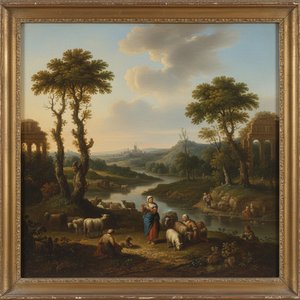
Nicolaes Berchem: Dutch Golden Age Pastoralism & the Evolution of Landscape Painting
Explore the captivating world of Nicolaes Berchem, a leading Dutch Golden Age painter. Discover his idyllic landscapes, masterful technique & lasting influence on art history. Learn more at ArtsDot.

Illuminating Innovation: Exploring the Dutch Golden Age of Painting
Explore the Dutch Golden Age of painting with ArtsDot. Discover Rembrandt, Vermeer & other Masters. Learn about key characteristics, iconic artworks, and lasting influence. Expert insights for collectors & enthusiasts.
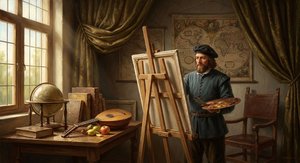
Illuminating Realism: Exploring the Dutch Golden Age of Painting (1600-1700)
Explore the Dutch Golden Age of painting (1600-1700) with ArtsDot. Discover Rembrandt, Vermeer & other masters. Learn about techniques, history & find museum-quality reproductions.

