

 プレビュー
プレビュー
 プリントを購入
 シェアする
シェアする シェアする
シェアする
 詳細を見る
詳細を見る

 ダウンロード
 似ている作品
 X線調査
X線調査 スライドショー
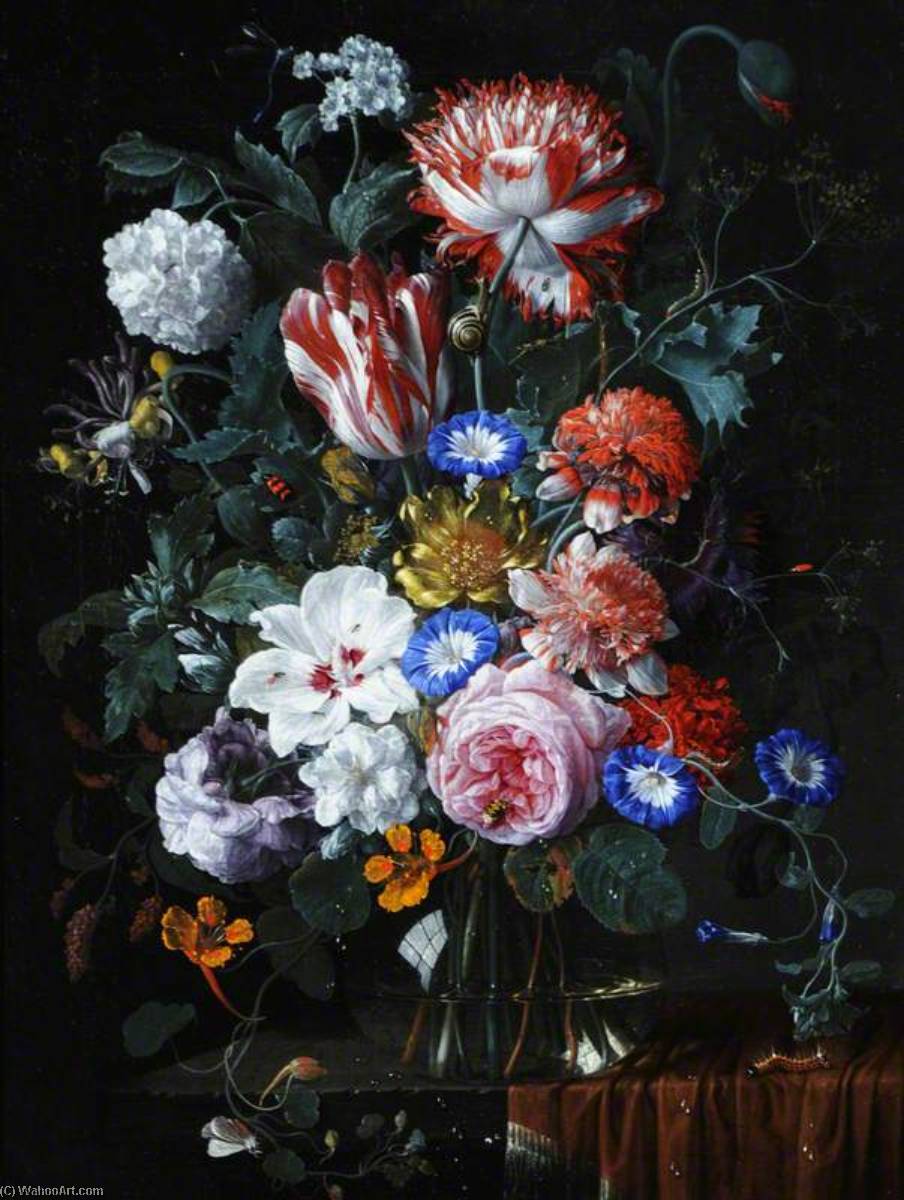
Flower Piece with Tulips, Roses, Convolvuli and Other Flowers
 1677
1677 51.0 x 39.0 cm
 詳細を見る
詳細を見る
オンラインプレビューをはるかに凌ぐ、高解像度で鮮明なデジタル画像をご購入いただけます。
各ファイルは、社内の専門家が高度なツールと熟練した手作業によるレタッチを用いて、細心の注意を払って準備されています。すべての画像において、卓越した鮮明度、正確な色彩再現性、そして繊細なディテールを保証いたします。
最終ファイルは、プロフェッショナルな編集・印刷環境ですぐにご利用いただけるよう最適化された状態で、72時間以内にメールにてお届けいたします。これは、一流のデザインスタジオ、出版社、ギャラリーから信頼されているものと同等の品質です。
デジタル画像のご注文に付随する特典
高品質なデジタル画像配信を、確かな品質で。
ArtsDot.com を選ぶことは、単に画像を手に入れることではありません。それは、プロの手によって精密に仕上げられ、満足保証が付いた高品質なデジタルアートワークを受け取ることを意味します。ご注文いただいた際に自動的に付随する内容は、以下の通りです:

メールですぐにお届け
ご注文から72時間以内に、高解像度のデジタル画像ファイルがメールでお手元に届きます。すぐにそのままご利用いただけます。

AI技術で最適化されたデジタルファイル
お客様の作品は、高度なAIツールと専門家による手作業の編集を組み合わせてプロフェッショナルに最適化されており、細部のディテール、鮮明さ、そして正確な色再現性を最大限に引き出しています。

一生涯無料の再送サービス
ファイルを誤って削除したり、紛失してしまったりしましたか?ご安心ください。いつでも無料で再送いたします。

輸入手数料は一切かかりません
関税や手数料、配送料を気にすることなく、お気に入りのアートワークをすぐにお楽しみいただけます。デジタルダウンロードは常に免税です。

色彩再現の保証
プロ仕様のツールとカラーマネジメント技術を用いることで、デジタル画像が元の色を最大限に忠実に再現することを保証いたします。

60日間満足保証
ご購入いただいたデジタル画像にご満足いただけない場合は、60日以内であれば、修正または100%の返金(理由を問う必要はありません)をさせていただきます。

100% 返金保証
ご満足いただけない場合は、デジタルファイルを受け取ってから60日以内であれば、理由を問わず全額返金いたします。

まとめ買い割引
3枚購入で10%OFF - 5枚購入で15%OFF - 10枚以上購入で20%OFF。クリエイティブなプロジェクト、ギャラリー、エージェンシーに最適です。
関連作品






作家の略歴
A Life Immersed in Blooms: The World of Nicolaes van Verendael
Nicolaes van Verendael, a name perhaps less instantly recognizable than some of his Flemish contemporaries, nevertheless occupies a significant and charming niche within the Baroque art world. Born in Antwerp in 1640 and passing away in the same city in 1691, Van Verendael dedicated his life to capturing the ephemeral beauty of flowers, often imbued with deeper symbolic meaning through the genre of *vanitas* still lifes. His story is one of artistic collaboration, quiet dedication, and a persistent struggle for financial stability despite widespread respect among fellow painters. Baptized in St. Andrew’s Church, he received his initial training from his father, Willem van Veerendael, laying the foundation for a career that would blossom into exquisite depictions of nature's fleeting glory. While never formally registered at the Antwerp Guild of Saint Luke as a pupil, he was admitted as a son of a member in 1657, securing his place within the artistic community. His personal life, marked by marriage to Catharina van Beveren and the raising of eleven children, unfolded against a backdrop of modest means—a testament to his slow working pace despite considerable demand for his talents.The Collaborative Spirit: Van Verendael’s Artistic Practice
Van Verendael was not typically a solitary creator; instead, he thrived as a collaborator, lending his exceptional skill in flower painting to the compositions of leading Antwerp artists. This practice was common during the period, allowing painters to specialize and combine their strengths. He frequently worked alongside masters such as David Teniers the Younger, Gonzales Coques, Erasmus Quellinus II, Jan Boeckhorst, Carstian Luyckx, and even the renowned Jan Davidsz. de Heem. His role was often to add the delicate still life elements—the vibrant bouquets, symbolic fruits, and meticulously rendered blossoms—to their broader narratives or portraits. This collaborative spirit highlights a key aspect of Van Verendael’s artistic identity: he wasn't simply painting flowers; he was enhancing and completing visions conceived by others. His ability to seamlessly integrate his work into diverse compositions earned him considerable respect within the Antwerp art scene, even if it didn’t always translate into financial security. He also ventured into *singeries*, playful scenes featuring monkeys dressed as humans, showcasing a versatility beyond purely floral subjects.Early Influences and Evolving Style
Van Verendael's early work clearly demonstrates the influence of Daniel Seghers, a leading figure in Antwerp flower still life painting. However, Van Verendael quickly developed his own distinct voice, characterized by bolder colors and more dramatic contrasts than Seghers’ softer palette. His initial paintings often featured small, bright bouquets arranged within tall vases or cartouches, frequently incorporated into garlands surrounding religious figures or scenes. These garland paintings were a tradition initiated by Jan Brueghel the Elder in the early 17th century, typically involving a collaboration between a still life painter and a figure painter. A prime example is his *Garland Surrounding the Virgin Mary* (Prado, Madrid), created with an unknown collaborator. This work, rather than depicting the Madonna directly, features a sculpted representation of her encircled by a vibrant floral wreath, inscribed with “ego flos campi” (“I am the flower of the field”), reinforcing themes of religious devotion. As his career progressed, Van Verendael’s style evolved under the influence of Jan Davidsz. de Heem, incorporating *vanitas* motifs—symbols of mortality and the transience of life—such as insects and decaying fruit into his compositions.The Language of Flowers: Symbolism and Technique
Van Verendael's paintings are not merely beautiful representations of nature; they are imbued with a rich symbolic language. The flowers themselves carried specific meanings, often alluding to religious themes, love, or the fleeting nature of earthly existence. His *vanitas* still lifes, in particular, served as poignant reminders of mortality—a common theme in Baroque art. The inclusion of wilting blossoms, decaying fruit, and extinguished candles underscored the impermanence of life and the inevitability of death. Technically, Van Verendael was a master of detail, meticulously rendering each petal, leaf, and stem with remarkable precision. His brushwork, initially precise and delicate, became more lively and expressive in his later years, foreshadowing the developments in Flemish flower painting during the 18th century. He possessed an exceptional ability to capture the texture and luminosity of flowers, creating a sense of realism that captivated viewers.A Lasting Legacy: Van Verendael’s Place in Art History
While perhaps not as widely celebrated as some of his contemporaries, Nicolaes van Verendael left a significant mark on Flemish Baroque painting. His exquisite flower paintings and evocative *vanitas* still lifes continue to be admired for their beauty, technical skill, and symbolic depth. His collaborative spirit demonstrates the interconnectedness of the Antwerp art world during the 17th century, while his evolving style reflects his willingness to experiment and adapt. He stands as a testament to the power of dedication and artistry, even in the face of personal hardship. His work serves as a reminder of the ephemeral nature of beauty and the enduring allure of flowers—symbols that continue to resonate with audiences today.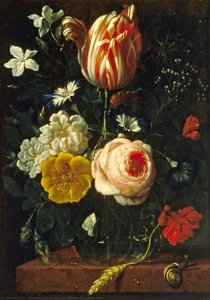
nicolaes van verendael
1640 - 1691
プロフィール概要
- Artistic Movement Or Style: Baroque, Still Life
- Artists Or Movements Influenced By This Artist: Flemish flower painting
- Artists Who Influenced This Artist:
- Daniel Seghers
- Jan Brueghel the Elder
- Date Of Birth: 1640
- Date Of Death: 1691
- Full Name: Nicolaes van Verendael
- Nationality: Flemish
- Notable Artworks:
- A Vase of Flowers
- Garland with Virgin Mary
- Place Of Birth: Antwerp, Belgium

