

 プレビュー
プレビュー
 プリントを購入
 シェアする
シェアする シェアする
シェアする
 詳細を見る
詳細を見る

 ダウンロード
 似ている作品
 X線調査
X線調査 スライドショー
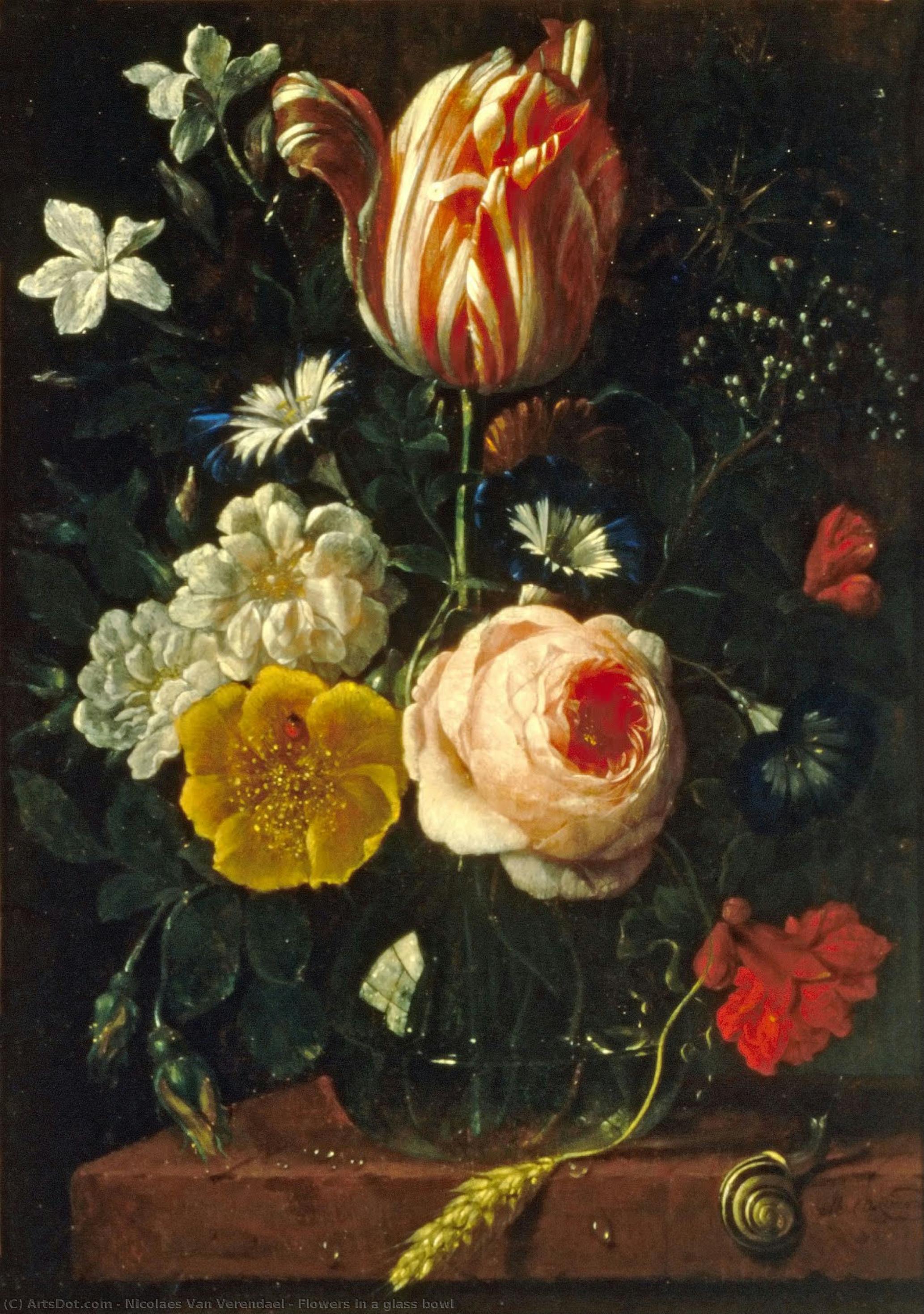
Flowers in a glass bowl


 詳細を見る
詳細を見る




































作品のオリジナル比率に合わせた、当店の規定サイズからお選びください。

特定のフレームやスペースに合わせて、ご希望のサイズをご入力いただけます。選択されたサイズが元の画像の比率と異なる場合、アートワークをトリミングするか、手描きで要素を追加して絵画を拡張いたします。デジタルモックアップ を制作し、制作開始前にご確認(承認)をいただきます。
画面上のプレビューは、実際のトリミングや拡張を正確に反映しているものではありません。最終的な構図は、モックアップによってのみ正確にご確認いただけます。
カスタムサイズもご利用いただけますが、元の比率を維持するためには、あらかじめ用意されたリストからサイズを選択することをお勧めいたします。
ご注文後、ArtsDot.com チームより詳細な指示をお送りするとともに、仕上がりイメージ(モックアップ)をご提供いたします。


 ガラスオプションは、110cm未満のサイズでのみご利用いただけます。

Flowers in a glass bowl
複製技法
複製画のサイズ
-


合計金額
$ 263
関連作品










アーティストの略歴
A Life Immersed in Blooms: The World of Nicolaes van Verendael
Nicolaes van Verendael, a name perhaps less instantly recognizable than some of his Flemish contemporaries, nevertheless occupies a significant and charming niche within the Baroque art world. Born in Antwerp in 1640 and passing away in the same city in 1691, Van Verendael dedicated his life to capturing the ephemeral beauty of flowers, often imbued with deeper symbolic meaning through the genre of *vanitas* still lifes. His story is one of artistic collaboration, quiet dedication, and a persistent struggle for financial stability despite widespread respect among fellow painters. Baptized in St. Andrew’s Church, he received his initial training from his father, Willem van Veerendael, laying the foundation for a career that would blossom into exquisite depictions of nature's fleeting glory. While never formally registered at the Antwerp Guild of Saint Luke as a pupil, he was admitted as a son of a member in 1657, securing his place within the artistic community. His personal life, marked by marriage to Catharina van Beveren and the raising of eleven children, unfolded against a backdrop of modest means—a testament to his slow working pace despite considerable demand for his talents.The Collaborative Spirit: Van Verendael’s Artistic Practice
Van Verendael was not typically a solitary creator; instead, he thrived as a collaborator, lending his exceptional skill in flower painting to the compositions of leading Antwerp artists. This practice was common during the period, allowing painters to specialize and combine their strengths. He frequently worked alongside masters such as David Teniers the Younger, Gonzales Coques, Erasmus Quellinus II, Jan Boeckhorst, Carstian Luyckx, and even the renowned Jan Davidsz. de Heem. His role was often to add the delicate still life elements—the vibrant bouquets, symbolic fruits, and meticulously rendered blossoms—to their broader narratives or portraits. This collaborative spirit highlights a key aspect of Van Verendael’s artistic identity: he wasn't simply painting flowers; he was enhancing and completing visions conceived by others. His ability to seamlessly integrate his work into diverse compositions earned him considerable respect within the Antwerp art scene, even if it didn’t always translate into financial security. He also ventured into *singeries*, playful scenes featuring monkeys dressed as humans, showcasing a versatility beyond purely floral subjects.Early Influences and Evolving Style
Van Verendael's early work clearly demonstrates the influence of Daniel Seghers, a leading figure in Antwerp flower still life painting. However, Van Verendael quickly developed his own distinct voice, characterized by bolder colors and more dramatic contrasts than Seghers’ softer palette. His initial paintings often featured small, bright bouquets arranged within tall vases or cartouches, frequently incorporated into garlands surrounding religious figures or scenes. These garland paintings were a tradition initiated by Jan Brueghel the Elder in the early 17th century, typically involving a collaboration between a still life painter and a figure painter. A prime example is his *Garland Surrounding the Virgin Mary* (Prado, Madrid), created with an unknown collaborator. This work, rather than depicting the Madonna directly, features a sculpted representation of her encircled by a vibrant floral wreath, inscribed with “ego flos campi” (“I am the flower of the field”), reinforcing themes of religious devotion. As his career progressed, Van Verendael’s style evolved under the influence of Jan Davidsz. de Heem, incorporating *vanitas* motifs—symbols of mortality and the transience of life—such as insects and decaying fruit into his compositions.The Language of Flowers: Symbolism and Technique
Van Verendael's paintings are not merely beautiful representations of nature; they are imbued with a rich symbolic language. The flowers themselves carried specific meanings, often alluding to religious themes, love, or the fleeting nature of earthly existence. His *vanitas* still lifes, in particular, served as poignant reminders of mortality—a common theme in Baroque art. The inclusion of wilting blossoms, decaying fruit, and extinguished candles underscored the impermanence of life and the inevitability of death. Technically, Van Verendael was a master of detail, meticulously rendering each petal, leaf, and stem with remarkable precision. His brushwork, initially precise and delicate, became more lively and expressive in his later years, foreshadowing the developments in Flemish flower painting during the 18th century. He possessed an exceptional ability to capture the texture and luminosity of flowers, creating a sense of realism that captivated viewers.A Lasting Legacy: Van Verendael’s Place in Art History
While perhaps not as widely celebrated as some of his contemporaries, Nicolaes van Verendael left a significant mark on Flemish Baroque painting. His exquisite flower paintings and evocative *vanitas* still lifes continue to be admired for their beauty, technical skill, and symbolic depth. His collaborative spirit demonstrates the interconnectedness of the Antwerp art world during the 17th century, while his evolving style reflects his willingness to experiment and adapt. He stands as a testament to the power of dedication and artistry, even in the face of personal hardship. His work serves as a reminder of the ephemeral nature of beauty and the enduring allure of flowers—symbols that continue to resonate with audiences today.
nicolaes van verendael
1640 - 1691
基本情報
- Artistic Movement Or Style: Baroque, Still Life
- Artists Or Movements Influenced By This Artist: Flemish flower painting
- Artists Who Influenced This Artist:
- Daniel Seghers
- Jan Brueghel the Elder
- Date Of Birth: 1640
- Date Of Death: 1691
- Full Name: Nicolaes van Verendael
- Nationality: Flemish
- Notable Artworks:
- A Vase of Flowers
- Garland with Virgin Mary
- Place Of Birth: Antwerp, Belgium

